

Download the audio
- Introduction.
This lesson develops the bankruptcy of electric van manufacturer Arrival.
- The Bankruptcy of Arrival.
Arrival promised to “reinvent” electric vehicle manufacturing with microfactories and a 20,000-van order from UPS. However, it didn’t sell a single one and ended up in bankruptcy.
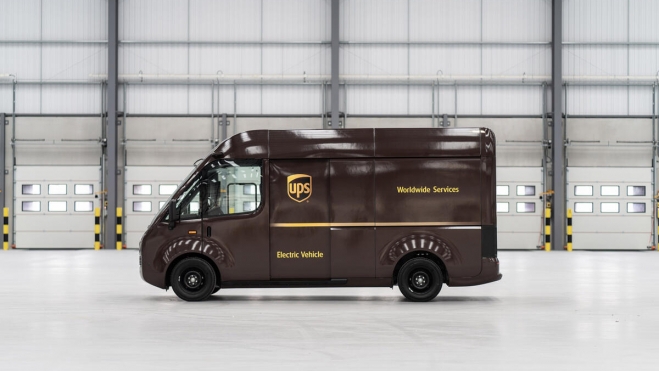
Born amid the boom in the electric vehicle sector, the British company Arrival argued that small, inexpensive, modular microfactories located close to customers could replace large production plants. Its flagship product, the Arrival Van, dazzled investors and secured UPS’s backing with an order for 10,000 units, with an option for another 10,000, while the company showcased prototypes of electric buses and city cars.
The industrial reality was quite different: after the prototypes and pre-production runs, delays piled up, certification did not translate into production, and the company ran out of revenue to sustain its operations. In 2024, the company went into administration in the United Kingdom, and its parent company was declared bankrupt in Luxembourg. Part of the machinery was sold to Canoo, and the rest of the assets were liquidated.
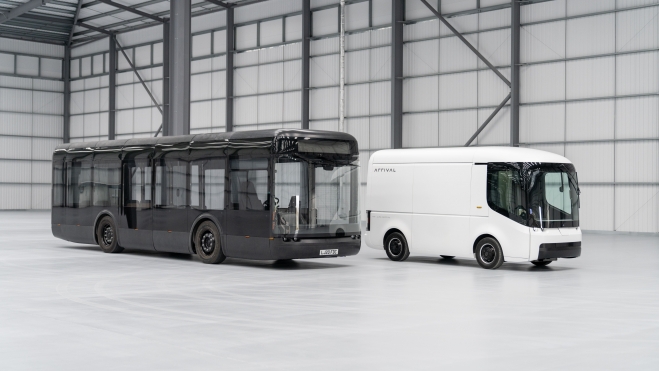
- That was Arrival’s plan, and that’s how it turned out.
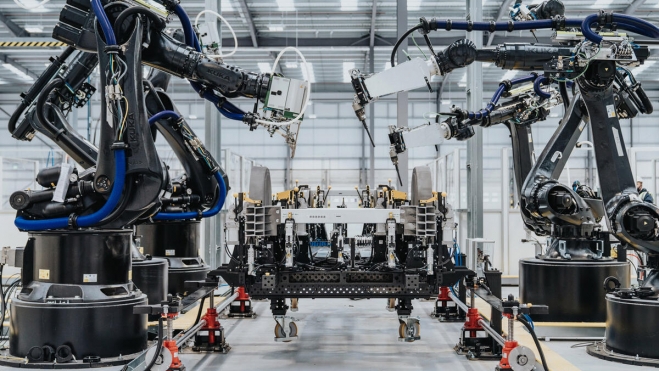
The operational plan centered on two hubs: Bicester, in the United Kingdom, and Charlotte/Rock Hill, in the United States. Arrival argued that, rather than spending hundreds of millions or billions on a gigafactory, it could transform existing warehouses into microfactories equipped with robots and autonomous trolleys, scalable to meet local demand. That was the core of its technological and financial proposal.
Between 2021 and 2022, the company showcased prototypes and announced the first pre-production units for validation, while adjusting the production schedule. However, achieving a stable production volume proved much more difficult: process implementation, quality, supply, and certifications became complicated just as the cash flow situation was tightening. The “leap” from the testing phase to mass production was postponed quarter after quarter.
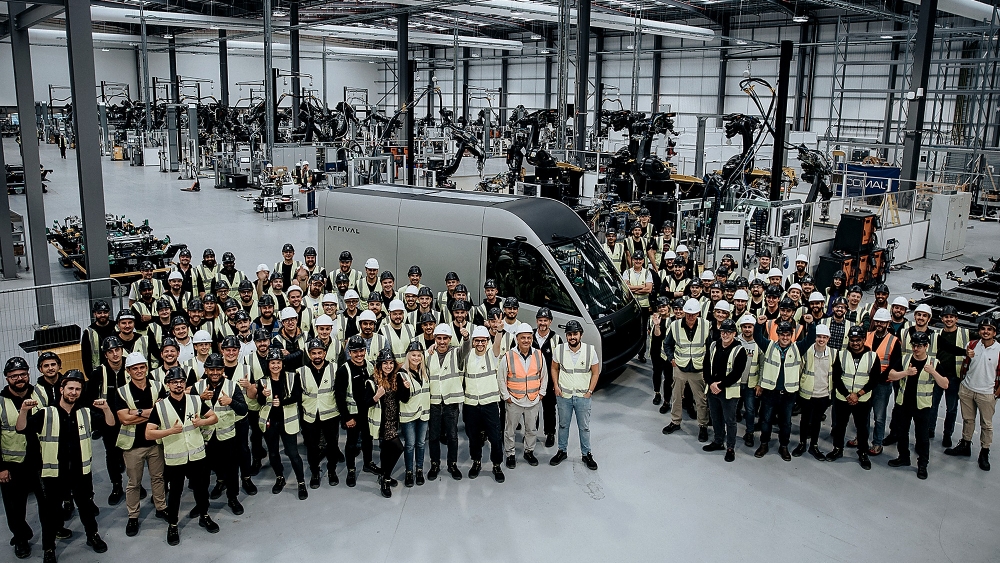
By the end of 2022, Arrival reordered its priorities to focus on the United States, drawn by the market’s size and incentives, and slowed down the launch in Bicester. The shift required more capital and time, but the cycle of high interest rates and the funding drought made it difficult to secure an injection that would align the schedule, suppliers, and certifications.
The result was a drain on cash without revenue to offset it. By 2023, Arrival had accumulated staff cuts and delays that it had communicated to the market. The idea of microfactories remained attractive, but industrializing two continents at once, without a base of marketable vehicles in the short term, took a financial and operational toll. Ultimately, it never even managed to sell vans or buses in series production.
On February 5, 2024, a point of no return was reached in the United Kingdom: Arrival UK and Arrival Automotive UK were placed into administration, and EY Parthenon was appointed as joint administrator by court order. Its mission is to preserve value, sell the assets, and satisfy creditors to the extent possible.
A few months later, the parent company suffered a legal setback. On June 10, 2024, Arrival announced that the Luxembourg court had declared Arrival bankrupt on May 22, 2024. From that point on, management ceased operations, and the group’s assets were headed toward liquidation and sale.
At the same time, the “good” part of the group was sold off piece by piece. In March 2024, Canoo announced the purchase “at a significant discount” of advanced manufacturing equipment and other assets from Arrival in the United States, packed into more than twenty containers bound for its plants in Oklahoma. This was a sale of assets, not an acquisition of an operating company.
The insolvency filings highlight the disparity, as various media outlets reported that the British company’s debt amounted to nearly 230 million euros, while it had less than 173,000 euros in cash, and the theoretical value of its inventory of machinery, vehicles, and intellectual property would be difficult to realize in an expedited process. The financial situation explains why there was no bailout to protect the shareholders.
The reason for Arrival’s bankruptcy lies in the gap between concept and execution. Microfactories can work, but they require a mature product, customers with firm orders, suppliers who can keep up, and patient capital. Arrival tried to do everything at once: two regions, multiple product lines… And when revenue failed to materialize and capital became more expensive, the model collapsed. The rest was due to fixed costs, the quality curve, and the volatility of the capital markets.
- Thank you for your time.
The class has developed the bankruptcy of electric van manufacturer Arrival, see you soon.