

Download the audio
Slide 1. Introduction.
The class develops the safety concerns associated with touchscreens, their consequences, and their implications for fleet management.
Slide 2. Safety concerns regarding touchscreens.
- The use of touchscreens.
Are today’s cars more dangerous in everyday use than older models?, a new study published by the ADAC confirms this. Its report notes that touchscreens cause greater distraction and, consequently, increase the risk of an accident.
This is nothing new. Many brands, as well as enthusiasts and industry experts, have been discussing this issue for years. New cars often do away with physical buttons. Instead, most opt for a single, generously sized central touchscreen installed in the middle of the dashboard. Using it makes it difficult for the driver to keep their attention on the road if they have to navigate through multiple menus just to adjust the climate control temperature.
This trend, which may seem modern and futuristic and which also helps simplify car interiors, make them cheaper, free up space, enable wireless updates, and increase profitability for manufacturers, is creating serious safety risks.
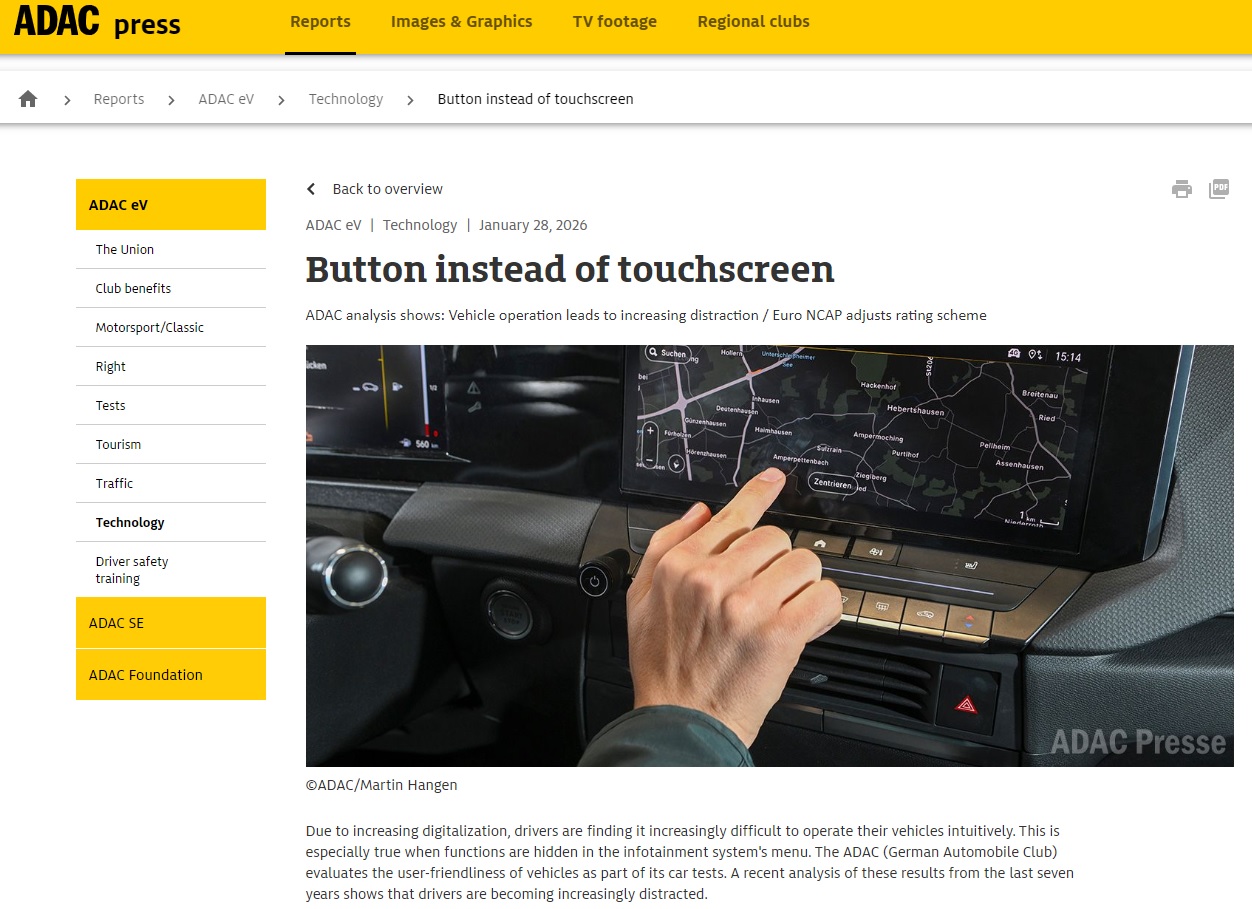
- The ADAC study on the risks of using touchscreens.
The ADAC has released an updated version of its 2019 safety study. At that time, the vehicles examined by the ADAC received a generally acceptable rating. However, in the 2025 update, the situation has reportedly worsened significantly.
According to the ADAC’s press release, new vehicles are far more distracting due to the increasingly widespread use of touchscreens. These control nearly every aspect of the car: from climate control and music to connections with personal mobile phones. In 2019, the use of these panels was already widespread, though to a lesser extent than today.
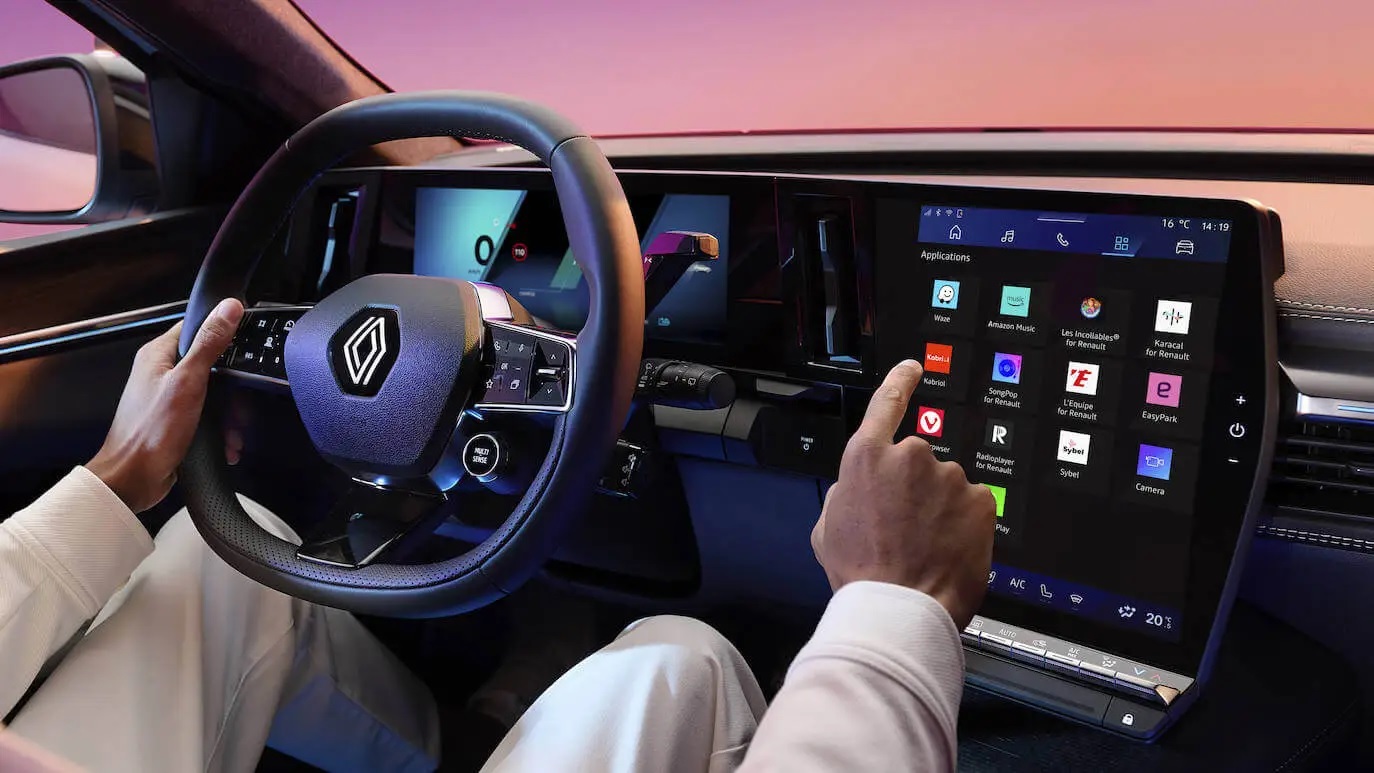
Newly released cars rely primarily on software and center all their operations on touchscreens that are not very intuitive and, in many cases, lack haptic feedback. The study shows that the time required to perform any operation increases significantly in cars with screens instead of physical buttons.
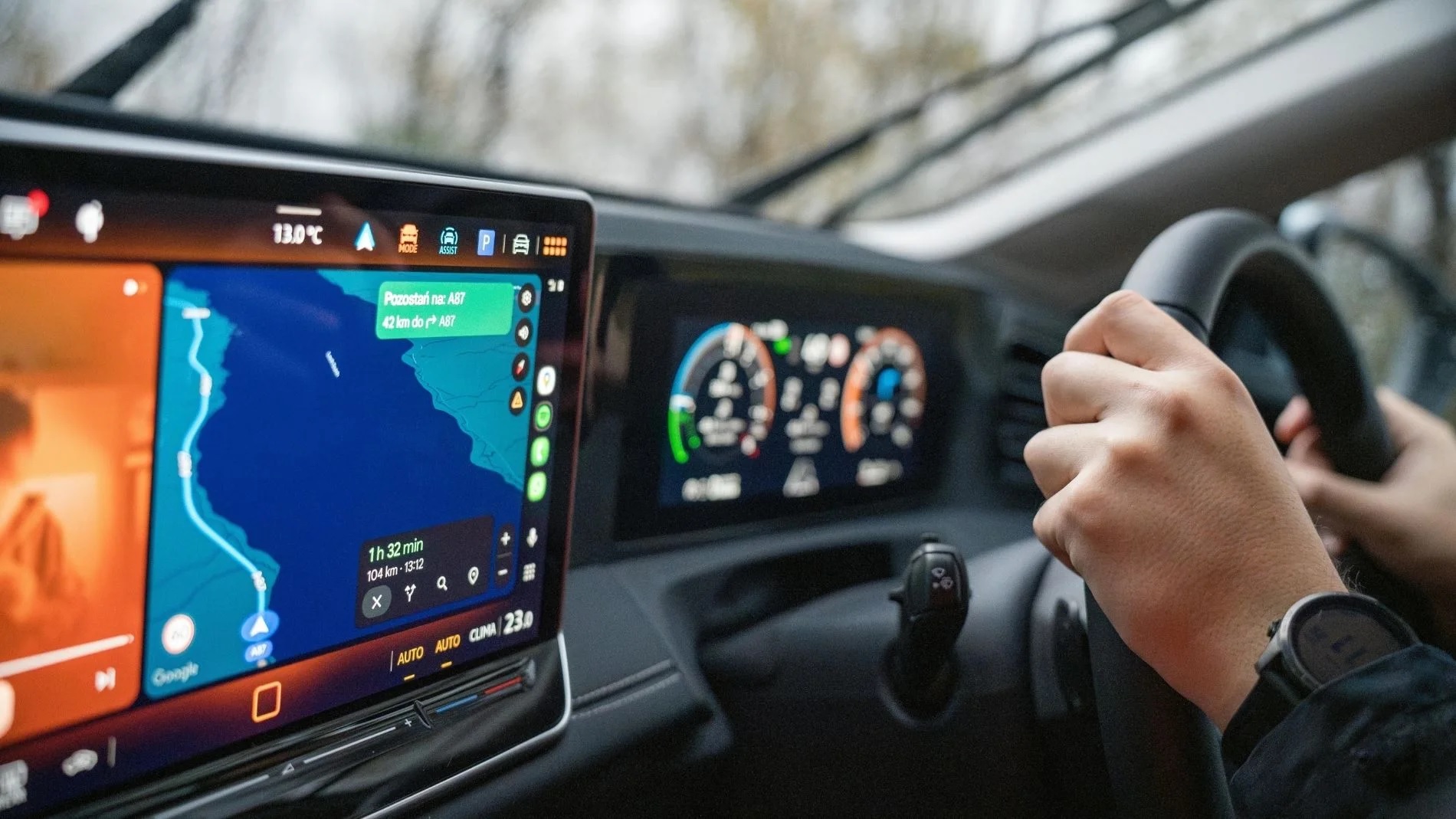
When adjusting any setting, the driver must avoid tapping the wrong area of the screen or reading and locating specific functions. The result is greater distraction and a higher risk of an accident.
In its report, the ADAC has responded to the data provided by the European road safety program, Euro NCAP. Its conclusion is clear: in the future, vehicles should only receive the maximum 5-star rating if they are equipped with physical shortcut buttons, as was the case with vehicles sold up until about a decade ago.
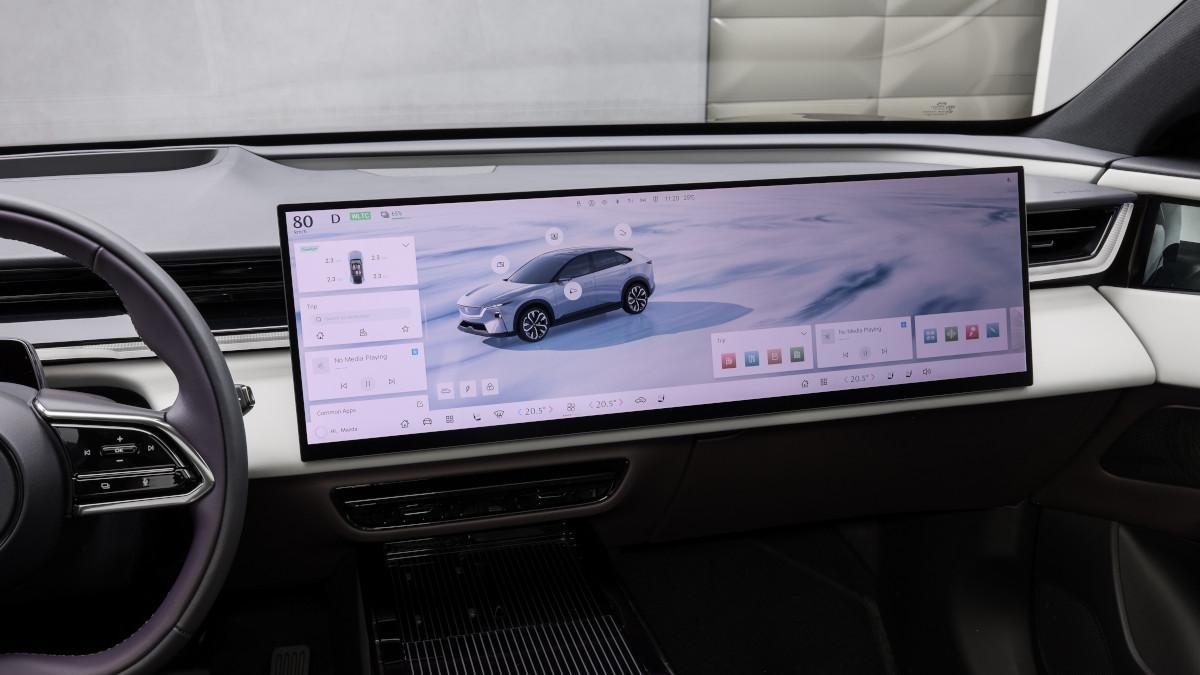
The ADAC refers to this feature as “Direct Physical Input.” It is simply a physical button for accessing key functions, such as adjusting the climate control temperature or turning up the radio volume. A touch button with haptic feedback would also be a viable option for them—that is, one that emits a slight vibration when pressed to confirm the input.
Some brands have already begun to respond to these reports. KIA recently stated that it will never abandon physical buttons, and Volkswagen, after a period of uncertainty, has also reaffirmed its commitment to these classic controls. However, BMW stands at the opposite end of the spectrum, as the new interior almost completely eliminates these dials and focuses on the central multimedia screen.
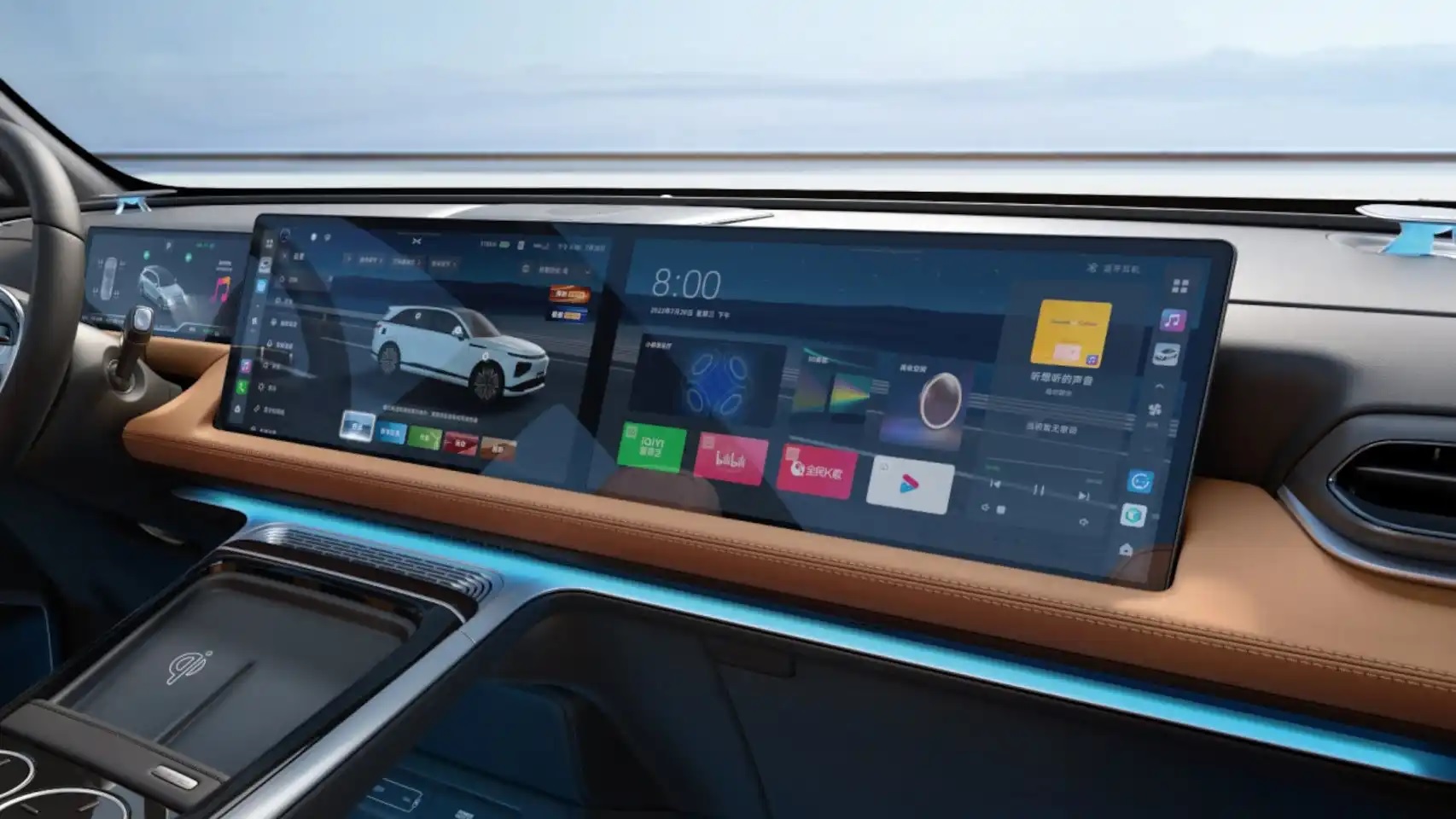
The organization, which conducts safety programs and crash tests for cars in Europe with the support of various governments, many major manufacturers, and industry-related organizations worldwide, has already drawn a line in the sand regarding fully digital car interiors and, just as is set to happen in China, will seek to mandate that cars once again incorporate physical buttons for certain safety systems starting in 2026.
The goal is to pressure manufacturers to stop hiding basic controls within digital menus, as some—such as the American company Tesla—have already done.
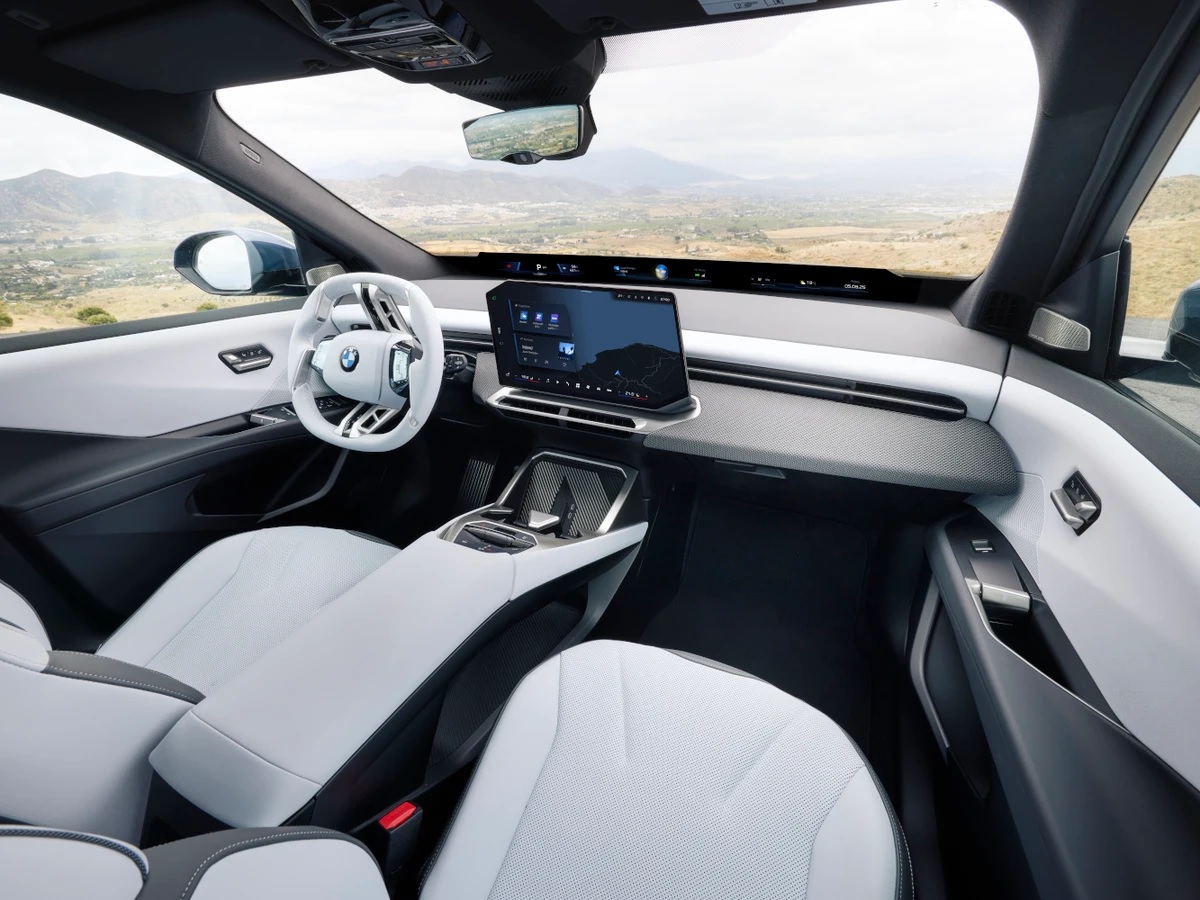
Euro NCAP has confirmed that it will require turn signals, windshield wipers, hazard lights, the horn, and the car’s SOS functions to be operated via physical controls rather than touch-sensitive surfaces in order to achieve the highest safety score in car tests. If they do not comply, starting in 2026, one star will be automatically deducted from the final safety rating.
Euro NCAP aims for all brands selling cars in Europe to comply with this requirement and, to facilitate this, will grant a three-year grace period to revise interior designs if they wish to maintain top safety ratings. The goal is to eliminate hidden menus and swipe gestures.
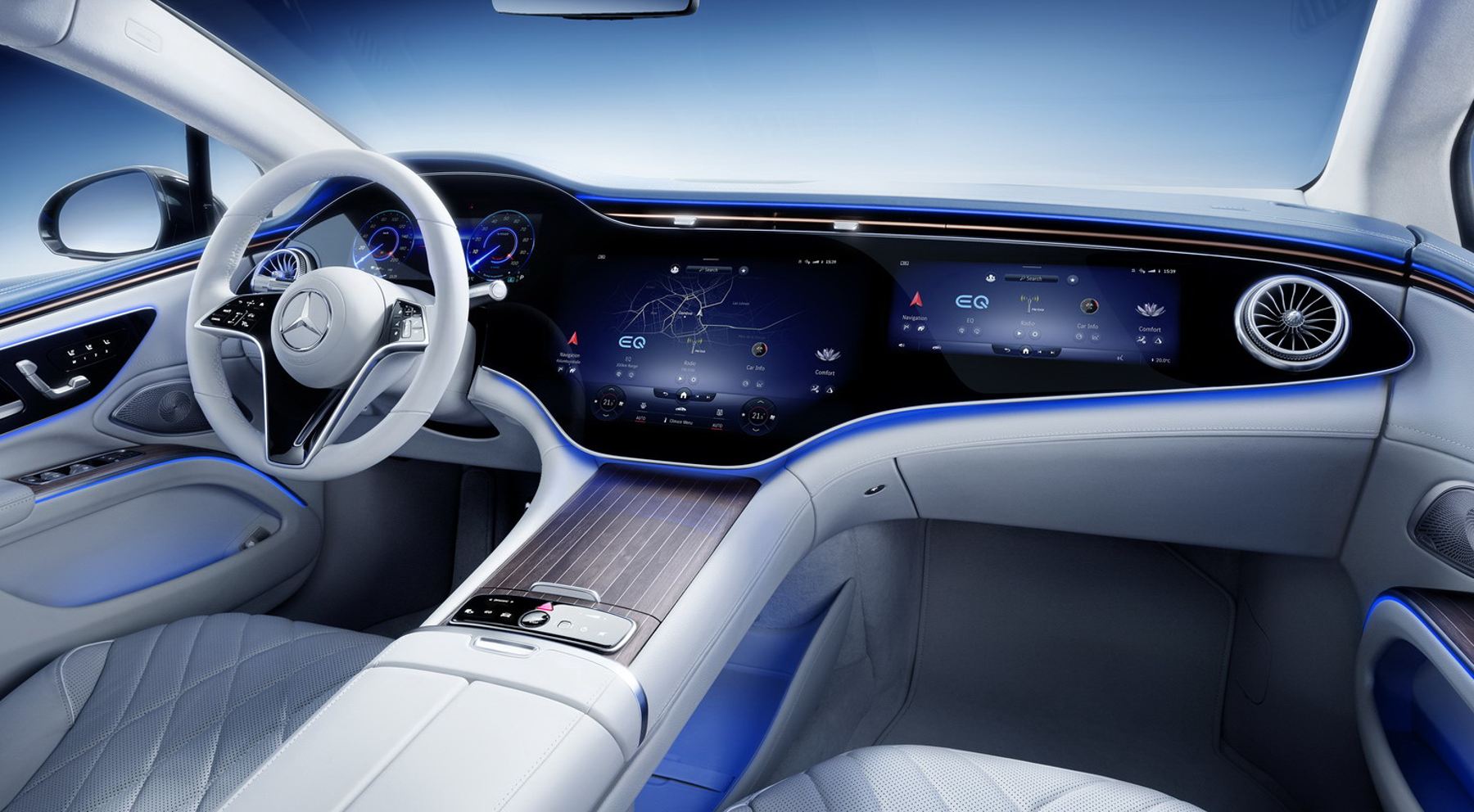
Euro NCAP aims to make physical controls for key functions a legal requirement, and European Union officials are already moving in the same direction.
A new proposal from China, already confirmed by an initial draft published by the country’s Ministry of Industry and Information Technology, also seeks to establish by law a minimum number of physical buttons and switches inside vehicles.
The world’s largest automotive market is therefore backing this same regulation and pushing for legislation to ensure that, at a minimum, turn signals, emergency calls, warning lights, gear selection, and windows use buttons and switches measuring at least 1 centimeter by 1 centimeter so they can always be pressed without having to navigate through menus.
- Implications for fleet management.
The main consequence is that drivers become distracted while using the touchscreen, increasing the risk of accidents.
This problem is amplified in electric vehicles because most have touchscreens and are phasing out physical buttons.
The following measures are recommended.
- Vehicle procurement.
Vehicles with physical buttons and as few touchscreens as possible should be procured.
Keep in mind that touchscreens will not disappear from new vehicles; there will simply be fewer of them or they will have fewer functions.
The following controls must be physical, as recommended by Euro NCAP: turn signals, windshield wipers, hazard lights, the horn, SOS functions, warning lights, gear selection, and window controls.
- Using the touchscreens.
Before using the vehicle, the driver or user must be familiar with how to use the touchscreen, the menus, and submenus, as well as how to activate the climate control, emergency lights, etc. This will help prevent serious distractions while driving, thereby reducing the risk of accidents.
It is recommended that the driver practice using the touchscreen, menus, etc., while the vehicle is stationary.
If this is not possible, it is best to watch a video or have a PDF or printed manual available.
It is recommended to keep a printed sheet in the vehicle explaining how to activate the vehicle’s main features, so that it can be consulted by the driver or user.
Slide 3. Thank you for your time.
The class has developed the safety issue of touchscreens, their consequences, and the implications for fleet management, see you soon.