
Download the audio
- Introduction.
The class develops the symptoms and issues associated with a faulty camshaft sensor.
- Symptoms and issues associated with a faulty camshaft sensor.
Like most drivers, you may not know how to detect a faulty camshaft sensor in your car. And that’s normal, since this is a problem that may seem technical or difficult to identify, but it directly affects the vehicle’s ignition and fuel injection systems.
A lack of mechanical knowledge can lead us to misinterpret certain signs of malfunction. That’s why it’s important to know at least the basics about this component, since ignoring a camshaft sensor failure can cause significant mechanical and financial damage.
- What is it and what does it do?.
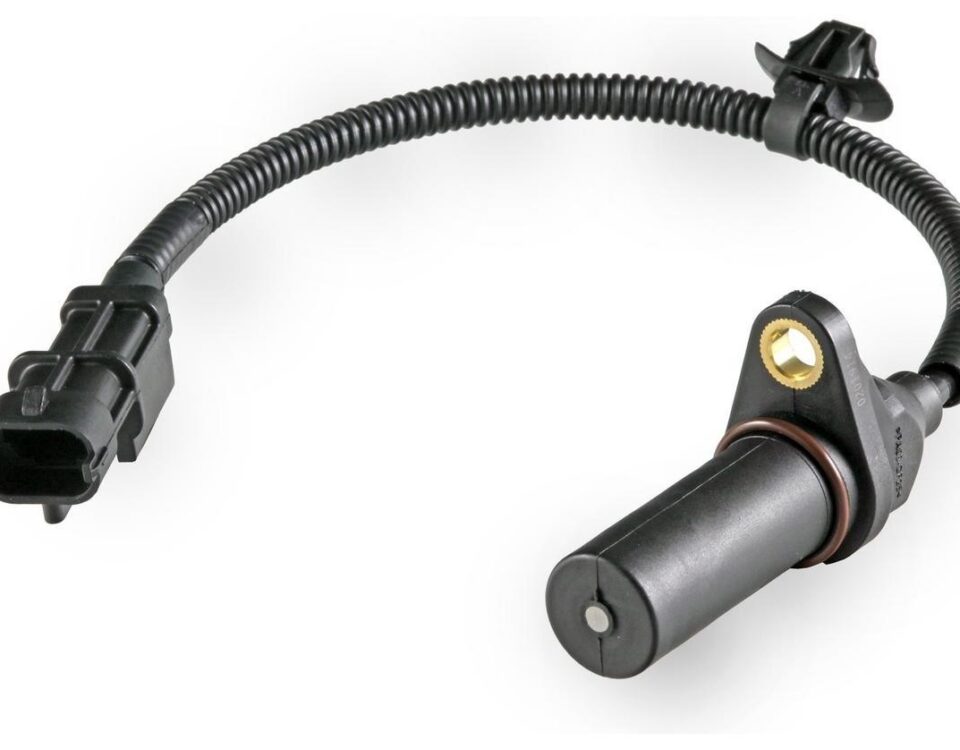
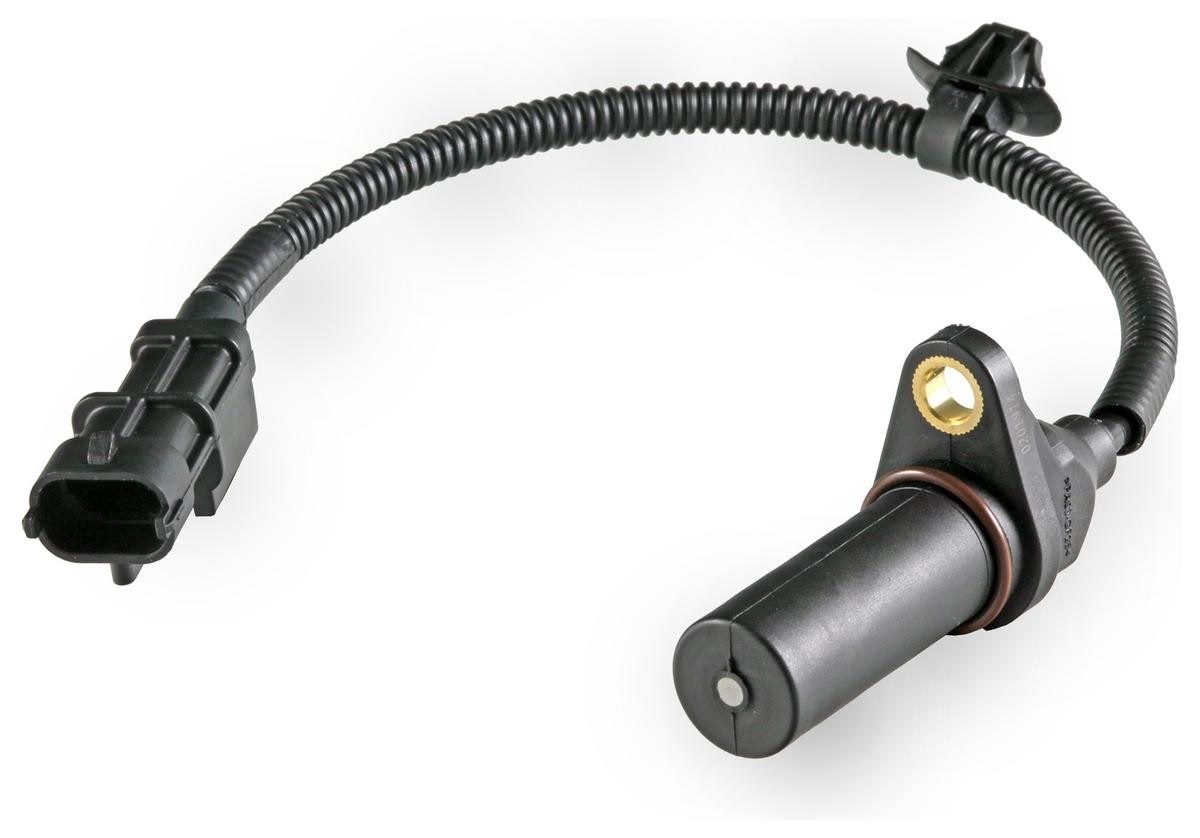
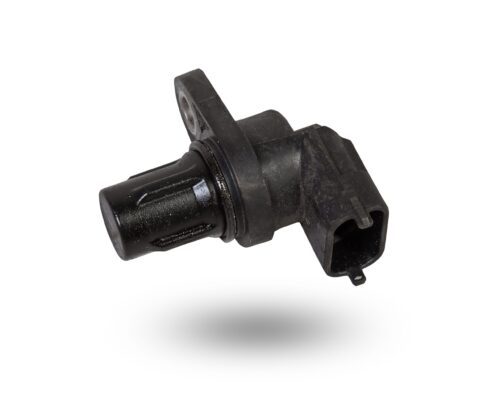
The camshaft is the component that opens and closes the engine valves, regulating the flow of the air-fuel mixture and the exhaust gas outlet. In modern cars, the camshaft sensor plays a key role: detecting the exact position of the first cylinder at top dead center.
This information is sent to the engine control unit, which adjusts both the ignition timing and the fuel mixture. If the signal transmitted by the sensor is inaccurate, engine performance is affected, which can even make starting the engine difficult.
- Where is the camshaft sensor located?.
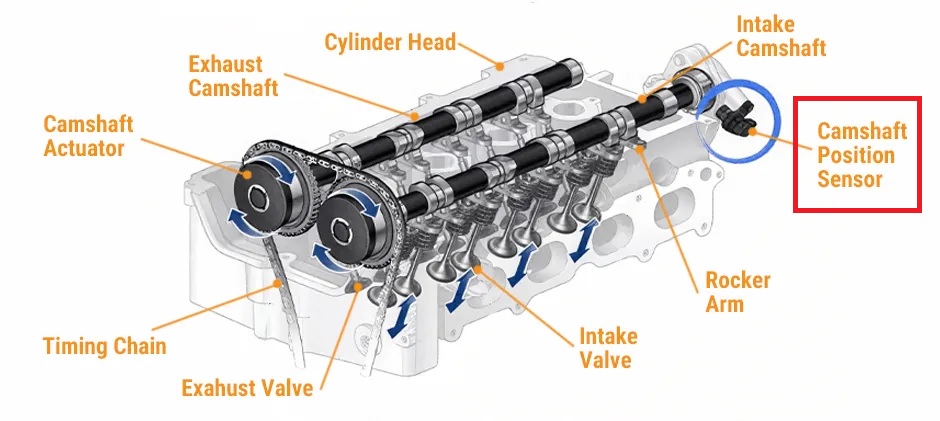
It is located at the top of the direct injection engine in both diesel and gasoline engines and on one side next to the cylinder head. It is usually on the left, although depending on the engine, it may also be on the right.
The sensor, which is magnetic, aligns with one of the camshaft gear teeth, which protrudes slightly more than the others. In this way, the sensor detects every time that tooth passes its reference point. This information is sent to the vehicle’s control unit, which determines the amount of fuel-air mixture to be delivered to the cylinder based on the piston’s position.
- Common symptoms of a camshaft sensor malfunction.
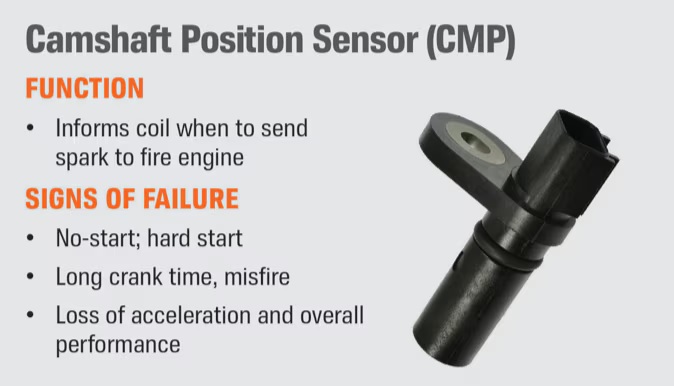
A malfunction in this sensor can manifest in several ways. These are the most common signs:
- The car won't start.
If the sensor is not working properly and does not synchronize with the crankshaft sensor, the engine will not start. This is a safety system designed to prevent damage to critical engine components.
- Jerking or loss of power.
A faulty sensor can send incorrect data to the engine control unit, causing jerking, loss of engine power, and even stalling, especially when driving at low RPMs.
- Check Engine Light On.
The Check Engine Light on the instrument panel can be a clue. If it comes on along with other symptoms, the camshaft sensor is likely the culprit.
- Unstable Idling.
An idle speed that fluctuates for no apparent reason usually indicates that the sensor is dirty or damaged and is sending inaccurate information to the ECU.
- Increased fuel consumption.
An incorrect air-fuel ratio, caused by a faulty sensor, can significantly increase fuel consumption, affecting both the vehicle’s efficiency and the driver’s wallet.
- An annoying noise may occur when driving at low RPMs.
- The engine may stall while you are driving.
-
- What can cause the sensor to fail?.
A camshaft sensor failure can be caused by several factors. The most common are:
- Metal debris in the system.
Wear on the timing system components generates small metal shavings that can interfere with the sensor and prevent a correct position reading.
- Wear from use or dirt buildup.
Over time, the sensor can accumulate debris or deteriorate. This reduces the distance between the sensor and the pinion, causing friction and reading errors. Before replacing it, it’s a good idea to perform a visual inspection. If nothing is detected with the naked eye, the best approach is to use a diagnostic tool connected to the vehicle’s OBD port.
-
- Is it easy to replace?.
Yes, provided you have basic mechanical knowledge. The sensor is secured to the cylinder head with a screw and connected to the control unit. To access it, you must remove the accessory belt and take off the timing cover, taking care to remember the original position. By following the correct steps and using the right tools, the replacement can be completed in about an hour.
-
- How much does the repair cost?.
The cost of the sensor varies depending on the vehicle model and manufacturer, ranging from 40 euros to 150 euros. On top of this, you’ll need to add the cost of labor if you take the vehicle to a repair shop, which can increase the price depending on how difficult it is to access the component. In any case, the sooner you take action, the fewer consequences there will be.
A malfunction in the camshaft sensor can cause serious engine failure if not addressed in time. Therefore, if you notice any of the symptoms mentioned, it is best to check the sensor, clean it if necessary, and, if the problem persists, consult a professional for a complete diagnosis. Timely intervention can prevent further damage and higher costs.
-
- Thank you for your time.
The class has developed the symptoms and issues associated with a camshaft sensor failure, see you soon.