European manufacturers have their electric trucks ready
Leading European truck manufacturers affirm their capacity to electrify heavy-duty transport but point out that Europe lacks the necessary infrastructure to do so. Top executives from DAF Trucks, Daimler Truck, Ford Otosan, Iveco, MAN, Scania, and Volvo have issued a joint warning: zero-emission trucks are already available for purchase and the range of options continues to grow; however, the conditions required for transport companies to adopt them on a large scale are progressing at a much slower pace.
The industry's conclusion is stark. Charging infrastructure, grid connections, and the economic conditions needed to deploy these vehicles are lagging at least three years behind the original schedule. As previously noted, the available data highlights the scale of the current problem. There are currently fewer than 2,000 public chargers suitable for trucks across Europe—an insufficient number to meet demand. To maintain the necessary growth rate, at least 700 new charging points need to be installed every month.
Over 60 electric truck models.
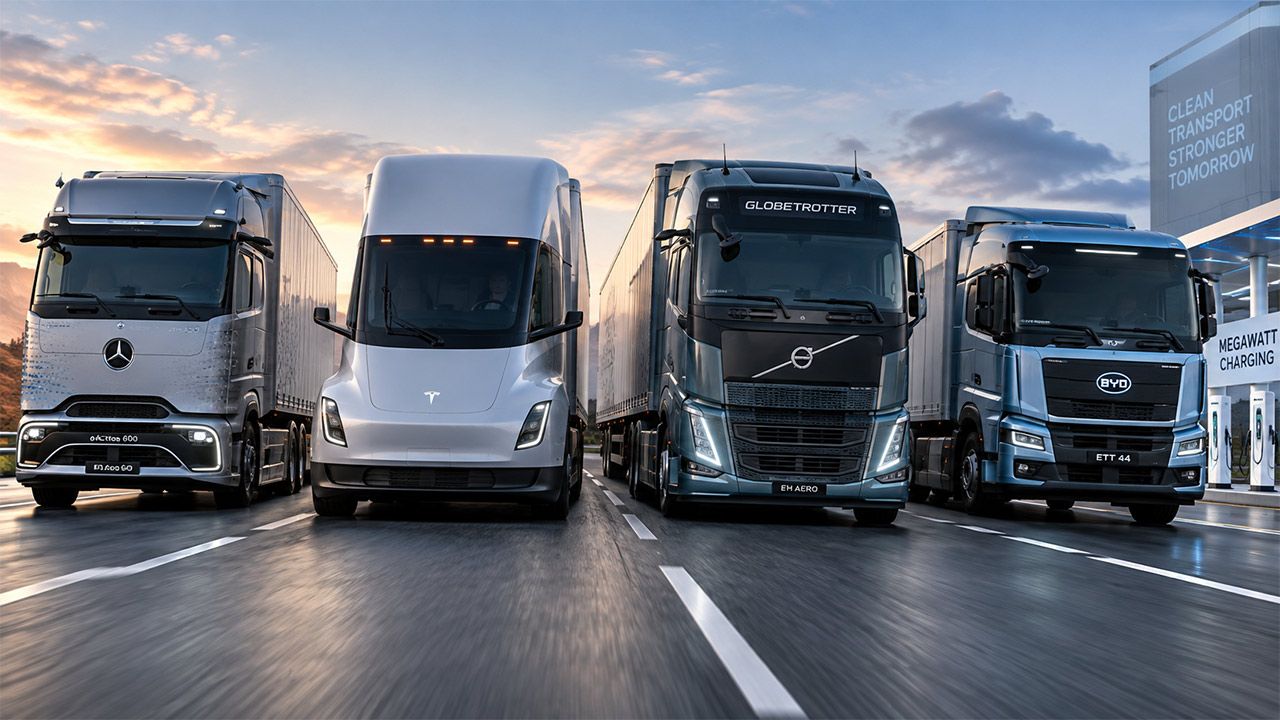
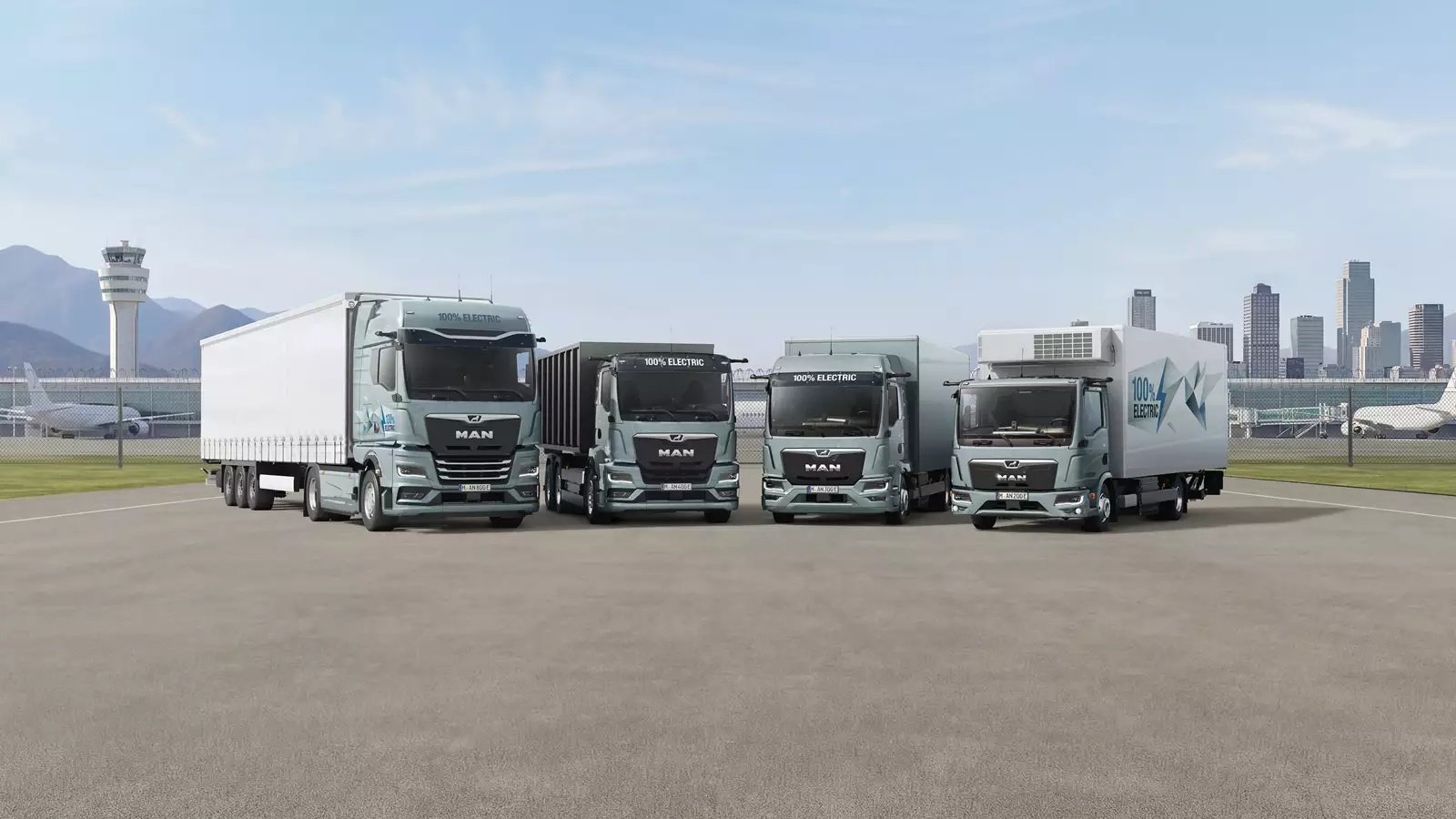
Manufacturers argue that vehicle technology is no longer the primary obstacle. More than 60 different zero-emission truck models are already on the European market, capable of handling a wide range of applications, including urban delivery, regional transport, and certain long-haul operations. In addition to these, there are currently over 25 zero-emission bus models available.
To illustrate the industry's current state, it is worth noting that major players such as Daimler Truck, Volvo, Renault Trucks, MAN, Scania, Iveco, and DAF already offer heavy-duty electric vehicles and continue to expand their respective lineups. The challenge arises when a transport company seeks to integrate these trucks into its daily operations—particularly on long-haul routes, where energy requirements far exceed those of an electric passenger car.
Heavy-duty trucks require high-power chargers and strategically located sites along major logistics routes and corridors. Furthermore, it is essential to have such infrastructure at company depots and to possess electrical connections capable of handling exceptionally high power loads. Indeed, manufacturers believe that Europe is losing competitiveness in this regard.
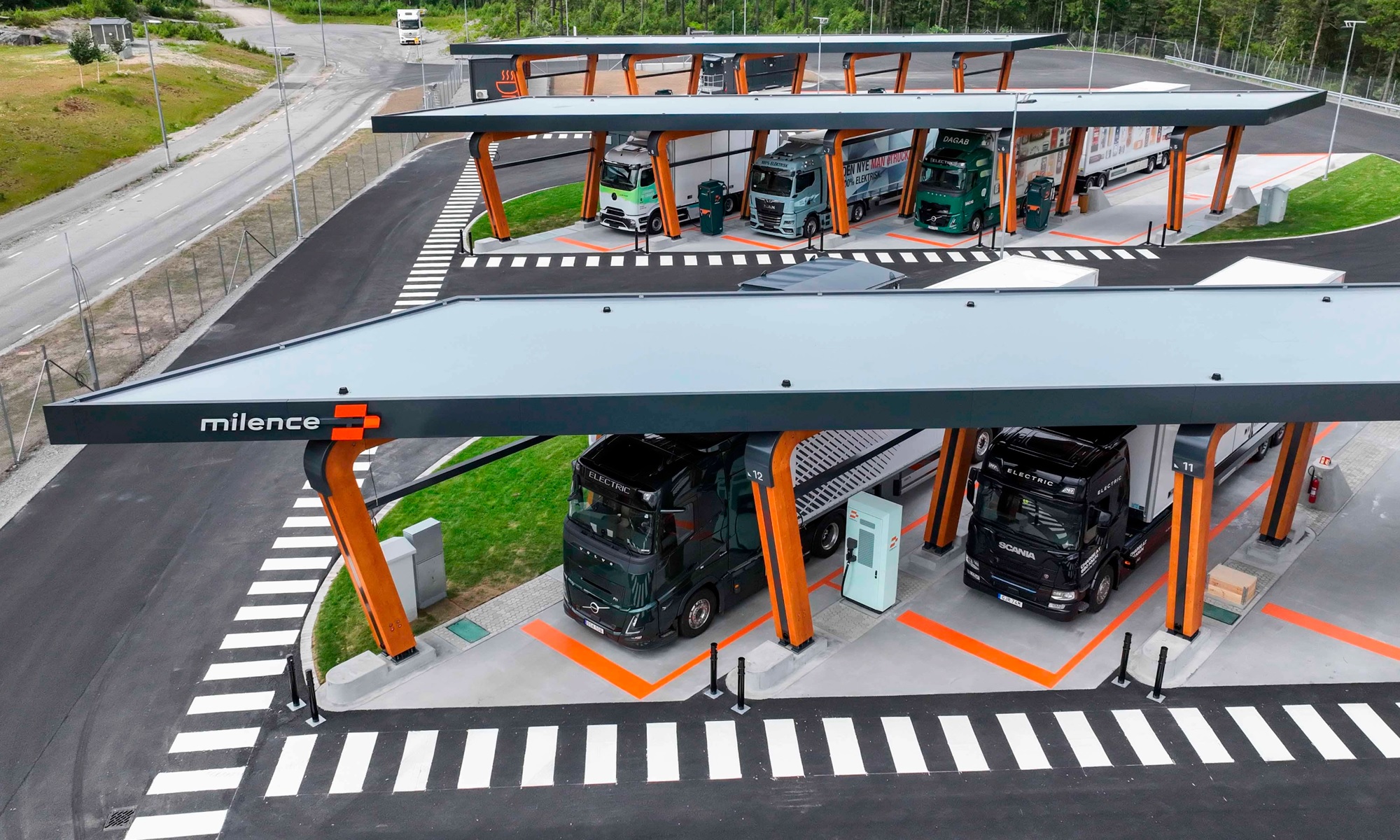
Fewer than 2,000 truck chargers across Europe.
Europe currently has fewer than 2,000 public chargers specifically designed for heavy-duty vehicles—an insufficient number to meet the transport demand expected in the coming years. According to industry estimates, it is imperative to add at least 700 new truck chargers per month to keep pace with projected market growth.
However, physically installing a charger is only part of the challenge. Large-scale charging stations for electric trucks require grid connections capable of supplying high levels of power. Manufacturers note that securing such connections can take several years at certain locations.
This means a company might invest in infrastructure, an operator might want to build a station, and electric trucks might even be available for use, yet the local electrical capacity may still be insufficient to power them. For manufacturers, the gap between the pace of vehicle development and the speed of infrastructure rollout is a major obstacle to increasing sales.
Only 2.4% of new trucks are zero-emission.
This lag is already evident in registration figures. Currently, only 2.4% of new heavy-duty trucks sold in Europe are zero-emission vehicles—a very small share compared to the targets set for the end of this decade.
It is also worth noting significant disparities between countries. In Germany, zero-emission freight vehicles account for approximately 4.3% of registrations. In France, the figure is around 2.4%. In major road transport markets such as Spain, Italy, and Poland, the figure remains below 1%.
The issue is that European emissions targets are being met according to the established schedule. Regulations mandate a progressive reduction in average CO2 emissions from new heavy-duty vehicles and set a significant milestone for 2030. This target can only be met through a substantial increase in sales of electric trucks and other zero-emission vehicles.
According to industry estimates, approximately one in three new trucks is expected to be zero-emission by 2030 to stay on the projected trajectory. Compared to the current 2.4%, it is clear that a significant shift is required in the coming years.
Buying an electric truck must be cost-effective.
Manufacturers of commercial vehicles emphasize that heavy-duty transport operates on a logic very different from that of private passenger cars. A company acquires a truck to generate profit; therefore, the deciding factor is not merely the purchase price, but the total cost of ownership over the vehicle's lifespan.
This calculation takes into account the vehicle price, electricity consumption, maintenance, financing, tolls, taxes, and the distance each unit can travel. Generally, an electric truck has a higher acquisition cost than a diesel one. However, this difference can be partially offset by lower energy and maintenance expenses.
The challenge lies in the fact that this economic advantage is closely tied to electricity prices, available incentives, and the specific tax and regulatory conditions of each country. For this reason, manufacturers are calling for measures that foster the economic competitiveness of electric vehicles compared to diesel ones.
Key outstanding measures include CO2-linked tolls, subsidies for infrastructure deployment, the streamlining of grid connections, and specific regulatory adjustments to compensate for factors such as the extra weight of batteries.
Manufacturers call for a three-year delay to the 2030 timeline.
This warning will have direct implications for European regulations. The seven leading manufacturers have expressed concern over delays in meeting the conditions necessary for the electrification of heavy-duty transport—a process already running at least three years behind schedule. Consequently, they have requested a postponement of the 2030 compliance timeline, seeking a delay of an equivalent duration. Karin Rådström, CEO of Daimler Truck, has offered an overview of the sector's current situation, highlighting that industrial investments have already been made and that the supply of zero-emission vehicles is growing. However, she noted that the ecosystem required for these vehicles to compete on a level playing field "is clearly lagging behind."
Meeting targets is a matter of critical importance. Manufacturers face significant fines if they exceed the emission limits set by the European Union. According to calculations by the European Automobile Manufacturers' Association (ACEA), exceeding the target by just three percentage points could result in penalties amounting to €2.2 billion.
The industry has decided to shift the debate beyond the truck itself to encompass all the elements necessary for its operation. Europe has the authority to set stricter emission targets, and vehicle manufacturers have the capacity to develop electric models that meet them. However, if transport companies lack adequate charging facilities, face significant delays in securing grid connections, or cannot make these vehicles profitable compared to diesel models, the mere availability of trucks on the market will not be enough to achieve the electrification of heavy transport.