
The new reliance on electric vehicle minerals
China is demonstrating that the gradual transition away from fossil fuels does not necessarily entail a reduction in dependence on foreign raw materials; it simply shifts which ones are required. As the country's economy becomes increasingly reliant on electricity and electric vehicles gain ground against internal combustion models, the ships arriving at its ports are carrying proportionally less oil and growing quantities of minerals and metals.
Data from the first eight months of 2026 clearly illustrate this transformation. China’s imports of base and minor metals rose by 11% year-on-year, reaching a volume of 250 million tonnes—a new record for the sector.
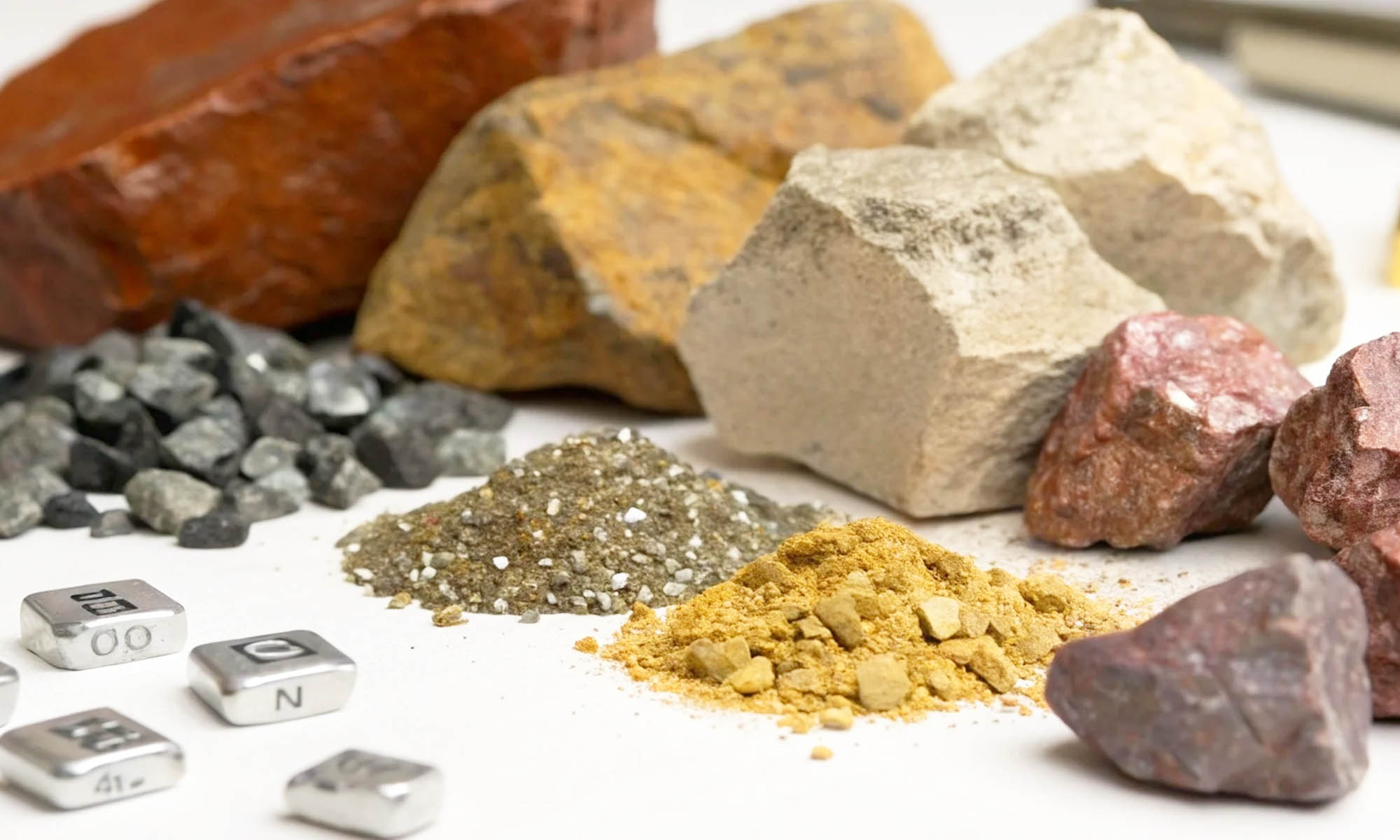
As the report highlights, bauxite (used for aluminum production), along with nickel, chromium, lithium, and manganese, all saw individual growth rates exceeding 10%.
This trend is no coincidence. These materials are closely linked to the industries China is most actively promoting, such as electric vehicle production, battery manufacturing, energy storage, power grids, solar panels, wind turbines, and industrial machinery.
Less oil, but far more tonnes of minerals.
The picture is almost the reverse when it comes to oil. Between January and August, Chinese imports of crude oil and condensates fell by approximately 17% compared to the same period in 2025, while purchases of refined products dropped by 18%.
This decline is partly attributed to supply fluctuations from the Middle East. However, the electrification of transport is beginning to reduce reliance on fossil fuels like gasoline and diesel.
It cannot be concluded that China is abandoning the use of fossil fuels. Coal remains the primary source of electricity in the region, and many new factories, data centers, and electric vehicles are indirectly powered by a grid that still relies heavily on this energy source. Consequently, the transition is not merely a matter of swapping one raw material for another.
The People's Republic of China is implementing a new electrified economy that is underpinned by extensive traditional energy infrastructure.
Iron hits record highs.
This phenomenon extends beyond the realm of batteries. Between January and August of this year, imports of iron ore and other ferrous materials rose by approximately 5%, reaching a record volume of nearly 870 million tonnes.
While this may seem unusual for a country facing challenges in its real estate sector, a significant portion of that steel is currently being used to build factories, transport infrastructure, power lines, and renewable energy projects.
Copper also serves as a prime example of the complexity inherent in this transition. The People's Republic of China has seen an approximately 11% drop in refined copper imports. This decline is primarily attributed to increased domestic production capacity. Demand within the metal industry remains strong and significant.
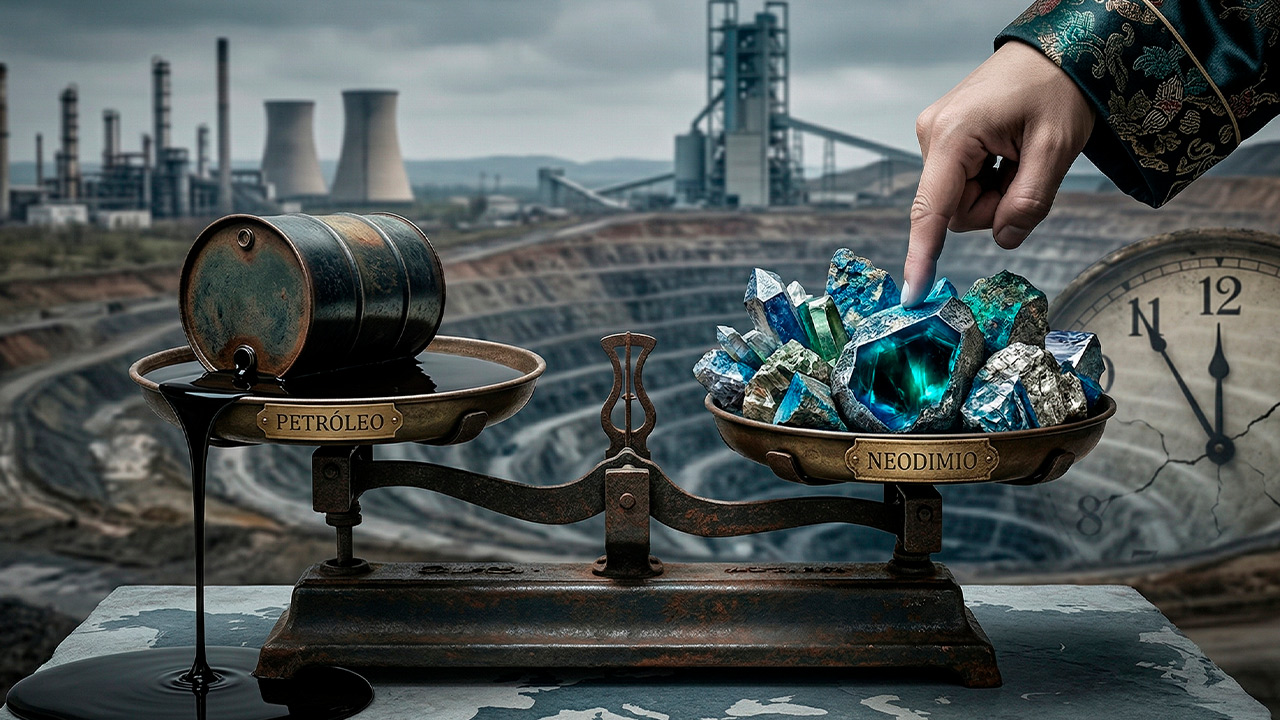
Europe may trade barrels of oil for tons of minerals.
The implications for Europe are particularly significant. For much of the 20th century, energy security hinged on a fundamental question: where does the oil come from?
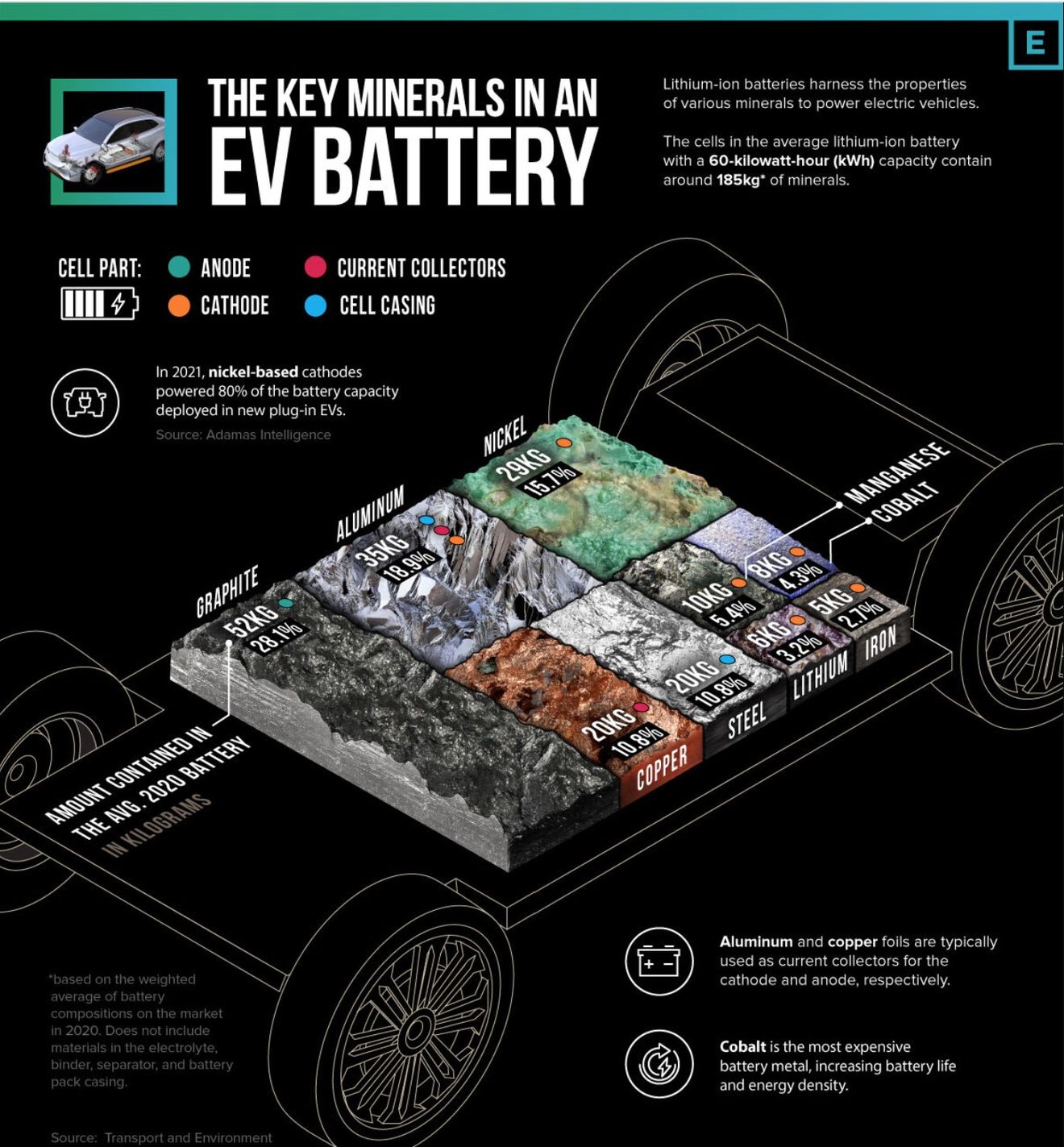
Electrification offers an alternative answer. An electric vehicle can be powered by electricity from renewable and sustainable sources—such as solar, wind, nuclear, or hydroelectric power, or a combination thereof. This reduces reliance on imported oil and bolsters energy security. However, manufacturing such a vehicle requires a range of materials—including copper, lithium, graphite, nickel, and aluminum—along with various other processed components.
External dependency does not necessarily vanish; it merely changes form. A crucial aspect demands immediate attention: determining who controls the refining, processing, and subsequent manufacturing of these materials.
In the context of the global economic transformation, China provides an early, detailed look at this massive shift. Future vehicle operation may require progressively less oil, even as large quantities of materials essential for the transition to a more electrified economy are imported.
For Europe, the conclusion is clear: achieving energy autonomy through electric vehicles will not simply be a matter of purchasing fewer barrels of oil; it will also require ensuring that the tons of minerals replacing them do not create a new form of strategic dependency.