

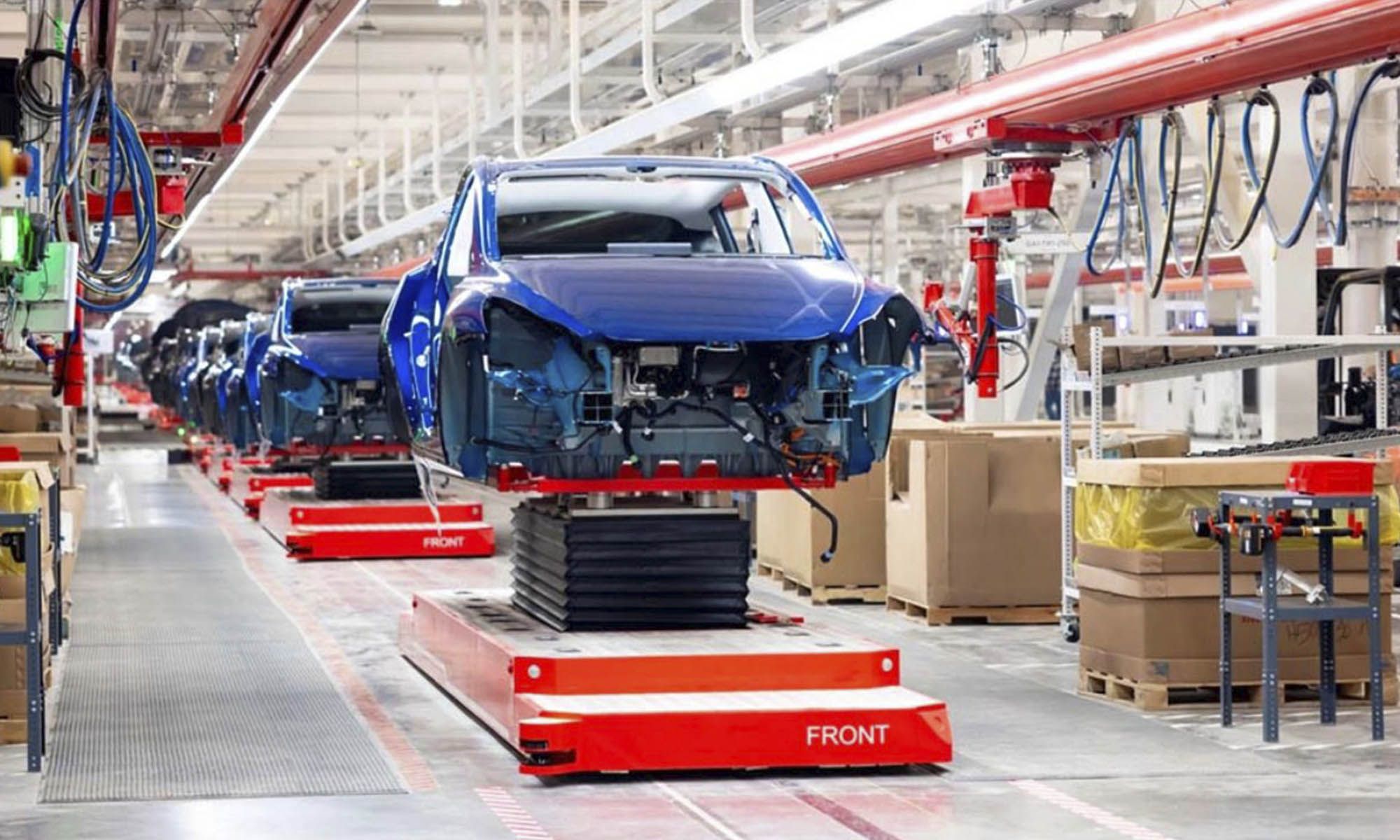
The actual pollutant emissions of electric vehicles
The method used in Europe to measure vehicle emissions has once again become a subject of debate. Research conducted by the Technical University of Munich (TUM) suggests that focusing exclusively on carbon dioxide (CO2) emitted from vehicle tailpipes overlooks a significant portion of their total climate footprint and may provide an incomplete picture of their actual impact.
The study has sparked considerable controversy; one of its most notable findings indicates that, on average, an electric vehicle emits 41% less carbon dioxide (CO2) than a combustion-engine vehicle when its entire lifecycle is taken into account. However, the data shows electric vehicles outperforming combustion models in approximately 92% of the scenarios analyzed; the authors therefore emphasize that their goal is not to call the technology itself into question, but rather to re-examine how emissions are accounted for.

TUM focuses on how Europe accounts for CO2.
To conduct their analysis, the researchers reviewed 19 studies and 47 different scenarios, factoring in emissions associated with vehicle manufacturing, energy production and usage, and end-of-life processing. As is well known, results can vary significantly depending on various factors, such as the source of the electricity or the processes used in battery manufacturing.
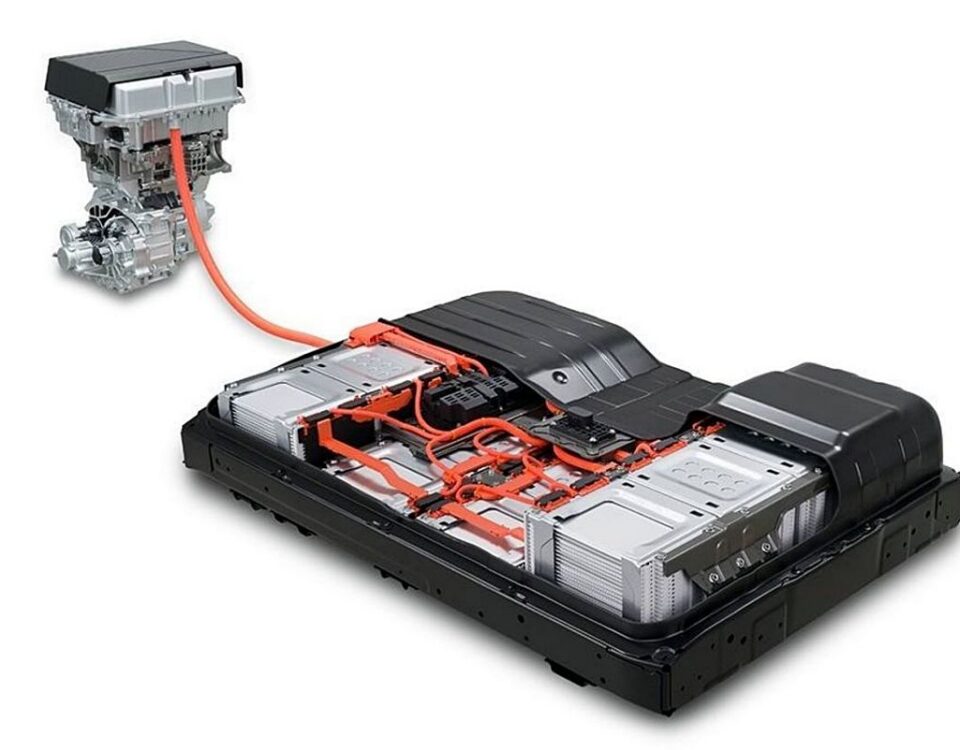
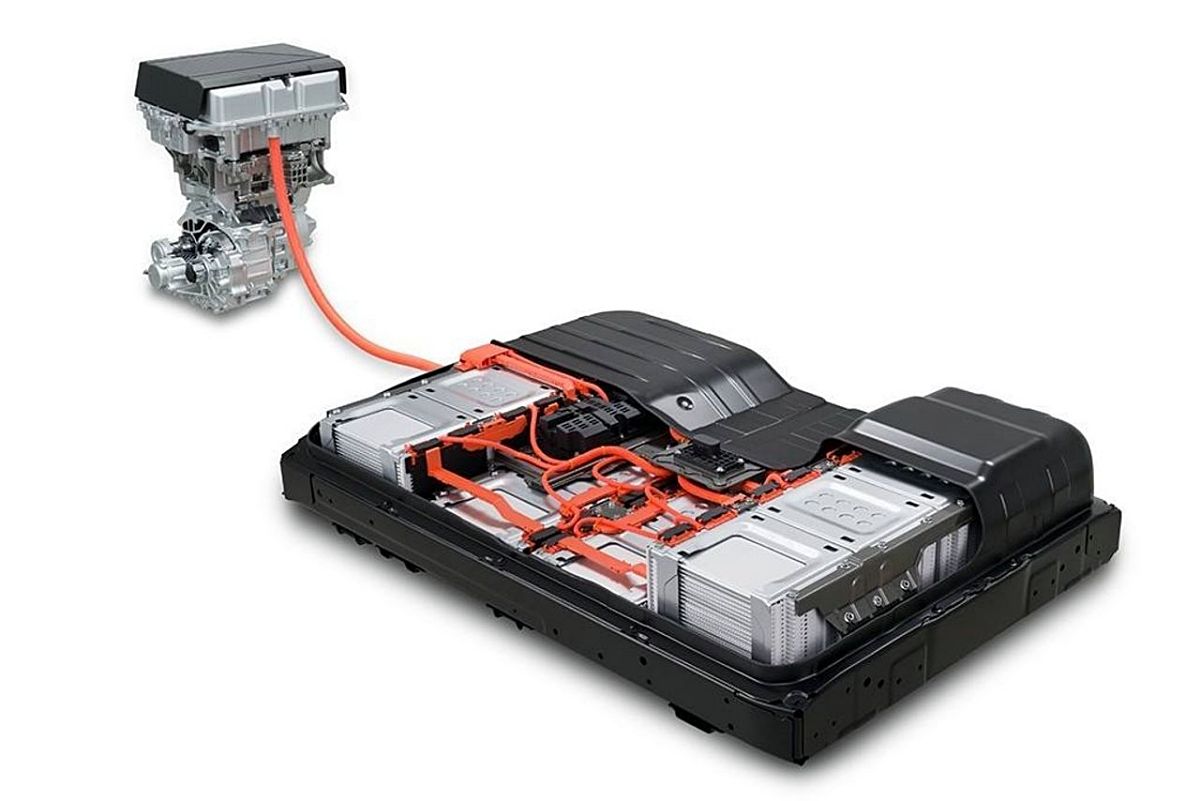
The primary criticism targets European regulations, which use direct emissions during operation as a key metric. This approach allows electric vehicles to be classified as having zero emissions in this category, while omitting factors such as battery production, the steel used in the vehicle, and a portion of emissions related to electricity supply and recycling.
Consequently, the researchers propose the gradual introduction of a lifecycle assessment that recognizes improvements made outside the powertrain system itself. Using steel produced with fewer fossil fuels, manufacturing batteries with renewable energy, or recovering raw materials more efficiently could significantly impact the targets manufacturers are required to meet.
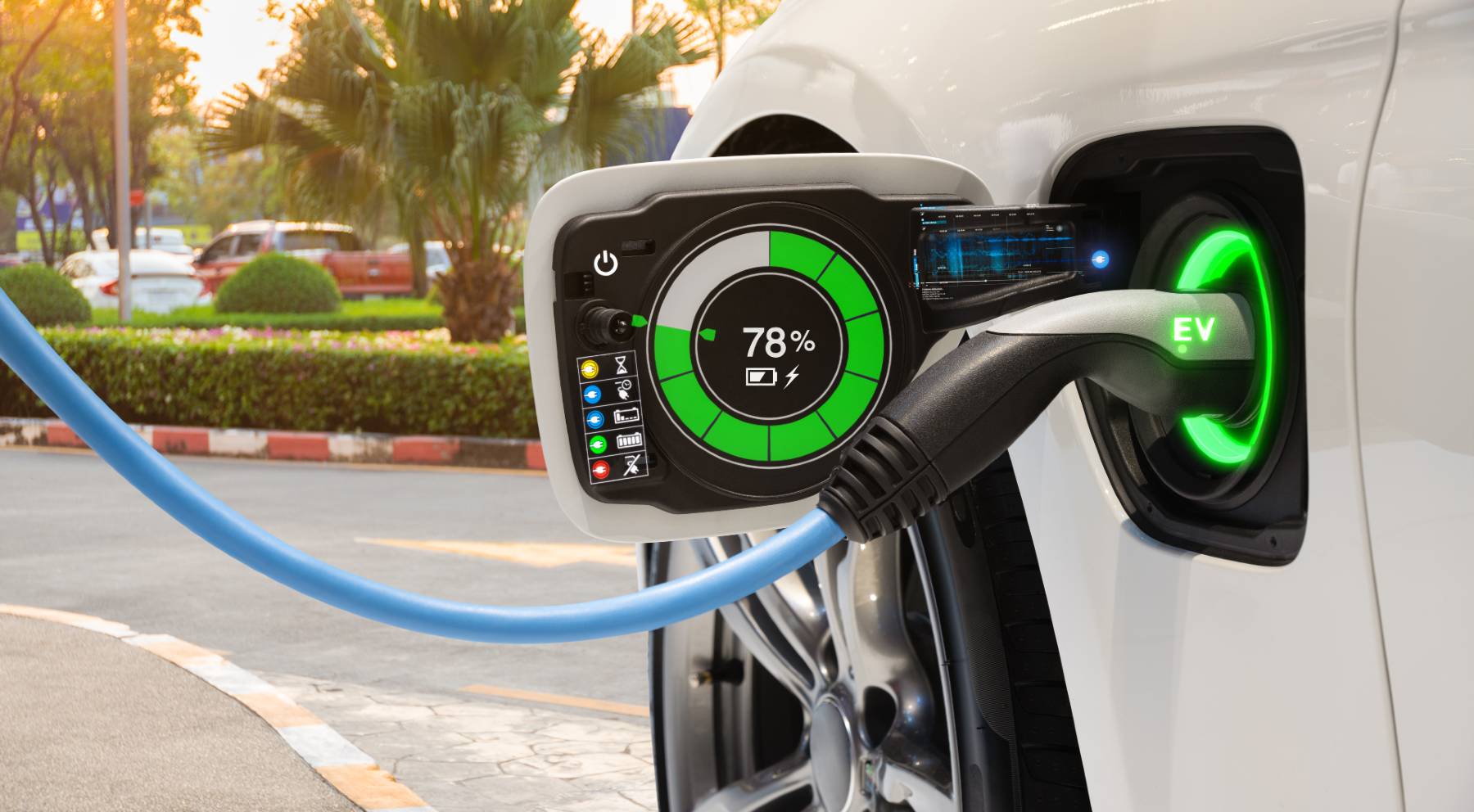
The 41% figure does not align with all available studies.
One of the most controversial aspects is precisely this average reduction of 41%. It is important to note that this figure cannot be applied uniformly, as the results of a life-cycle assessment can vary significantly depending on various assumptions—such as electricity consumption, mileage, battery production, or the future evolution of the energy system.
In contrast, it is worth noting that the International Council on Clean Transportation calculated in its latest major European analysis that an electric vehicle sold in the European Union can generate approximately 73% fewer greenhouse gas emissions over its entire lifespan than an equivalent gasoline vehicle. Although manufacturing initially generates 40% more emissions, this difference is offset after approximately 17,000 kilometers of use.
Therefore, the controversy does not alter a conclusion widely supported by available studies: electric vehicles maintain a long-term climate advantage over combustion-engine vehicles, even though their impact is not zero. The debate raised by TUM centers on whether Europe should measure all these emissions more comprehensively, precisely as Brussels revisits its automotive policy and the targets set for the coming years.