China’s New Regulations for Retired Electric Vehicle Batteries
Battery recycling has become a top priority for the Chinese automotive industry. The large number of electric and plug-in hybrid cars sold in recent years means that an increasing number of vehicles require battery replacement or permanent decommissioning; this situation has prompted the government to establish new obligations for manufacturers, repair shops, and companies specializing in the processing of these components.
The scale of the issue is reflected in forecasts by China’s Ministry of Industry and Information Technology (MIIT), which estimates that over one million tons of used batteries from new-energy vehicles will be generated by 2030. To address this surge, authorities have decided to strengthen oversight mechanisms and implement an identification system that tracks the destination of each battery, preventing them from ending up in facilities that fail to meet safety and environmental protection standards.
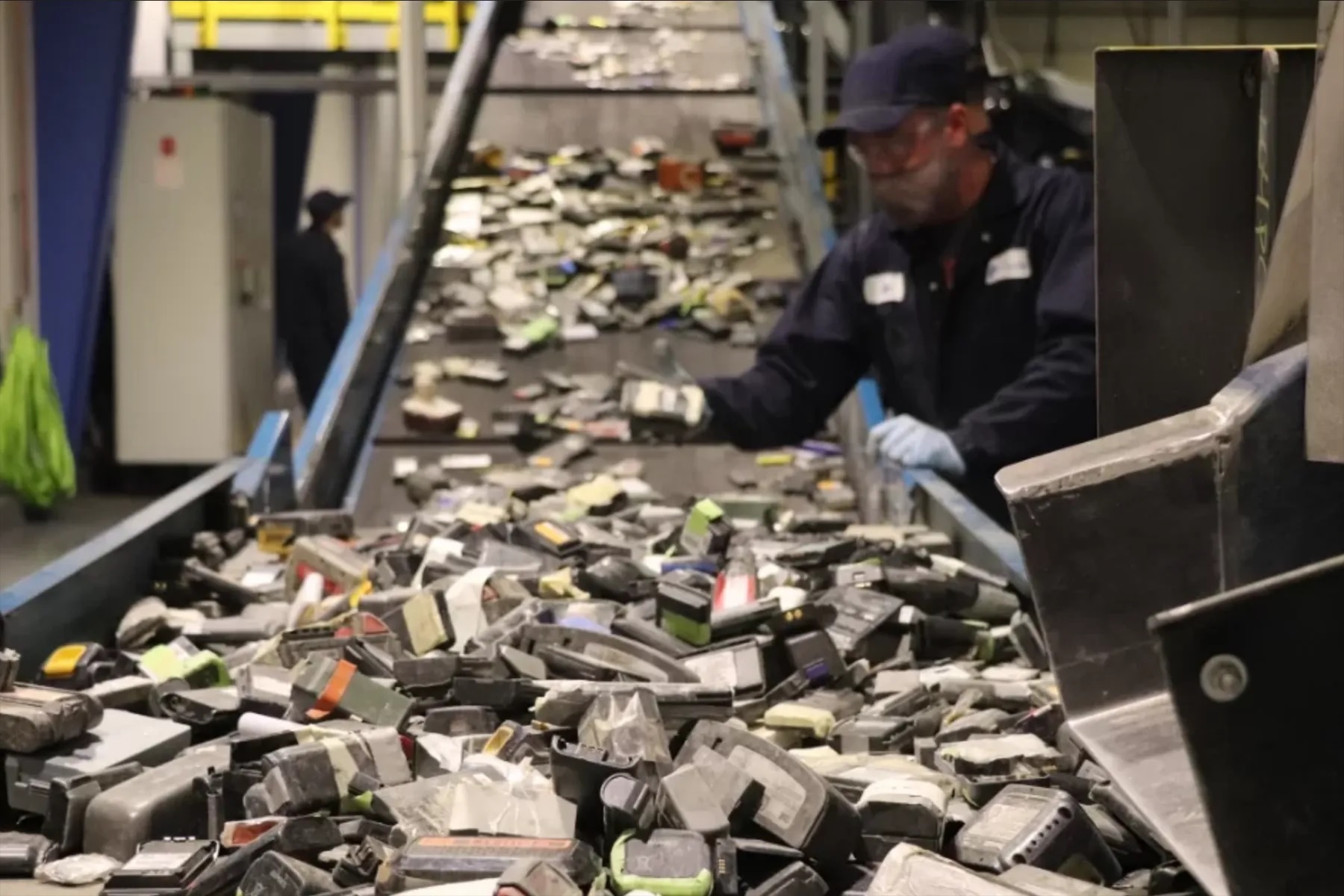
Each battery will have its own "identity document," and companies will be held accountable for its final destination.
The new Chinese regulations came into effect on April 1, 2026, introducing a digital identification system for electrified vehicle batteries. Through a national platform, authorities can access information regarding a battery's manufacture, installation, maintenance, decommissioning, and subsequent processing; each battery will have a unique record allowing its journey to be tracked throughout its entire lifecycle. The goal is to improve traceability and detect potential irregularities in battery management.
The new regulatory framework also assigns specific responsibilities to vehicle and battery manufacturers, as well as to the companies responsible for their collection and recycling. These entities must log component movements and ensure that handover occurs through authorized channels. Furthermore, authorities have stepped up enforcement against operators working outside the regulatory system, as such activities can lead to pollution, fires, and the loss of materials that could otherwise be recovered to manufacture new batteries. The need to expand these controls stems from the growth of the Chinese market, where nearly 16.5 million new energy vehicles were sold in 2025—a 28.2% increase over the previous year.
That same year, specialized facilities processed over 400,000 tons of spent batteries, representing a year-on-year increase of 32.9%, according to official MIIT data. These figures reflect the strain the recycling system will face as the number of vehicles sold over the last decade reaching the end of their service life increases.
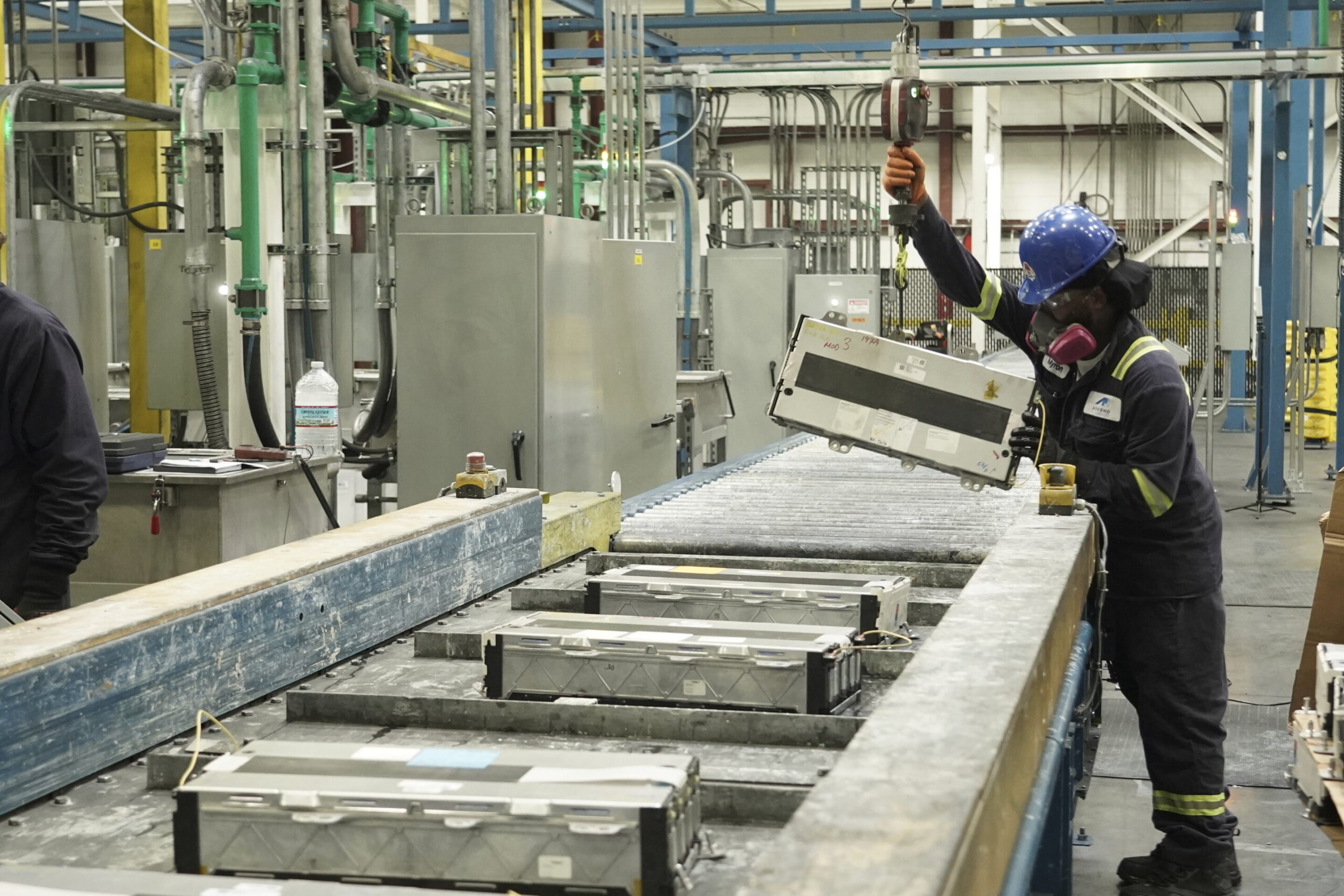
China aims to recover materials from spent batteries to manufacture new ones.
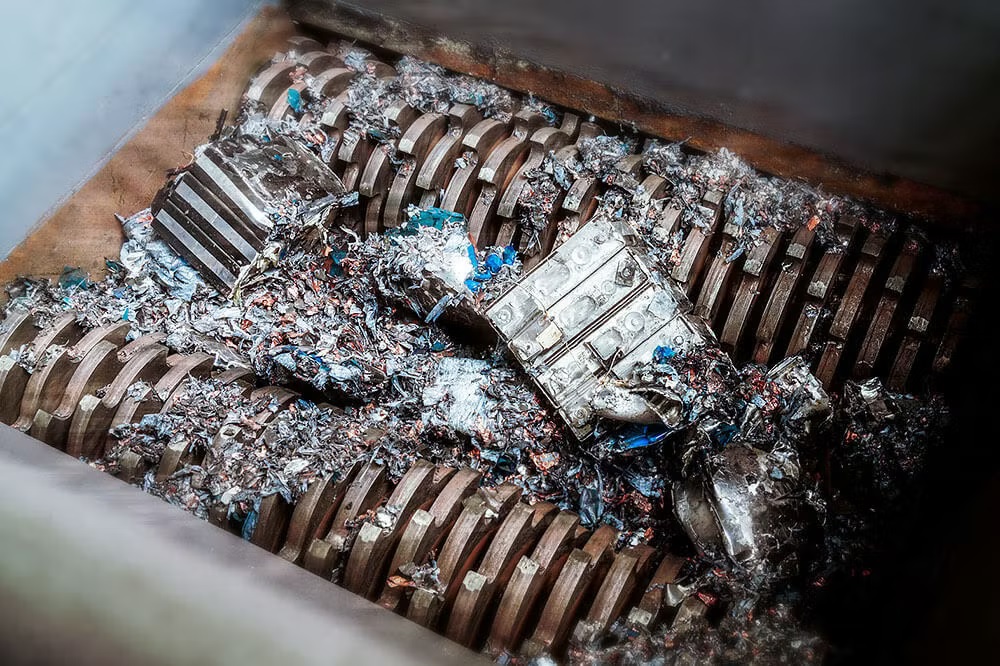
A key objective of this strategy is to harness the resources contained in batteries once they are no longer used in automobiles. These batteries may contain lithium, nickel, cobalt, manganese, copper, and aluminum—materials that can be recovered through various industrial processes and reintroduced into the production chain. Recycling thus helps reduce reliance on the extraction of new raw materials, although the recoverable quantity and the required treatment depend on each battery's composition and condition.
However, not all retired units need to undergo immediate recycling. Some may retain sufficient capacity for use in stationary energy storage systems, where performance requirements differ from those of automobiles. These systems allow electricity to be stored for later use in buildings, industrial facilities, or renewable energy generation setups, provided the batteries pass the necessary technical and safety checks.
The rising number of retired batteries will also compel China to expand its processing infrastructure and improve the efficiency of material recovery processes. The MIIT has identified the automation of disassembly and the development of new metal extraction technologies as two primary areas of focus for the coming years. With more than a million tons of used batteries projected for 2030, the country will need to adapt its industrial capacity to manage this waste and recover the materials needed to continue manufacturing electric vehicles.