

Volvo’s Electric and Autonomous Mining Trucks
Beyond its cars and trucks—electric or otherwise—a major part of Volvo’s global business that often goes unnoticed is its mining operations division, which markets everything from massive excavators to huge haul trucks.
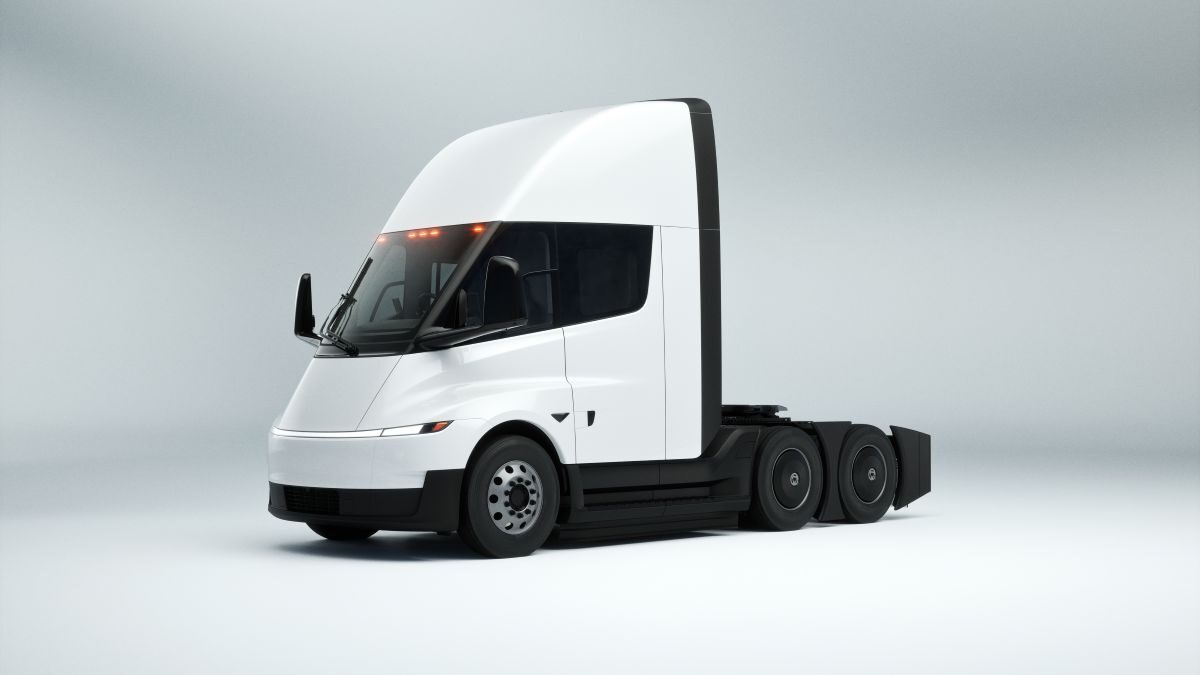
However, unlike its Chinese rivals, Volvo hasn't bet everything on electric power— China aims to have 100,000 electric trucks by 2030. Instead, it has focused on removing the driver from the cab—a strategy that has paid off handsomely. In fact, with three million tons moved, the company has already tripled the target it set for its autonomous mining division.
3,000,000 tons in just 3 years.
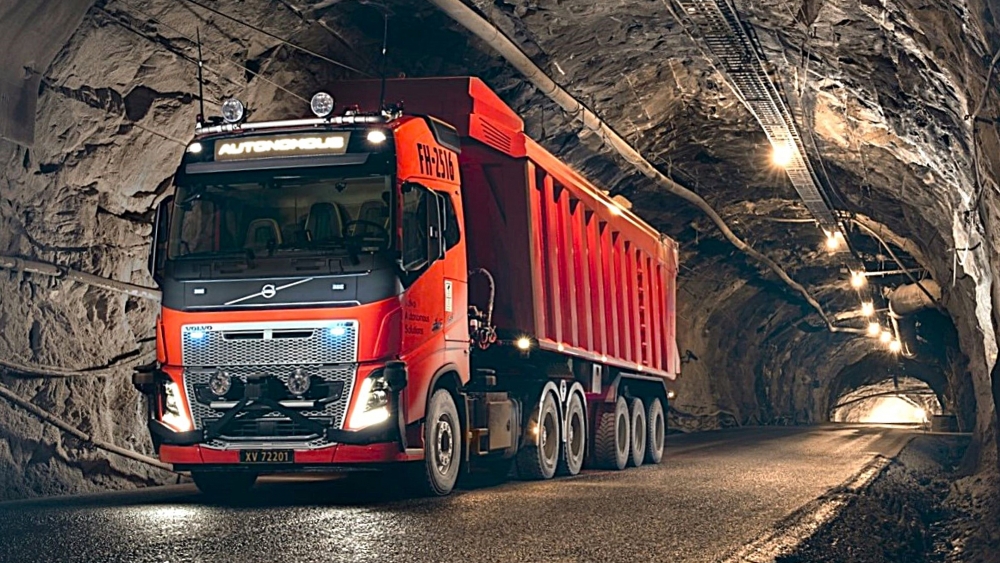
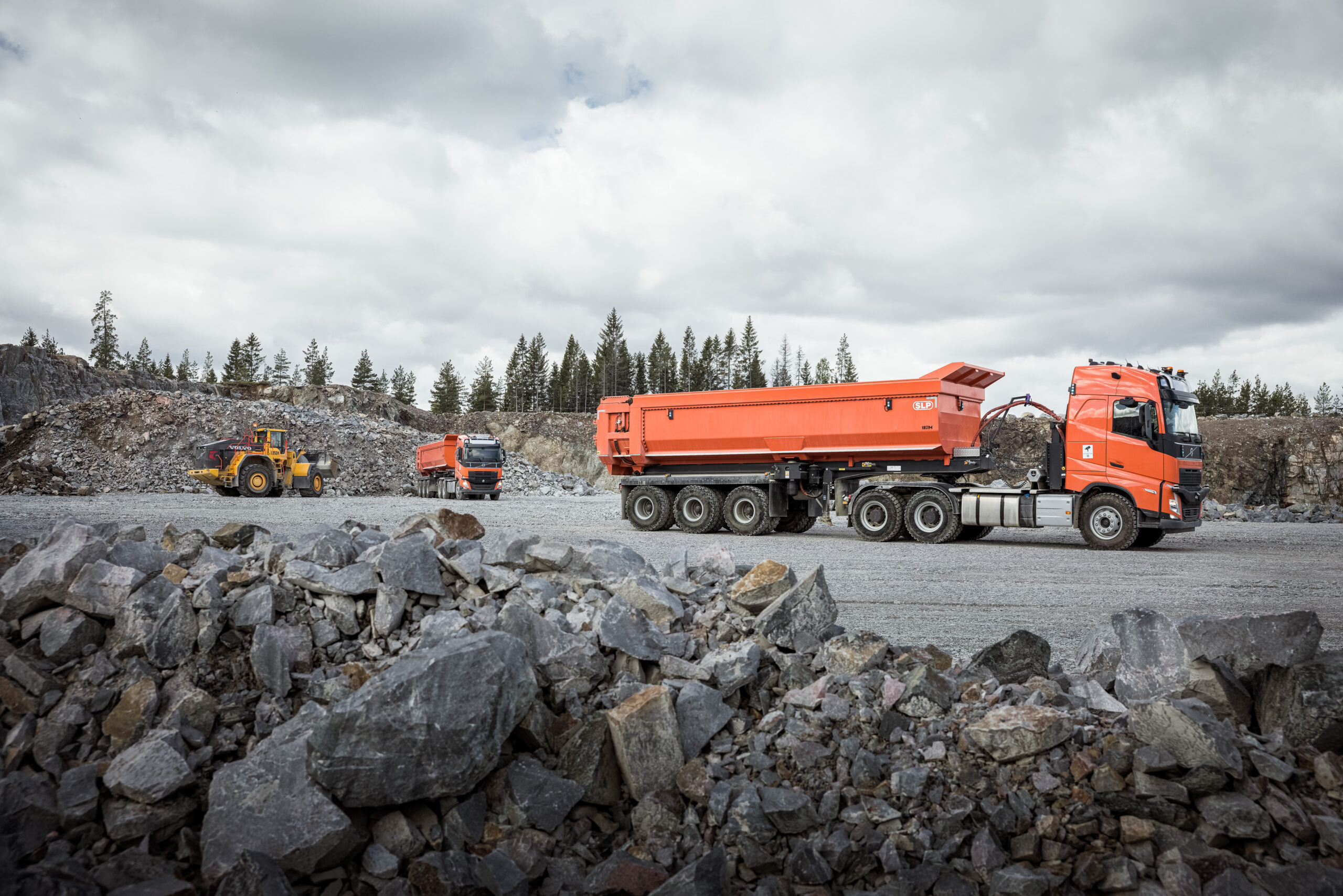
Volvo’s driverless mining vehicle division is known as Autona/Earth. It began trial operations in 2023, supplying its first units—ranging from conventional FH-series trucks to specialized mining vehicles and driverless cargo haulers—to two of Europe’s most important mines: Boliden Garpenberg in Sweden and Brønnøy Kalk in Norway.
The initial goal was to transport "one million tons" by 2025 using its latest autonomous vehicles. However, the project has exceeded expectations—in a very good way. Not only did they meet that target, but just six months past the original deadline, they have tripled it: last week, they reached the milestone of three million tons moved by their latest driverless trucks.
The rise of autonomous vehicles—electric or otherwise—shows no signs of slowing down, as they have proven to be far more efficient and cost-effective without a driver. With solutions like Volvo Autonomous Earth—which Volvo offers to select customers from its Säffle plant—mining companies can not only reduce the distance traveled and cut diesel consumption by thousands of liters, but also better coordinate their trucks and mining vehicles while monitoring their status in real time.
They can also save money through improved coordination of their fleet and real-time status monitoring. Furthermore, they achieve savings by maintaining uninterrupted, round-the-clock operations, as these trucks do not require a driver in the cab.
Enhanced safety.
Eliminating the need for a driver not only saves money but—regardless of differing opinions—also enhances safety in an environment as hazardous and complex as intensive industrial mining.
The reason? By removing the driver from the equation, operations eliminate human error—the cause of most accidents in this setting due to fatigue or distraction.