
Aurora Innovation Aims to Have 30,000 Electric, Driverless Trucks by 2030
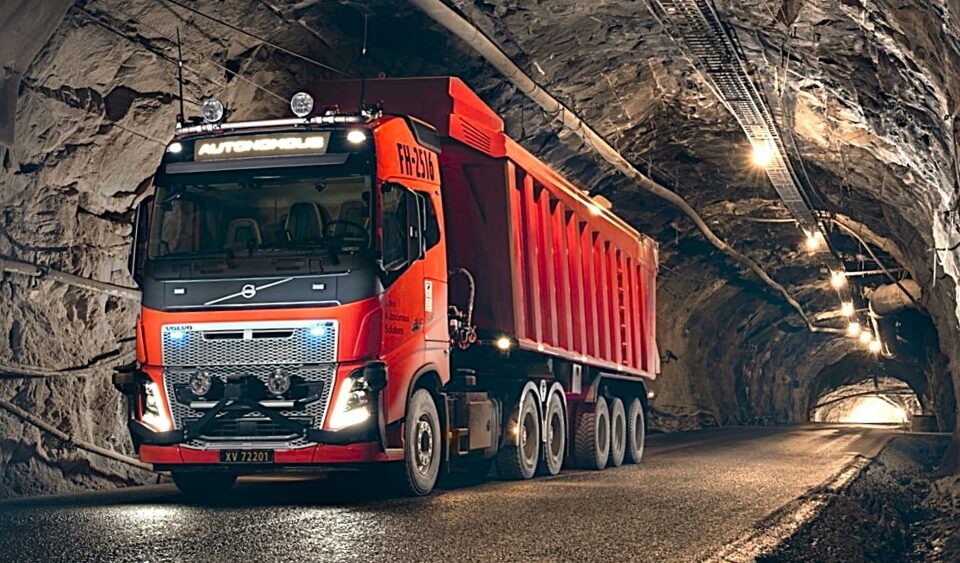
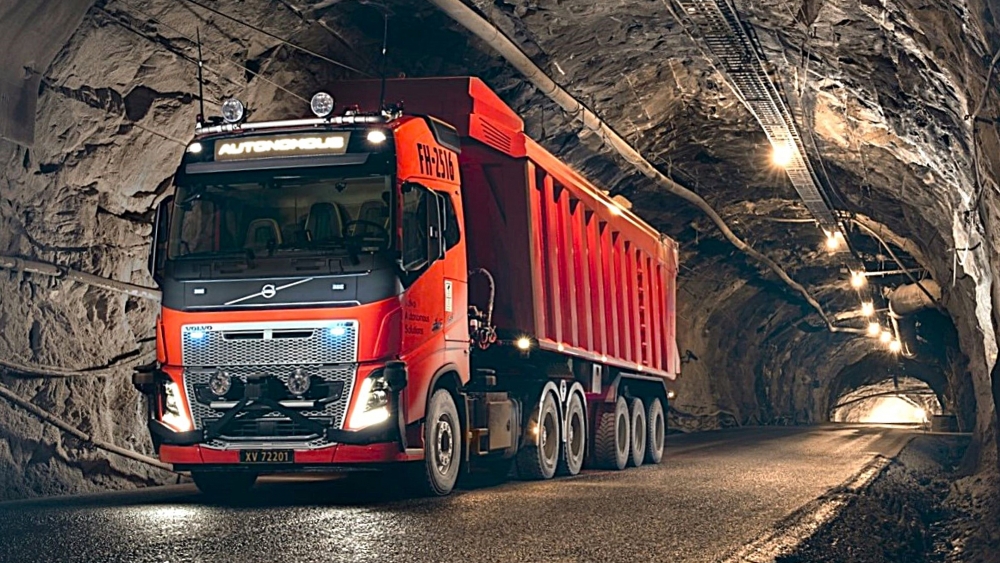
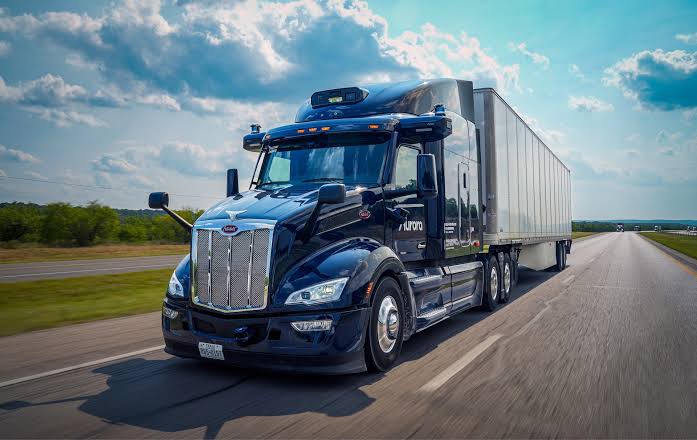
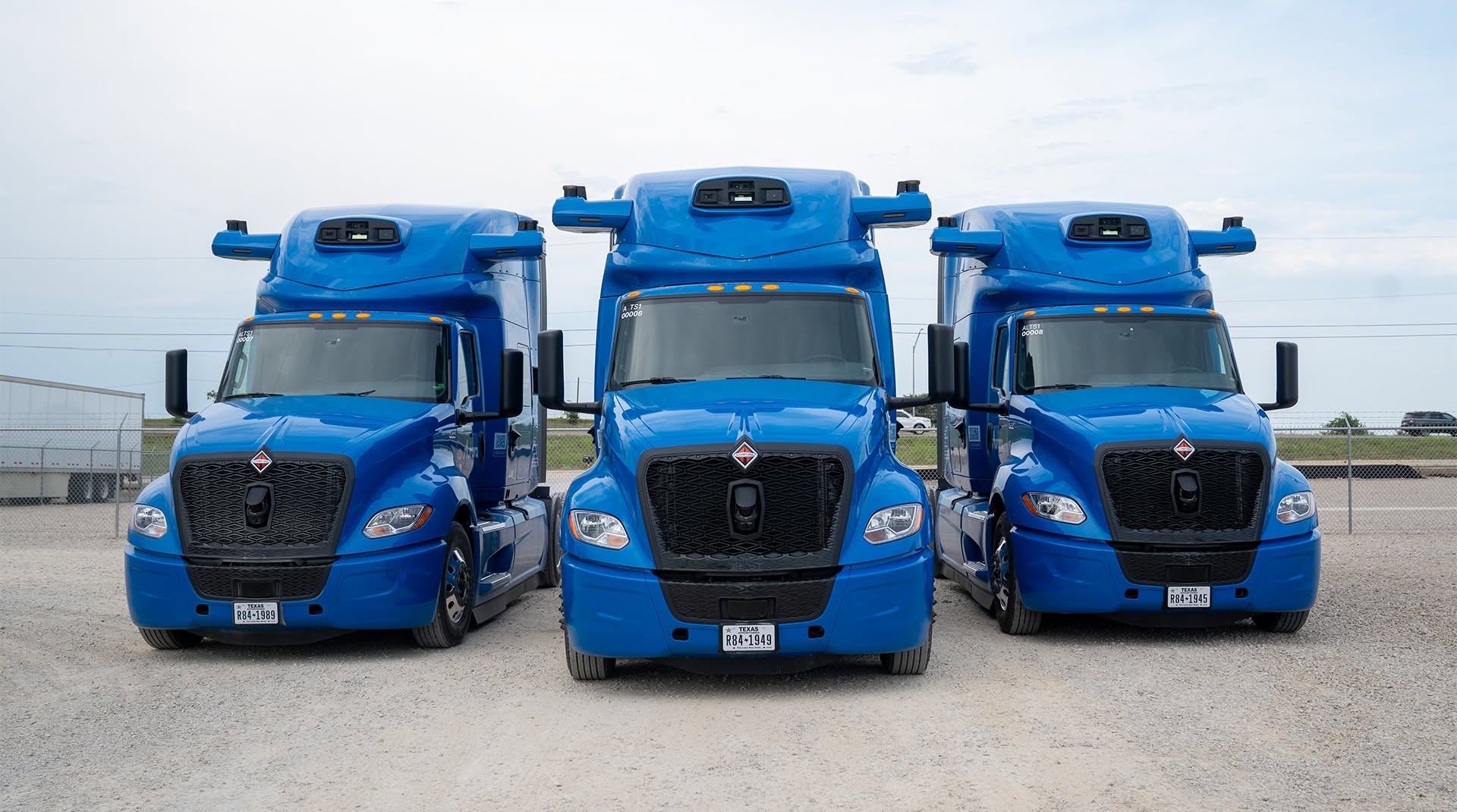
Regarding the future of heavy road transport, a dual development path is emerging: electrification and autonomous trucking. Aurora Innovation has demonstrated a clear vision and announced ambitious plans, aiming to have over 30,000 driverless trucks on the road by 2030. This figure is striking in itself, but even more so when considering that its current autonomous fleet consists of just 20 vehicles.
The plan presented during its Analyst & Investor Day outlines an accelerated expansion over the next four years, while also acknowledging the challenge of transforming a technology currently in the early stages of commercial deployment into a profitable, high-volume business.
Accelerated expansion.
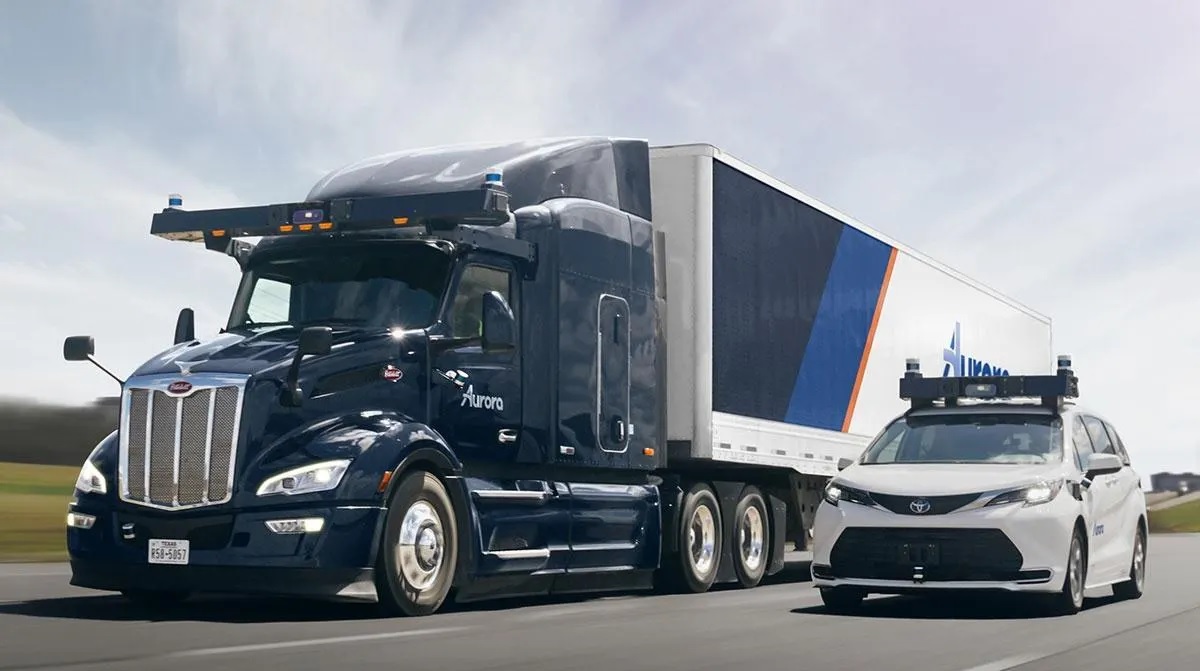
The first milestone will be reached by the end of 2026, with approximately 200 autonomous trucks operating under "Transport as a Service" (TaaS) agreements. By the end of 2027, Aurora expects to surpass 1,000 units, before scaling up the fleet to exceed 30,000 units by 2030. The company has not set specific unit targets for 2028 and 2029; however, given the progress made so far, it is clear that a significant portion of the projected growth will be concentrated in the second half of the period.
Its strategy is not limited to simply increasing the number of vehicles; it also encompasses a shift in how they are operated. To date, Aurora has primarily relied on the TaaS model, in which the company retains control of the trucks and provides the transportation service itself. Its next phase is known as Driver as a Service (DaaS), a model allowing operators to acquire vehicles while contracting Aurora’s autonomous technology. The company views this approach as the right path to fleet expansion without directly bearing the full cost of truck ownership. Hirschbach will be one of the first companies to make this transition, planning to add 500 autonomous trucks to its fleet under a DaaS agreement, with initial deliveries scheduled for 2027.
At the same time, Roush has begun preparations for large-scale assembly, aiming to reach a production rate of 20 retrofitted trucks per week starting in October. Aurora is collaborating with renowned manufacturers such as Volvo and PACCAR to integrate its cutting-edge autonomous driving system directly into vehicle production lines.
Challenges to overcome.
The company’s goals are highly ambitious, and their achievement hinges on several factors: market demand, production capacity, and—crucially—hardware and software that meet the necessary standards. Aurora notes that its second-generation system is designed for a one-million-mile operational lifespan and cuts hardware costs by more than half compared to the previous generation.
Despite this progress, the main challenge lies in the fact that Aurora is currently operating on a limited commercial scale. The company has reached a significant milestone, completing over 500,000 driverless miles since the start of its commercial operations. Furthermore, its vehicles currently achieve utilization rates of around 200,000 miles per year, with expectations to approach 250,000 miles as activity increases.
Despite the challenges, Chris Urmson, founder and CEO of Aurora, remains positive about his technology, telling CNBC: "It uses lasers, radar, and cameras to observe its surroundings, detect other cars and trucks on the road, and determine how to drive safely." As he told CNBC: "We are in a position to help truck operators save fuel. It allows us to transport goods more quickly and meet our customers' needs when they are unable to hire exceptional drivers for their fleets."