
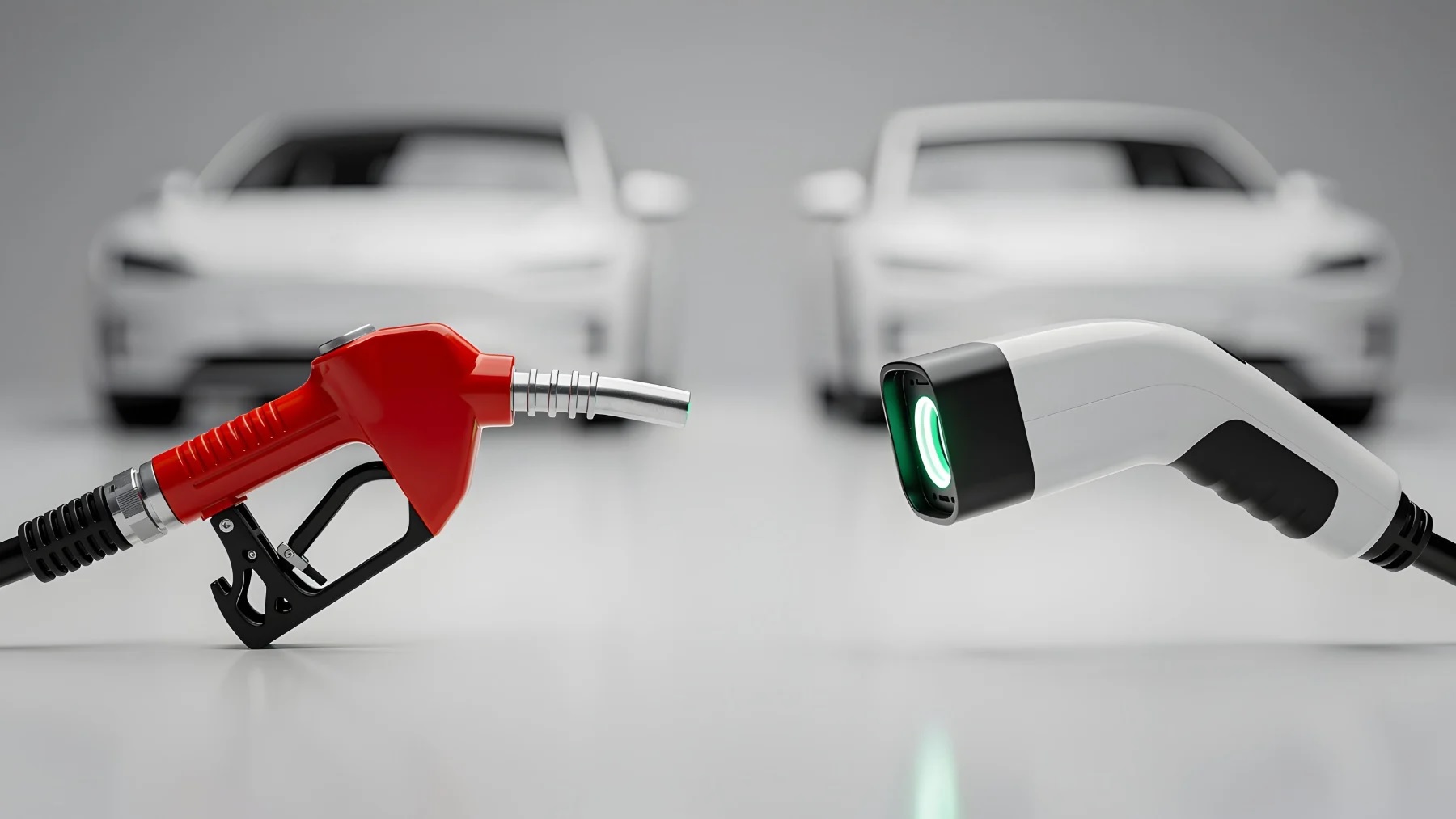
The difference between electric and gasoline vehicles based on mileage
Since electric vehicles first became available on the market, there has been a debate regarding their reliability compared to internal combustion vehicles. While various studies have yielded differing results, the most recent study—commissioned by the British Vehicle Rental and Leasing Association (BVRLA) and conducted by New AutoMotive—highlights a fundamental point: how these vehicles perform differently as they accumulate mileage.
A comprehensive analysis of 47.4 million vehicle inspection (MOT) tests reveals that, after approximately 60,000 miles (equivalent to 96,500 kilometers), the failure rate for electric vehicles stabilizes, whereas the rate for gasoline vehicles continues to rise.
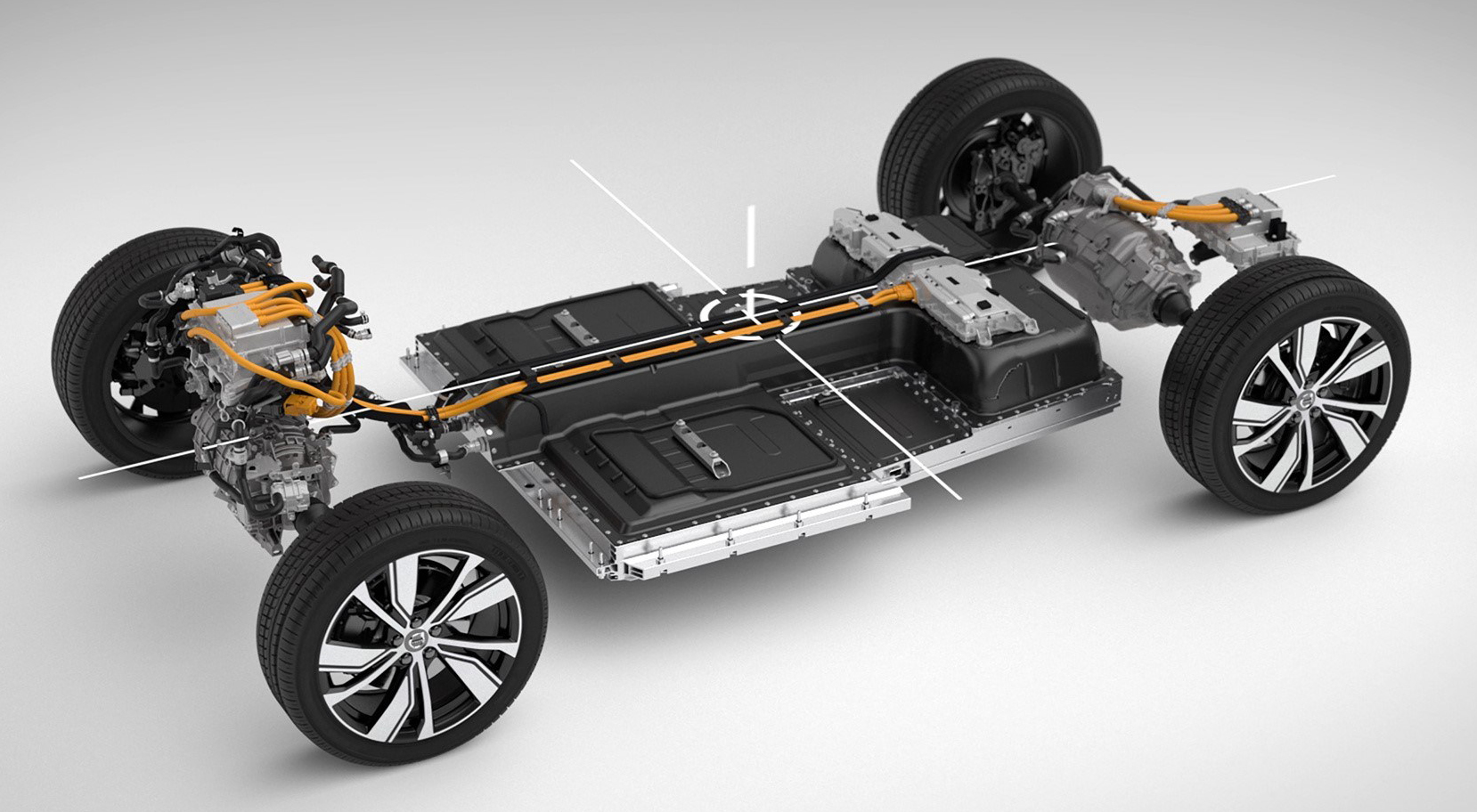
The turning point.
The study compares vehicles based on both age and accumulated mileage, providing a more accurate picture of the market. At lower mileage levels, the differences between electric and gasoline cars are minimal: between 20,000 and 40,000 miles (32,000 to 64,000 kilometers), 12% of the electric vehicles analyzed failed the inspection, compared to 11.7% of gasoline models.
A significant shift occurs at approximately 60,000 kilometers. While the failure rate for electric vehicles remains steady at around 16%, the rate for gasoline and diesel vehicles continues to increase as mileage rises. Among vehicles aged three to eight years that had covered between 90,000 and 120,000 miles (equivalent to 144,000 and 193,000 kilometers), 16.5% of electric vehicles failed the mandatory vehicle inspection (ITV), compared to 22.1% of gasoline vehicles. Consequently, the failure rate for electric vehicles is approximately 25% lower.
As mileage increases, the situation progressively worsens. Beyond the 120,000-mile mark (equivalent to 193,000 kilometers), 16% of electric vehicles failed the inspection, whereas this figure rose to 23.5% for gasoline vehicles.
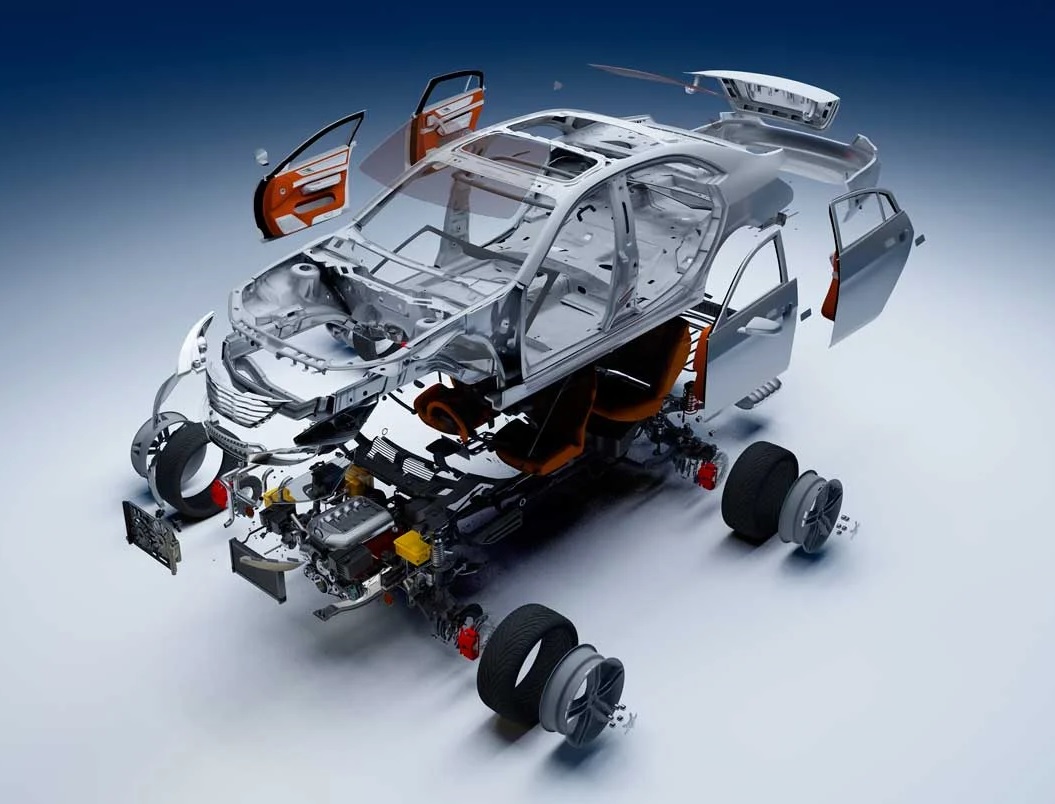
Cars that remain on the road longer.
The analysis also examines how long vehicles remain in circulation, yielding results that again favor battery-powered vehicles. In the segment of 15-year-old vehicles, 94.6% of electric cars underwent a subsequent inspection within the following 30 months, compared to 88.1% of gasoline vehicles. This indicates a deregistration rate of 5.4% for electric vehicles and 11.9% for gasoline cars, although such removal from the registry does not necessarily imply scrapping.
The report also analyzes the performance of various vehicle components, with results showing no clear uniformity. Electric vehicles recorded approximately 1.8 times more tire-related defects than gasoline vehicles. However, no significant differences were observed regarding the incidence of suspension-related defects. Regarding brakes, results depend on mileage: high-mileage electric vehicles showed fewer defects, whereas older electric vehicles with lower mileage exhibited more defects compared to their internal combustion counterparts.
Toby Poston, Director of Corporate Affairs at the BVRLA, notes: "Mileage has always been one of the first things people look at when buying a used car, and exceeding 60,000 or 70,000 miles can significantly influence how a vehicle is perceived. This study suggests we need to shift our perspective when it comes to electric vehicles."
"Many electric vehicles currently entering the used market spent their initial life in corporate or leasing fleets, racking up considerable mileage in the process. The data shows that mileage alone shouldn't put consumers off. A high-mileage electric vehicle that has been well maintained can make for an exceptionally durable used car," he concludes.