

The charging network Tesla is bringing to Europe for its first electric truck
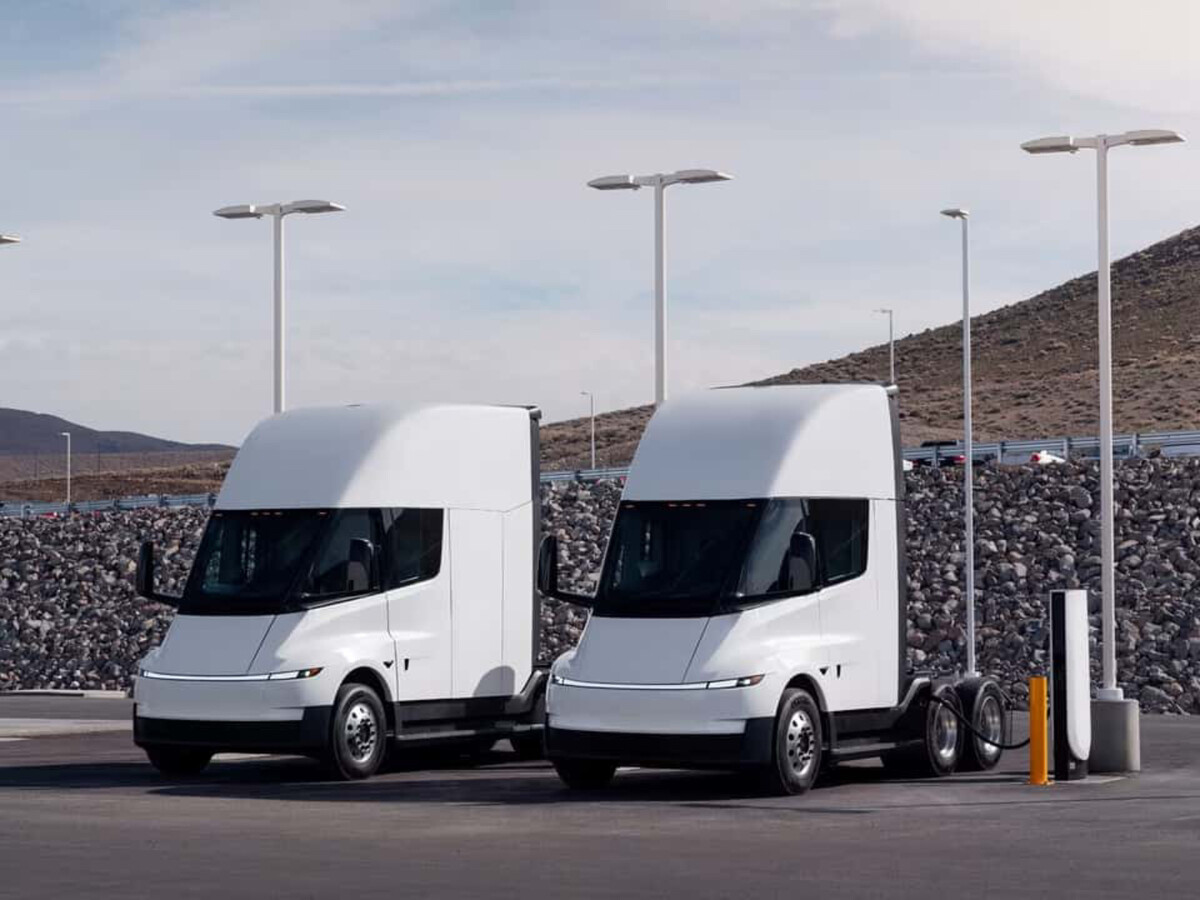
Even before delivering a single Semi truck in Europe, Tesla has already initiated the process of building the necessary charging infrastructure. During the IAA Transportation trade show in Hanover, the head of the company's Semi program unveiled plans to roll out the Megacharger network across the continent, with over 100 charging points planned for the initial phase. In line with this, Tesla has announced the launch of its own public charging network designed for its new electric cargo vehicle, the Tesla Semi.
This move is logical and consistent. The lack of fast-charging points for trucks poses a significant barrier for fleet operators considering a transition to electric long-haul transport. Tesla is fully aware of this, which is why it decided to announce the infrastructure before the vehicle is even commercially available in the European market—a launch currently scheduled for 2027. This strategy mirrors the one implemented in the electric passenger vehicle sector, which has proven highly successful.
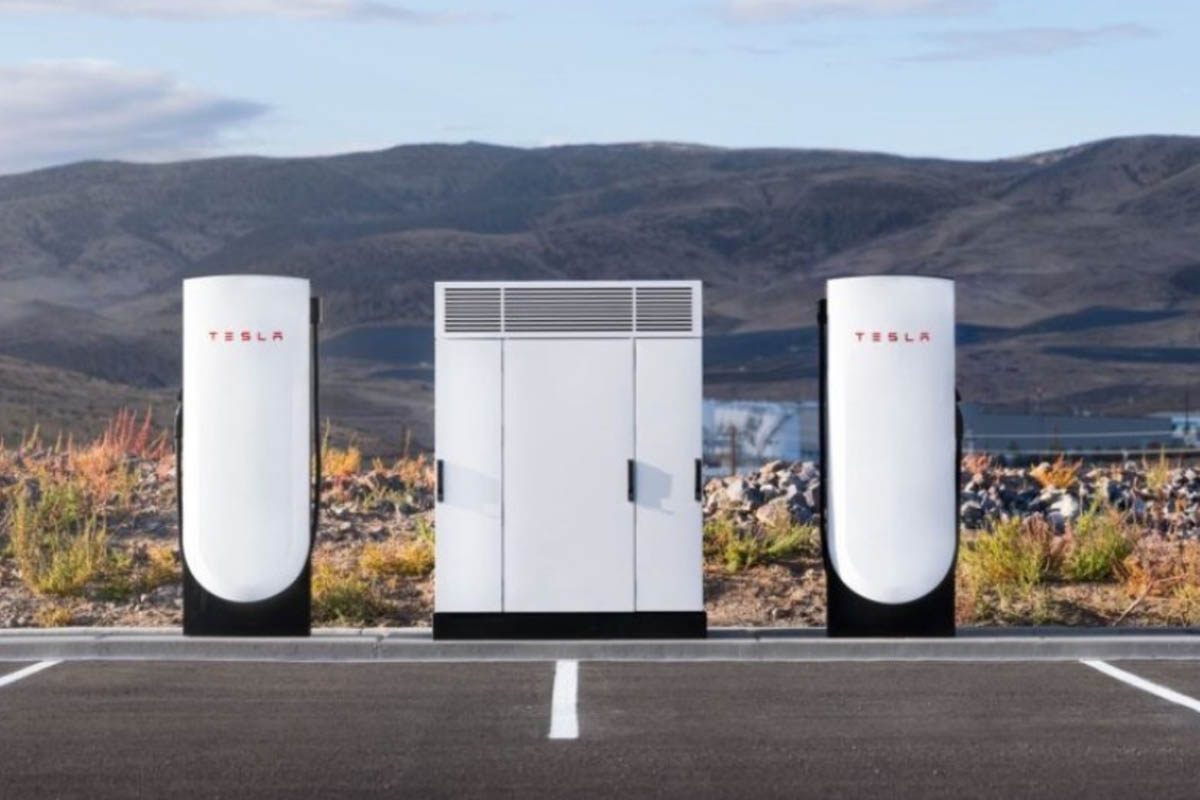
Over 100 points, not necessarily 100 stations.
According to information gathered in Hanover, the initial rollout comprises more than 100 charging points (stalls), each capable of delivering up to 1.2 megawatts and adding 60% range in 30 minutes. The map presented shows a concentration of locations in the UK, France, the Netherlands, and Belgium, as well as in Germany and one site in southern Sweden. It is important to clarify the figure: these are charging points, not stations, as a single Megacharger location can accommodate multiple charging points. Currently, Tesla does not operate any public Megachargers in Europe; it has not confirmed the first location and has provided no specific date other than the start of Semi deliveries in 2027.
During the event, Mr. Dan Priestley, head of Tesla’s Semi program, provided detailed information on the industrial aspect of the project. "We have developed a proactive and ambitious production ramp-up plan," he explained. "This factory will undergo growth that allows us to meet our initial demand in North America and Europe. Production capacity has been set at 1,000 trucks per week. This figure equates to approximately 52,000 trucks per year. However, during the same presentation, Priestley also mentioned an annual figure of 50,000 units. Therefore, both figures are presented exactly as cited, without attempting to reconcile them. The plant, located near the Nevada Gigafactory, began ramping up to full-scale production in April. The first trucks destined for Europe will ship from this facility.
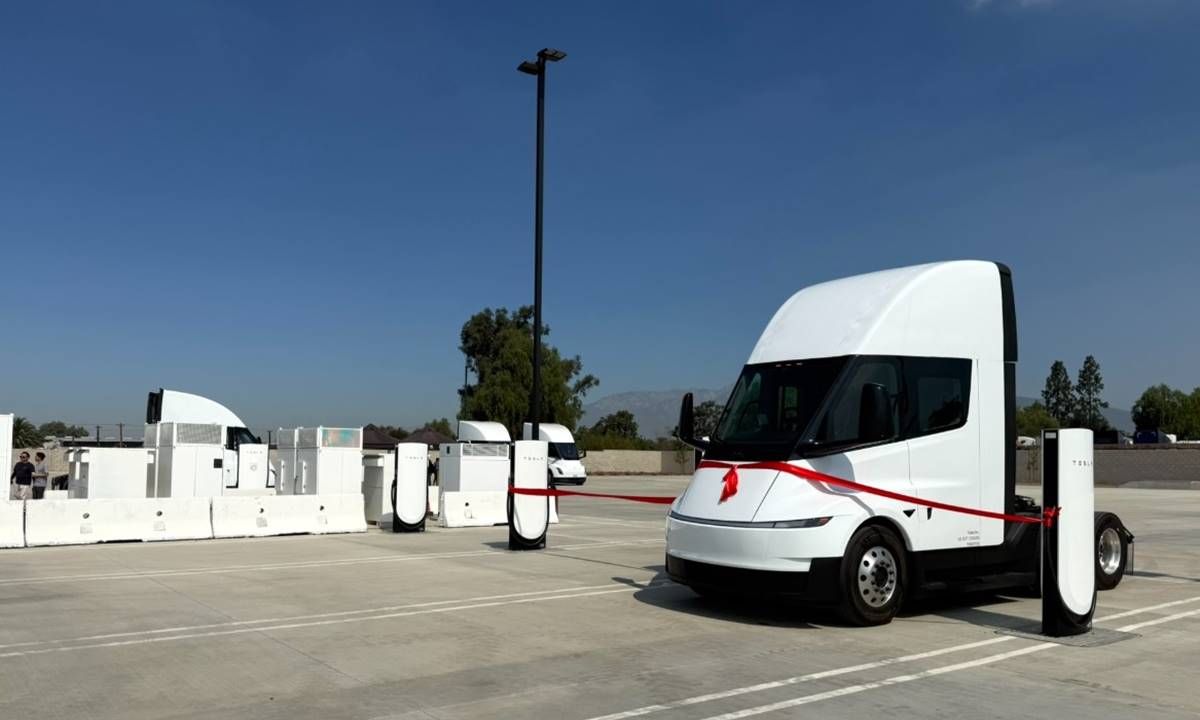
Power output exceeding the initial model's requirements.
The 1.2 MW figure per charging point matches the specification Tesla already uses in the United States. However, the European web pages for the Semi list a charging power of 800 kW for the truck itself. Consequently, the network is being sized beyond the capacity of the model that will arrive on the continent first. This headroom accommodates multiple charging points sharing a single power cabinet, as well as future, longer-range versions that Tesla might introduce later. The European truck will initially be offered in a single configuration featuring a standard-range powertrain, offering a range of 550 kilometers and a gross weight of 40 tonnes. Energy consumption will be 1.0 kWh per kilometer, and the curb weight will be under 9,100 kilograms. Tesla has not disclosed the battery capacity or the projected price for the European market.
Competition that already has a head start.
Megawatt charging for trucks is nothing new in Europe. Milence—a joint venture between Daimler Truck, Traton, and Volvo—already operates the continent's largest network, and Iberdrola is also installing high-power charging points. The Semi uses the standard seven-pin connector of the Megawatt Charging System, allowing it to charge using other operators' infrastructure as well. In other words, Tesla is developing an exclusive network for a truck that does not actually require it to operate.