

Why four-cylinder engines are the most widely used
The inline four-cylinder engine is one of the most common architectures in the passenger vehicle sector, as it combines a compact size with relatively simple manufacturing and a broad performance range. The arrangement of the cylinders in a single row is not a decisive factor regarding a vehicle's fuel consumption, durability, or power output.
A compact gasoline vehicle, a diesel vehicle designed for long-distance travel, and a hybrid vehicle may all share the same engine architecture while operating in different ways. To understand why this design is so widespread, one must consider how it relates to the space available within the vehicle, its mechanical operation, and the specific technologies employed by each manufacturer.
How an inline four-cylinder engine works.
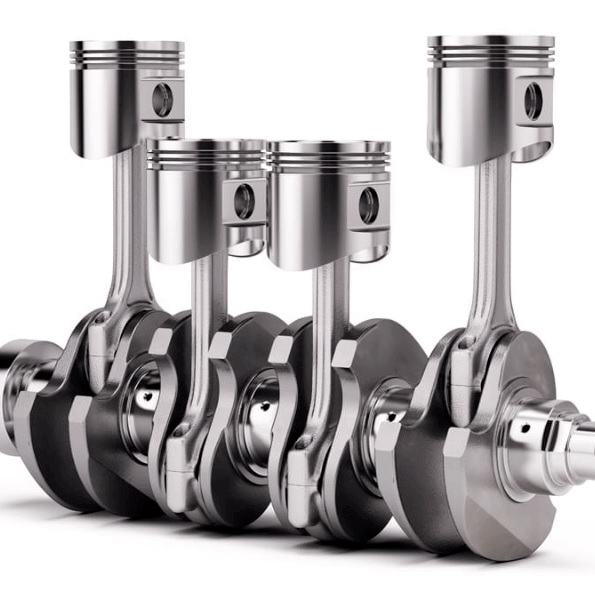
In each cylinder, a piston moves and transmits its motion to the crankshaft via a connecting rod. In a four-stroke engine, the cycle consists of the following stages: intake, compression, combustion and expansion, and exhaust. The crankshaft—a vital engine component—converts the reciprocating (back-and-forth) motion of the pistons into rotational motion, which is then delivered to the transmission.
It should be noted that combustion does not occur simultaneously across all cylinders. In a conventional configuration with uniform ignition, the power impulses are distributed throughout the two full rotations required to complete the cycle. This sequence helps ensure smooth power delivery, though the level of vibration also depends on the mass of the moving parts and the geometry of the mechanism.
Firing order and engine displacement.
The standard firing order is 1-3-4-2; however, it is essential to verify the specific firing order for a given engine before performing any maintenance or repairs. This sequence does not apply universally to every four-cylinder model. The identification and numbering of the cylinders are also detailed in the manufacturer’s technical documentation.
Engine displacement refers to the total volume displaced by the pistons; it is important to note that this is not equivalent to power output. Two engines with the same number of cylinders and displacement can yield different results due to factors such as valve train configuration, fuel delivery, and tuning. Therefore, limiting the evaluation of vehicles solely to designations like "1.6" or "2.0" restricts the ability to provide complete and accurate information.
Why it fits so many types of vehicles.
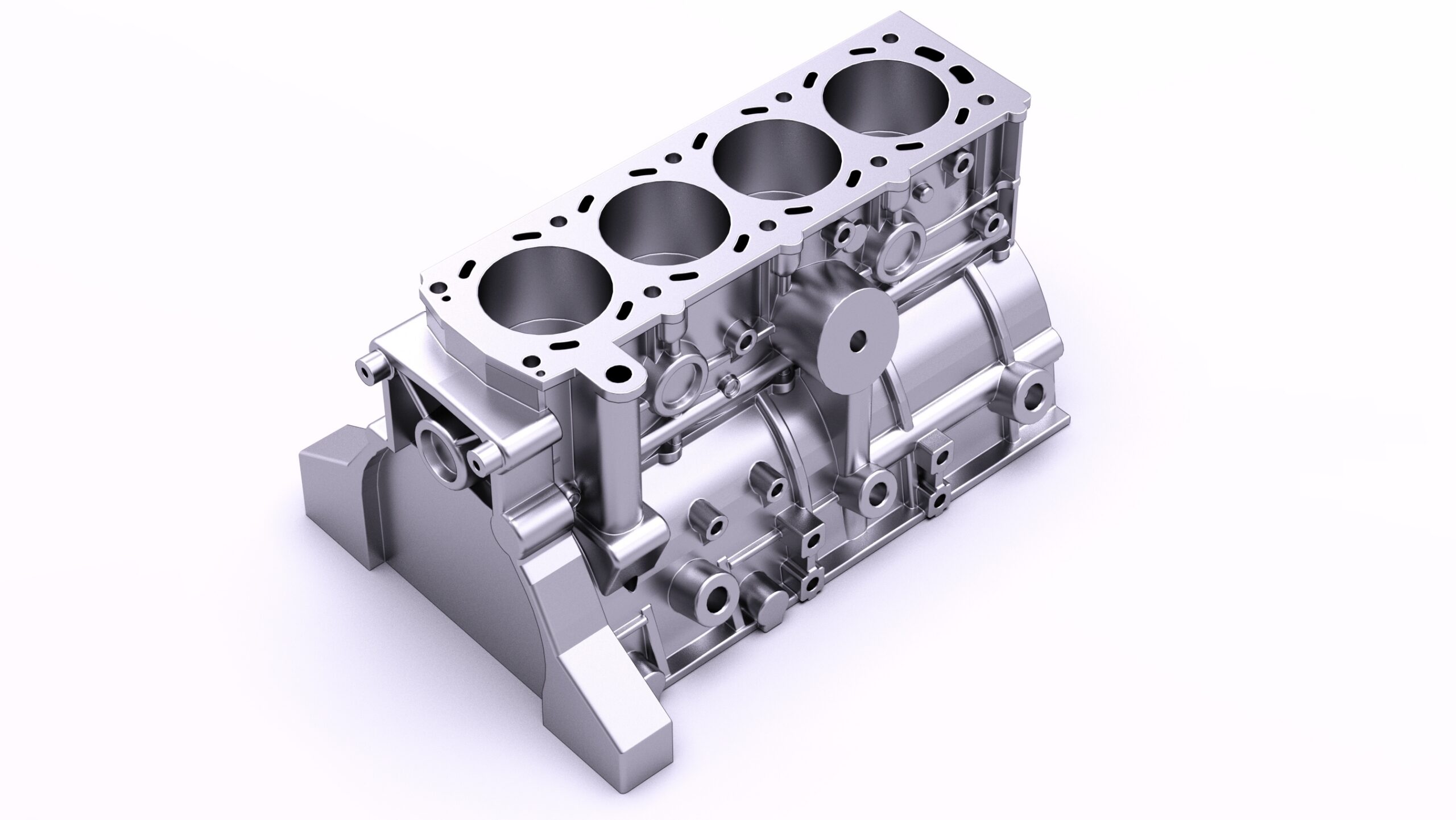
The inline arrangement of cylinders allows for the use of a single cylinder head, which avoids the added width associated with other configurations. This serves as a suitable foundation for the transverse mounting commonly found in many front-wheel-drive vehicles, though it can also be installed longitudinally. This ease of integration contributes to the adaptability of an engine family across various models.
Added to this advantage is the benefit of large-scale production. Implementing collaborative practices across different versions—such as reusing components and processes—can lead to significant savings in development and manufacturing costs. The result is not necessarily the "ideal" engine for every application, but rather a solution that addresses diverse needs without the constant need to resort to larger engine blocks.
Below is a comparison of three-cylinder and six-cylinder models.
Three-cylinder engines offer reductions in size, mass, and component count, though they exhibit a distinct vibration profile. In general, a four-cylinder configuration tends to provide smoother power delivery compared to other similar layouts. It is worth noting, however, that factors such as sound insulation, engine mounts, and calibration can significantly influence the driving experience from within the cabin.
A conventional inline-six engine offers inherent advantages in terms of balance, though this comes at the cost of increased length. It should be noted that this comparison cannot be applied broadly to all six-cylinder engines, as a V-configuration presents different characteristics. When choosing a vehicle, one must consider factors such as how the engine is installed and its level of refinement, in addition to the number of cylinders.
Vibrations, turbocharging, and hybridization: why they don’t all perform the same way.
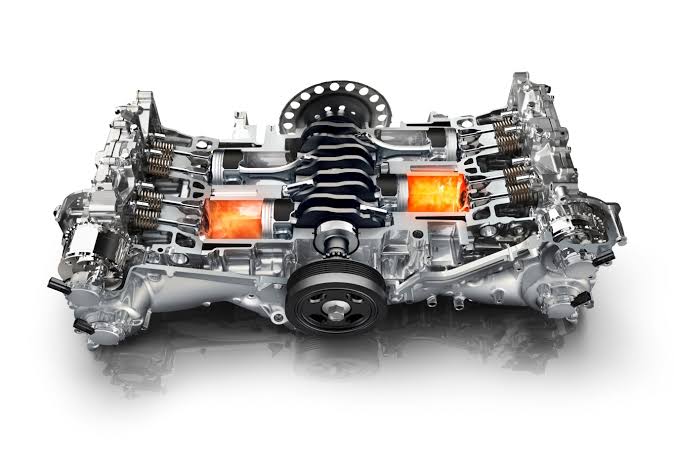
In a conventional inline four-cylinder engine, primary inertial forces can be compensated for, though secondary forces persist. Some designs incorporate balance shafts to mitigate these effects. Engine mounts also help limit the transmission of vibrations to the vehicle body.
This highlights the importance of considering other factors that might affect the accuracy of vibration readings. A worn engine mount, an engine misfire, or other issues can alter how the engine’s operation is perceived. If unusual vibrations are observed, it is advisable to perform a precise diagnosis rather than automatically attributing them to the engine’s basic architecture.
Naturally aspirated, turbocharged, and hybrid engines.
A four-cylinder engine can be either naturally aspirated or turbocharged. A turbocharger allows for a greater intake of air, which increases the engine's capacity to produce torque and power. However, this adds components and necessitates a more complex and demanding lubrication and cooling system. It is also worth noting that maximum power output is not an accurate indicator of fuel consumption during actual driving.
In a hybrid vehicle, an electric motor can assist the internal combustion engine, enabling various operating strategies. Some systems implement a simulated Atkinson cycle through valve management to optimize efficiency. It should be noted that this technology does not mean that all four-cylinder vehicles are hybrids, nor that all hybrid vehicles are equipped with four-cylinder engines.
Furthermore, the overall vehicle configuration significantly influences the final outcome. Factors such as vehicle weight, the transmission, tires, aerodynamics, and the specific driving route are all key determinants of fuel consumption. It is more meaningful to compare fuel consumption measured under similar conditions—and to evaluate the performance of the vehicle as a whole—rather than assuming that one specific engine architecture will always be more fuel-efficient. Reliability and maintenance of a specific engine.
There is no inherent guarantee of reliability linked to a four-cylinder configuration. As is well known, factors such as the design of the valvetrain, the cooling system, the materials used, and proper maintenance can all influence the product's lifespan. A relatively simple architecture can coexist with a complex fuel injection or forced-induction system.
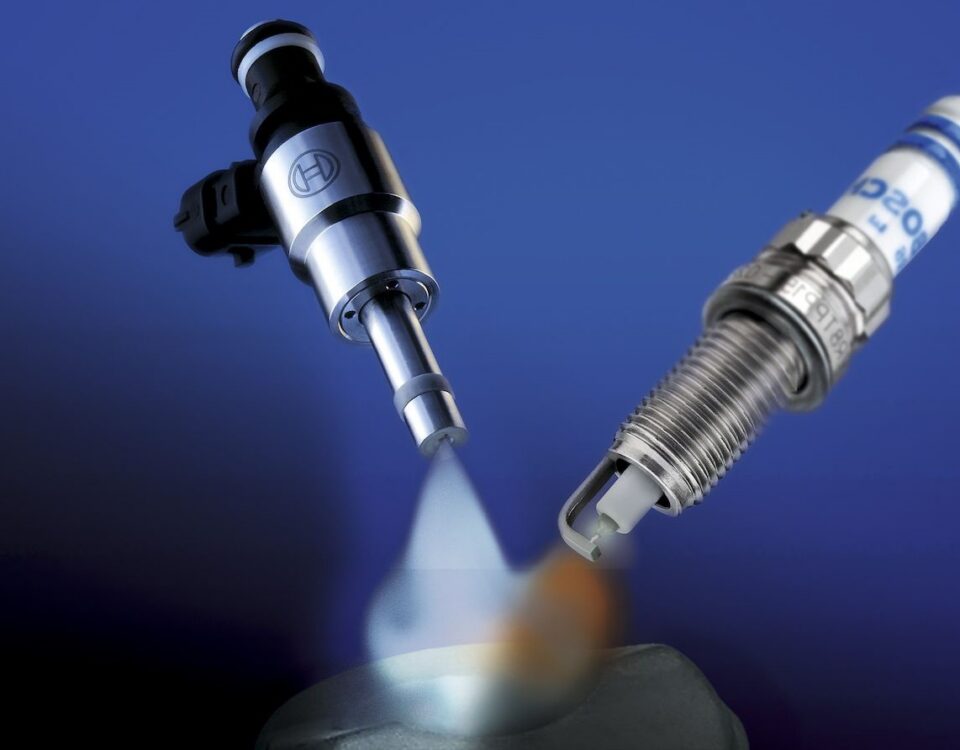
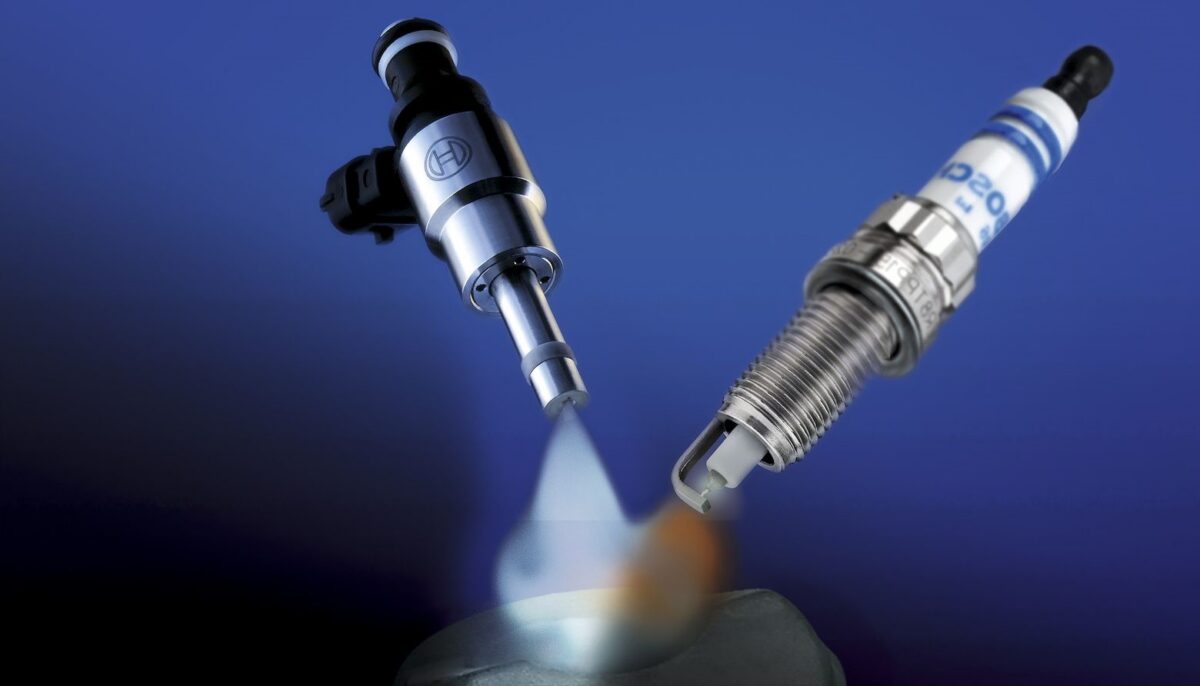
It is crucial to follow the manufacturer’s maintenance schedule and oil specifications, as well as the prescribed intervals based on time or mileage. In gasoline engines, the condition of the spark plugs affects the ignition process, whereas the operation differs in diesel engines. Furthermore, it is important to note that one cannot assume all vehicles use the same type of timing belt or follow the same replacement interval.
When evaluating a used car, it is essential to identify the exact engine type and verify the existence of service records, any outstanding maintenance tasks, and potential manufacturer recall campaigns. The commercial model name and the number of cylinders are no substitute for conducting this thorough check. A vehicle’s specific service history provides far more detailed information about its maintenance than a general statement regarding the reputation of its engine architecture.
Frequently asked questions about four-cylinder engines.
These answers help distinguish between the characteristics of the engine architecture and the actual performance and requirements of an individual engine.
- Do all four-cylinder engines have a turbocharger?.
No. There are both naturally aspirated and turbocharged four-cylinder engines, which may use different types of fuel and operate according to different strategies. A turbocharger is a form of forced induction, independent of the number of cylinders. To understand a vehicle's performance and maintenance needs, you must look at the specific version of its engine.
- Is a four-cylinder engine more reliable than a three-cylinder engine?.
This cannot be stated as a general rule. Durability depends on various factors, such as design, the materials used, the cooling system, how the vehicle is used, and the maintenance it has received. While one configuration might be better suited to certain conditions, this does not necessarily mean it is more reliable. When considering a used vehicle, it is crucial to identify the specific engine type and check its service history rather than making a decision based solely on the number of cylinders.
- Why is the inline four-cylinder engine so widely used?.
Its versatile design—featuring a single row of cylinders and a single cylinder head—is well-suited for a broad range of vehicles. Furthermore, it allows manufacturers to develop families of engines with varying performance levels while sharing production processes. This flexibility explains its use in gasoline, diesel, and hybrid vehicles, though it does not necessarily make this architecture the best choice for every single vehicle.
Before choosing a vehicle with a four-cylinder engine, it is advisable to evaluate its responsiveness during a test drive and look into the maintenance requirements for that specific engine. If fuel economy is your priority, compare fuel consumption and service costs. If refinement is what you are after, assess the noise and vibration levels during your typical driving conditions. While the engine architecture provides a general guide, the specific unit and its tuning are what ultimately determine whether it is the right choice for you.