
Download the audio
Slide 1. Introduction.
The class develops the main challenges facing mechanical workshops when a fleet is electrified, the new requirements, protocols, and regulations, and the implications for fleet management.
Slide 2. Challenges facing electric vehicle workshops.
- The electric vehicle workshop.
Working on an electric or plug-in hybrid car introduces risks and requirements that differ from those associated with conventional vehicles. While many general maintenance operations remain largely unchanged, it is crucial to highlight that any intervention involving critical components—such as the battery, the propulsion system, or other high-voltage elements—requires specialized knowledge, detailed procedures, and specific equipment.
Compounding this technical transformation are significant economic pressures and the massive influx of new Chinese brands into the market. While government bodies encourage the purchase of these efficient vehicles, independent workshops are forced to make substantial investments—amounting to thousands of euros—without receiving adequate institutional support. This situation has led to increased maintenance costs, workshop closures, and endless waiting lists, the financial burden of which ultimately falls on the drivers themselves.
The following section outlines the situation in Spain, which mirrors conditions in many other countries.
- The consequences of working with high voltage.
In accordance with Royal Decree 614/2001, tasks involving electrical risk in Spain must be performed in a de-energized state whenever feasible. Measures include disconnecting the power supply, preventing accidental reconnection, and verifying the absence of voltage before working on the vehicle. Furthermore, the use of appropriate protective equipment and the involvement of authorized or qualified personnel are recommended, depending on the specific task.
For hybrid and electric vehicles, these protocols translate into specific procedures for isolating the high-voltage system, marking off the work area, and using specialized tools and protective equipment.
Electrification necessitates highly specialized training, up-to-date diagnostic equipment, insulated tools, and clearly demarcated work zones. In this regard, the association Fevauto has estimated the cost of safety equipment to be between 5,000 and 6,000 euros.
Added to these costs is the almost mandatory acquisition of lifts with a capacity of between 4,000 and 5,000 kilograms, capable of supporting the heavy weight of electric vehicles.
Working with such high voltages entails a lethal risk if errors occur. It is crucial to note that improperly disconnecting an electric vehicle can result in severe electric shocks. Furthermore, if a damaged battery arrives, the vehicle must be isolated outside the facility due to the risk of sudden fire.
Adaptation involves increased staff specialization, updated diagnostic equipment, appropriate tools, personal protective equipment, and safety protocols.
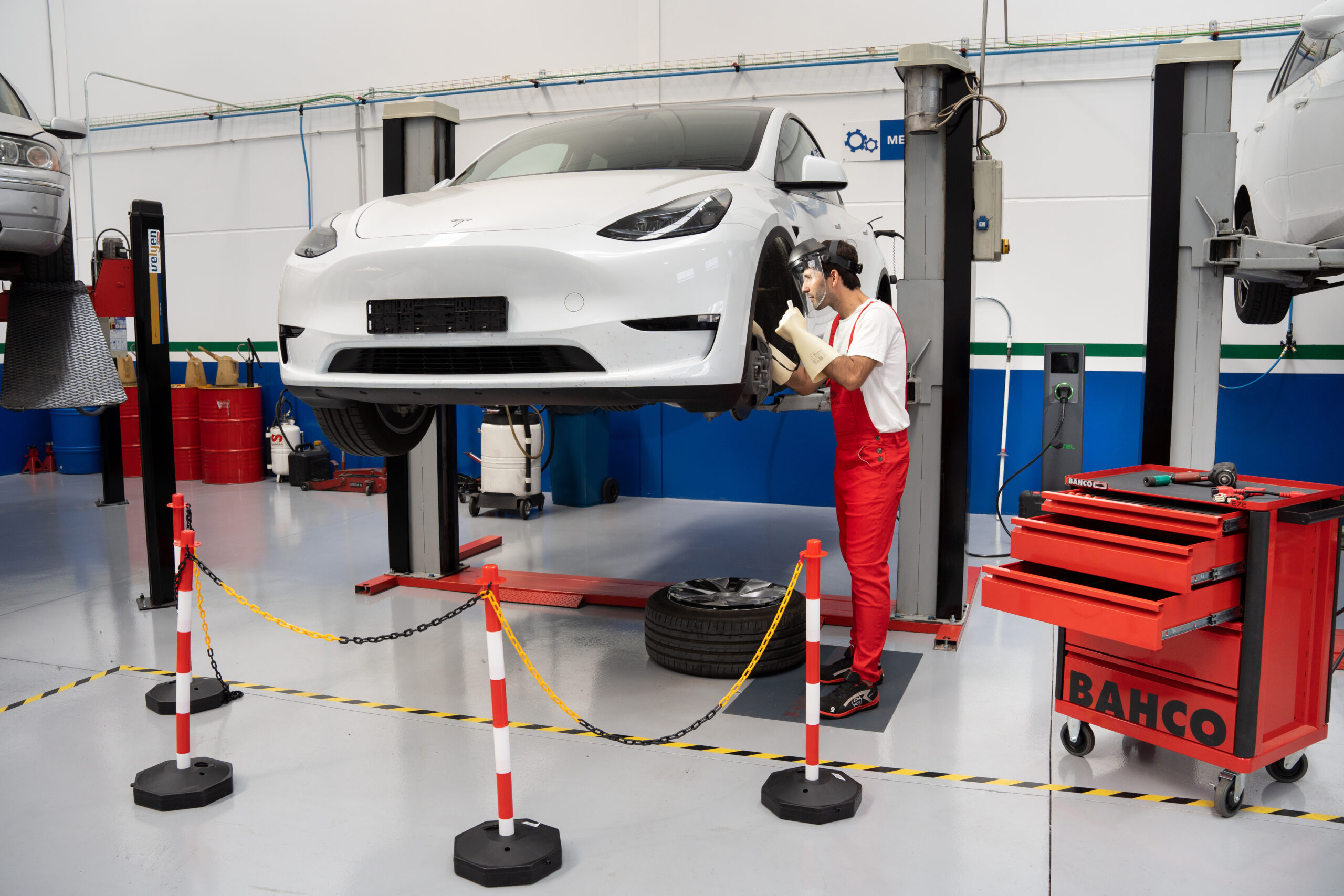
It is imperative to have a dedicated electric vehicle service bay that completely mitigates high-voltage risks. Additionally, the use of metal workbenches must be avoided to prevent risks associated with contact with high-voltage parts. A cordoned-off area is mandatory when working with high voltage.
It is crucial that the workshop adheres to disconnection procedures at the start of repairs and reconnection procedures upon completion, as well as safety protocols throughout every phase. This ensures that the components and systems being repaired are de-energized and that energy generators or power sources are correctly isolated. The absence of voltage must be verified before proceeding with maintenance or repairs.
Having a fast-charging point is recommended to verify that everything is in order after repairs and to allow the battery to be charged so the driver can collect the vehicle.
In certain situations, it may be necessary to increase the contracted electrical power capacity or install complex fire suppression systems.
In the event of an electric vehicle fire, a water container must be available to cool the vehicle for a period of 3 to 4 days until the fire is completely extinguished.
The workshop is required to train its workers in the prevention of electrical hazards. Furthermore, workshop personnel will be classified as authorized workers, qualified workers, or work supervisors, depending on their level of expertise and their capacity to perform repairs on live or de-energized systems.
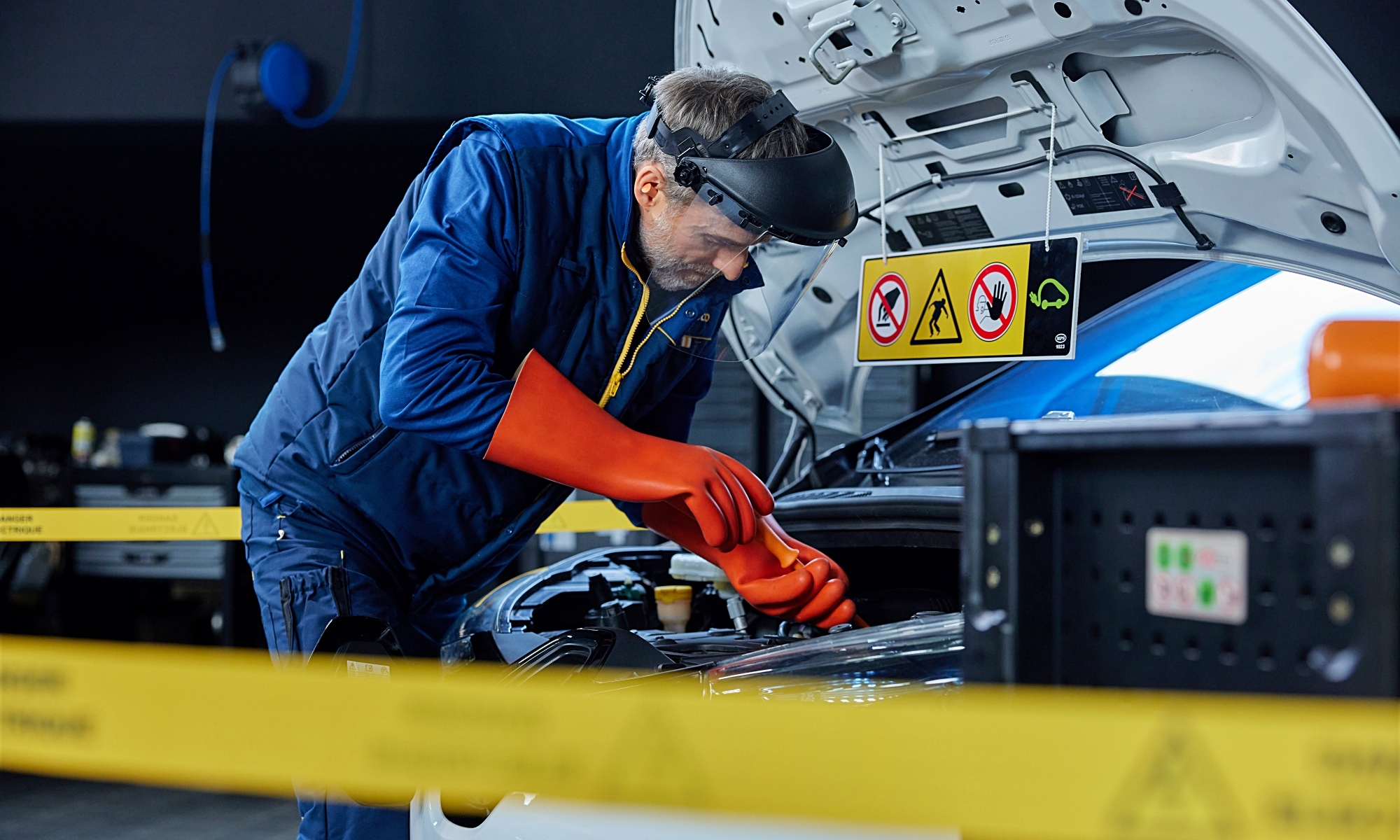
It is imperative that employees be equipped with all necessary personal protective equipment (PPE) to ensure their safety, including approved face shields, eye protection, gloves, and electrically insulating footwear, among other items.
Mechanics must use insulating materials and adhere to established safety protocols both before and after performing their work. All personnel who may handle electric vehicles—whether in the workshop, as service advisors, roadside assistance professionals, or firefighters—must receive appropriate training. A workshop dedicated to routine tire maintenance or quick-service mechanical work will not require the same equipment as one aiming to diagnose and repair batteries or electric propulsion systems. Basic operations can be carried out with relatively modest investment, provided workers possess the necessary technical and safety training.
The situation becomes more complex when a workshop intends to work directly on high-voltage systems. In such cases, the requirements include insulated tools, specialized measuring equipment, signage, personal protective equipment (PPE), compatible diagnostic tools, and advanced training; furthermore, the necessary investment increases significantly.
It is important to understand that adaptation does not mean every workshop must transform into a specialist facility capable of opening and repairing batteries. The challenge also lies in determining which operations the workshop can safely perform and when the vehicle should be referred to an external facility with a higher level of expertise.
- Necessary equipment and PPE (Personal Protective Equipment).
- Setting up an electric vehicle service bay.
It is necessary to have a space specifically designated for servicing electric vehicles, equipped with specific tools and gear such as:
Ø A Category III, 1,000-volt multimeter.
For safely measuring vehicle voltage.
Ø Equipment to move the car around the workshop without pushing it.
While it may not seem particularly important, bear in mind that pushing the vehicle causes the drive wheels to turn, which can charge the inverters and damage the electrical system.
Ø Non-metallic workbenches.
Installing these is essential for safety reasons, as contact with high-voltage components could result in electrocution. Plastic workbenches are recommended, as even wood can conduct electricity if contaminated with oil or grease.
Ø Specific equipment for mechanics.
They must have Class 0 gloves rated for 1,000 volts; eye protection against sparks and explosions; insulated tools; and an impermeable protective suit.
Ø CE-marked PPE for electrical work.
Class 0 or higher dielectric gloves, face shields, and flame-retardant clothing compliant with the EN 50286 standard.
Ø Insulated tools certified under IEC 60900.
An important detail to keep in mind is to avoid wearing any jewelry while working, in order to prevent the risk of electrocution.
-
- Installation of charging points.
Workshops can be equipped with charging points for electric vehicles. In this way, in addition to meeting repair-related needs, these points can serve as an incentive for customers to visit the workshop.
- Administrative management.
Regarding administrative management, there is a noticeable increase in accreditation requirements—such as the European SERMI certificate. This certification is mandatory as of 2024 for independent professionals seeking access to manufacturers' electronic information regarding anti-theft systems, key programming, electronic locks, or security software.
This Europe-wide certification ensures that only qualified professionals work with protected components. If your workshop repairs vehicles from multiple brands, obtaining this certificate is essential to continue providing services legally and safely.
The SERMI digital certificate is valid for five years, a period during which audits and inspections may be conducted to verify compliance. Renewal applications may be submitted up to six months prior to the expiration date.
At least one certified employee must be present whenever security systems are being serviced.
- Worker training.
The mechanic profession has undergone significant evolution, extending well beyond knowledge of mechanical components such as engines, clutches, or gearboxes. Hybrid and electric vehicles have introduced high-voltage systems, batteries, inverters, power electronics, and more advanced diagnostic tools. Added to this is the rapid expansion of Chinese brands in Spain, featuring models, platforms, and components that many workshops are only just beginning to familiarize themselves with.
In Spain, technicians working with high-voltage electric vehicles must possess official training in handling high-voltage systems, as outlined in the UNE-EN 50110-1 standard and adapted for the automotive sector by the National Institute of Qualifications (INCUAL).
A particularly important qualification is the "IMV010_2 –Maintenance of Hybrid and Electric Vehicles" professional certificate, delivered at duly accredited centers. This certificate attests to a technician's ability to work with systems operating at up to 1,000 volts.
Since 2021, Spain has offered an official Vocational Training (FP) specialization course in the Maintenance of Hybrid and Electric Vehicles. This 650-hour course covers specialized training in critical areas such as electric propulsion, batteries, charging, diagnostics, and the prevention of risks associated with handling high-voltage circuits.
Complementing this program is a Higher-Level specialization focused specifically on maintenance and safety. Regulations indicate that the increasing complexity of these vehicles requires well-prepared specialists and anticipate a rising demand for professionals capable of working with these technologies. The primary objective of this training is to ensure safety.
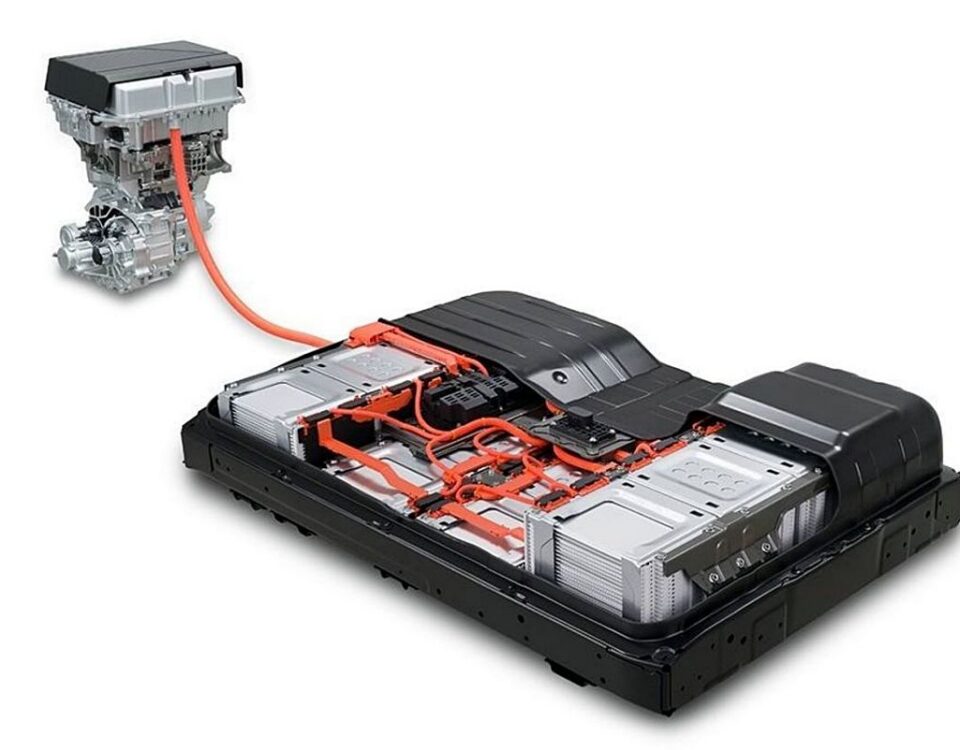
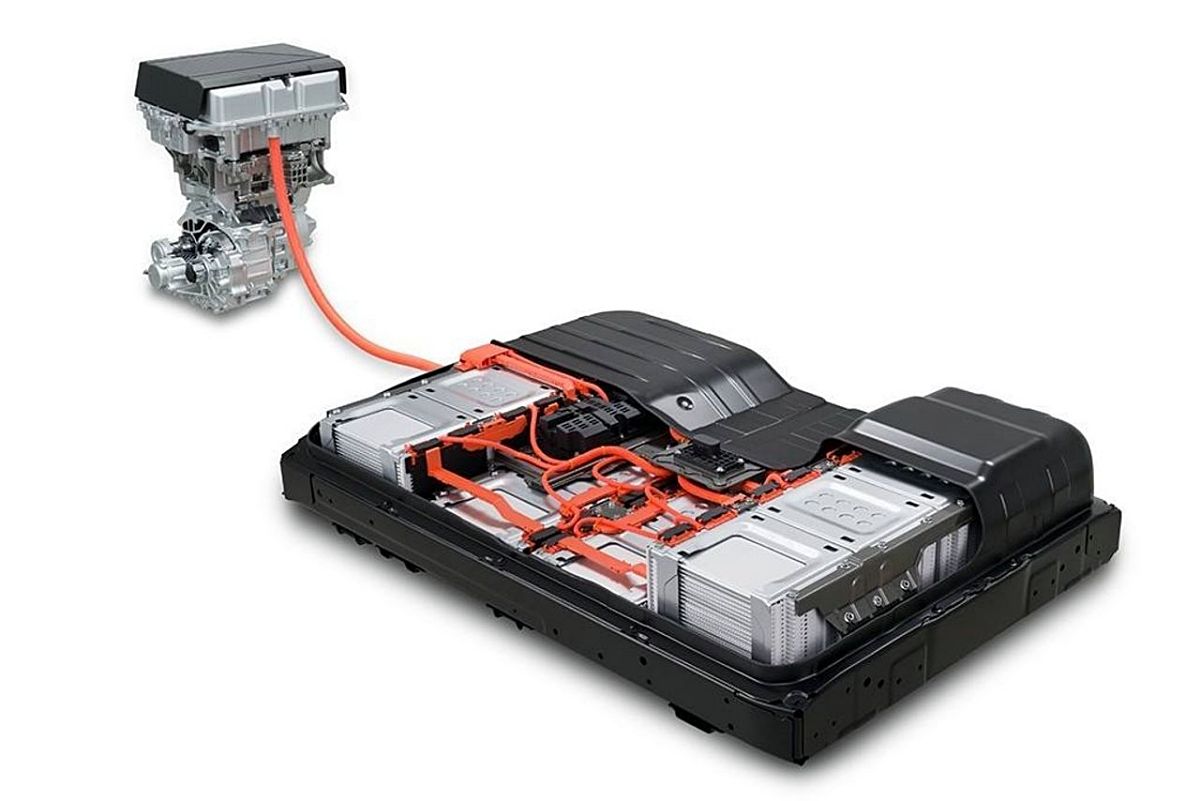
The training aims to equip specialists with the skills to locate specific vehicle components, such as the inverter, the high-voltage battery, and the service disconnect system. Additionally, practical sessions will cover how to safely disconnect and work with high-voltage parts.
Paradoxically, the sector faces challenges in attracting the very new generations that ought to be acquiring this knowledge. The workshops focus, among other things, on addressing the trade's lack of appeal among some young people and on tackling career expectations heavily influenced by information found on social media. However, the issue cannot be reduced solely to a lack of interest.
Another key aspect is access to training. Not all young people have the necessary resources to afford studies at specialized private institutions. Consequently, the workshops call for accessible training opportunities that facilitate the entry of qualified professionals into the labor market.
Added to this is the complexity companies themselves face when hiring apprentices. An employee's initial training requires a significant investment of time and resources, while wage costs start at the level of the statutory minimum wage.
In some cases, the workshop takes on a significant portion of the training, yet once the worker gains experience, they decide to move to another company offering more favorable conditions. This situation creates a vicious cycle: a shortage of skilled professionals, the high cost of training new workers, and competition among companies for an increasingly limited workforce.
- Implications for fleet management.
The primary consequence of failing to equip the workshop with the proper facilities and safety measures for maintaining and repairing electric vehicles is the risk of a serious high-voltage accident, which could result in severe injury or even death.
Implementation of the following measures is recommended.
- Workshop planning.
Converting a workshop that services gasoline and diesel vehicles into one that handles electric vehicles represents a shift in operations and management style, necessitating careful planning.
While acquiring the necessary equipment and tools is essential, the most critical requirement is establishing a designated, cordoned-off area for electric vehicles undergoing repair, which entails a new workshop layout.
If an electric vehicle's battery is removed, it must be stored in a specific area using a specialized battery storage container.
A water container must be available to submerge a vehicle that has experienced a battery fire for a period of 3 to 4 days.
Before making any changes, a detailed study must be conducted regarding the new layout of equipment and charging points, the need for increased electrical power capacity, workshop fire suppression systems, the water container, etc.
- Investment budget.
A budget for the electric vehicle workshop investments must be prepared so that company management can approve it and provide the necessary funds for implementation.
This budget covers all equipment, PPE, and staff training.
- Premium brands.
Purchase equipment, PPE, and other gear from premium brands; avoid low-quality or second-hand items, as workers could suffer serious accidents or even fatalities.
- Worker training.
Electric vehicle technology evolves rapidly, so we must provide ongoing training for our workers regarding electric vehicles.
Workers handling high-voltage systems are required to have official training in high-voltage system handling.
If you manage electric vehicle safety systems, the workshop must have at least one SERMI-certified worker.
- In-house vs. external workshop.
Currently, due to various factors—including a shortage of professionals qualified to maintain and repair electric vehicles—taking an electric vehicle to an external workshop can result in a repair process lasting several days.
If we have an in-house workshop for electric vehicles, repair and maintenance times are short, though we incur facility and personnel costs; conversely, outsourcing to an external workshop eliminates facility and staffing costs but results in longer repair times.
A hybrid solution is possible: perform maintenance, tire work, and simple tasks in-house, while outsourcing major repairs—such as those involving the battery, motors, or BMS—to an external workshop.
Slide 3. Thank you for your time.
The class has developed the main challenges facing mechanical workshops when a fleet is electrified, the new requirements, protocols, and regulations, and the implications for fleet management, see you soon.