
The Toyota and Scania Hydrogen Truck
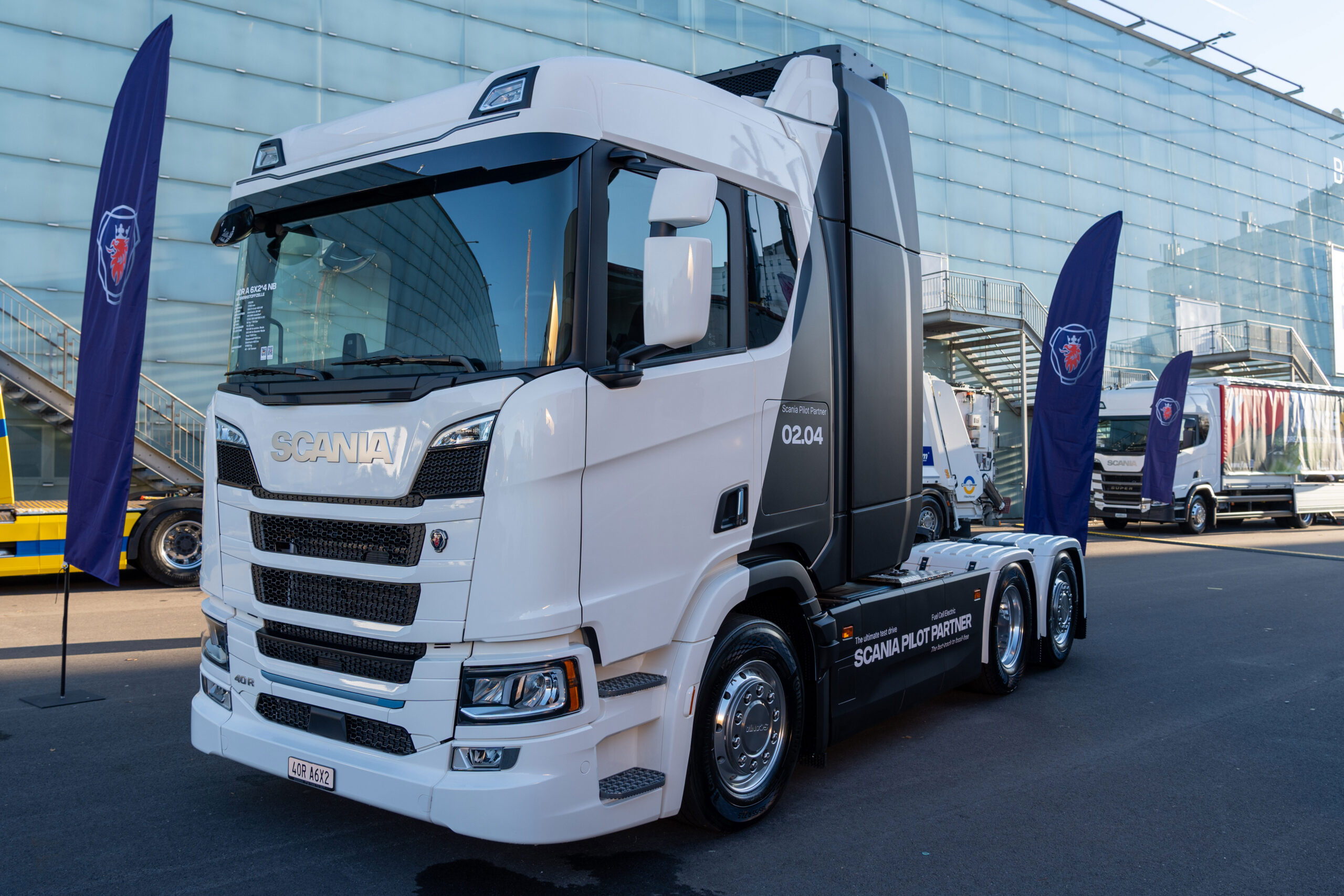
Toyota and Scania have made the strategic decision to expand their commitment to hydrogen technology beyond laboratory settings and put it to the test in real-world heavy-duty transport operations. Both companies have announced a collaboration to integrate Toyota’s third-generation fuel cell systems into 40 Scania heavy-duty trucks, which will participate in the Swedish manufacturer’s "Pilot Partner" program.
The first vehicles will begin operations during the first quarter of 2027 as part of actual logistics activities. The project aims to demonstrate the technology's effectiveness and investigate the conditions under which it could be competitive compared to other decarbonization alternatives.
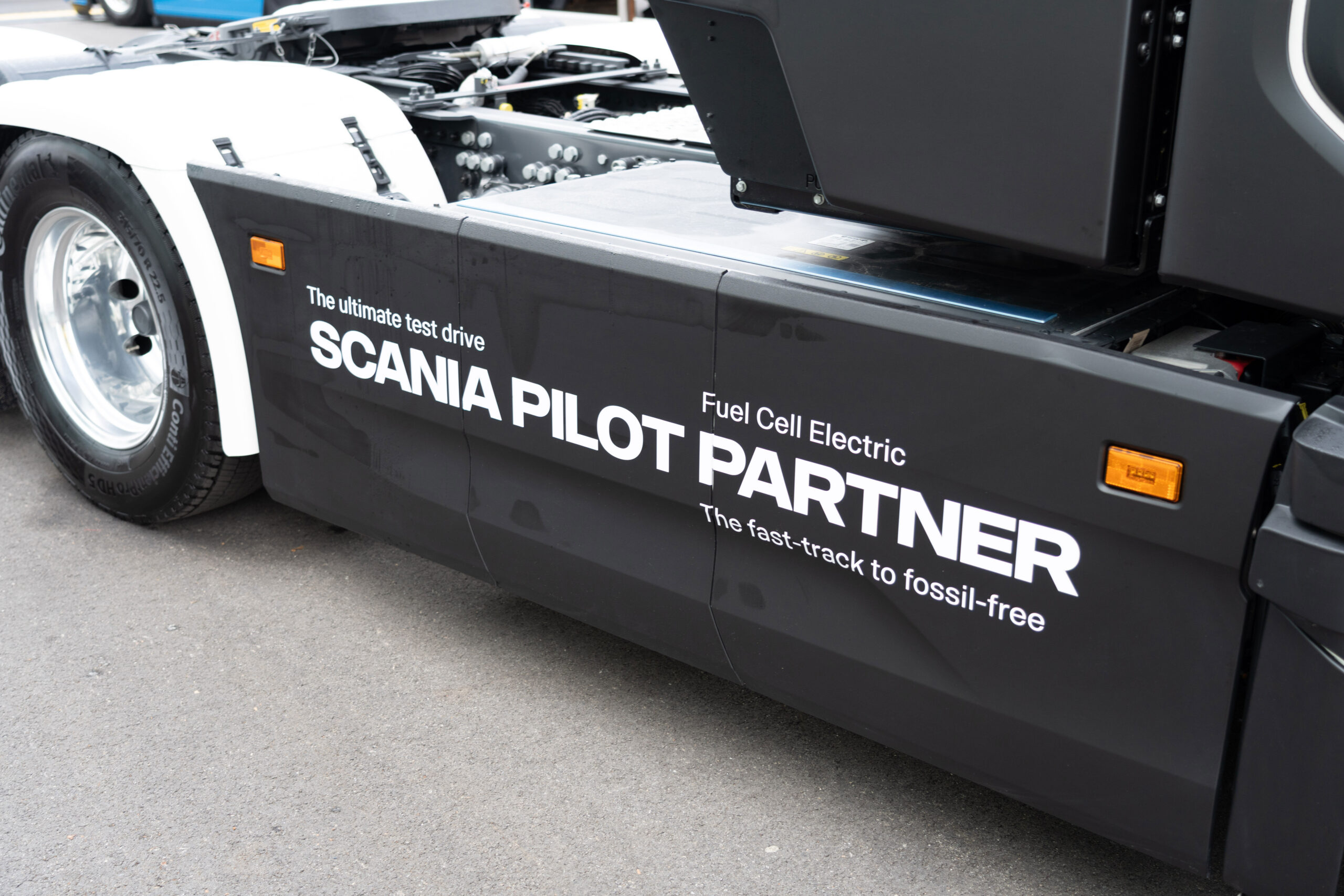
Toyota’s Third-Generation System.
The trucks will enable the collection of data on performance, operational efficiency, and maintenance costs in demanding use cases—specifically those where conventional battery-electric transport may face significant limitations regarding range, recharging times, or intensive usage. The Toyota system to be installed in the Scania trucks delivers 300 kW of power and features a compact design tailored for heavy-duty commercial applications.
"We believe that heavy-duty transport plays a fundamental role in developing hydrogen demand and infrastructure. Furthermore, we consider hydrogen the ideal solution for demanding, high-tonnage applications where range, high utilization rates, and operational efficiency are essential," notes Hiroki Nakajima, Executive Vice President of Toyota Motor Corporation.
"By incorporating Toyota’s third-generation fuel cell system into Scania customers' logistics operations, a significant step forward has been taken toward hydrogen-based mobility playing a greater role in the European heavy-duty transport sector," he adds, highlighting the evolution of the system—originally unveiled in 2025—which includes improvements specifically targeted at the commercial market, such as higher efficiency, reduced costs, and durability comparable to that of conventional diesel engines.
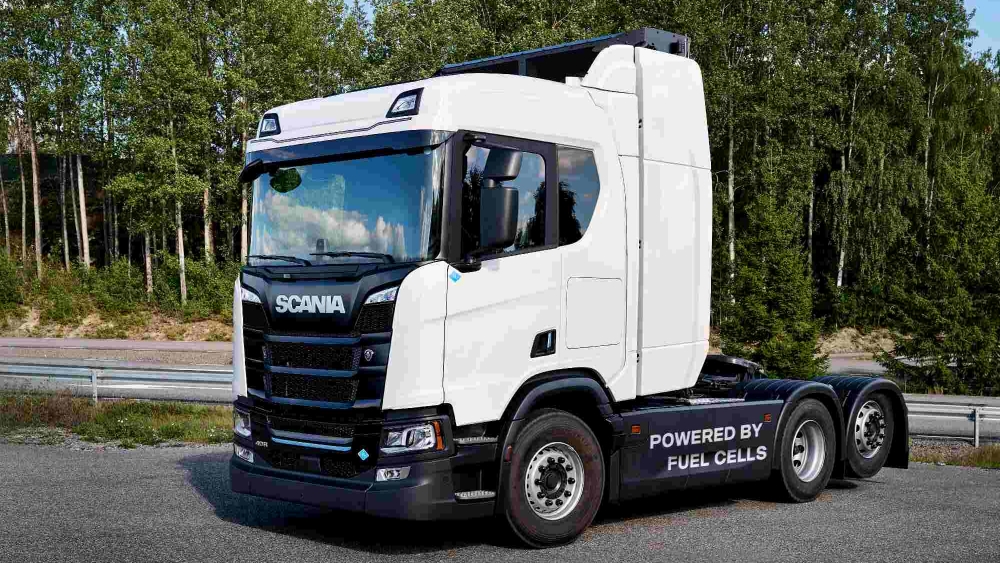
Scania has been conducting tests for some time.
Choosing Scania as a partner also provides an established testing environment, given that its Pilot Partner program has spent years using real-world operations as a proving ground. In 2025, Scania began testing fuel-cell trucks in collaboration with the Norwegian logistics company Asko Norge. The project aimed to evaluate their technical performance, operational viability, and commercial potential. Those tests targeted a range of up to 1,000 kilometers per refueling.
While the brand maintains battery-electric transport as the cornerstone of its decarbonization strategy, it considers it necessary to evaluate other technologies to determine which solution best suits each type of operation. Hydrogen is emerging as an alternative that could become particularly significant for long-haul routes and vehicles subject to high utilization rates, where maintaining high, consistent uptime is a priority.
Sara Forsberg, Scania’s Head of Technology, notes that the project's value lies precisely in real-world experience: "We are pleased to collaborate with Toyota to investigate the performance of fuel-cell technology under demanding, real-world transport conditions."
"Through our Pilot Partner program, we establish collaborations with specific customers to test new technologies in real-world usage scenarios, gain valuable insights from the experience, and continue refining our systems. This collaboration will provide us with invaluable information regarding the opportunities and challenges associated with hydrogen fuel-cell technology in heavy-duty transport," she concludes.