

The use of biomethane and hydrogen in sectors where vehicle electrification is not possible
The European energy transition is being driven by the deployment of solar panels, wind turbines, and large-capacity batteries. However, Europe is beginning to recognize that it is not possible to solve all problems simply by electrifying them. Biomethane and hydrogen are once again being considered, although with a significant difference compared to the high expectations of a few years ago: currently, the focus is on using them specifically in those places where they are viable.
The reason for this decision is eminently practical. Electricity demand is experiencing sustained growth, driven by electrification, artificial intelligence, digitalization, and industrial relocation. At the same time, Europe is concerned about its dependence on imported fuels. According to a recent analysis by Reuters, the areas of renewables, energy storage, electricity grids, biomethane, and hydrogen will require significant investments to adapt to this new scenario.
Biomethane has one advantage: the pipelines already exist.
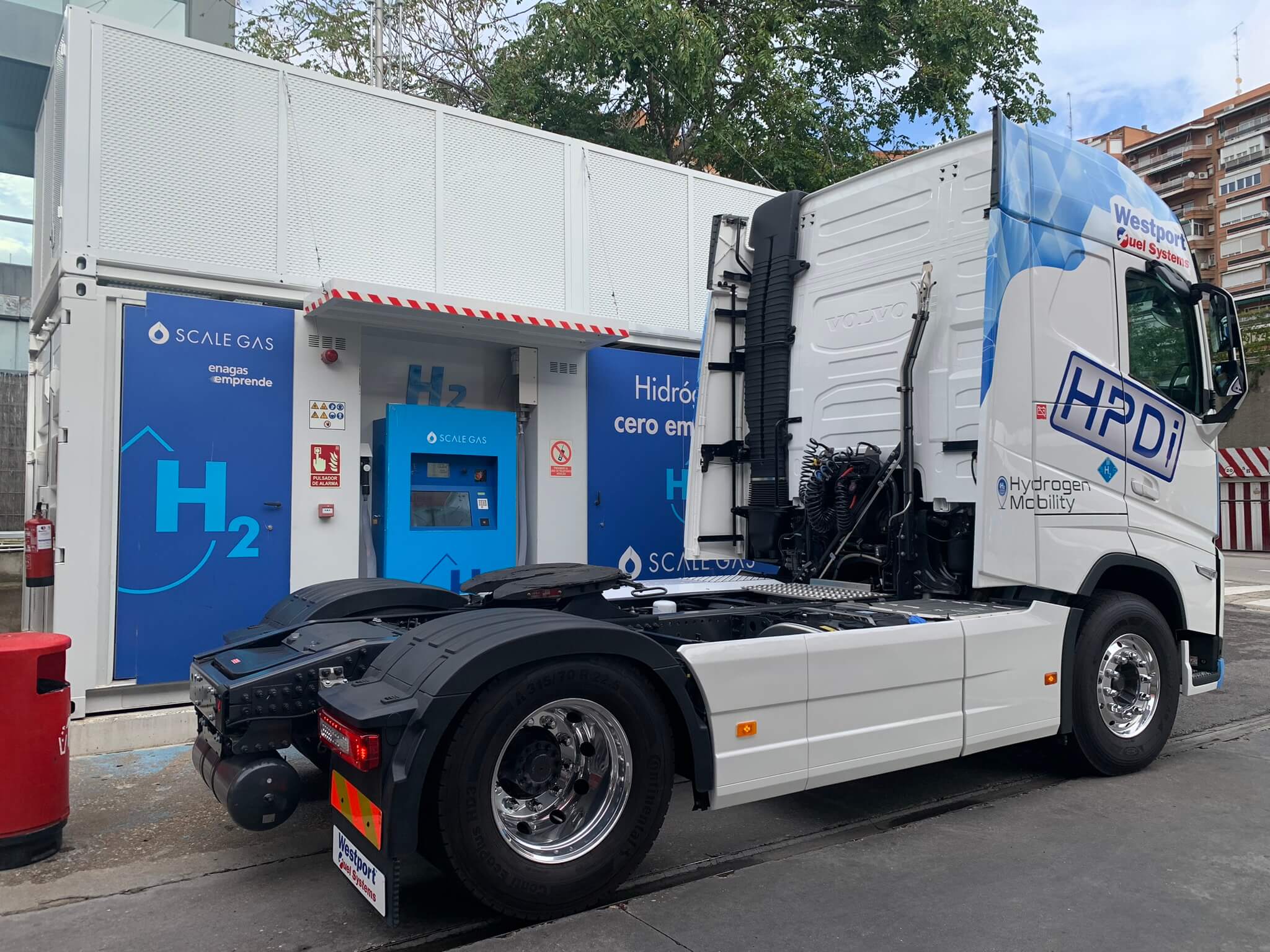
Biomethane presents a particularly interesting characteristic. This gas is obtained after a rigorous purification process of biogas generated from organic matter. Its use as a renewable substitute for natural gas represents a significant contribution to the development of sustainable energy.
This means that it is possible to utilize part of the existing gas infrastructure, including networks and certain equipment, thus avoiding the need to build the entire energy distribution system from scratch. Furthermore, its storage capacity and ability to be consumed in response to demand distinguish it from variable sources such as solar or wind power.
The European Commission has set a target of achieving an annual production of 35 billion cubic meters of biomethane by 2030, as part of its strategy to reduce dependence on fossil gas. To achieve this target, it is estimated that investments of around €37 billion will be required. The raw material can come from various sources, including agricultural and organic waste, also providing an energy outlet for materials that would otherwise have to be managed as waste.
Hydrogen in specific sectors.
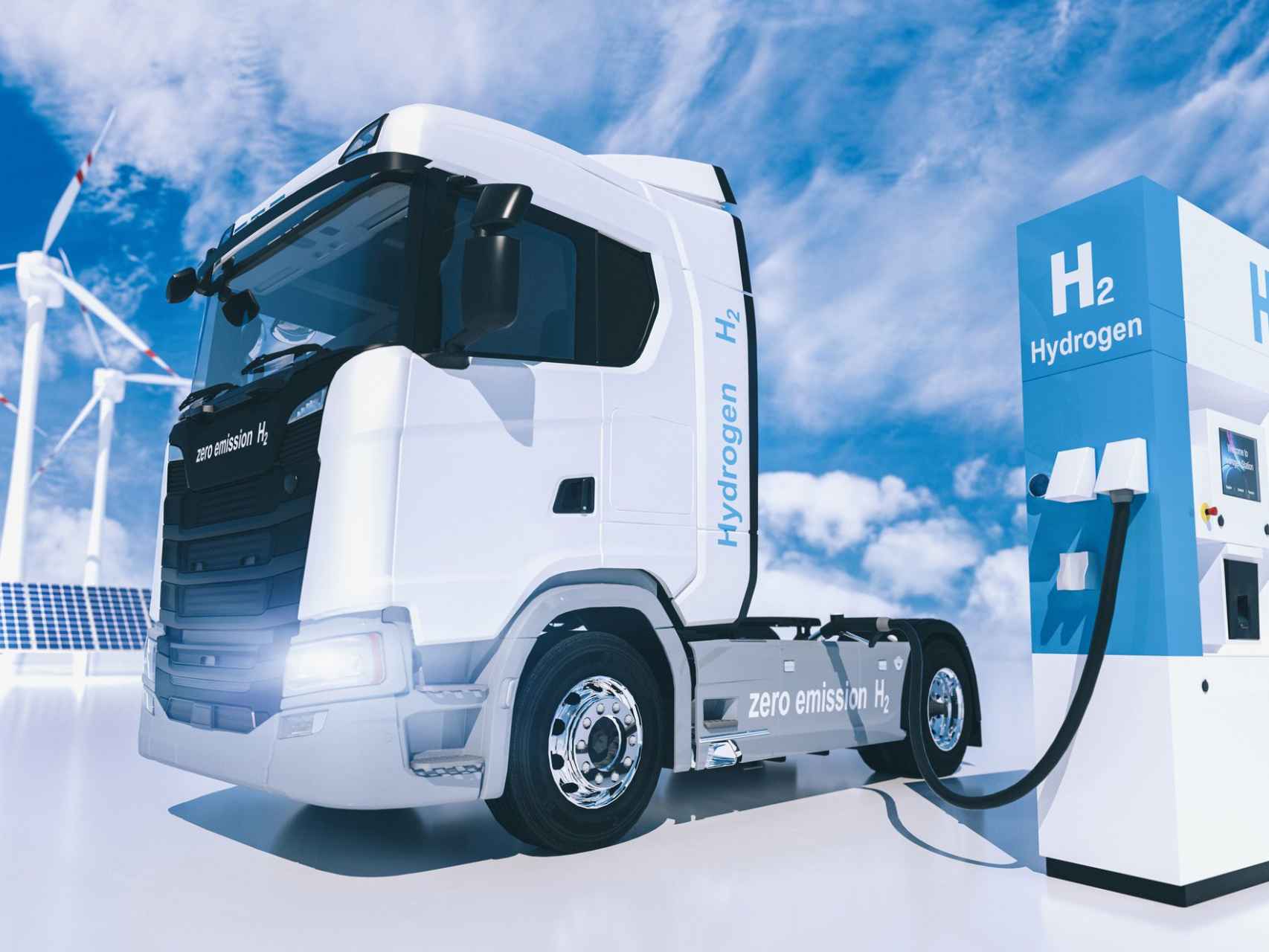
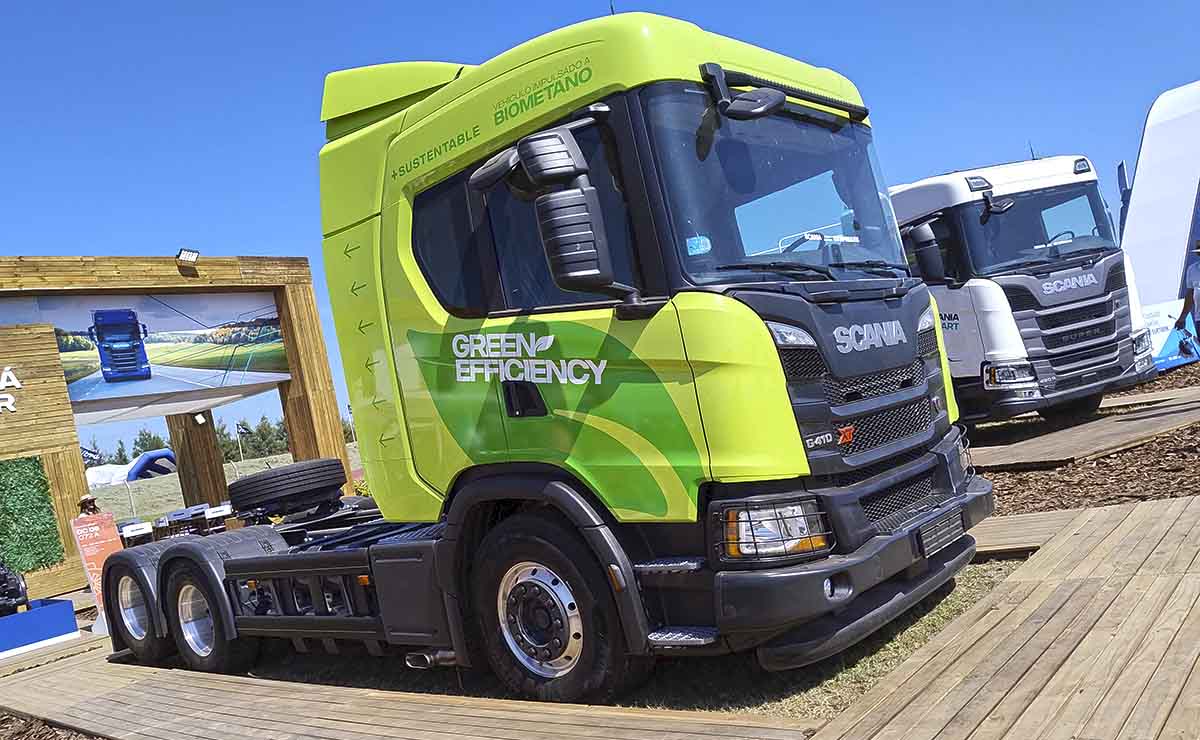
In the case of hydrogen, a different phenomenon is occurring. A few years ago, it was considered a potential fuel for a wide variety of applications, ranging from the automotive sector to home heating. Currently, investments are adopting a much more selective approach, focusing especially on refineries, chemicals, and heavy industry, where directly replacing fossil fuels with electricity can be more complex.
According to the International Energy Agency, global hydrogen demand will exceed 100 million tons by 2025; however, low-emission hydrogen still represents a minimal portion of the total. High costs, a lack of infrastructure, and, in particular, the absence of committed buyers continue to be factors hindering the development of numerous projects.
For this reason, the projects that are progressing are those that focus on specific and guaranteed industrial demand, rather than developing large-scale facilities in the hope of finding buyers later.
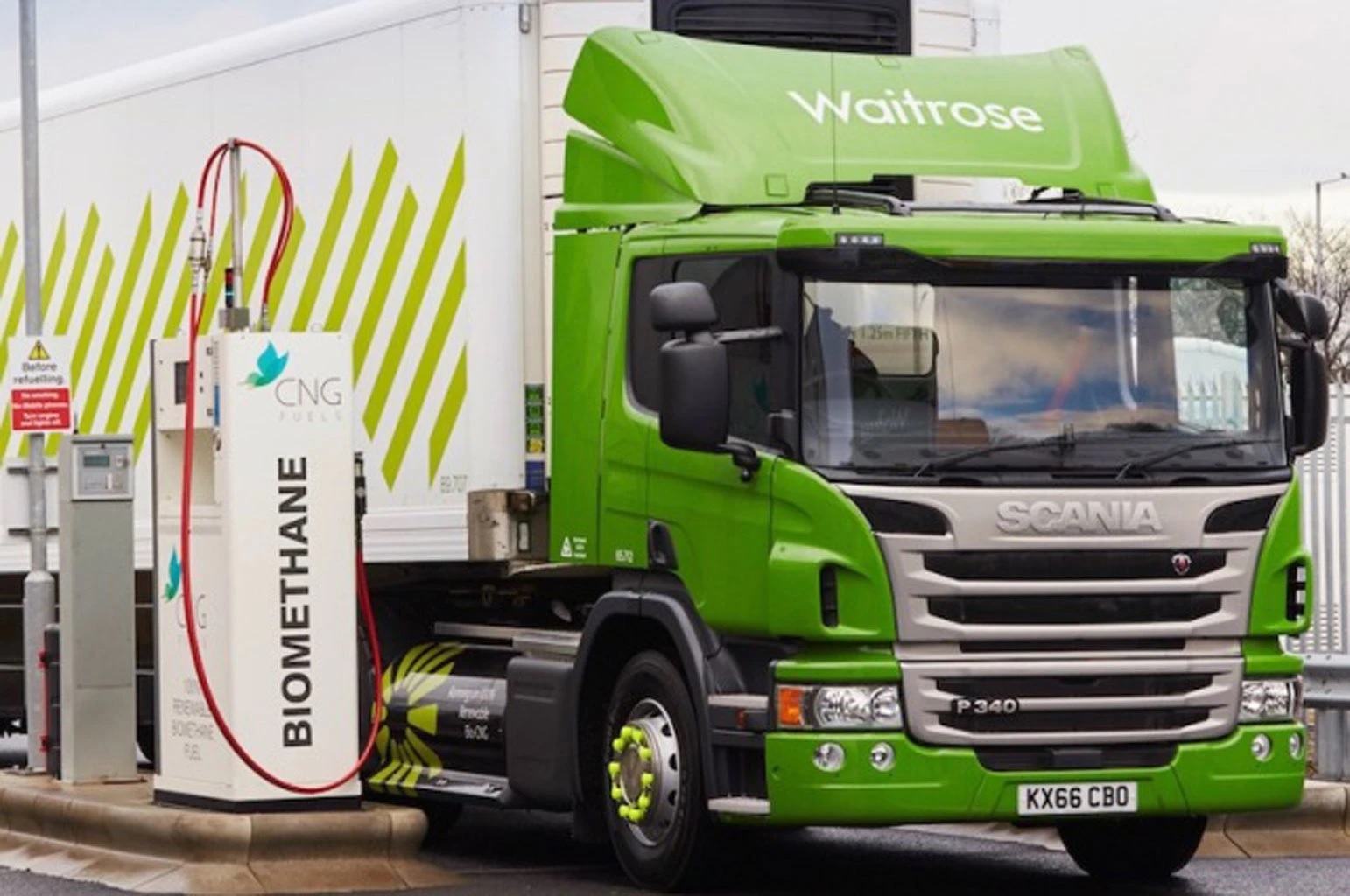
There will also be no single solution for mobility.
This specialization also contributes to understanding the future of transportation.
Batteries have demonstrated remarkable efficiency in cars, motorcycles, buses, and other vehicles that can be recharged regularly. However, as weight, distances, or the difficulty of stopping a vehicle for extended periods increase, exploring alternatives may be more advisable.
Low-emission hydrogen is still being considered, for example, for certain heavy and long-distance transport applications, although its current market penetration remains limited.
The European energy transition is progressively becoming more cooperative, focusing on the distribution of roles and responsibilities rather than selecting a single technology as the winner.
Electricity and batteries where they are most efficient; biomethane where existing infrastructure can be leveraged; and hydrogen in industrial or transport activities where direct electrification is particularly difficult.