
How to Remove Exhaust Flush to Pass the MOT
What the MOT Test Checks in the Emissions Test.
When it comes to the emissions test for the Vehicle Technical Inspection (MOT), concerns often arise regarding effective measures that can be implemented. Despite the existence of numerous theories about quick fixes, it is crucial to understand that the result depends on the actual condition of the emissions control system and preventive maintenance. Before resorting to last-minute solutions, it is imperative to conduct a thorough analysis that takes into account the influence of operating temperature and any prior diagnostics on the values measured by the testing station.
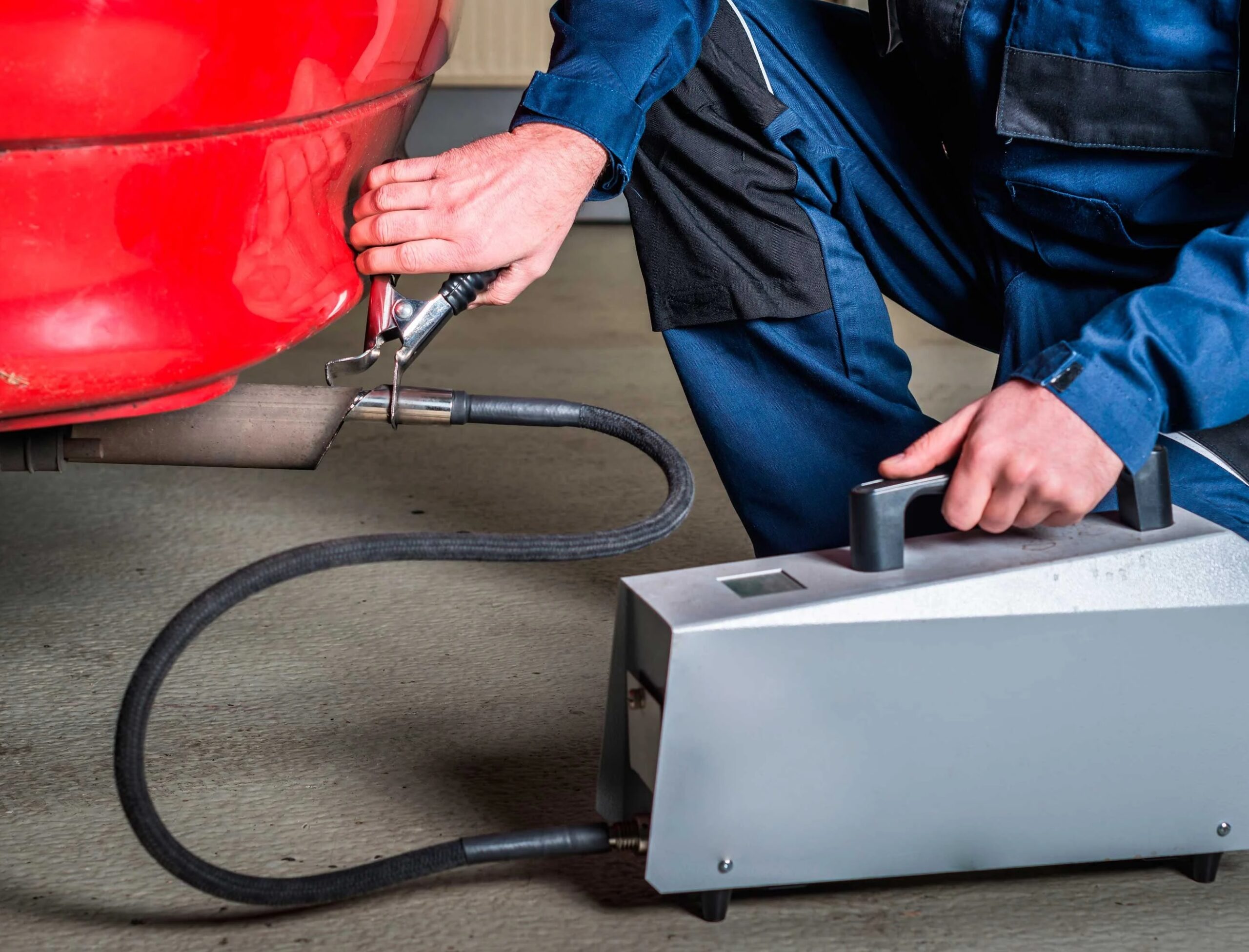
For gasoline engines, the analysis focuses primarily on carbon monoxide and, where applicable, the lambda value. For diesel engines, the opacity of the smoke is checked. It should also be noted that certain vehicles are tested using the OBD system. Therefore, it is important to note that a remedy that only partially reduces soot will not be effective in the case of a faulty lambda sensor, a damaged catalytic converter, or a stored error code.
The procedure depends on the type of fuel, the vehicle's registration date, and its type approval. Before the measurement, the technician performs a visual inspection to ensure that the exhaust system and emissions control equipment are complete, in good working order, and leak-free. They also verify that the engine is fit to safely carry out the test and, in affected vehicles, that the MIL (Malfunction Indicator Lamp) turns off after the initial check.
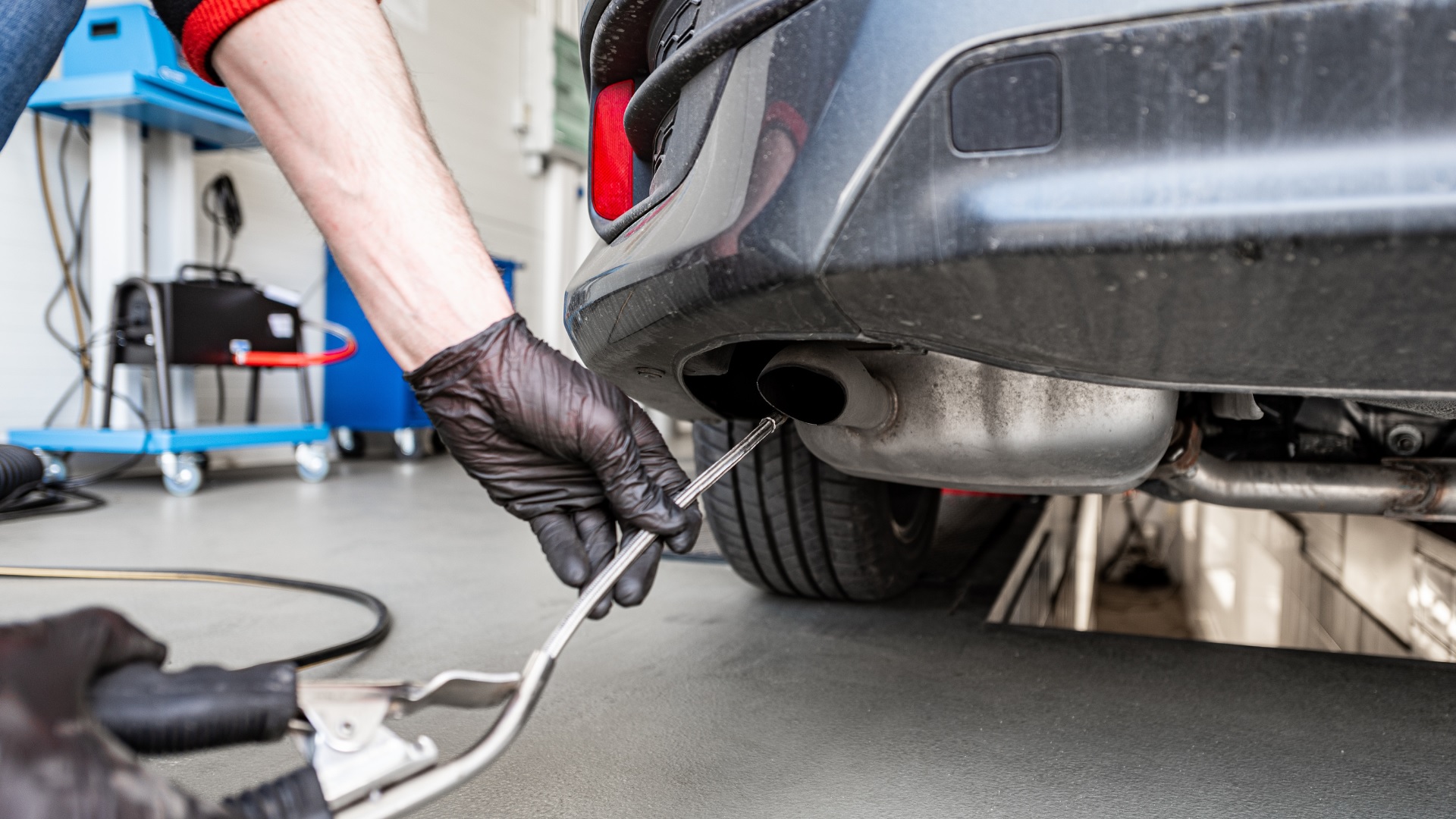
In gasoline engines, a high CO concentration usually indicates incomplete combustion or inefficient gas conversion by the catalytic converter. If the lambda value is outside the permitted range, this indicates a possible incorrect air-fuel mixture. Possible causes include an air leak, injection problems, ignition issues, or a gas leak.
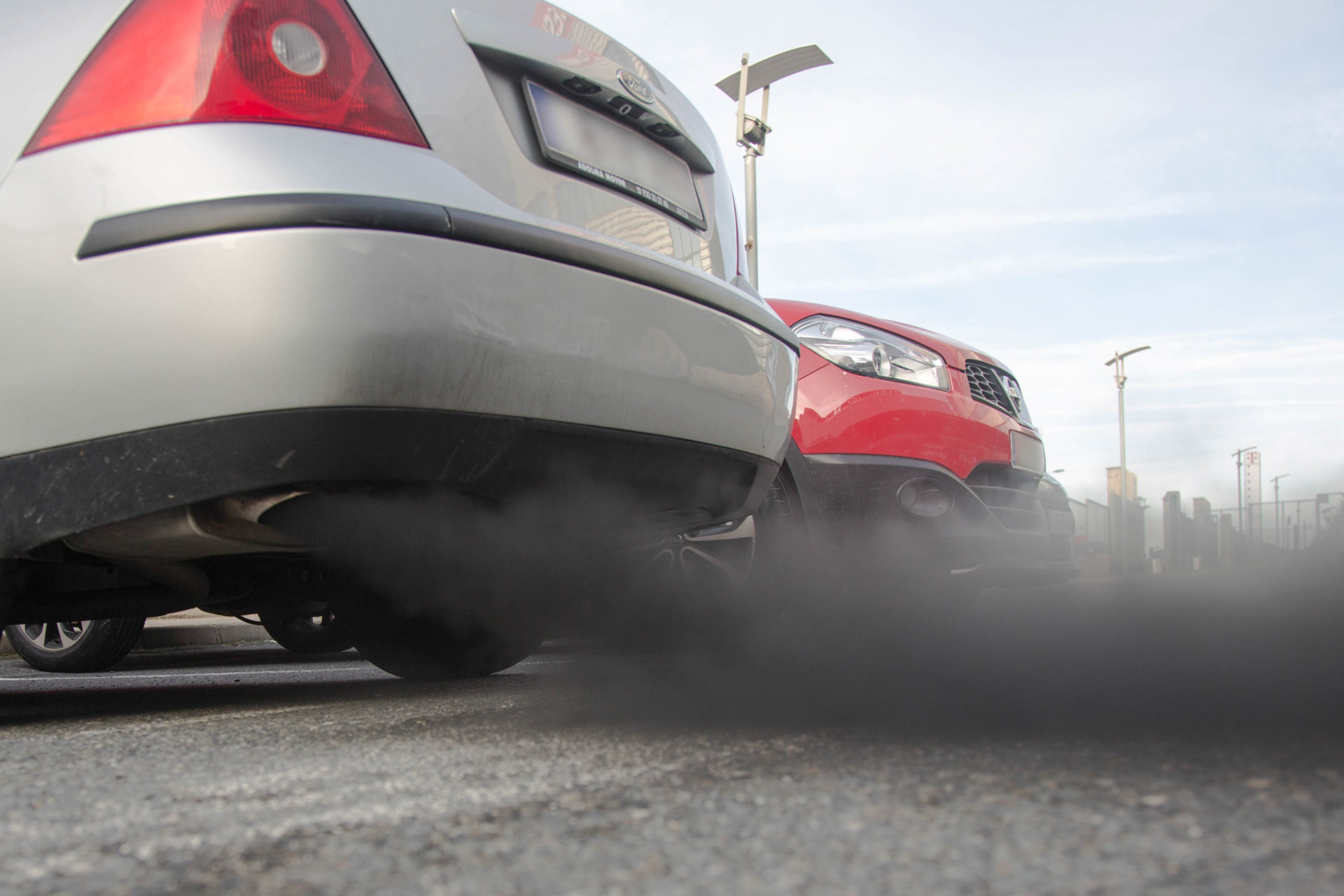
In diesel vehicles, opacity reflects the amount of light blocked by the exhaust smoke and is related to soot levels. A clogged air filter, faulty injectors, a blocked EGR valve, turbocharger problems, or a clogged particulate filter can lead to results exceeding expected parameters. The inspection station applies controlled accelerations and limits related to the vehicle or its regulations.
What you can do before your inspection.
If your vehicle exhibits symptoms such as loss of power, vibrations, increased fuel consumption, persistent smoke emissions, or a persistent engine malfunction indicator light, a technical evaluation is recommended. It's important to note that clearing the warning light or disconnecting the battery won't fix the root cause of the problem. Furthermore, an OBD scan can detect confirmed or permanent faults, as well as data related to clearing previous codes.
Update basic maintenance.
It's recommended to consult the owner's manual and perform a thorough check of the air filter, oil, fuel, and, in the case of gasoline vehicles, the spark plugs. It's important to emphasize that maintenance can help in cases where the problem originates from these consumables. However, it's crucial to understand that maintenance cannot repair a melted catalytic converter or a faulty sensor.
Ensure the engine is at operating temperature.
It has been shown that repeated short trips can cause the catalytic converter and exhaust system to cool down. It's essential to perform a thorough test drive beforehand to reach the proper operating temperature. There isn't a universal 20-kilometer distance: it depends on the car, the weather, traffic, and the route.
Do additives work to pass the MOT test?
A compatible additive can be effective in cleaning minor deposits in the fuel system; however, its performance may vary depending on the product and engine type. It is important to note that additives do not replace the repair of critical components such as injectors, EGR valves, DPF, or turbochargers.
What to do if your car has already failed the emissions test.
The report in question identifies the defect and provides the necessary guidelines for an accurate diagnosis. Take the complete report to the garage and request that the parameter that caused the failure be measured before and after the repair. If the vehicle inspection (MOT test) is unsuccessful due to emissions, the vehicle may only be driven during authorized journeys to rectify the defects and then return to the MOT test center for a new inspection.
Frequently Asked Questions.
- How long should I drive before the emissions test?.
It is important to note that there is no single figure that applies to all cases. It is recommended to drive the vehicle for a suitable period to allow both the engine and exhaust system to reach their normal operating temperature, thus avoiding excessive idling with the vehicle off.
- Is it a good idea to rev the engine before entering the vehicle inspection station?.
It is important to avoid improvisation during this process. It is important to note that repeatedly revving the engine outside the inspection area can be pointless and risky if the engine is cold, low on oil, or has a malfunction.
- Does premium gasoline reduce emissions during the vehicle inspection?.
It is essential to use the fuel specified by the manufacturer. It is important to note that a higher octane rating does not guarantee repairs to the ignition, fuel mixture, or catalytic converter.
- Can I pass the vehicle inspection with the engine warning light on?.
If the MIL (Malfunction Indicator Lamp) remains illuminated, it could be considered a serious defect. It is imperative to read the codes, repair the cause, and check the system.
In short, reducing emissions allows for the restoration of optimal engine and emissions control systems: proper maintenance, appropriate operating temperature, and accurate diagnostics.