
ADAS systems can prevent 20% of traffic accidents
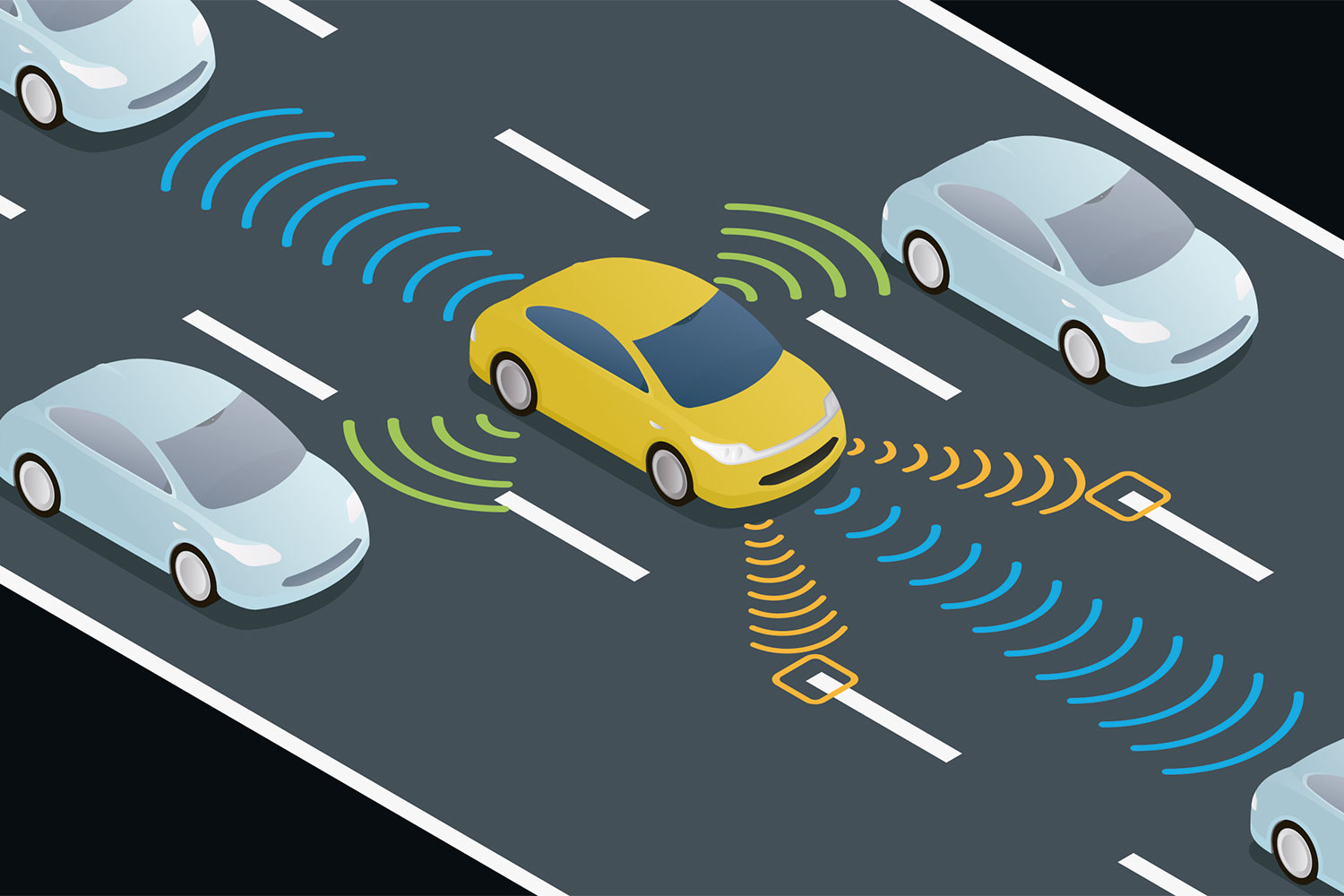
Advanced driver assistance systems have become one of the main strengths of safety in modern vehicles. These systems include features such as automatic emergency braking, lane keeping assist, blind spot monitoring, and speed sign recognition, among others. While these technologies have gained popularity, their effectiveness depends largely on the driver's decision to use them. A recent study conducted in Australia reveals the extent to which this issue can limit the benefits of these systems, underscoring the importance of driver confidence compared to the technology itself.
The study, conducted by Insurance Australia Group (IAG) in collaboration with Queensland University of Technology (QUT) and the iMOVE Cooperative Research Centre, meticulously combines three sources of information. To this end, researchers analyzed 100,000 collisions recorded in Queensland and Victoria over 11 years, conducted a real-world driving study with 50 participants, and surveyed more than 2,000 drivers of vehicles equipped with advanced driver assistance systems (ADAS).
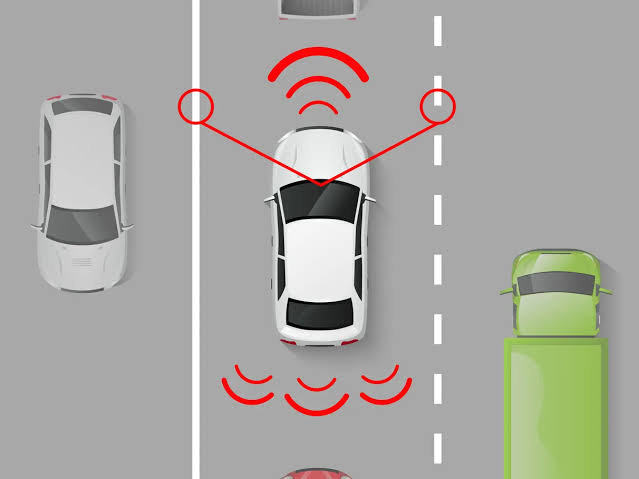
They work when they are activated.
As a main conclusion, it can be stated unequivocally that the effectiveness of the systems is demonstrated when they are active. The collision analysis revealed that each of the evaluated technologies succeeded in reducing the risk of the type of accident it was designed to prevent. Lane-keeping assist demonstrated remarkable effectiveness in reducing side collisions, with a decrease of up to 40%. The implementation of automatic emergency braking resulted in a reduction of up to 21% in frontal collisions. Furthermore, blind-spot monitoring contributed to a decrease of up to 15% in lane-change-related accidents.
The problem arises when drivers choose to deactivate these systems, as research shows that 60% of motorists confirm having disabled one of these systems at some point or regularly. The reasons for doing so are varied, but they primarily center on the perception that these systems are annoying, intrusive, or unreliable. Unexpected steering or braking interventions, constant warnings, and false alarms can generate frustration and lead drivers to opt out of using the assistance, despite its availability in the vehicle.
Lane keeping assist is a notable example in this context: while the study attributes to it a potential reduction of up to 40% in certain types of collisions, it was also the system that received the most negative feedback during road tests and showed the greatest tendency to be deactivated. The study suggests an apparent contradiction: the technology may provide significant benefits in terms of theoretical safety, but its practical impact may be much smaller if users do not trust it.
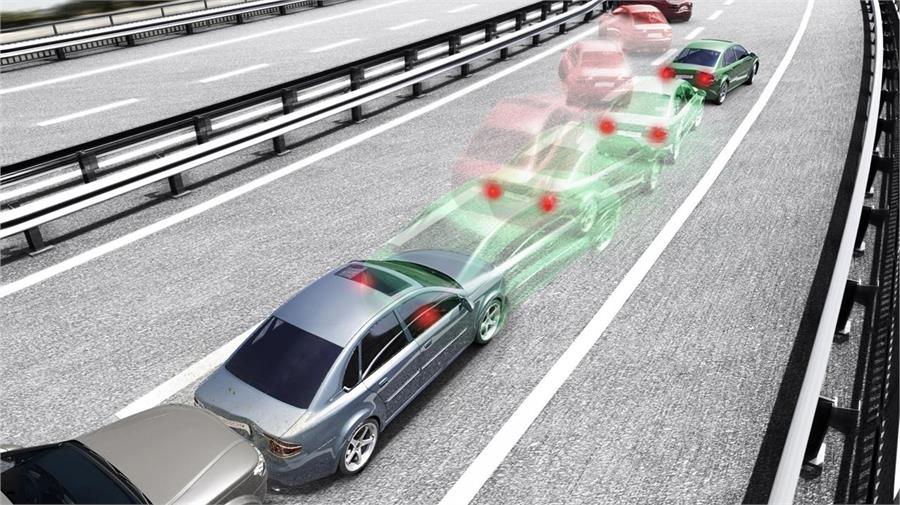
Drivers don't know how their cars' ADAS (Advanced Driver Assistance Systems) work.
Another relevant factor is training, as many users purchase new vehicles equipped with driver assistance systems without receiving adequate information on how they operate. According to the survey findings, around 80% of drivers claim to have learned to use these systems through experimentation, while the remaining 72% believe that more information or training on their operation would be beneficial. In practical tests, a single supervised session more than doubled the proportion of participants who reported having no obstacles to using the assistance systems.
According to IAG estimates, the widespread implementation of these systems could prevent approximately 7,850 traffic fatalities per year in Australia, representing roughly one-fifth of the nearly 40,000 serious injuries annually. Therefore, although the study was conducted in Australia, its findings are applicable to regions such as Europe and the United States, where manufacturers are progressively incorporating assistance features into new vehicles, often mandated by current regulations.
According to Shawn Ticehurst, director of the IAG Research Centre, "one might expect that the modernization of the vehicle fleet, with the incorporation of driver assistance systems as standard, would result in a positive correlation reflected in a reduction in accident rates and casualties; however, this is not happening, and this situation needs to change if we want to reduce the number of accidents."