
Download the audio
Slide 1. Introduction.
The class develops what is checked and how often the maintenance of an electric vehicle is performed, its cost, and the implications for fleet management.
Slide 2. Electric vehicle maintenance.
- What is checked on an electric vehicle during each maintenance service.
It's understandable that questions arise about the necessary maintenance for an electric car when considering purchasing one. There are no oil changes, clutch replacements, or timing belt replacements. However, regular checks have been implemented to prevent costly breakdowns and maintain the warranty.
The fundamental difference between an electric vehicle and a gasoline or diesel vehicle lies not in the absence of maintenance, but in the distribution of that maintenance across other components: high-voltage battery, cooling system, brakes, tires, software, climate control, and safety features.
The maintenance of an electric vehicle involves a combination of traditional mechanical inspection and electronic diagnostics. The workshop performs a complete vehicle evaluation, including connecting diagnostic equipment to read parameters of the battery, inverter, onboard charger, and control modules.
In practical terms, basic maintenance generally covers tires, brakes, suspension, steering, auxiliary fluids, cabin air filter, lights, windshield wipers, climate control, and software updates. It does not include engine oil, spark plugs, fuel filter, turbocharger, conventional clutch, or exhaust system maintenance.
- High-Voltage battery and cooling system.
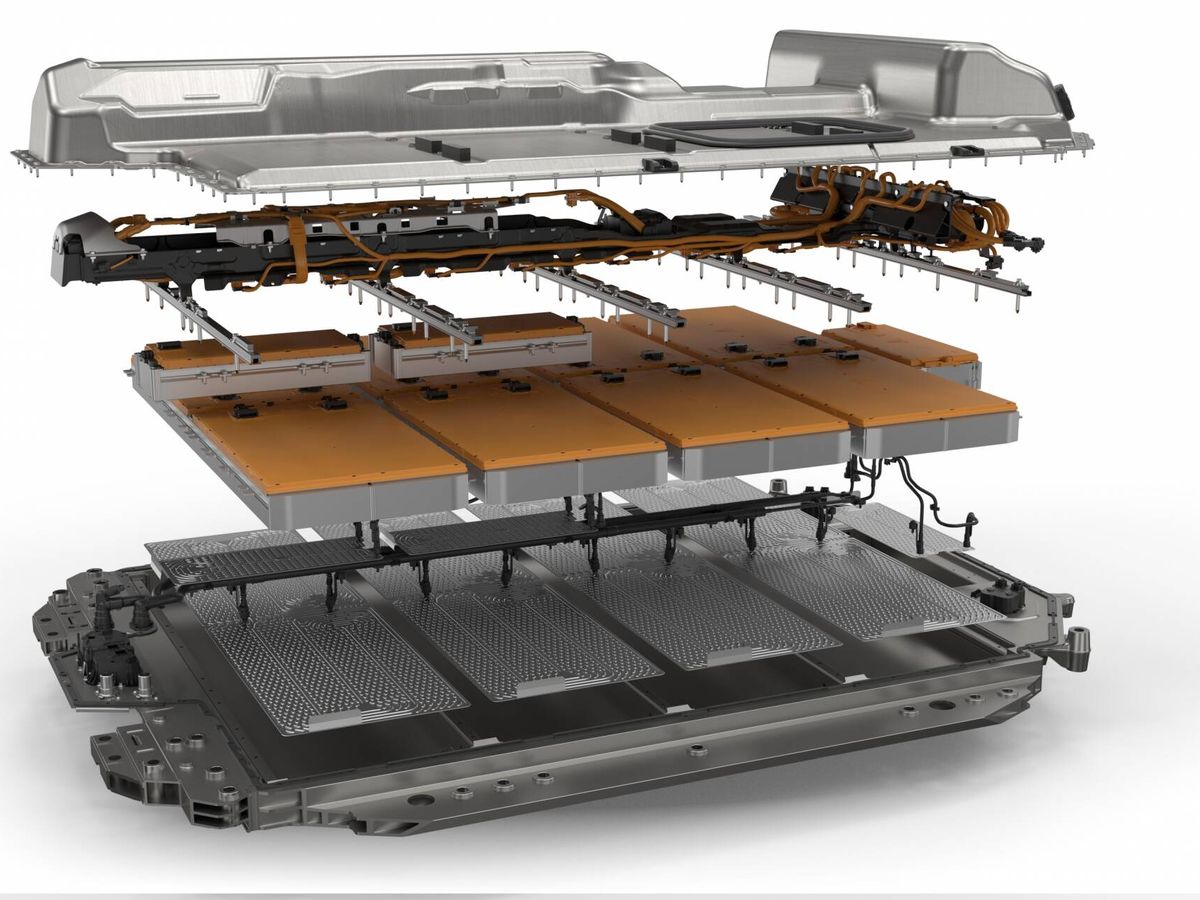
The battery is the most expensive component of an electric vehicle; however, its maintenance differs from that of a conventional 12-volt battery. The workshop analyzes the battery's health, identifying any error codes, checking the operating temperature, the balance between modules, and the cooling system's operation.
It is also crucial to understand the lifespan of an electric vehicle's battery, as its degradation is not solely related to distance traveled. Several factors can affect the range of an electric vehicle, such as temperature, charging cycles, use of fast charging, and driving time at full load or with the battery at very low levels.
- Brakes, tires, and suspension.
The brakes of an electric vehicle tend to have greater durability thanks to regenerative braking technology. However, this does not mean they do not require proper maintenance. Because they are used less frequently, the discs and calipers are at greater risk of oxidation, seizing, or uneven wear if the vehicle is driven frequently in urban environments and uses the mechanical brakes sparingly.
- Tires.
It is recommended to pay special attention to the tires. The weight of the battery and the instant torque increase the demands on the tires, especially in high-performance models. Regular checks are essential to monitor tire pressure, inner wear, alignment, and tread depth to prevent increased fuel consumption and ensure safety.
- How often should an electric car be serviced?.
The service interval varies depending on the vehicle's make and model, although many manufacturers recommend every 15,000, 20,000, or 30,000 kilometers, or once a year or every two years if that mileage is not reached. The owner's manual, as the reference technical document, takes precedence over any general rule.
In urban driving with low mileage, it is crucial to adhere to the established service intervals. Even an electric vehicle with low mileage may require a check of fluids, brakes, tires, climate control, 12-volt battery, and sometimes software updates.
- First service: what it usually includes.
The first service is usually simpler and less expensive. It generally focuses on diagnostics, visual inspections, replacing cabin air filters, and inspecting tires, brakes, tire pressure, lights, fluid levels, and any outstanding recalls. If the vehicle is new, it's also checked for any outstanding manufacturer's warnings.
- Higher mileage services.
After 60,000 or 80,000 kilometers, more expensive services may be required, such as brake fluid replacement, a thorough suspension inspection, tire replacement, wheel alignment, battery coolant replacement in certain models, or specific climate control system maintenance.
- How much do electric car servicing services cost?.
Maintaining an electric vehicle tends to be cheaper compared to an equivalent combustion engine vehicle. However, it's important to keep in mind that there isn't a single price for this service. The price can vary depending on the brand, the official plan, the city, and the services included. For urban models, a basic service can cost approximately between 90 euros and 180 euros, provided it doesn't require replacing tires, the 12-volt battery, or other components.
For compact cars and family SUVs, the cost of an intermediate service can range from 150 euros to 300 euros. For premium electric vehicles, with large wheels, complex suspensions, and more electronics, certain services can exceed 300 euros or 400 euros. Therefore, it is recommended to request a detailed quote and check if the manufacturer includes recalls, diagnostics, and updates within the scheduled maintenance.
These amounts are merely indicative. An electric car does not have the same maintenance costs as an SUV weighing over two tons, and a 19- or 20-inch wheel can have a more significant impact on the annual bill than the scheduled service itself.
- Components that aren't replaced in an electric vehicle.
The great advantage of electric vehicles lies in the elimination of numerous parts subject to constant wear and tear in an internal combustion engine. There's no engine oil, oil filter, fuel filter, spark plugs, glow plugs, timing belt, traditional clutch, or complex gearbox with multiple gears.
This simplicity reduces the risk of breakdowns and the need for workshop visits, but it doesn't eliminate the need for proper vehicle maintenance. Factors such as weight, power electronics, thermal management, and the price of some components justify the importance of regular servicing.
- Charging, connectors, and software: maintenance that isn't always visible.
The charging port, cable, and onboard charger are also part of the maintenance. The workshop is equipped to check for potential blockages, clogged covers, communication errors, and the condition of the connectors, especially if the vehicle is charged daily on public roads or in public areas.
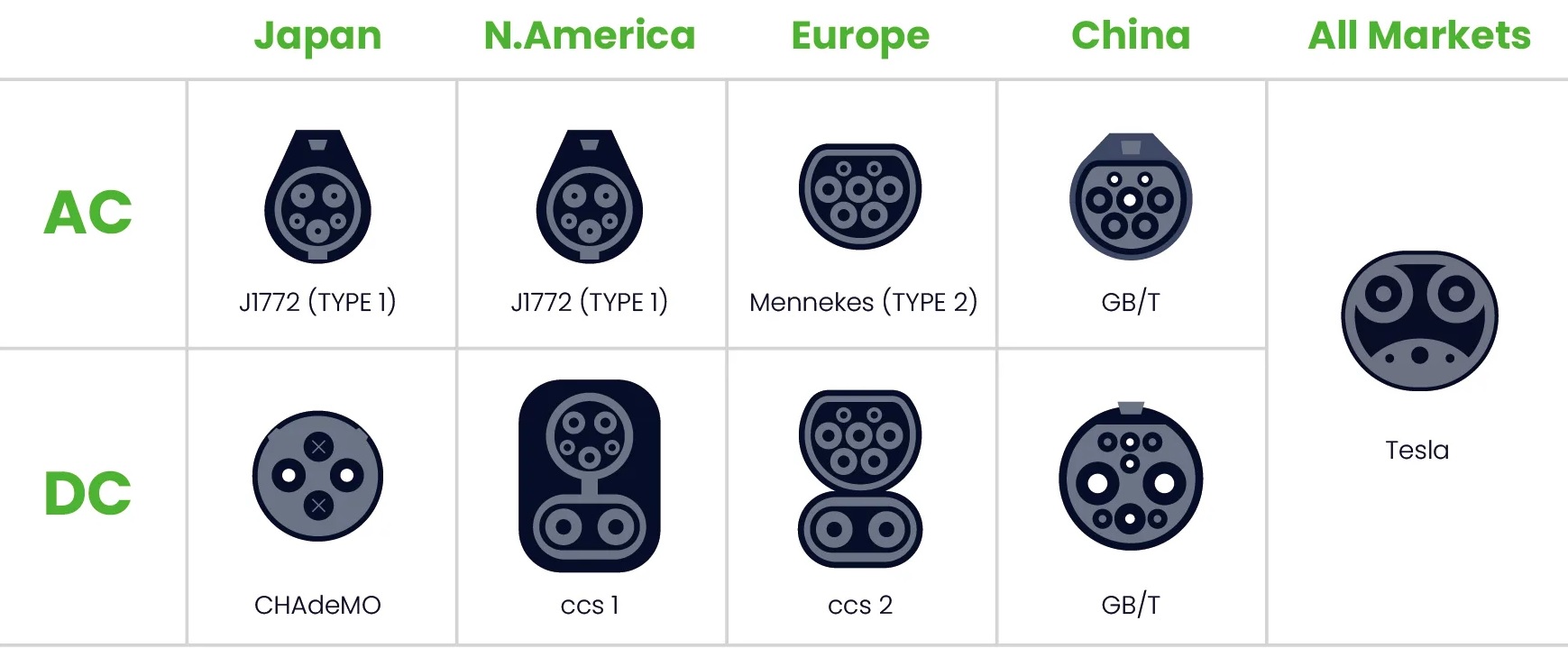
Understanding the operation of the Type 2 connector and CCS is crucial to distinguish between AC charging at home or in public charging stations and fast charging while traveling. In both cases, a damaged or dirty connector can cause charging interruptions, overheating, or error messages.
When traveling frequently, CCS Combo 2 becomes particularly important, as it allows for DC fast charging. Its use is straightforward; however, using excessive power can increase battery temperature and accelerate long-term wear.
- Software updates and diagnostics.
More and more manufacturers are focusing on fixing bugs or improving features through OTA (Over-The-Air) software updates. Some components require a specialized workshop for maintenance, while others can be serviced remotely. Therefore, it is recommended to check during each service for any pending technical campaigns, thermal management adjustments, or charging improvements.
- 12-volt battery: the small fault that can leave you stranded.
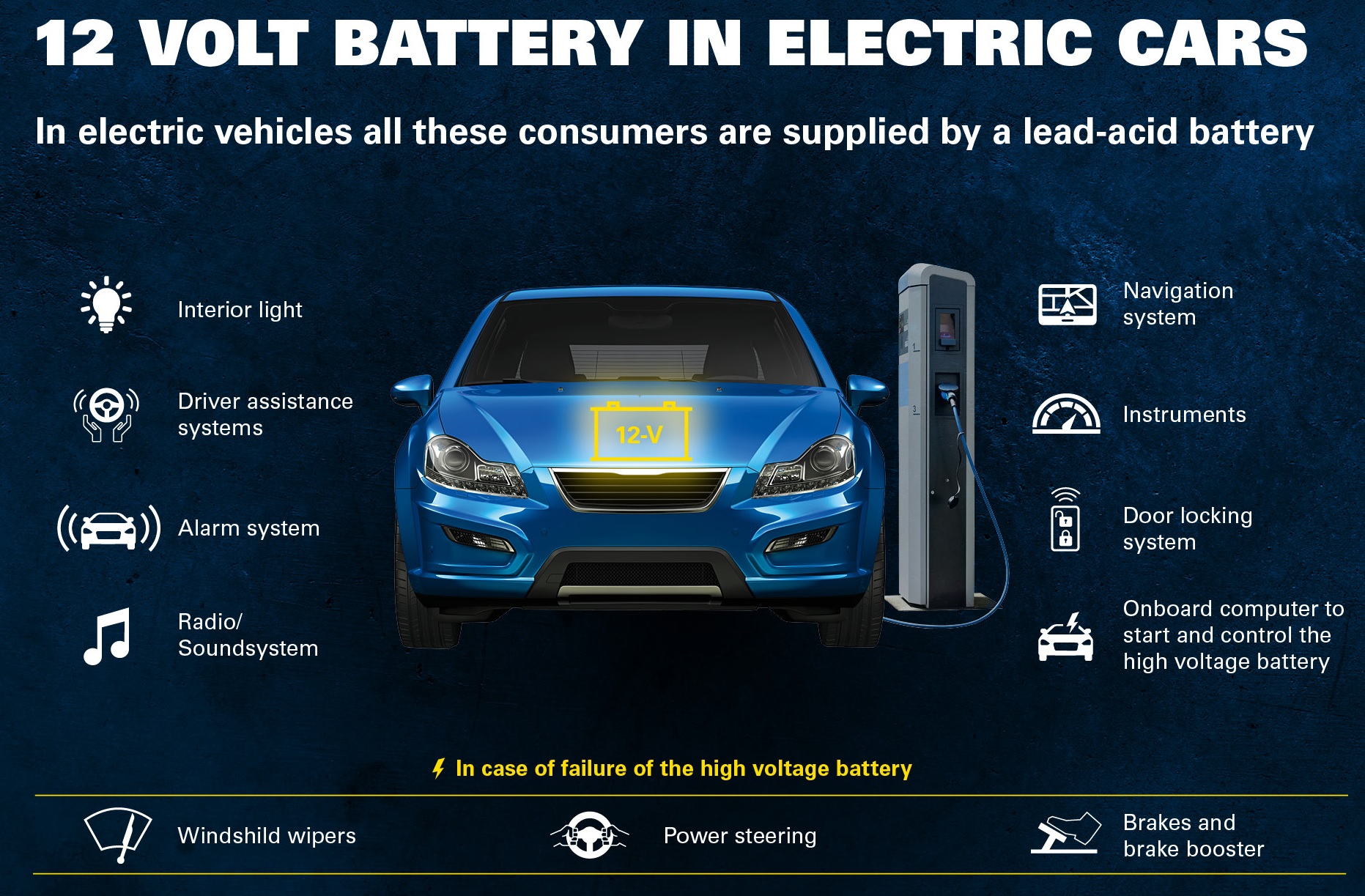
Although it may seem contradictory, an electric vehicle is also equipped with a 12-volt battery. It powers the locks, control units, lighting, relays, and auxiliary systems. In the event of a failure, the vehicle may not start even if the main battery is charged.
Therefore, it's advisable to check the vehicle's 12-volt battery with a multimeter if you experience electrical warnings, slow locking, or intermittent malfunctions. More precise tools are used in a workshop to perform a thorough inspection. However, it's possible to take a basic measurement to anticipate potential problems before the vehicle becomes immobilized.
- How to save on maintenance without voiding your warranty.
The most effective way to manage savings isn't by skipping maintenance checks, but by adhering to the established schedules and paying meticulous attention to the components that generate the highest costs. To do this, it's necessary to maintain proper tire pressure, avoid frequent hard acceleration, refrain from excessive use of fast charging, and keep the software updated.
For compatible models, it's essential to confirm that connected services, such as the Plug&Charge system, are functioning correctly during the inspection and update process. It's important to note that, while this operation isn't mechanical, a malfunction of the certificates, software, or communication can prevent automatic charging from starting and require the use of an app or card.
- What to check before buying a used electric vehicle.
When purchasing a used electric vehicle, it's not enough to limit your evaluation to the mileage and exterior condition. It would be advisable to request the maintenance history, available diagnostic reports, the current battery status, the actual charging power it accepts, any technical campaigns carried out, and the remaining warranty on the high-voltage system. It is important to emphasize that a range figure, even if detailed in the table, does not replace the need for a professional assessment of the vehicle as a whole.
Likewise, it is necessary to check tire wear, the operation of the climate control system, the charging cable, the home charger (if included), suspension noises, and any potential damage to the undercarriage. An AC load test, and if possible, a DC load test, are essential to identify communication failures or limitations that are not detected in a standard driving test.
- FAQs about electric car servicing.
- Does an electric car require less maintenance than a gasoline car?.
Yes, the number of required routine maintenance services is lower, as it doesn't include engine oil, timing belt, conventional clutch, spark plugs, or exhaust system maintenance. However, regular checks are necessary for the brakes, tires, suspension, climate control, 12-volt battery, high-voltage system cooling, and software. The savings vary depending on the model and can be reduced if large tires are used or if costly electronic repairs are required.
-
- How much does it cost per year to maintain an electric car?.
Under standard use, the cost of scheduled maintenance ranges from 150 euros to 400 euros per year. However, it's important to note that these services are not always performed annually. This figure does not include tires, damage from impacts, breakdowns, or replacement of the 12-volt battery. A basic utility vehicle tends to be at the lower end of the range, while a heavyweight or premium electric SUV can exceed these amounts in terms of parts, labor, and larger wheels.
-
- Does an electric car battery need replacing?.
Battery replacement is not considered standard procedure during the first few years of operation and is not part of a general service. Batteries typically come with long warranties and are designed to maintain high capacity over multiple cycles. It is recommended to closely monitor their health, cooling, diagnostic warnings, and charging habits. Only abnormal degradation, an internal failure, or physical damage would justify repairing modules or replacing the entire battery.
-
- What maintenance can increase the bill the most?.
The expenses that most frequently increase the overall cost are usually excluded from the basic service. These include oversized tires, alignment, a 12-volt battery, suspension components, air conditioning, and repairs to the dock or onboard charger. The battery is the most expensive component, but complete replacement is rare. To make an effective budget comparison, it is essential to distinguish between scheduled maintenance, consumables, and breakdowns.
- Implications for fleet management.
The main consequences of not maintaining an electric vehicle are entirely negative, including more breakdowns, accelerated deterioration of systems and components, lack of software updates, greater depreciation of residual value, and the vehicle spending more time out of service due to increased breakdowns and incidents.
The following measures are recommended:
- Vehicle Maintenance.
It is recommended to follow the vehicle manufacturer's instructions and maintenance schedule.
- The charging port and cable are also part of the maintenance.
These components must also be maintained; check their physical condition and ensure they are functioning correctly.
- Safety Measures.
An electric vehicle battery operates at 400 or 800 volts. Appropriate precautions must be taken when handling the vehicle's high-voltage system. The vehicle manufacturer has a specific procedure for this, such as disconnecting the high-voltage battery. High-voltage cables are orange, etc. Always follow the established procedure for working with the high-voltage system.
- Training for our mechanics.
Ongoing training in electric vehicle technology and maintenance is essential for our mechanics, as this technology evolves very rapidly.
- External workshop.
If you lack the necessary resources to perform all or some of the maintenance activities on your electric vehicle, have it done at an authorized dealership or an external workshop.
- Premium spare parts.
Use original spare parts or parts from premium manufacturers. Do not use second-hand or low-quality spare parts.
An electric vehicle requires less maintenance than a combustion engine model, but it cannot be considered exempt from regular servicing. It is essential to respect the manufacturer's established maintenance schedules, perform regular inspections of the tires and brakes, verify the condition of the charging systems, and maintain a detailed record of diagnostic interventions. These practices not only protect the vehicle's warranty but also allow for the timely identification of any problems that may affect the battery or power electronics, thus preventing costly repairs.
Slide 3. Thank you for your time.
The class has developed what is inspected and how often the maintenance of an electric vehicle is performed, its cost, and the implications for fleet management, see you soon.