

Download the audio
Slide 1. Introduction.
The class develops what OTA updates are in a vehicle, how they work, which systems they can modify, what benefits they offer, what risks they pose to a connected vehicle, and their implications for fleet management.
Slide 2. OTA Updates in a Vehicle.
- What OTA updates are and how they work.
OTA Over-the-air updates have significantly transformed the way vehicles evolve after leaving the dealership. Previously, when a problem arose or system adjustments were needed, it was common practice to visit a service center. Today, many vehicle models are equipped with the ability to download software updates without the need for physical intervention, provided the vehicle is connected to the Internet.
This technology, which is increasingly common in new vehicles, allows for the correction of errors, the addition of features, and the maintenance of various vehicle systems in a matter of minutes. Software has become critically important in areas such as multimedia systems, navigation, energy management, and driver-assistance features. Therefore, it is essential to understand the potential scope of a remote update and its limitations.
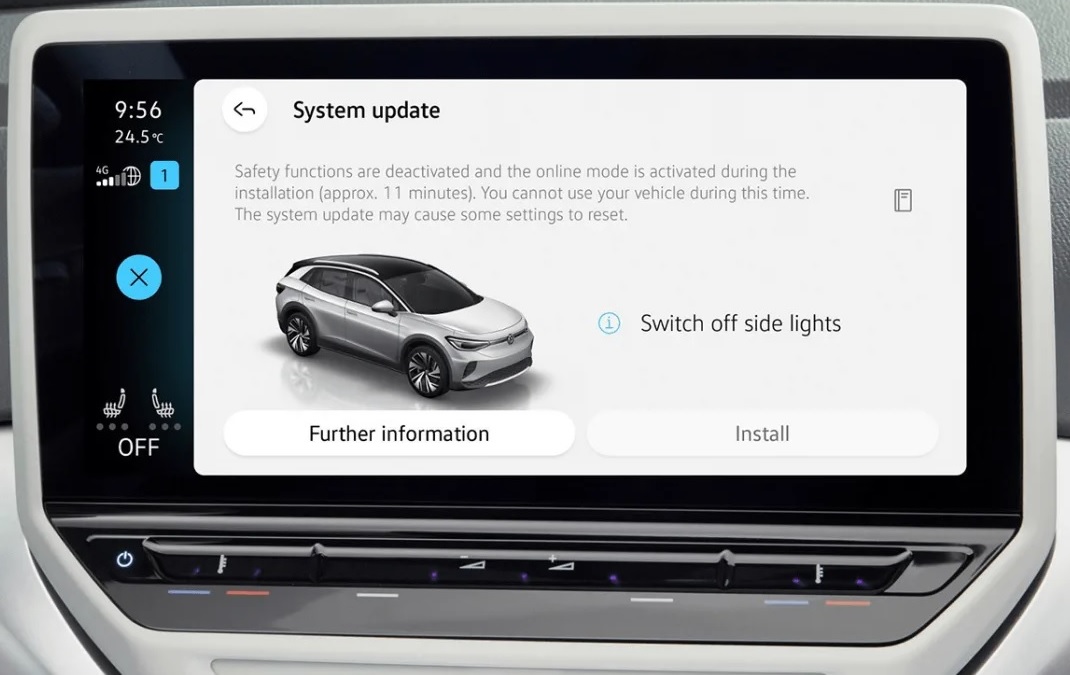
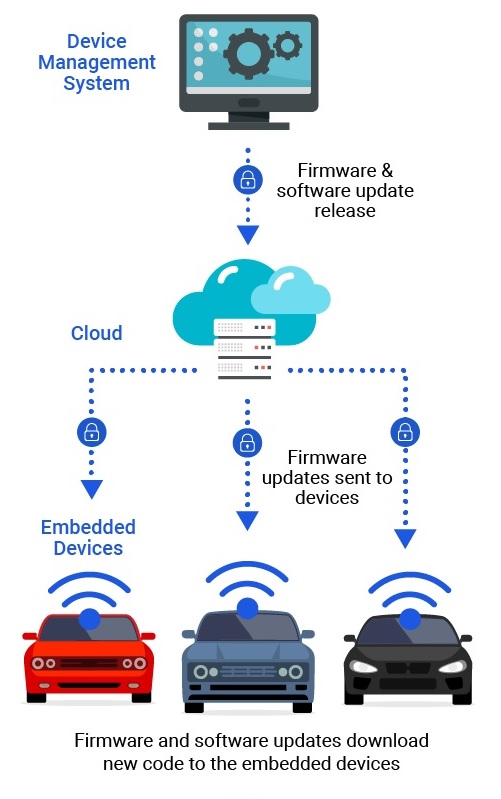
OTA updates are remote software downloads that the vehicle receives without needing to visit a service center for each update. The process works similarly to a mobile phone: the manufacturer releases a new version, uploads it to its servers, and the car downloads it when it detects an available connection, whether via the built-in cellular network or WiFi.
Once the download is complete, the system notifies the driver and schedules the installation. It is important to note that, in most cases, this operation can only be performed while the vehicle is stationary, with the engine off, or with sufficient battery charge, in order to avoid interruptions during the process. The primary objective of this update is to ensure its safe implementation without affecting the vehicle’s normal operation.
This system allows manufacturers to fix issues detected after the sale, improve existing features, or make minor changes to the user experience. This is one of the key features of the connected vehicle, highlighting the interdependence between the electronic and mechanical systems of modern cars.
- Which car systems can be modified.
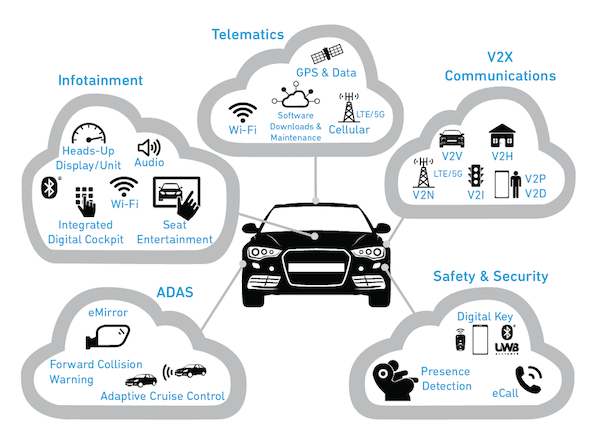
It is important to note that OTA updates affect not only the central display or the navigation system, but also other system components. This is one of the most common areas, though not the only one. These updates, implemented by various manufacturers, aim to improve the infotainment system, update maps, optimize menus, fix connectivity issues, and enhance compatibility with mobile apps.
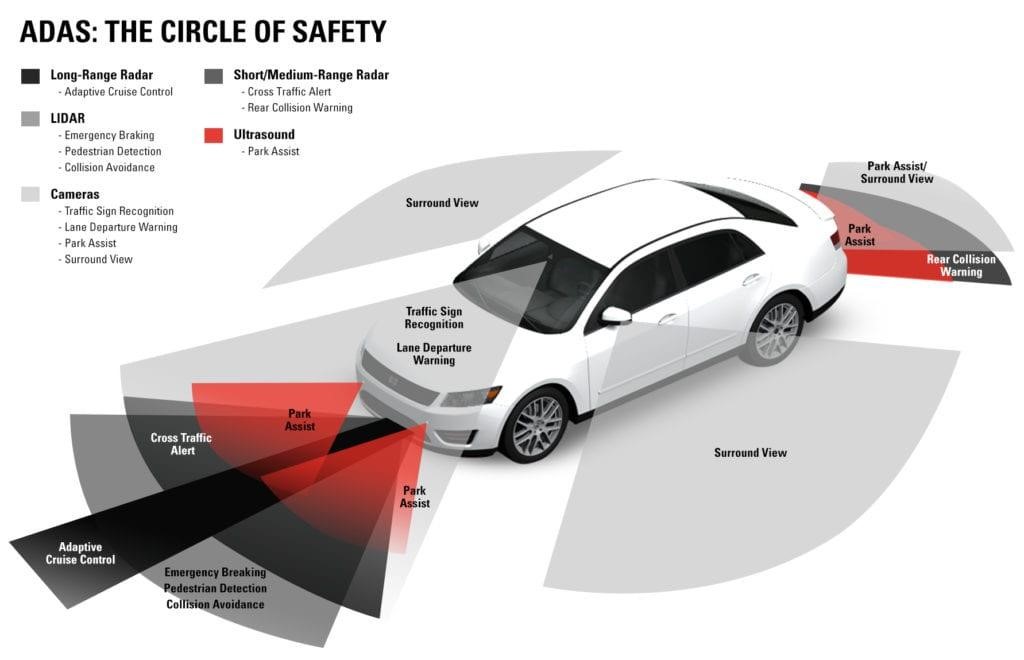
It is also possible to adjust certain parameters of the driver assistance systems. To optimize performance and safety during driving operations, adjustments have been made to alerts, as well as improvements to the calibration of ADAS system operation and management. These improvements include lane-keeping assist, traffic sign recognition, and certain safety aids. The goal is not to change the vehicle’s hardware, but to optimize its performance through software.
- Benefits for the driver and the manufacturer.
The main benefit for the driver is convenience. Not having to visit a service center for every upgrade saves time and significantly simplifies the vehicle’s digital maintenance. Additionally, the vehicle can continue to be upgraded after purchase, which was much less common a few years ago.
There is also a significant advantage in terms of user experience. A vehicle equipped with remote updates can correct minor glitches, improve the stability of the multimedia system, or optimize certain settings without the need for complex interventions. This feature ensures that the product ages gracefully in technological terms and maintains a contemporary feel.
For manufacturers, OTAs reduce logistics costs and enable them to respond quickly if a defect is detected in a specific model. In addition, this capability allows for the implementation of new software-enabled features, connected services, or paid upgrades. As a result, the car is no longer a static product at the time of delivery.
Security, privacy, and potential risks.
Remote updates in vehicles offer clear benefits; however, they also raise legitimate concerns regarding cybersecurity. A connected vehicle requires encryption, authentication, and verification systems to ensure that the downloaded file comes from the manufacturer and has not been tampered with.
It is also important to consider the possibility of a potential installation failure. This could occur due to an incomplete download, a software error, or a one-time issue during the process. For this reason, many manufacturers only allow these upgrades to be installed when the vehicle is stationary and in optimal condition.
Furthermore, the privacy of those involved must be considered. Some services associated with OTAs collect vehicle usage data in order to diagnose errors or improve features. The driver must be aware of the information being provided, the purpose for which it is used, and the permissions granted when activating the vehicle’s connected services.
- Differences between full and partial updates.
It is important to note that not all OTA updates are equally significant. Partial updates are the simplest and tend to focus on a specific module, such as the navigation system, the multimedia system, or a secondary feature. These updates are typically more efficient and require minimal user interaction, limited to accepting the update.
On the other hand, more significant updates can affect multiple electronic modules or more critical vehicle functions. In such cases, installation time tends to be longer, and the manufacturer may require specific conditions, such as a minimum battery level or a specific time window while the vehicle is parked.
Likewise, clear limits are established. If an update involves replacing physical components, inspecting wiring, replacing parts, or recalibrating sensors in person, an OTA update is not sufficient. In this context, visiting a service center is considered essential. Remote updates complement traditional maintenance but do not completely replace it.
- The future of the connected car.
The rise of OTA updates confirms that the modern car is also a digital device. Its evolution no longer depends solely on mechanical changes or periodic maintenance, but on an electronic architecture capable of receiving remote updates.
In the coming years, a substantial increase in this capability is expected. Electric vehicles, hybrids, and those equipped with advanced driver-assistance systems will be the primary beneficiaries of these remote updates. Likewise, their role is expected to grow in adapting to new regulations, promptly correcting errors, and incorporating new connected features.
However, if software is an essential component of the vehicle, the manufacturer’s responsibility to ensure safety, transparency, and long-term support becomes paramount. Progress is undeniable, but user trust will be a determining factor in the full consolidation of this system.
- FAQs about OTA updates for cars.
- Do all car brands offer OTA updates?.
No. Currently, a growing number of manufacturers are adopting these technologies, although the level of integration varies significantly. Some brands focus solely on updating the infotainment system, while others also implement improvements to vehicle functions, driver-assistance systems, and energy management.
-
- Can an OTA update improve the range of an electric car?.
Yes, in some cases. It is possible to optimize battery management, range estimation, or the efficiency of certain processes. While it is not a miracle solution, it can optimize the overall performance of the electric system.
-
- What happens if an OTA update fails?.
Generally, the vehicle’s system is designed to detect the error and automatically stop the process. In many cases, you can proceed with a new installation. If the failure affects a critical module, the manufacturer may require a service visit to complete the update or verify that the module is functioning properly.
-
- Are OTA updates secure?.
Generally, yes, provided they come from the manufacturer and are installed in accordance with the established conditions. However, as with any interconnected system, their effectiveness depends on the implementation of robust encryption, verification, and protection measures against unauthorized access.
- Implications for fleet management.
The main consequences of an improper OTA installation are all negative, ranging from malfunctions and trips to the repair shop for inspections to the potential hacking of the vehicle.
The communication channel between the vehicle and the cloud, the server hosting the software, the firmware itself that is downloaded, or the car module responsible for the installation may be susceptible to security attacks.
Hackers can intercept communications, manipulate update packages, or trick the vehicle into accepting modified software.
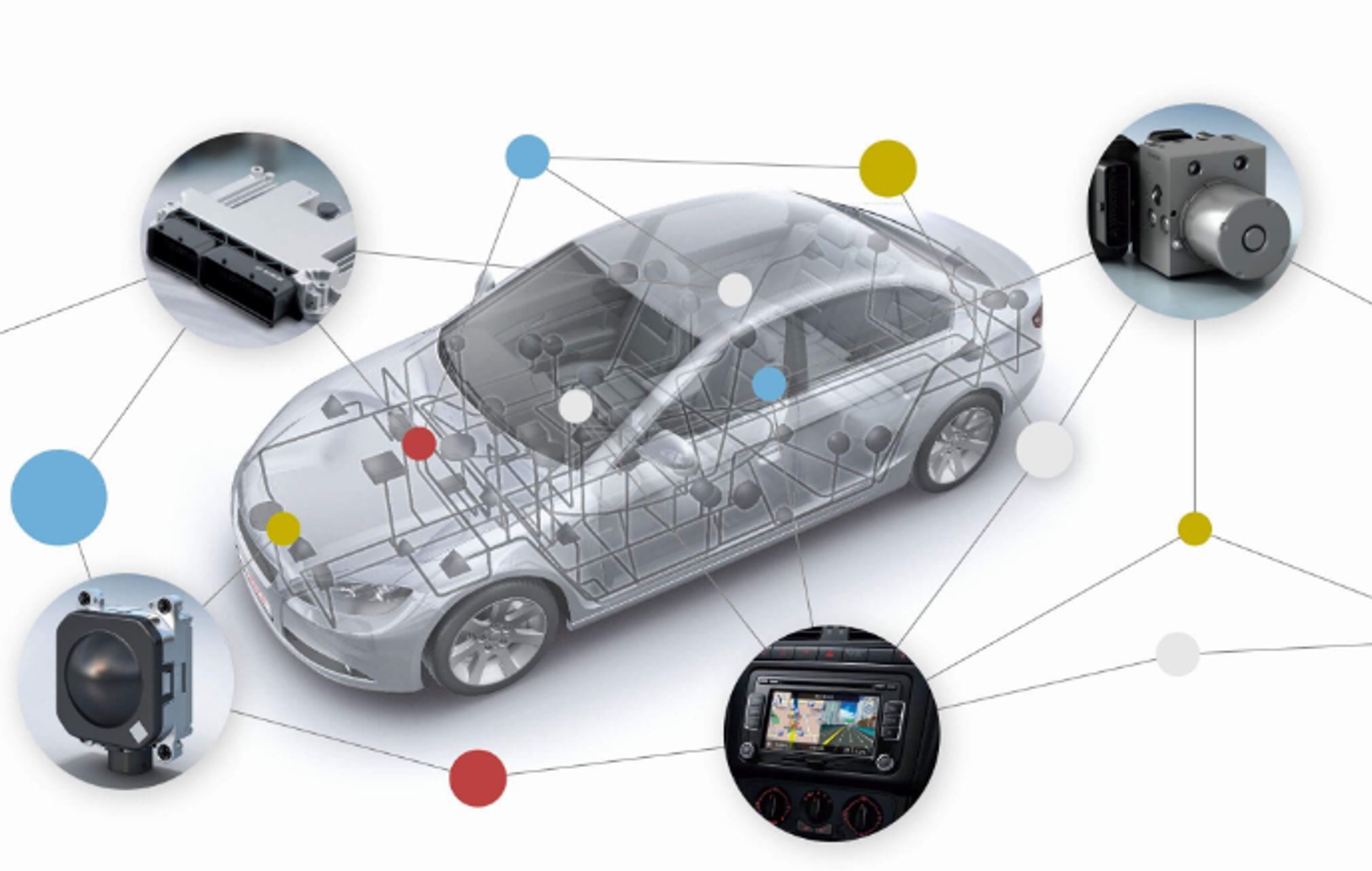
One of the most vulnerable points in a vehicle is the CAN bus, an internal communication system that enables data transfer between the vehicle’s various electronic control units (ECUs) and sensors. Its lack of modern authentication or encryption mechanisms can expose it to a significant risk of malicious interference in its internal network. If an attacker were to inject a malicious message into the system, the system could mistakenly interpret it as legitimate, thereby compromising the vehicle’s security and operation. When OTA interacts with components connected to the CAN bus, the scope of the attack expands, operating on an architecture that is not always prepared for it.
The following measures are recommended.
1. Follow the vehicle manufacturer’s instructions.
Always follow the vehicle manufacturer’s instructions when installing the OTA.
Each manufacturer has developed its own OTA system, with different architectures, protocols, and security measures.
2. Installing the OTA.
Install the OTA when the manufacturer officially notifies you, at our facility using our WiFi, with the vehicle having sufficient battery power, and parked in a secure location during the process.
Avoid untrusted WiFi networks if the vehicle relies on them to download the software.
3. Establish a protocol and safety measures.
The OTA installation process must be carried out by personnel with the necessary expertise; the driver should not perform the OTA installation.
A protocol must be established for the OTA installation, specifying who should perform it, where, which WiFi network to use, etc.
4. Driver training.
Drivers must be trained on how to respond when the vehicle alerts them that an OTA update is available for installation. They must always notify the fleet manager, the workshop manager, or the person responsible for performing the installation process.
5. Vehicle procurement.
Purchase vehicles that comply with UNECE Regulations R155 and R156.
These regulations require manufacturers to have a secure process for OTAs. This ranges from cryptographic verification of the software to the ability to revoke an update if a fault is detected.
Slide 3. Thank you for your time.
The class has developed what OTA updates are in a vehicle, how they work, which systems they can modify, what benefits they offer, what risks they pose to a connected vehicle, and their implications for fleet management, see you soon.