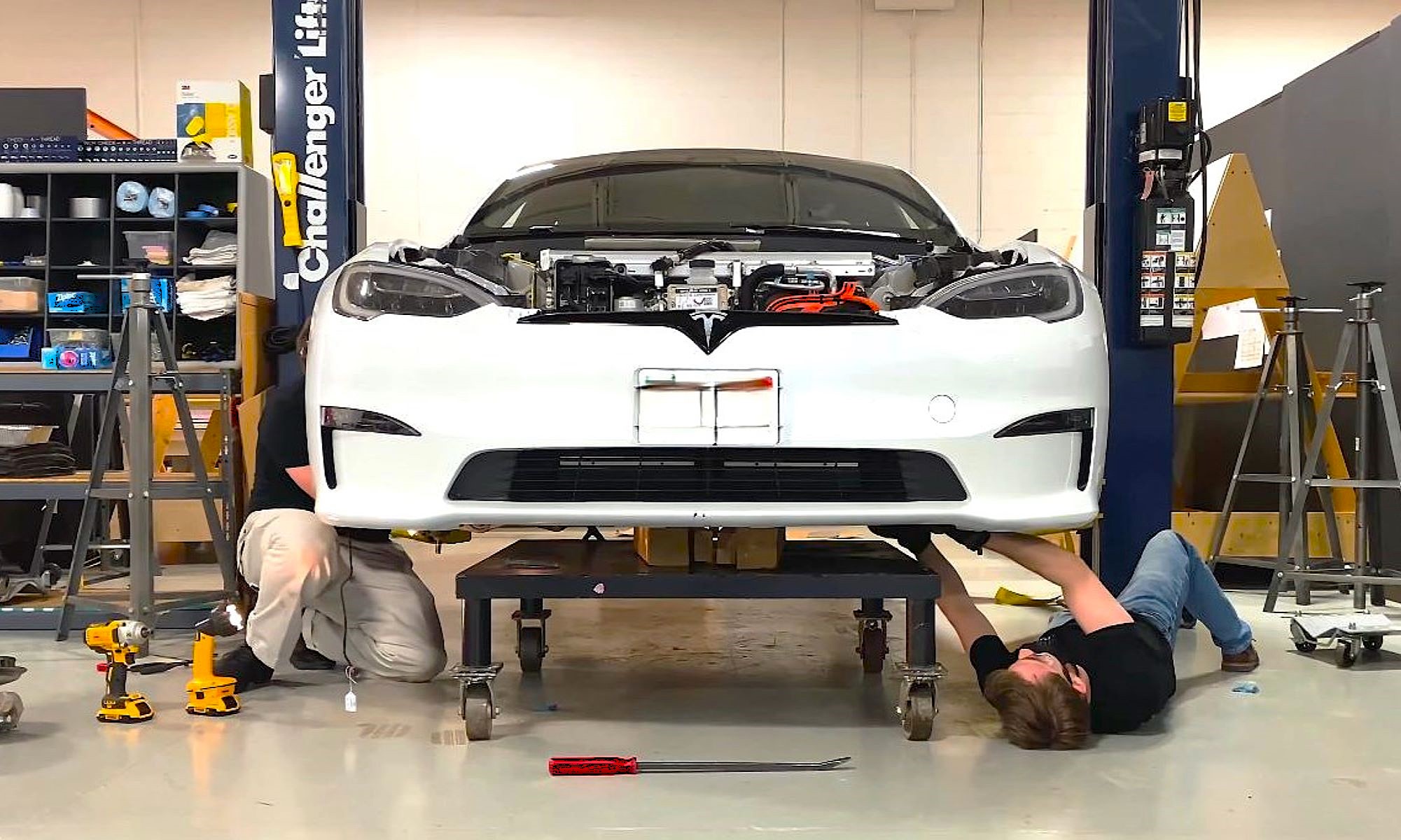
Auto repair shops need 200,000 euros to adapt for electric vehicles
The transition toward electric power is having a significant impact on the European auto repair sector—though not necessarily due to an increase in demand for repairs. According to a study by Solera, periodic maintenance for electric vehicles can be up to 68% cheaper than for gasoline-powered cars. While this translates to significant savings for drivers, it also means a decline in revenue for repair shops from certain types of service work. A report from the European Commission indicates that adapting an authorized repair shop to handle electric vehicles can require investments of up to 200,000 euros. This combination of factors poses a major challenge for the repair industry.
The reason for this lies in the mechanical differences between internal combustion engine vehicles and fully electric vehicles. Battery electric vehicles (BEVs) do away with many components that typically require regular inspection or are prone to failure—such as exhaust systems, timing belts, fuel injectors, and engine oil changes.
According to an analysis by Solera, based on data from Spain for 2024, the cost of scheduled maintenance for an electric vehicle is 68% lower than that of a gasoline-powered vehicle.
It should be noted, however, that this gap narrows when looking at the full range of maintenance and repair operations. In this broader view, the average annual expenditure for an electric vehicle is 368 euros, compared to 513 euros for combustion-engine vehicles—a difference of approximately 28%.
Nevertheless, there are exceptions—such as higher tire costs for certain models, or the potentially expensive repairs that may be required for batteries.
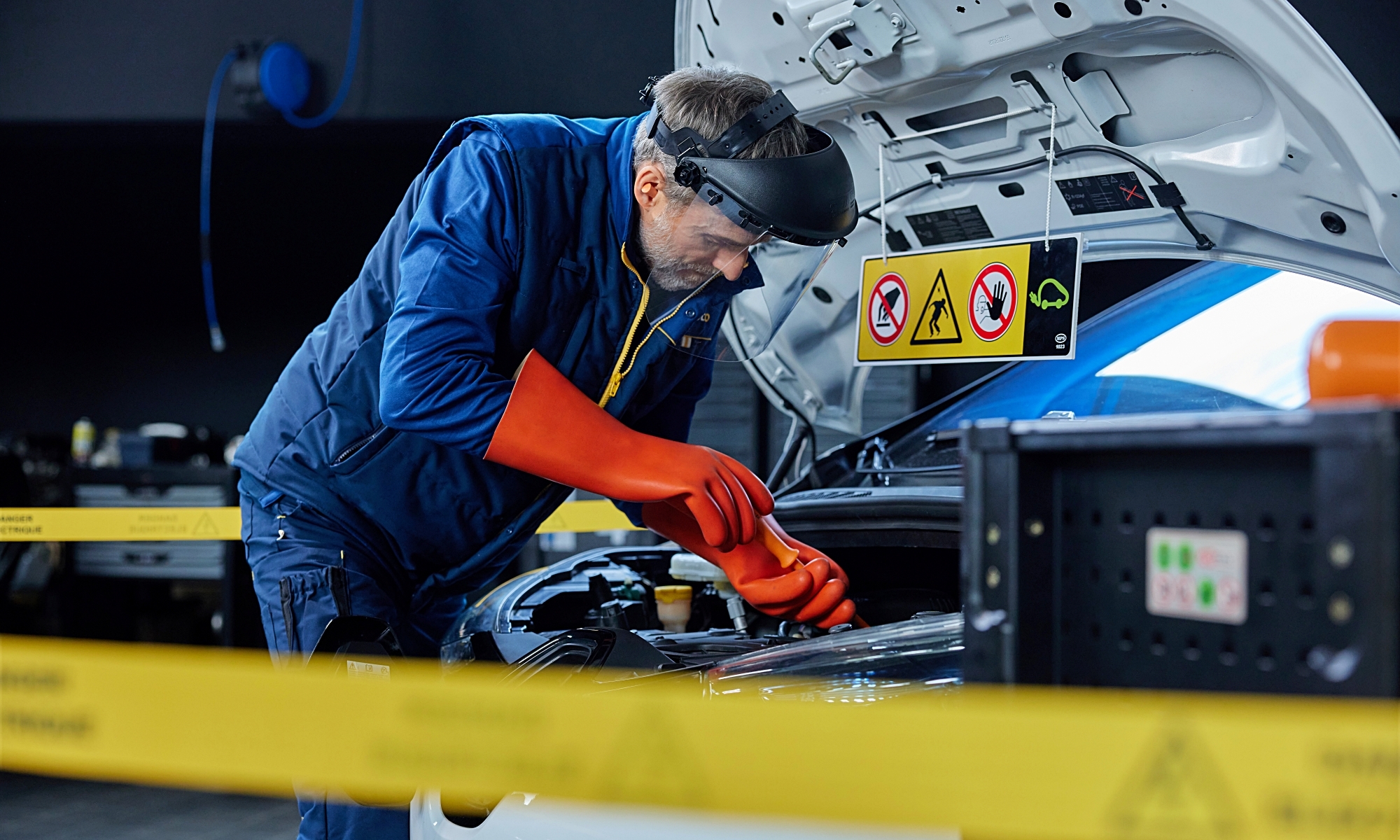
Up to 200,000 euros to adapt an authorized repair shop.
Paradoxically, despite a decline in certain types of service operations, repair shops are finding it necessary to invest in order to provide adequate service for new-generation vehicles.
According to a study by CLEPA and Roland Berger—which was reviewed by the European Commission’s Joint Research Centre—adapting an authorized repair shop’s facilities can require an investment of up to 200,000 euros. This figure covers investments in specialized tools, staff training, and equipment for working with high-voltage electrical systems.
It should be noted that not all repair shops are required to make an expenditure of this magnitude. This maximum estimate applies to specific authorized service centers, whereas independent workshops may be able to make more modest investments, depending on the range of services they choose to offer.
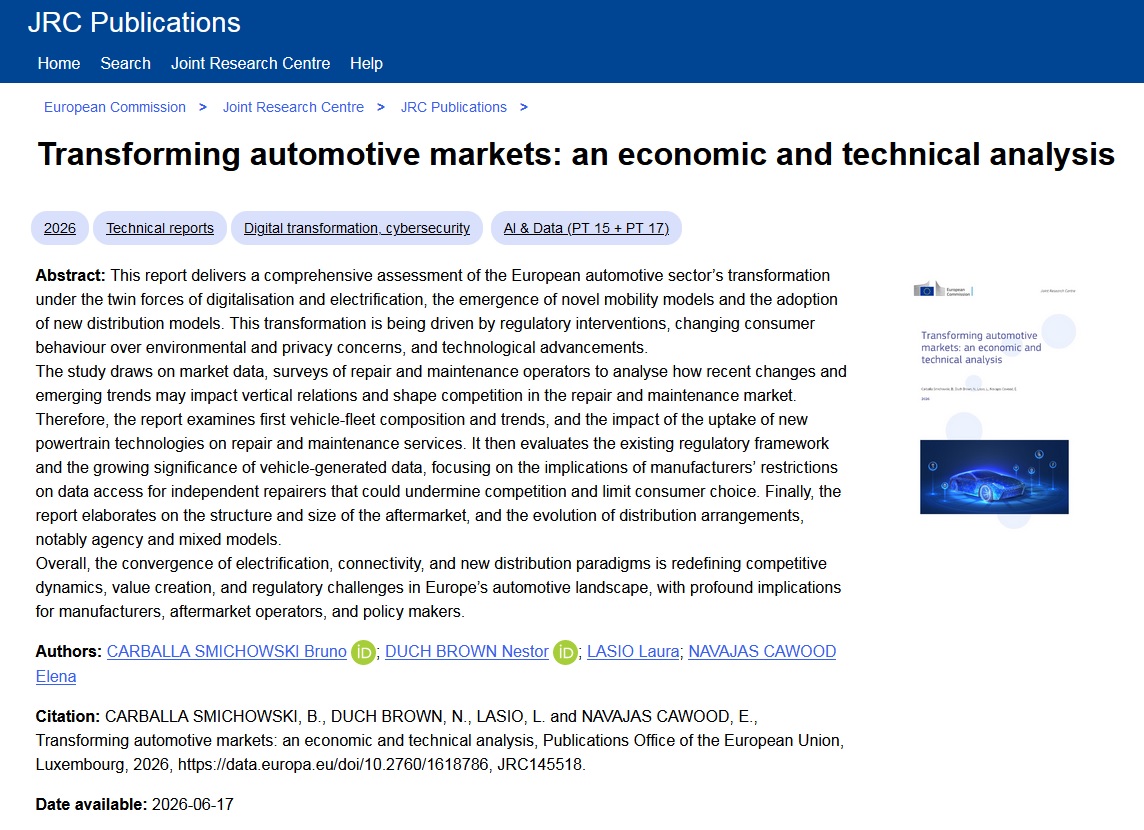
Official dealerships account for the majority of repairs for electric vehicles.
This transformation is altering driver behavior patterns. According to data from a European report, 83.7% of maintenance visits for electric vehicles take place at official dealerships, compared to 40.4% for conventional vehicles.
This discrepancy is partly attributed to the fact that electric vehicles are still relatively new, and many remain within their warranty periods.
Independent repair shops face a dual challenge: the need to invest in new technical skills and competition for business that is currently concentrated within official dealership networks.
Furthermore, access to technical information and vehicle data is becoming an increasingly critical factor. In Spain, where independent repair shops play a major role, this transition may necessitate significant changes in terms of training, equipment, and services.
Electrification does not mean the end of repair shops. There will still be a need for repairs to suspension, steering, tires, bodywork, and electronic systems. However, these businesses will need to adapt to vehicles that require fewer traditional mechanical interventions and demand increasingly specialized professionals.