


The LMR battery could transform electric vehicles
Lithium-manganese-rich (LMR) batteries have been identified as a highly promising option for reducing the cost of electric vehicle batteries. Their main appeal lies in the extensive use of manganese—a material more affordable than nickel—which allows for the elimination of cobalt from the cathode. However, this battery chemistry still faces stability challenges. A recent study conducted by LG Energy Solution in collaboration with Seoul National University suggests a potential solution to overcome this hurdle.
The research aims to clarify why LMR cells generate gas during charging and discharging processes and to determine how this phenomenon affects their ability to maintain performance over multiple cycles.
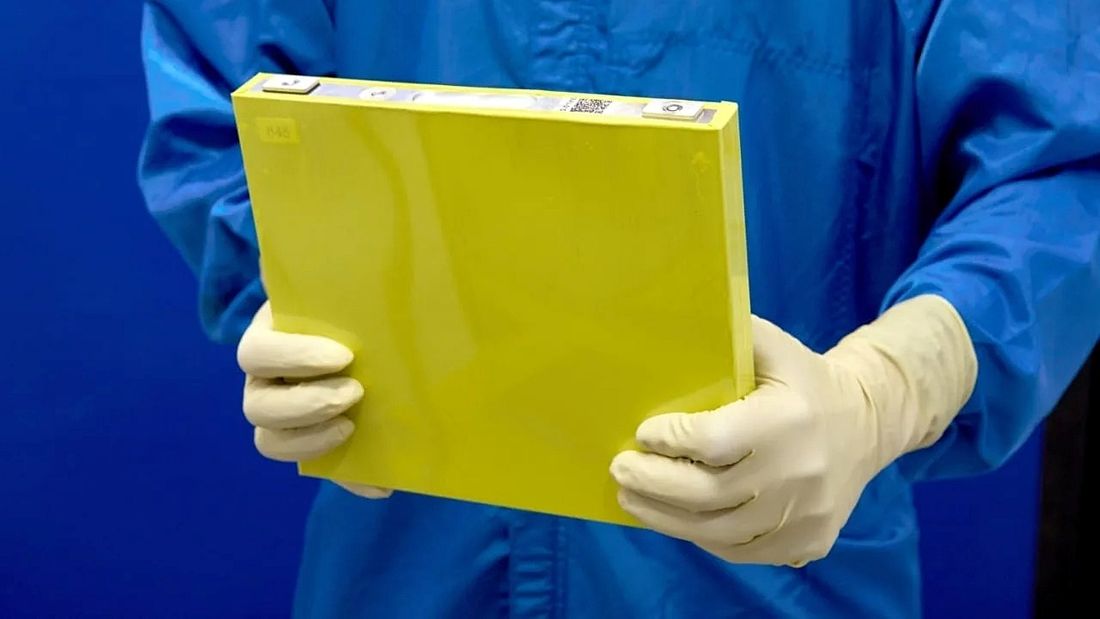
Oxygen is the key.
In-depth research has concluded that the behavior of oxygen within the cathode material is the core factor behind the problem. LMR batteries store energy through reactions involving transition metals—such as nickel and manganese—as well as by utilizing the oxygen contained within the material itself. During charging, some of the contained oxygen undergoes oxidation. If the discharge process is not completed successfully—potentially leading to structural changes in the electrode and gas release—the electrode must sufficiently revert to its original state. Inside a larger cell, there is limited space for gas expansion, which can result in increased internal pressure and accelerated performance degradation.
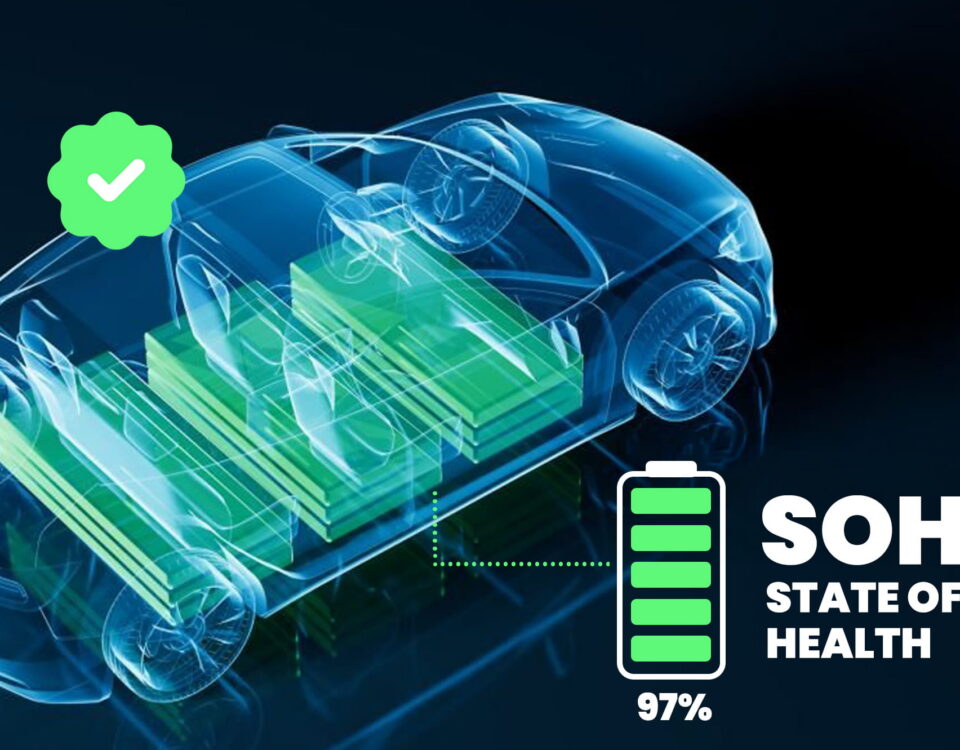
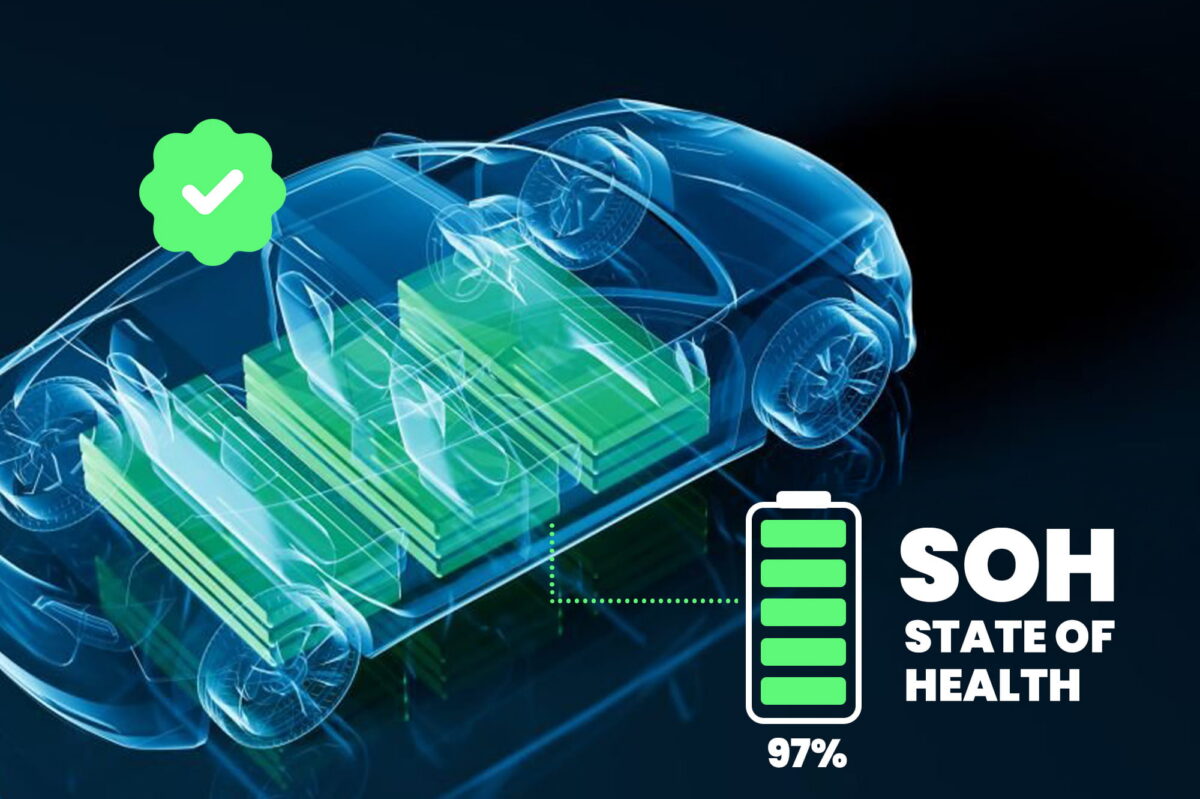
The study established a link between oxygen recovery and two specific battery operating parameters: the maximum voltage reached during charging and the minimum voltage reached during discharging. Researchers found that lowering the upper charging limit from 4.6 to 4.3 volts significantly increases the proportion of oxidized oxygen that can be recovered, raising it from 86% to 97%. Furthermore, by lowering the discharge cutoff voltage from the standard 3.0 volts to 2.0 volts, the oxygen could revert to virtually its initial state.
Based on the results obtained, the operating conditions for a large-format LMR cell with a capacity of approximately 40 Ah were redesigned. The work went beyond merely modifying the voltage range; it also introduced changes to the cell formation process—a particularly critical stage in battery manufacturing. A low-temperature formation process was implemented to reduce gas generation associated with the high-capacity format.
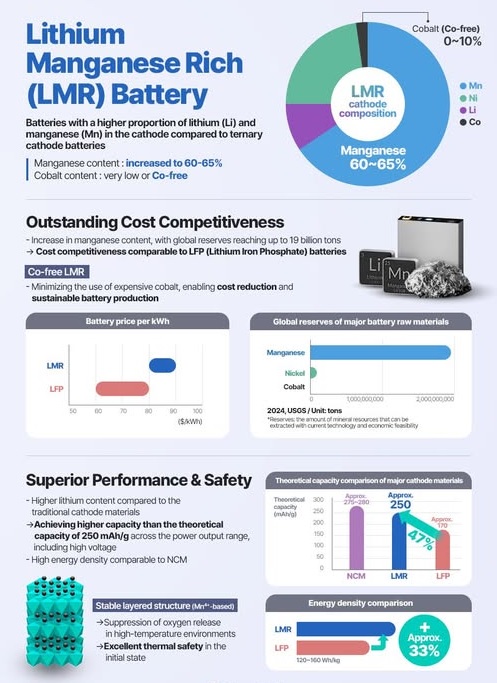
Scaling up the findings.
The results demonstrate the extent to which operating parameters influence the viability of this chemical technology: 40 Ah cells retained 92.2% of their initial energy after 883 complete charge-discharge cycles. This finding is significant because the challenge associated with LMR batteries lies not only in achieving high energy density or reducing raw material costs, but also in maintaining such performance over thousands of kilometers of use.
The next challenge will be to translate these results to larger cells and to operating conditions that mirror those of mass-produced electric vehicles. This research does not imply that LMR batteries are ready to immediately replace the chemistries currently in use; however, it does highlight a specific pathway for addressing one of the major obstacles that has hindered their scaling.
Professor Jongwoo Lim of Seoul National University stated: "This study identified the causes of degradation in LMR batteries from the perspective of oxygen reversibility and demonstrated that cell stability can be improved solely through the design of electrochemical protocols. It is crucial to emphasize that achieving long-term stability in LMR batteries requires a comprehensive evaluation of charge and discharge conditions."