

Solid-state sulfur batteries.
Automakers are seeking new chemical technologies that increase range, reduce costs, and improve safety. The search is no longer limited to known alternatives; instead, they are taking it several steps further. That is precisely why Nissan has just announced a new project that could open up a completely different path from current technologies.
The Japanese automaker has partnered with Gelion and the University of Oxford to research the development of sulfur-based solid-state batteries. According to an official report, this technology combines the advantages of solid-state batteries with more abundant and economical materials, which could make it possible to produce more affordable electric cars in the future. This is not the only major innovation in this area, as automakers are also investing in sodium-based batteries.
Sulfur to replace scarcer materials.
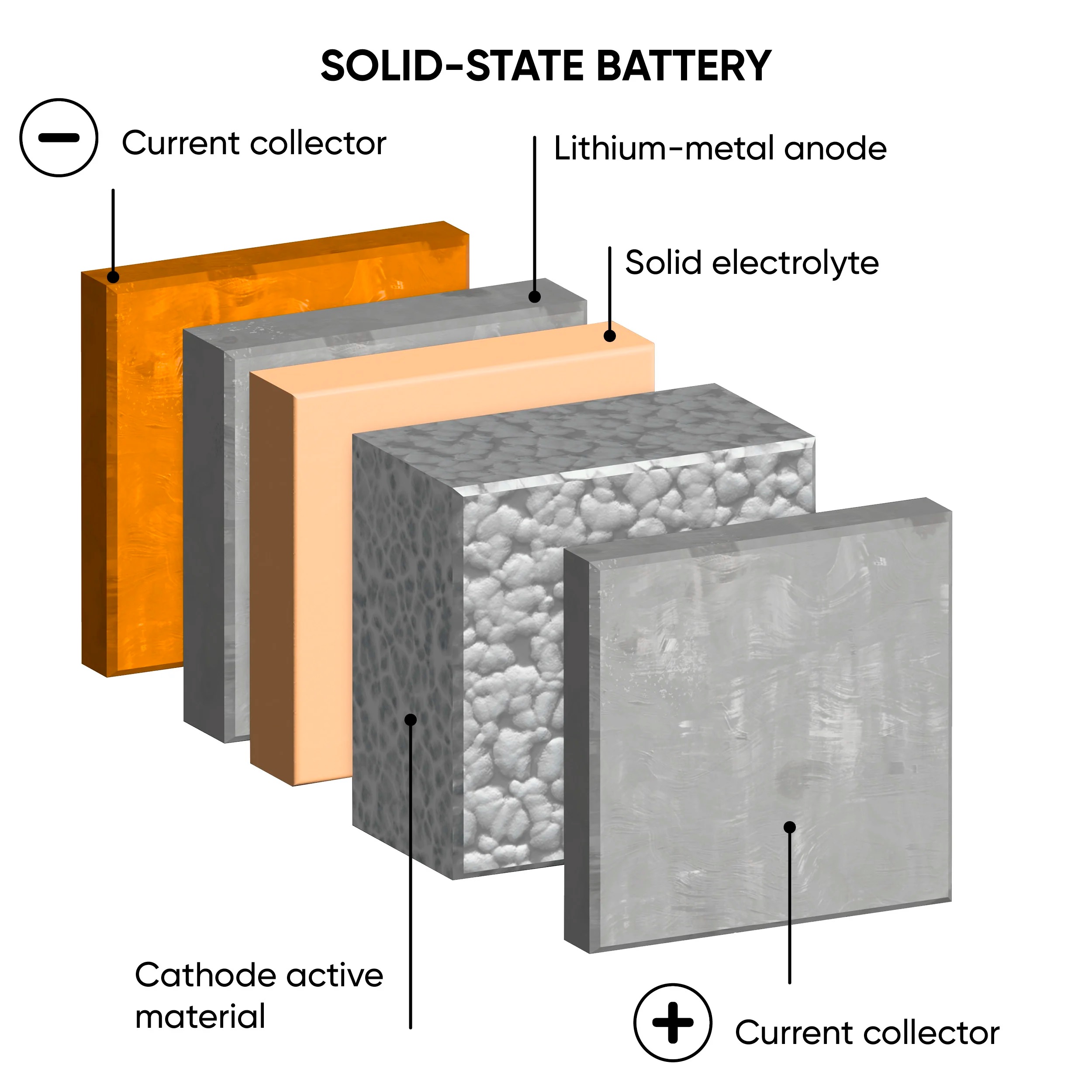
One of the main attractions of this new technology is the use of sulfur as the main component of the cathode. It is a very abundant raw material and significantly cheaper than other materials used in current batteries. As we have already mentioned, the search for less scarce alternatives is common today.
The technology Nissan is researching uses solid electrolytes and lithium-sulfur structures—a combination that, on paper, offers several significant advantages. In addition to reducing production costs, these batteries could achieve a higher energy density than current lithium-ion cells. The Japanese company believes that the use of more accessible materials will be essential to accelerating the expansion of electric vehicles and reducing dependence on elements that are more expensive and difficult to obtain.
Nissan is teaming up with Gelion to make this happen.
The project involves Gelion, a company specializing in energy storage. This company has been working for years on sulfur-based technologies and has developed an architecture called sulfur solid-state battery (SSSB), designed to offer high safety and a longer service life.
According to information published by Gelion, this collaboration will combine Nissan’s industrial expertise with scientific advancements developed by Gelion and the University of Oxford. The goal is to accelerate research and bring this technology closer to commercial applications. Although it is still in the early stages, the three entities believe that sulfur-based solid-state batteries have enormous potential for the automotive sector.
The major advantages of this breakthrough.
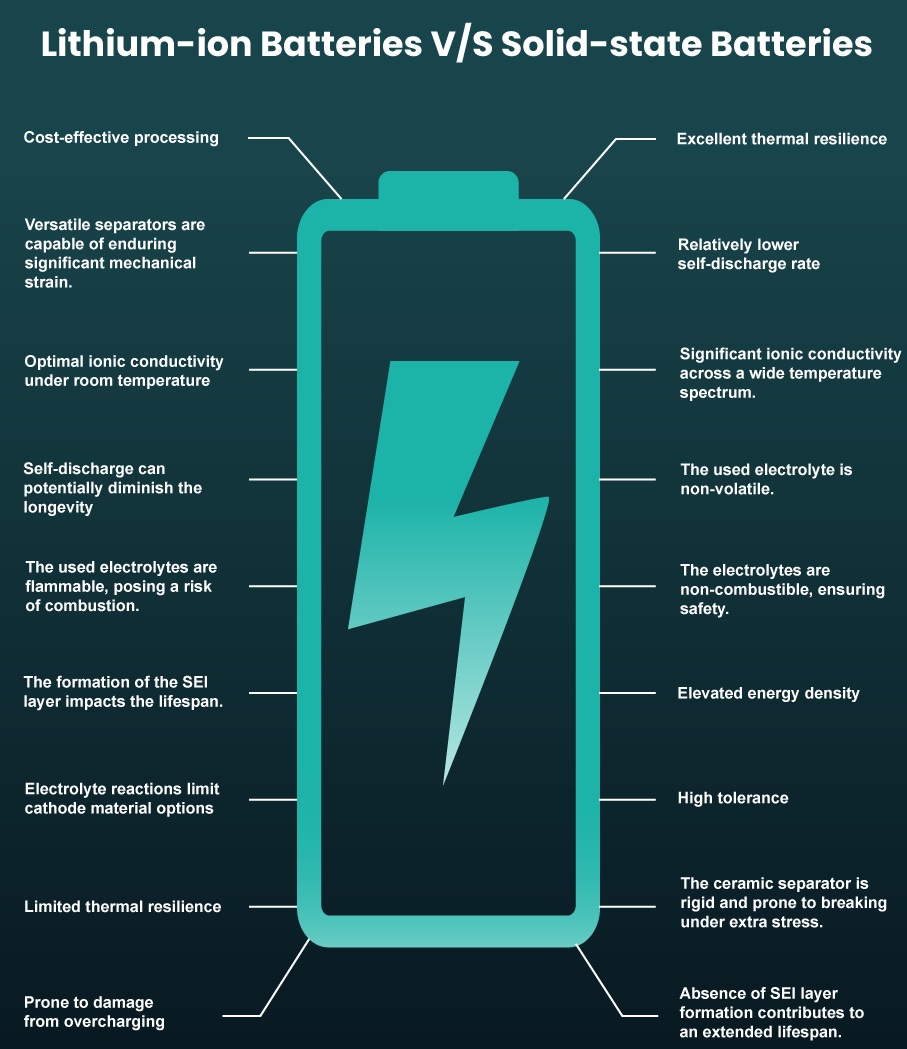
Many experts believe that solid-state batteries are the next major revolution in the industry. Replacing the liquid electrolyte with a solid one increases safety and reduces the risk of overheating. The use of sulfur could also provide higher energy density and allow more energy to be stored in the same space. This would result in lighter cars with greater range—one of the industry’s major goals.
In addition, the Japanese manufacturer is already working on its own conventional solid-state batteries and remains on track to bring them to market by the end of this decade. However, the collaboration with Gelion demonstrates that the company does not want to limit itself to a single technological solution.
For now, it is unknown which model will be the first to adopt this innovative technology and when it will be released. At this stage, it is simply a laboratory study that may or may not bear fruit. All doubts on this matter will be cleared up in the coming years.