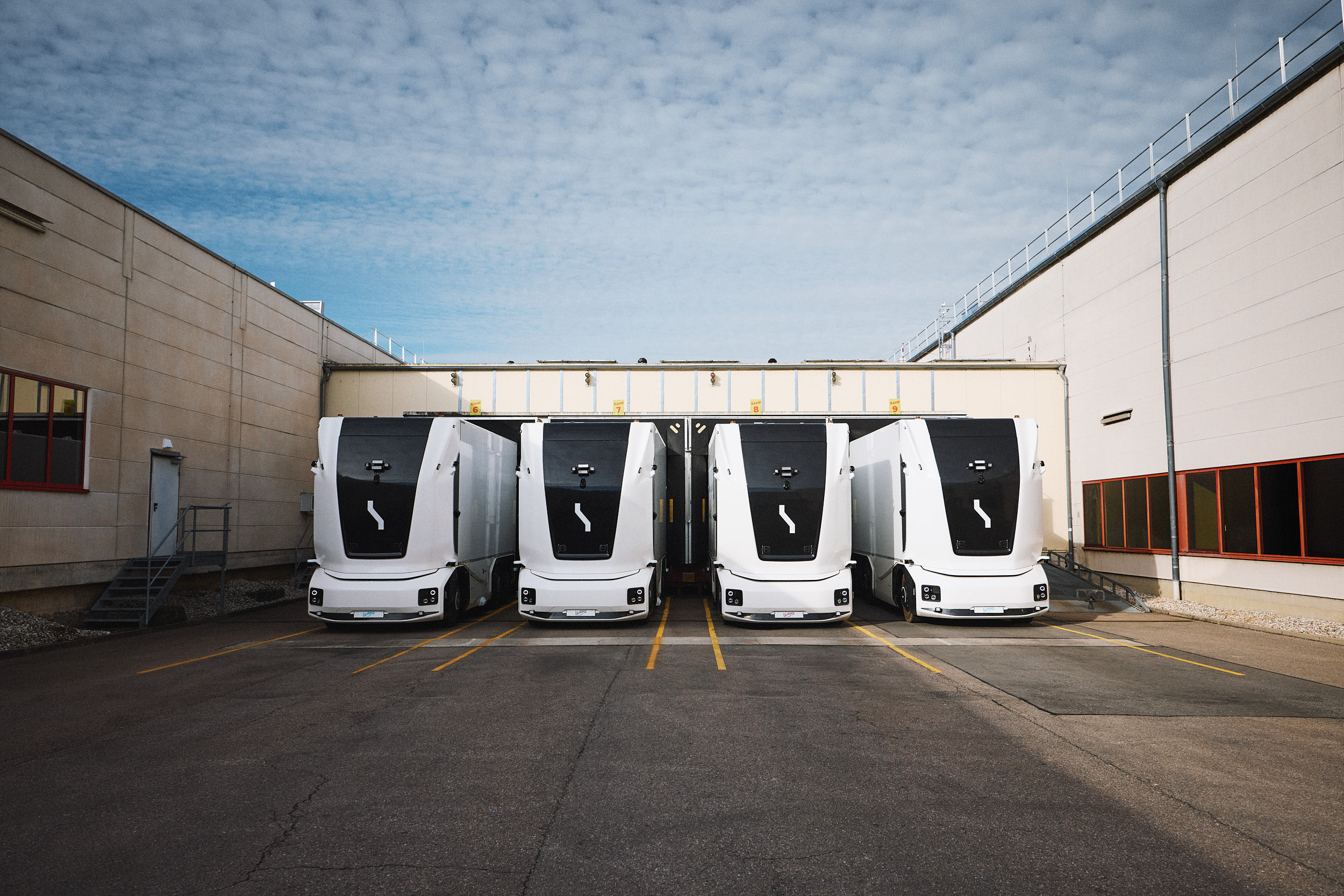
Lorenz Snacks Uses Autonomous Electric Vehicles for In-Plant Operations
Lorenz has announced that four fully electric transport vehicles will handle internal logistics at its Neunburg vorm Wald plant. The company’s primary objective is to "combine the development of future-proof in-plant logistics with the goal of sustainably reducing CO2 emissions from internal transport." The fleet is supplemented by two conventional electric forklifts, which serve as a backup solution.
Lorenz’s headquarters are located in the Schwandorf district, in the Upper Palatinate region of Bavaria. This family-owned company has a workforce of approximately 3,000 employees and is a major player in the European snack market. Its product range includes potato chips, peanut puffs, pretzel sticks, crackers, and nuts. Among the company’s most well-known brands are Crunchips, Saltletts, and NicNac's.
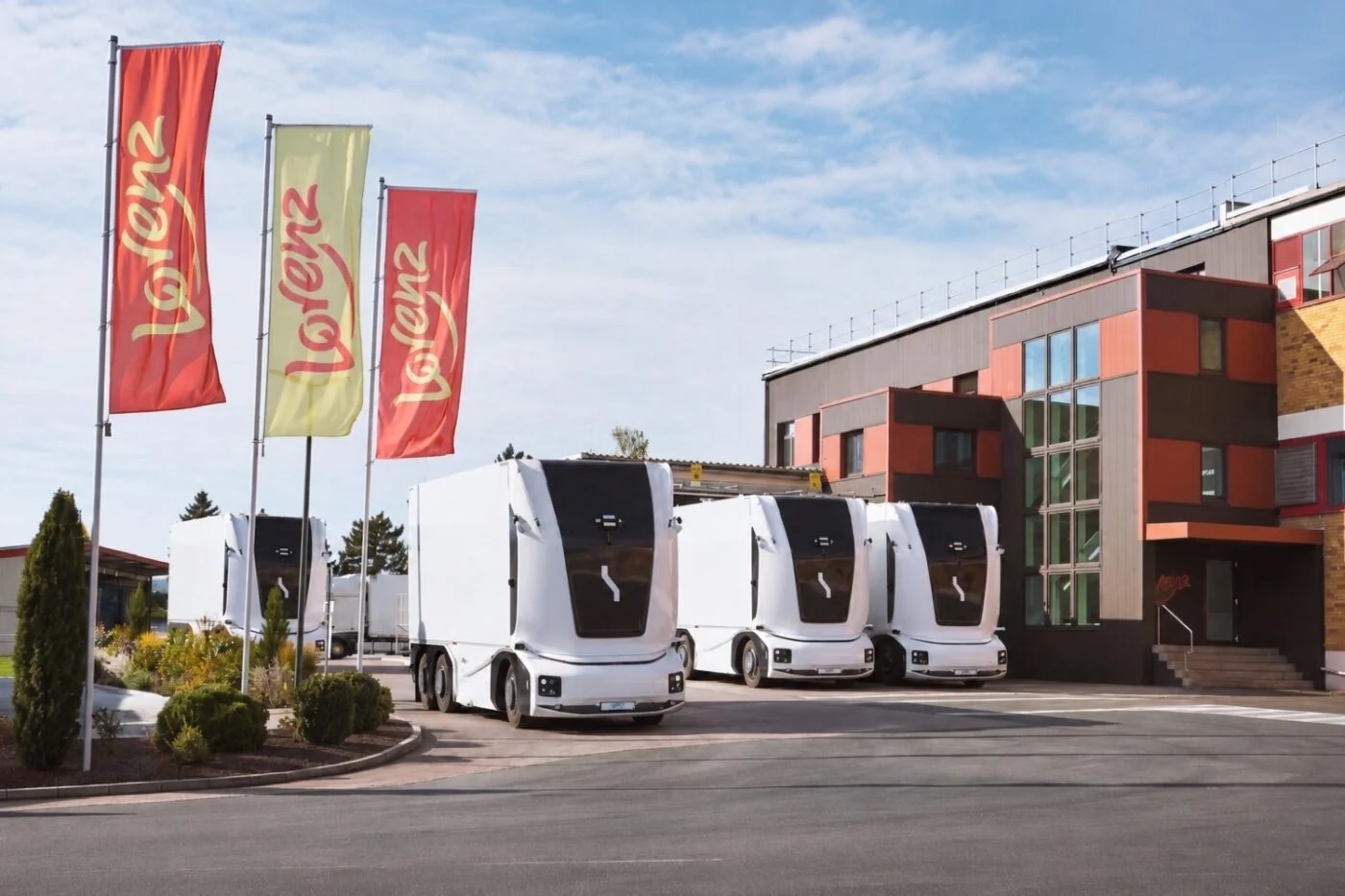
In collaboration with the Swedish logistics technology firm Einride, the snack manufacturer is venturing into the realm of autonomous electric transport solutions. The project, which is expected to span five years, is described as "a key component of Lorenz’s logistics strategy." Einride provides the cabless vehicles, while its software platform, Saga, coordinates and manages the processes, planning and synchronizing autonomous transport operations. The company noted that a backup solution has been integrated: "Two conventional electric trucks complement the fleet as a fallback, ensuring operational continuity should an autonomous vehicle be temporarily unavailable." This integration allows Lorenz to seamlessly incorporate autonomous transport technology into its plant operations, demonstrating its commitment to innovation and continuous improvement within the industrial sector. It is worth noting that in October, the company was honored with the prestigious German Logistics Award 2026, in recognition of the innovative logistics concept it has implemented.
“With this project, we are introducing a technology into industrial practice—one that is currently the subject of broad debate regarding its future viability—yet we are convinced of its potential and committed to its implementation,” commented Stefan Bender, Director of Logistics for Germany at Lorenz. “For us, it is not about innovating for the sake of innovation, but rather about making our logistics operations increasingly digital and lower in emissions, step by step. We are not merely evaluating autonomous mobility; we are integrating it into our plant logistics in a sustainable, long-term manner.”
The prototypes deployed—referred to as “eBot” by Einride and previously known as the “Gen 2 Rigid Large”—have a load capacity of 15 Euro-pallets. While the exact specifications of the standalone vehicle are not disclosed, it is clear that it is entirely “custom-designed,” lacking both a steering wheel and an accelerator pedal. On average, these autonomous vehicles are expected to transport up to 1,200 pallets per day. However, those driving the project point out that transport volume could be significantly higher during periods of peak demand. An individual trip is estimated to take approximately 30 to 45 minutes, depending on operational workflows. The vehicles are recharged on-site using electricity generated by the photovoltaic system at the Lorenz plant. It is important to note that the operation of these autonomous vehicles is monitored and controlled by both remote and local operators, allowing authorized personnel to intervene from a distance if necessary.
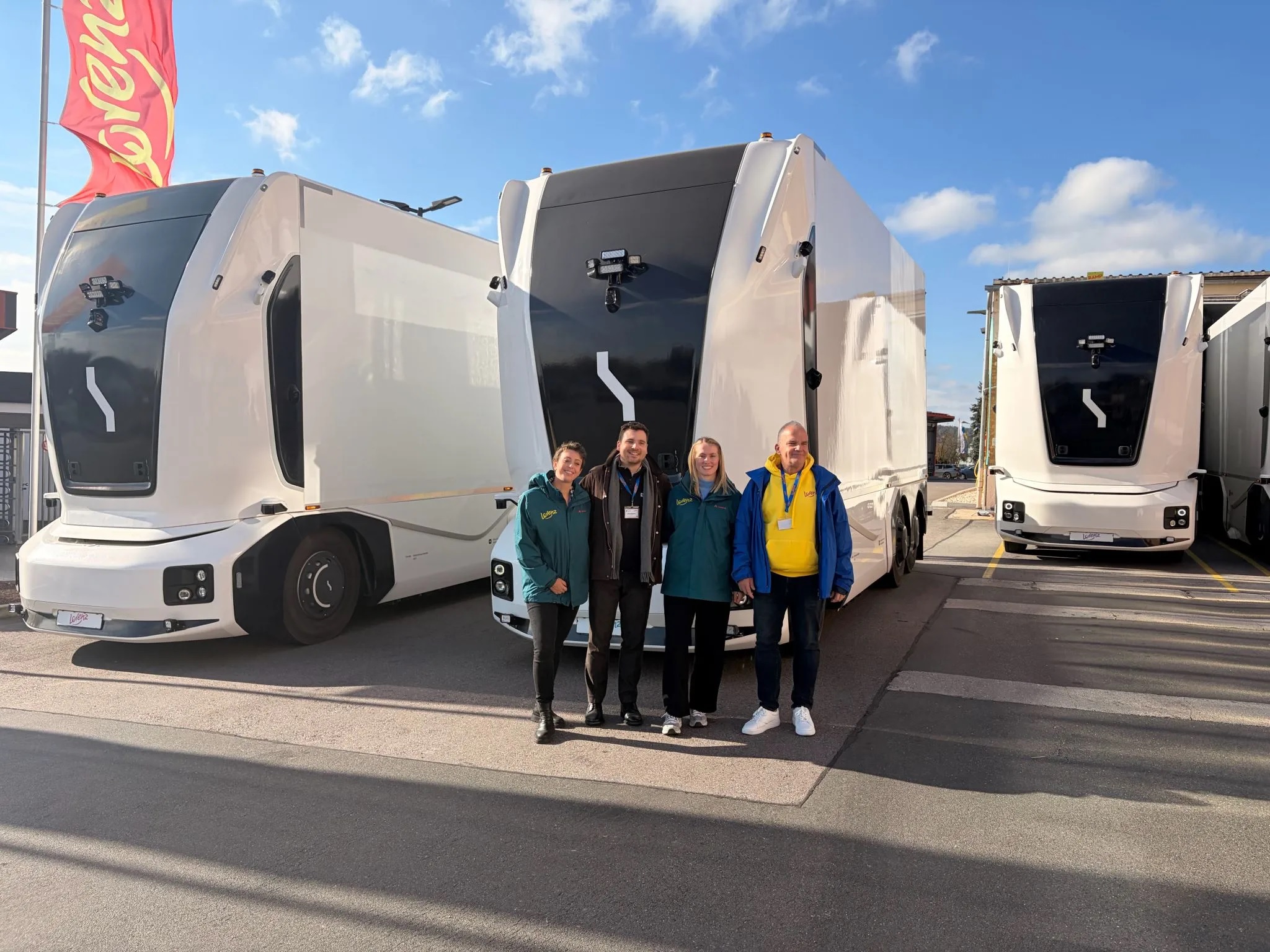
"The collaboration with Lorenz demonstrates the current capability of autonomous and electric transport solutions to integrate effectively into industrial operations," highlights Henrik Green, Chief Technology Officer at Einride. "Together, we are showcasing the potential this technology holds for efficient, future-proof plant logistics. Germany has some of the most rigorous safety and reliability standards in the world, and the successful implementation of this technology under these conditions serves as the strongest proof that it is ready for large-scale deployment."
According to the partners, the project is not intended as a short-term trial, but rather as a permanent operational solution. "The agreement is based on a transport services contract, under which the vehicles remain the property of Einride, which assumes responsibility for their operation and management," explained Lorenz.
For Einride, this is not the first collaboration of its kind in Germany. In mid-September, the Swedish company announced plans to test an autonomous, electric truck—developed in-house—on public roads in Hesse, in partnership with Lidl (part of the Schwarz Group). As part of this pilot project, the autonomous electric cargo vehicle can reach a maximum speed of 25 km/h, though it is expected that this capacity will eventually be increased.