
The Problem with Electric Trucks: Driver Anxiety Centers on Charging
The electrification of heavy transport in Europe faces a unique situation. Manufacturers are already selling electric trucks capable of covering hundreds of kilometers a day, and continuous battery advancements make even long-distance routes feasible. However, the availability of a suitable vehicle does not guarantee that a company can immediately electrify its fleet.
Michael Voll, Director of MAN Transport Solutions, believes the main obstacle has shifted to infrastructure. "Range anxiety has transformed into concern about charging," the executive explains. This issue affects both the availability of public charging points suitable for large trucks and—crucially—the necessary electrical connections within the companies' own facilities.
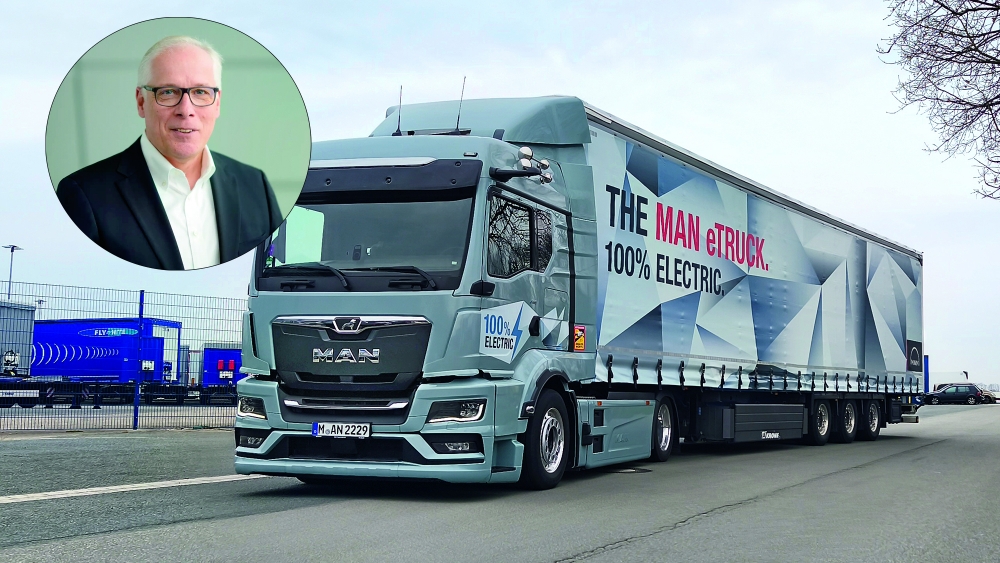
The problem is no longer necessarily about range.
MAN states that more operations are currently being carried out where an electric truck can directly replace a diesel one. Friedrich Baumann, Head of Sales and Customer Solutions at the company, explains that profitability has improved significantly; a company covering at least 100,000 kilometers annually—frequently using toll roads—can break even in roughly three to three-and-a-half years. With higher mileage, the break-even point comes even sooner.
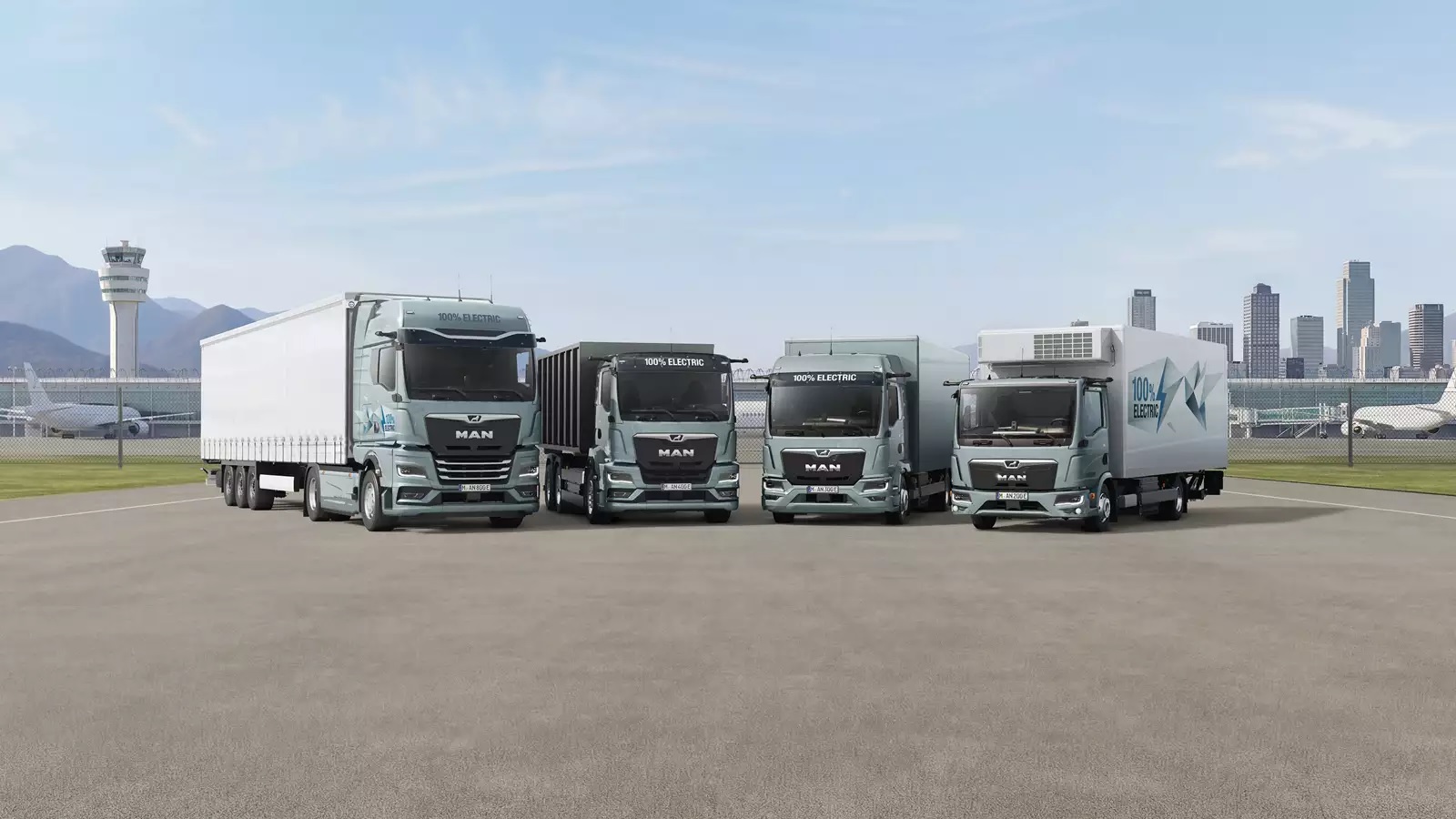
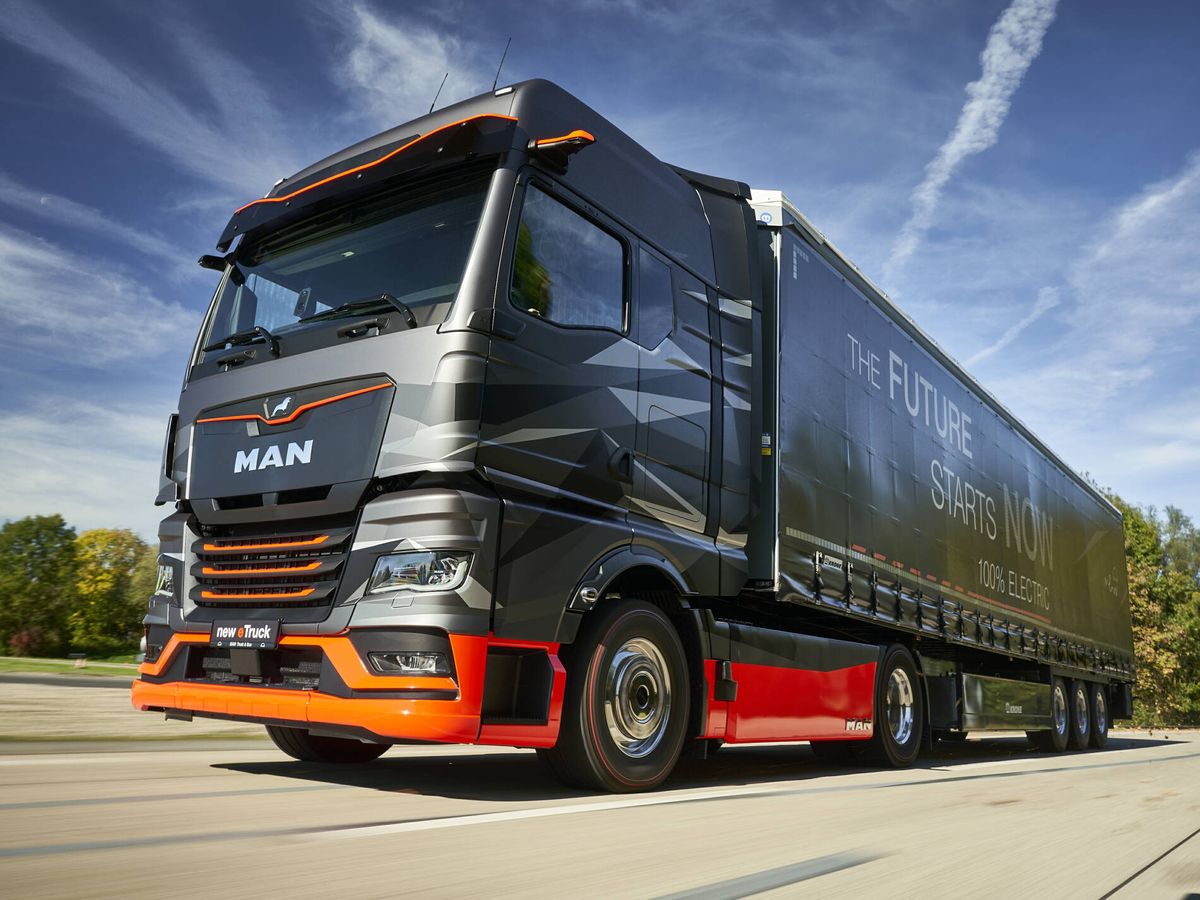
The manufacturer currently offers an electric lineup ranging from urban distribution to long-distance heavy transport. The MAN eTGX and eTGS models support up to 375 kW charging via CCS. Furthermore, the company has begun mass production of units compatible with the Megawatt Charging System (MCS), positioning itself as the first European manufacturer to adopt this system. MCS enables a maximum charging power of 750 kW.
A configuration with a 534 kWh battery can charge from 20% to 80% in less than 30 minutes using MCS, while the 623 kWh variant requires less than 40 minutes. MAN maintains that this performance allows for daily travel of over 1,000 kilometers within the same operational timeframes as a diesel truck. The challenge arises when identifying the most suitable opportunities to capitalize on these possibilities.
It is not the charger, but the grid connection.
Baumann identifies this specific point as one of the main obstacles. For many companies, purchasing and installing a charger is not overly complicated; however, securing sufficient electrical power to operate it can pose a significant challenge. In an interview with the media outlet NFZ-Messe, the executive explains that the problem lies not with the charger itself, but with the connection to the power grid.
It is important to note that the energy requirements of a truck fleet differ significantly from those of just a few electric vehicles. When multiple heavy-duty vehicles simultaneously charge batteries with capacities of hundreds of kilowatt-hours (kWh), substantial power is required, necessitating an upgrade to the facility's electrical connection. Such projects can involve lengthy administrative procedures and infrastructure work on the grid itself.
For this reason, MAN has decided to move away from viewing the sale of electric trucks as a standard transaction. Its "Transport Solutions" division conducts a comprehensive analysis of each client's routes, topography, cargo loads, and energy needs. Based on this analysis, the company determines which vehicles are required and the appropriate charging strategy. Currently, more than 100 company specialists are working across Europe, advising businesses throughout this transition.
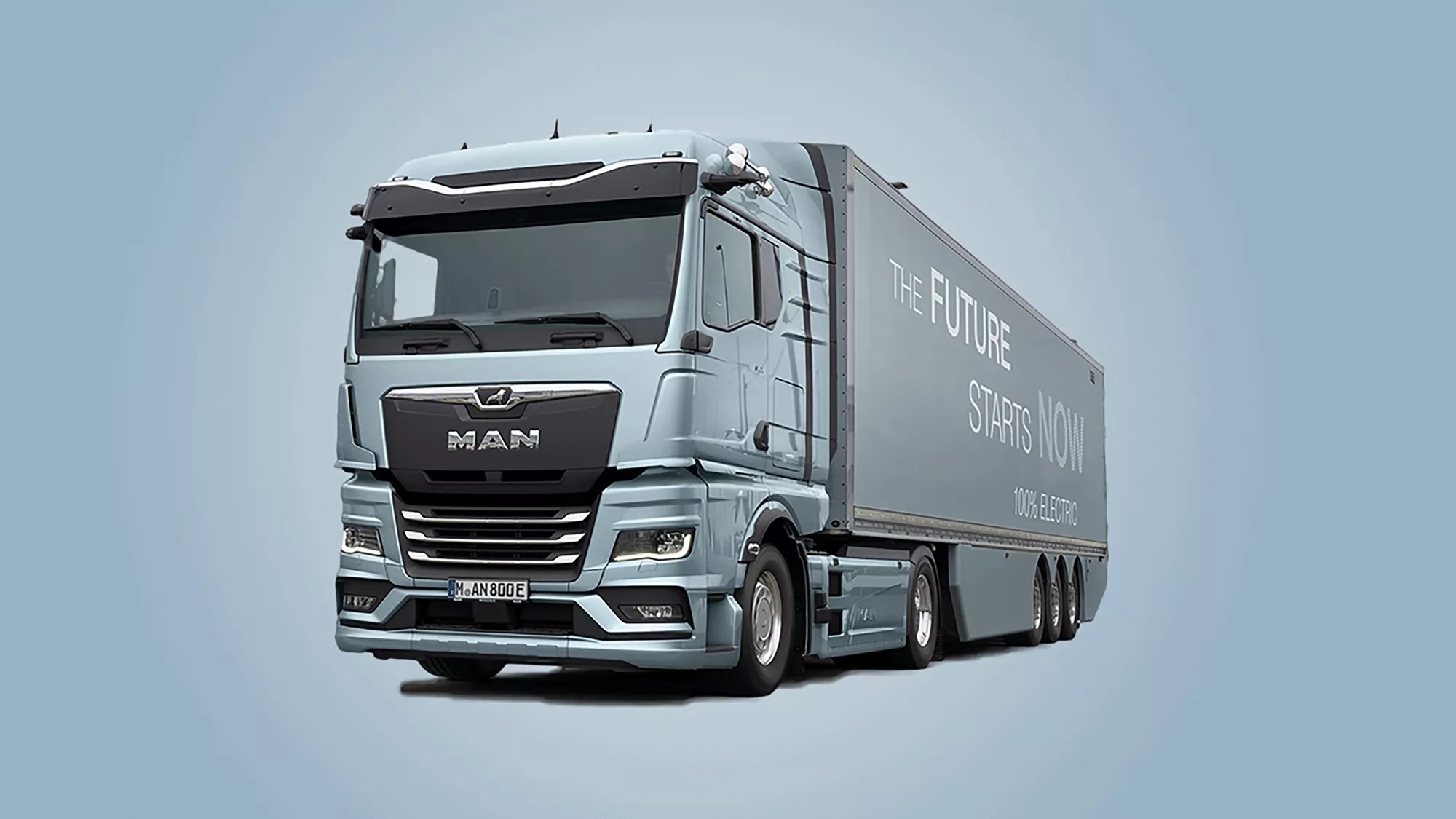
Europe needs far more truck charging stations.
While the situation regarding public charging points is improving, MAN believes it is imperative to accelerate the process. Germany is in the final stages of preparing a dedicated fast-charging network for trucks, which will comprise approximately 350 locations at highway service areas. At the same time, various private initiatives are underway to establish their own European networks. Milence, a joint venture between Traton Group, Daimler Truck, and Volvo Group, expects to finish 2026 with approximately 50 hubs and 290 charging points, aiming to reach nearly 90 locations and over 700 chargers by 2028. Additionally, MAN is collaborating with E.ON to install approximately 400 public charging points at nearly 170 of the brand's service centers, strategically located along key European corridors.
The next milestone will be megawatt-level charging. E.ON, Voltix, and GreenWay plan to install approximately 330 MCS points across 55 locations in nine European countries by autumn 2028, each with a power output of at least 1 MW. The European Union will contribute €70.3 million toward the implementation of this project.