


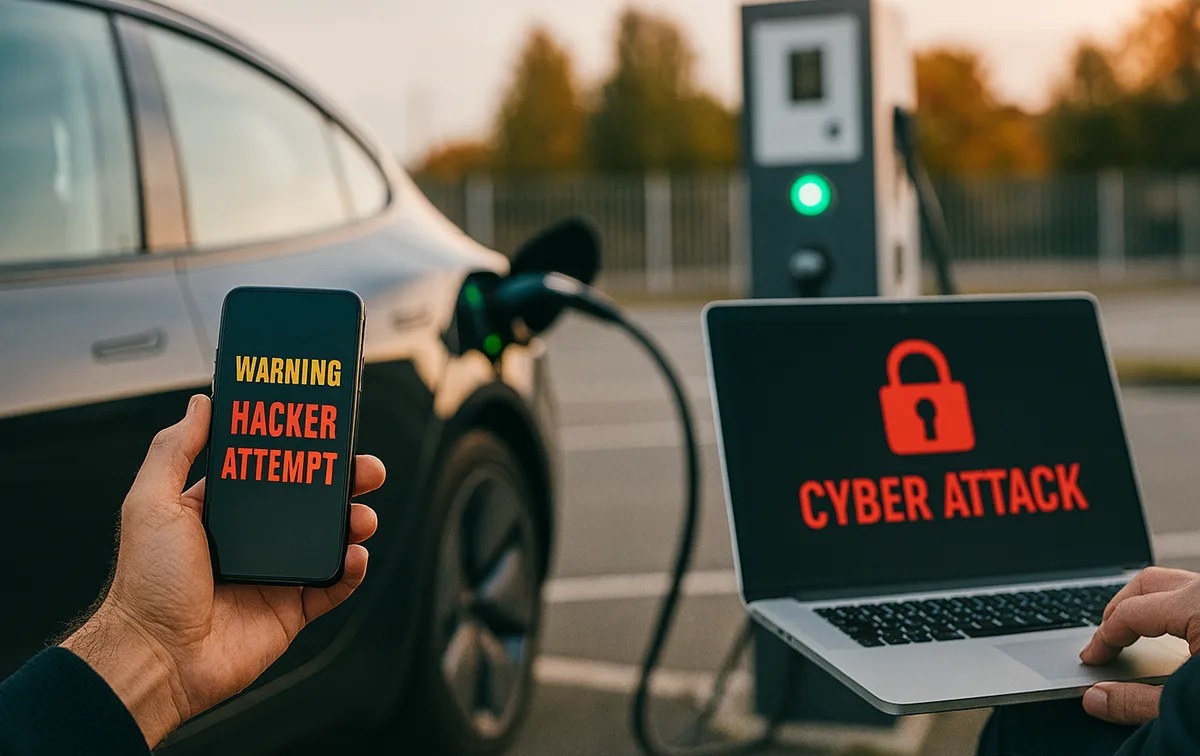
Cybersecurity in charging networks is a critical issue for electric vehicles
When analyzing the main obstacles to the widespread adoption of electrification in Europe, the conversation tends to focus on the same factors. The lack of extensive charging infrastructure, battery degradation, and price are topics that frequently dominate media attention. However, both the automotive industry and cybersecurity bodies have begun to focus on an emerging threat affecting the operation of charging points.
Battery failure or temperature-related issues are not the primary concern. The most significant risk lies in the vulnerability of the communication architecture connecting the electric vehicle, EVSE charging points, and the main power grid. This complex digital system—while essential for managing billing and energy flow efficiency—contains security gaps that could impact system stability across the continent.
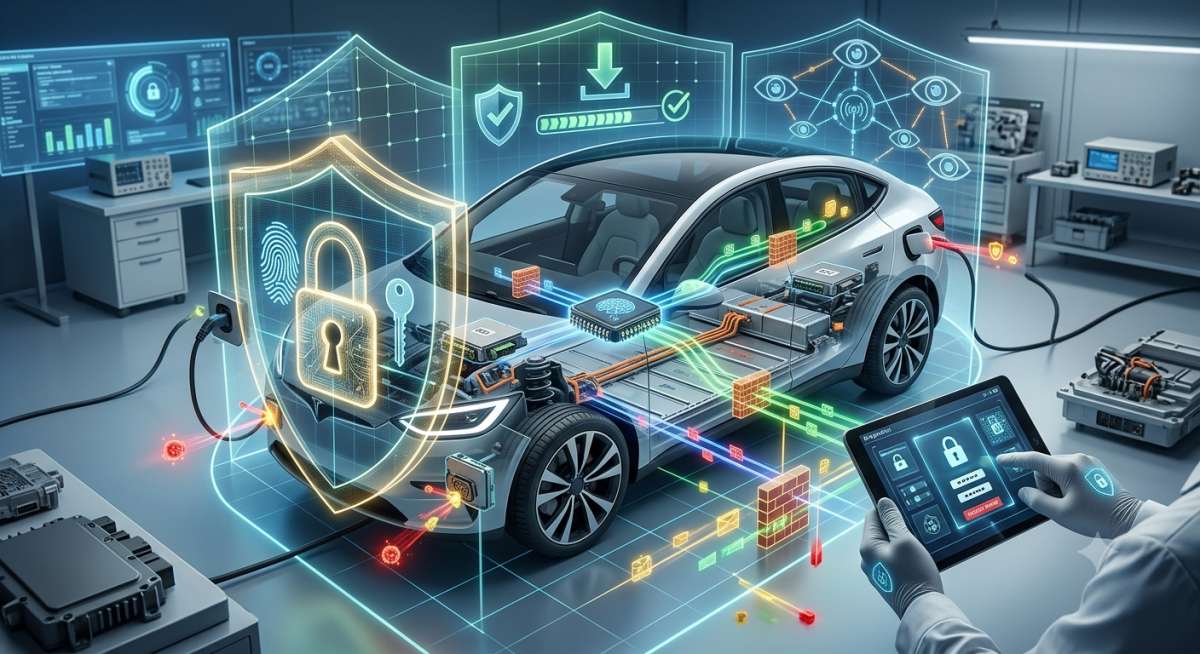
Hidden vulnerability in the charging protocol.
Modern charging processes have evolved from passive energy transfer to active, efficient management. Through standards such as ISO 15118—designed to enable advanced features like bidirectional V2G technology—vehicles and charging stations exchange constant streams of sensitive data, ranging from financial information to high-voltage system health parameters.
Europe is home to a significant portion of the fast and ultra-fast chargers equipped with these communication protocols. Vulnerabilities arise when grid-connected charging points have flaws in their software interfaces or remote data connections. Through coordinated cyberattacks, threats could potentially cause massive service disruptions, manipulate energy transfer, or compromise personal user data without the user even realizing it.
The impact of this phenomenon goes far beyond the simple inconvenience of a driver being unable to start a charging session. Against the backdrop of digital transformation and centralization in the energy sector, the interconnection of thousands of high-power charging stations entails risks at both the macroeconomic and critical infrastructure levels.
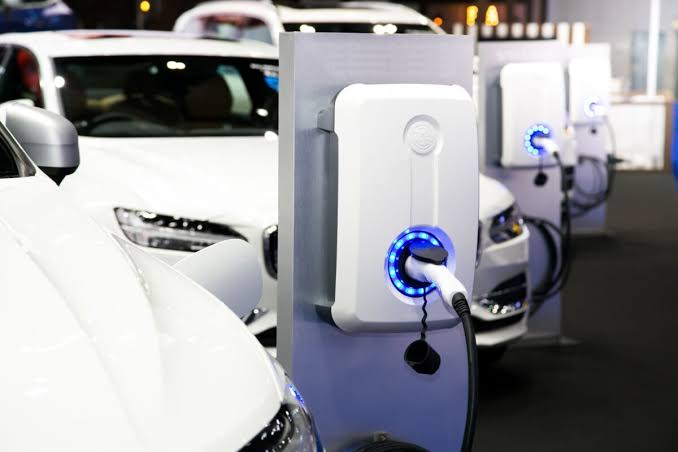
A unified cybersecurity framework is needed across the EU.
Indeed, a massive attack on the algorithms managing charging stations could trigger sudden demand spikes or simultaneous disconnections within the distribution grid. Significant fluctuations in energy load have the potential to destabilize grid frequency, potentially leading to local blackouts or damage to the charging point operators' own infrastructure. Europe's growing reliance on charger software systems makes cybersecurity as crucial a pillar for the development of electric mobility as seatbelt design or crash-test certification once were.
In light of this, EU authorities and manufacturers are working to develop stricter safety regulations. As electric vehicle technology advances, it is imperative to secure machine-to-machine communication channels and protect charging station firmware. These aspects must be certified under common standards, following a process similar to that used to regulate passive safety parameters or emissions.
Ensuring protection for electric vehicle users requires recognizing that the energy transition goes beyond simply offering greater range under the WLTP cycle or reducing costs per kWh. Safeguarding charging points against potential attacks has become an essential technical requirement for establishing a reliable, secure, and future-proof European mobility network.