


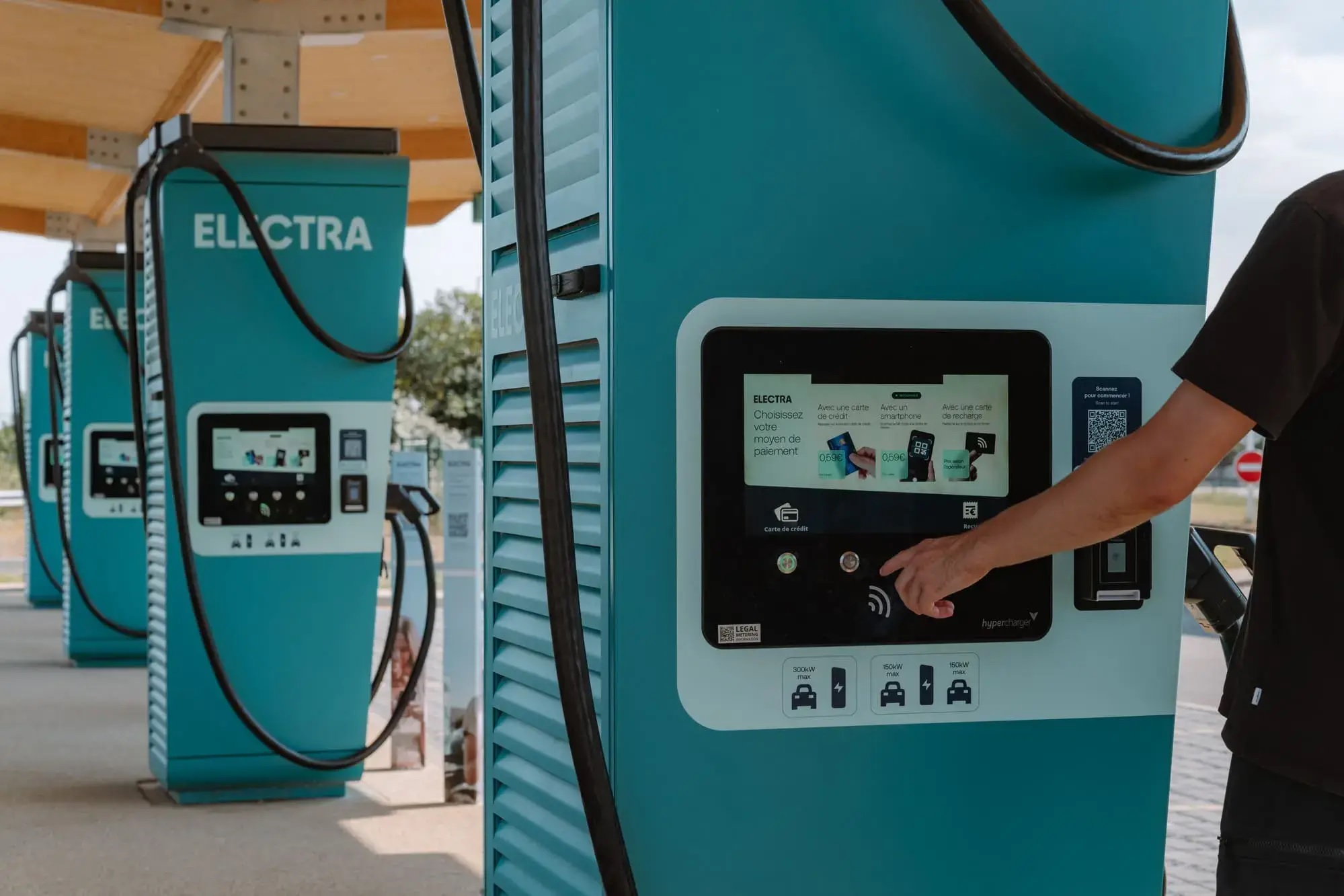
The great revolution in electric mobility lies in dynamic energy pricing
To date, the progress of electric mobility in Europe has been assessed based on parameters such as driving range, charging power, and the number of installed charging points. We are clearly in a phase of significant expansion, and the main challenge lies in building an adequate infrastructure to keep pace with the growth of the electric vehicle fleet. Once this initial stage is complete, new challenges will arise that must be addressed with efficiency and determination. Charger efficiency is a key factor regarding usage, timing, and cost. We are currently transitioning into a new era of dynamic pricing.
Electric vehicle technology has reached a level of maturity that enables the commercialization of models equipped with charging systems. Implementing this shift entails restructuring business objectives, placing significant emphasis on efficient resource management over mere installed capacity.
This model was appropriate during the market's initial phase, when the priority was to simplify the experience and build user confidence. However, as the number of electric vehicles rises and usage intensifies at specific stations and along key corridors, new needs are emerging. The first of these is availability. Clear congestion occurs at certain times of day and in strategic locations—such as major city entry points and during peak travel times on weekends or holidays. When large numbers of drivers need to charge their vehicles simultaneously at the same location, the user experience suffers. Yet, there is one aspect that outweighs others in terms of visibility and importance to customers: economic efficiency.
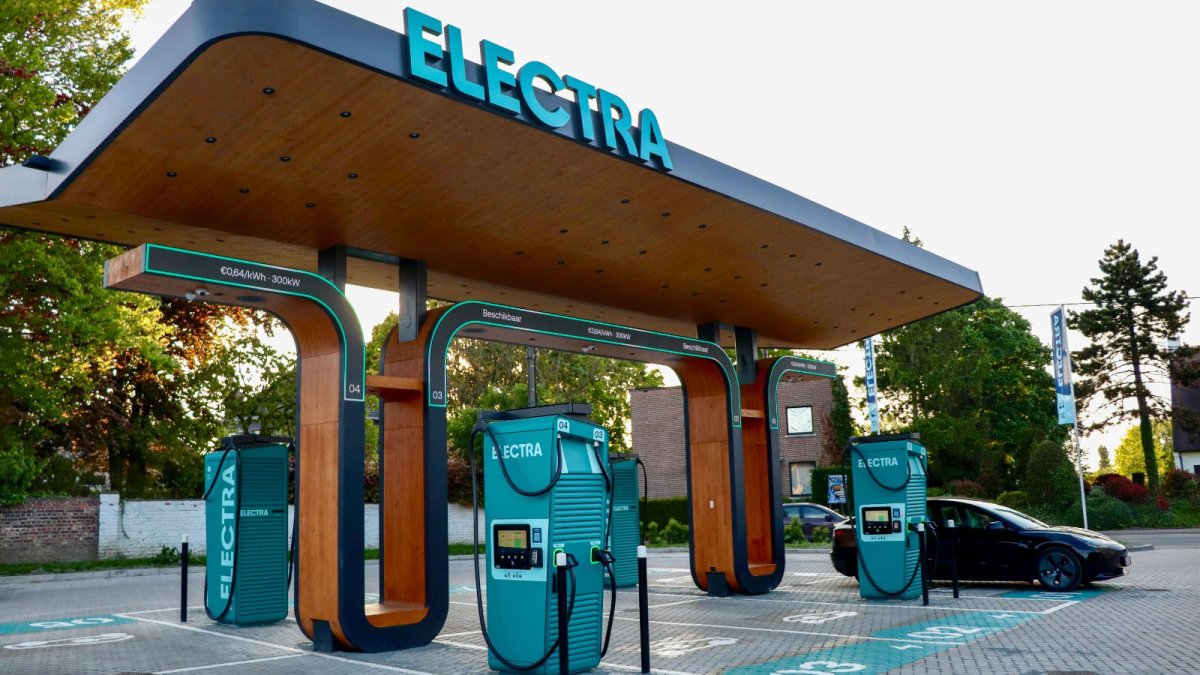
Energy tariffs for electric vehicles.
As is well known, the price of electricity is not fixed. It fluctuates constantly based on available generation, system demand, and various factors linked to energy markets. This situation is widely recognized in the context of Spanish households, where a significant number of consumers have long been accustomed to time-of-use tariffs. It is worth noting that running a washing machine at 3:00 a.m. versus 8:00 p.m. has a different impact on the electrical grid and entails a different cost. Yet, much of the electric vehicle charging sector has operated under a flat-rate pricing model, regardless of the time of day, station occupancy levels, or even the actual cost of energy at that moment.
Regarding vehicle charging, driver practices and constraints vary. Some users need to charge at a specific time and prioritize speed and convenience, while others have more flexibility and could delay charging by an hour or two if it meant saving money.
To date, both profiles have been treated in virtually the same way. However, the sector's future likely lies in moving away from this uniformity toward more adaptable models that better reflect real-time energy and operational conditions. The goal is not to penalize those who need to charge during peak hours, but to offer alternatives to those who can adjust their habits. This approach mirrors practices already in place across various economic sectors, such as rail transport, aviation, hospitality, and residential electricity supply.
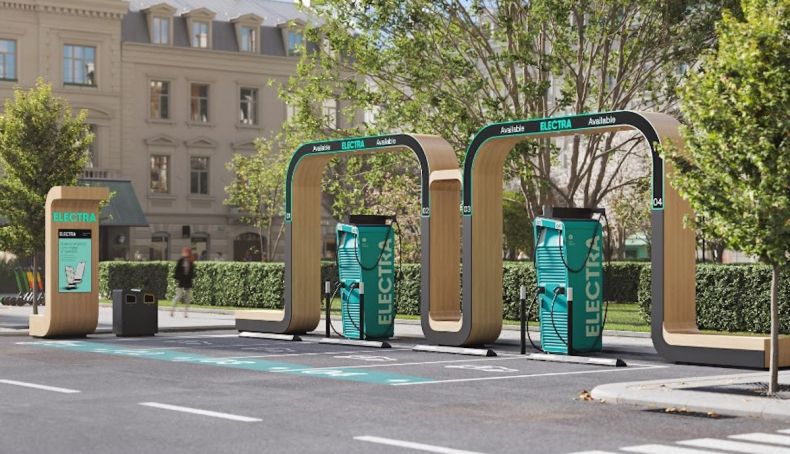
Variable pricing: always transparent.
The evolution of the pricing model—expected to become an industry standard in the near future—must be carried out transparently and without exceptions. It is therefore essential that users know the price in advance and have the information needed to make an informed decision, as predictability is crucial for building trust. Drivers readily accept that energy costs may be lower at certain times if they understand the reasons and have the ability to choose.
In this regard, technology opens up exciting opportunities. Mobility apps offer the ability to check station occupancy in real time, compare nearby alternatives, and plan routes based on charger availability. Incorporating visible, advance price signals is the next logical step in this evolution.
It is also important to highlight the collective benefits of these mechanisms. Shifting some demand to periods of lower usage reduces wait times, improves the experience for users with less schedule flexibility, and optimizes infrastructure that often remains underutilized during certain time slots. We must revisit the initial point regarding congestion at specific times and locations. Would it be wise to consider whether a variable pricing system could make the entire system more rational and improve the experience for everyone? The answer is a resounding yes.
Ultimately, the electrification of transport is not just about vehicles or infrastructure; it is also a matter of smart energy management. The future of electric mobility will be defined by greater speed and enhanced intelligence.
Bastien Verot, CEO of Electra in Spain.