

When is the best time to switch to an electric vehicle to further reduce emissions?
Replacing a running gasoline vehicle with an electric one might seem, at first glance, like a decision with a questionable environmental impact. Manufacturing a new vehicle, especially one with a large-capacity battery, involves emissions that could be avoided if the owner chose to keep their current car for a few more years. However, a recent study by researchers at the University of California, Santa Cruz and the University of California, Santa Barbara, reaches a remarkably different conclusion. From a climate perspective, immediately replacing a combustion engine vehicle with an electric one appears to be the most effective option for reducing accumulated emissions.
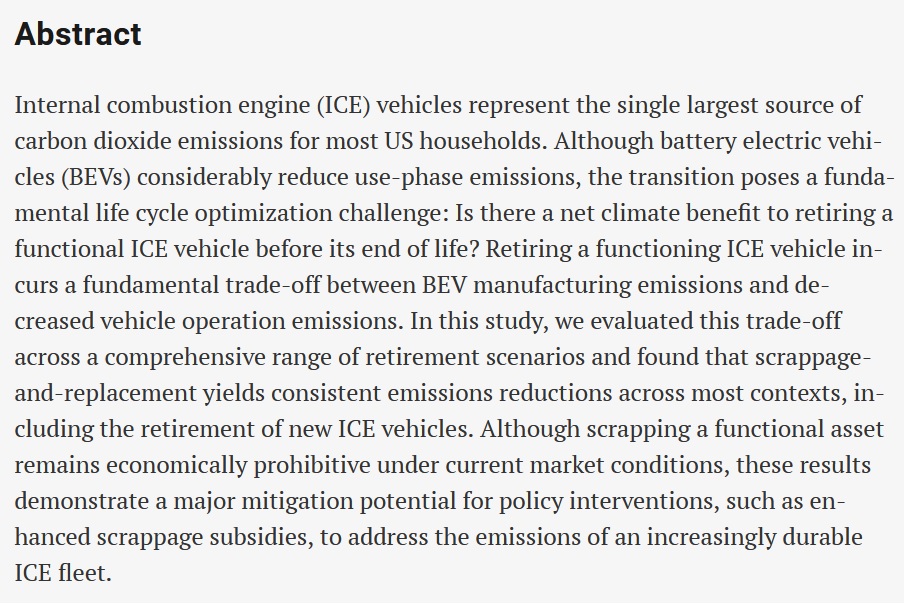
The study, published in the journal Science, examines a question for which, according to its authors, a well-supported answer had not yet been provided: When is the best time to replace an internal combustion engine car with an electric one? The rigorous and professional study presents a comprehensive comparison of various vehicle replacement points, calculating the emissions associated with maintaining a gasoline-powered vehicle over its estimated 16-year lifespan, in contrast to the option of early retirement to replace it with a battery electric vehicle.
The importance of switching at the right time.
The results indicate a considerable advantage when the switch occurs early. According to the simulations, retiring a combustion engine vehicle during its first year and replacing it with an electric one can reduce carbon emissions by 58% over a 16-year period. This figure includes both emissions generated during the electric vehicle's manufacture and those associated with its use, allowing for a more complete assessment compared to simply comparing emissions while driving. Manufacturing an electric vehicle, as expected, involves an initial penalty, since the production of the battery and the car itself generates emissions that would not occur if the driver continued using their current vehicle. However, the study estimates that, generally, it takes approximately three years of operation with a zero-emissions vehicle to offset the environmental impact. After that point, the difference in emissions widens rapidly.
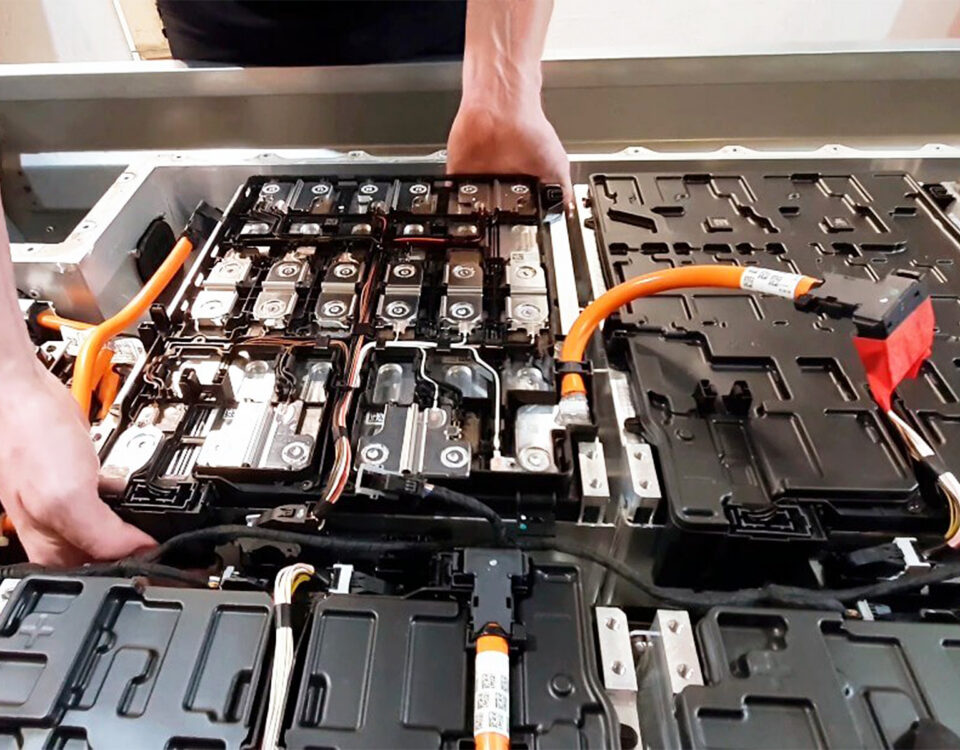
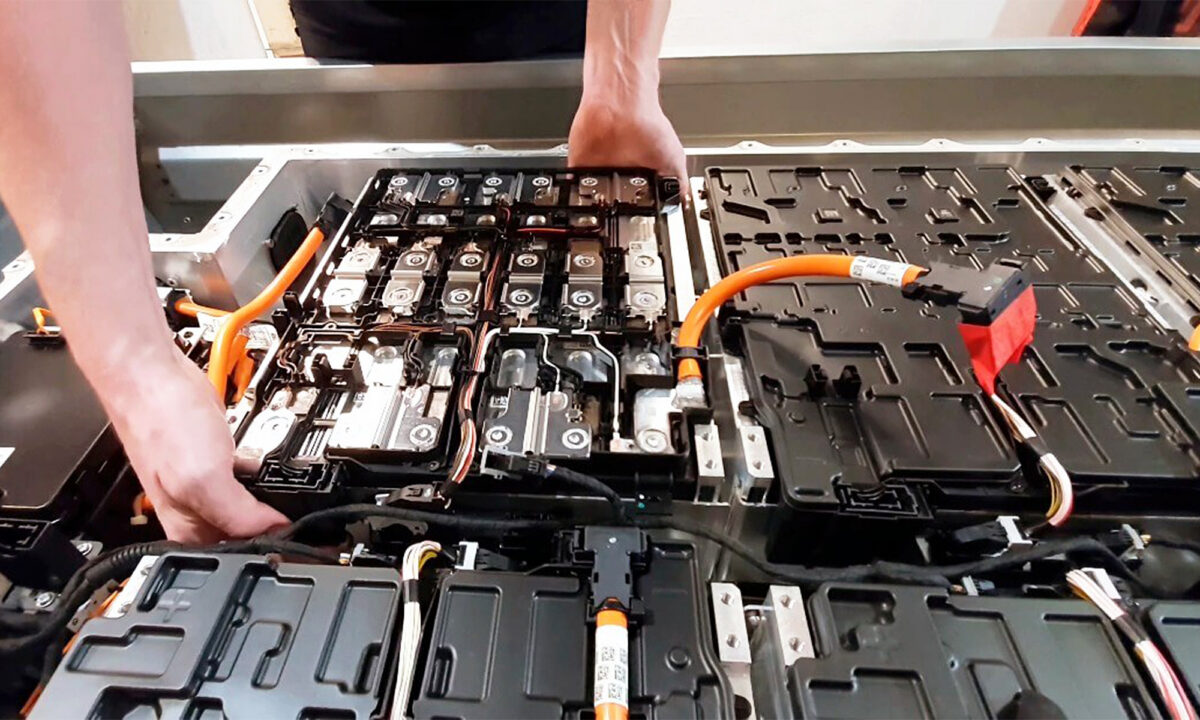
To reach these conclusions, researchers analyzed more than 400 models of combustion engine and battery electric vehicles. The analysis considered variables such as vehicle efficiency, the source of the electricity used to recharge the batteries, mileage, emissions from electric vehicle manufacturing, and battery size.
One of the most significant results emerges when the analysis is broadened to include various contexts: 92% of the situations analyzed, in which a gasoline or conventional hybrid vehicle was replaced with an electric vehicle before the end of its useful life, achieved some level of overall carbon emissions reduction. While the overall result is positive, it is important to note that there are significant exceptions that must be considered.
There are cases where switching is not beneficial from an emissions perspective.
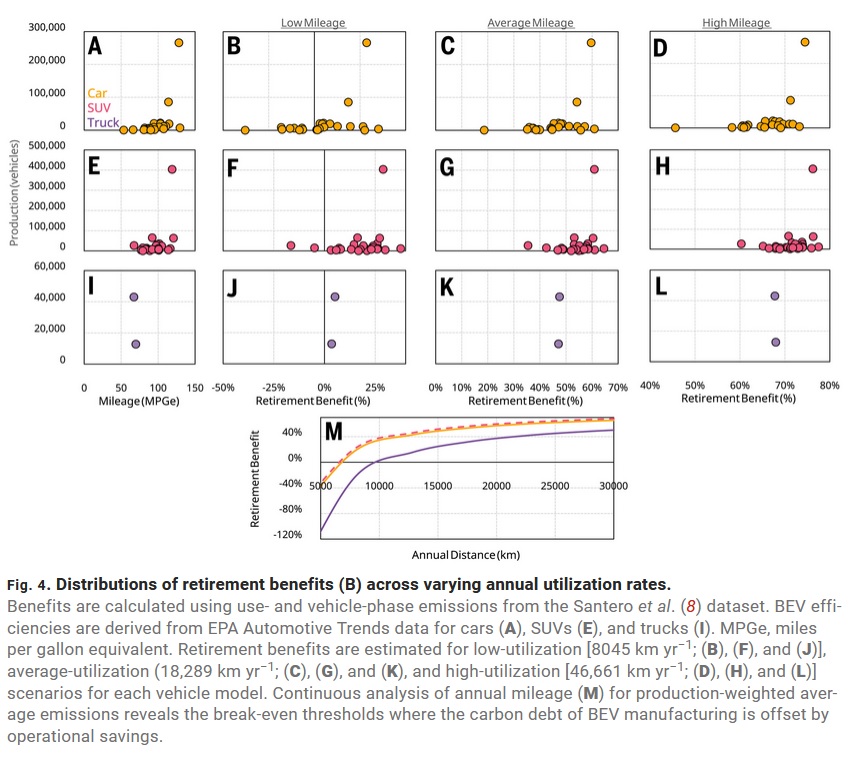
The most relevant aspect is that of plug-in hybrid vehicles, which may not offer a significant emissions advantage if replaced prematurely. Because they have a battery that allows for partial electric driving, some models are efficient enough that prematurely replacing them with an electric vehicle could lead to increased emissions. Similarly, replacing combustion engine vehicles with low annual mileage is not advisable: the study establishes thresholds of less than 7,054 kilometers per year for passenger cars, 6,837 for SUVs, and 10,794 for light commercial vehicles.
The source of electricity must be considered, since in grids heavily reliant on coal and other fossil fuels, the inherent advantages of using an electric vehicle are partially mitigated, given the increased carbon footprint associated with each recharge. Conversely, a greater presence of renewable energy in electricity generation translates into a greater climate benefit for battery-powered vehicles.