
The future of electric off-road vehicles
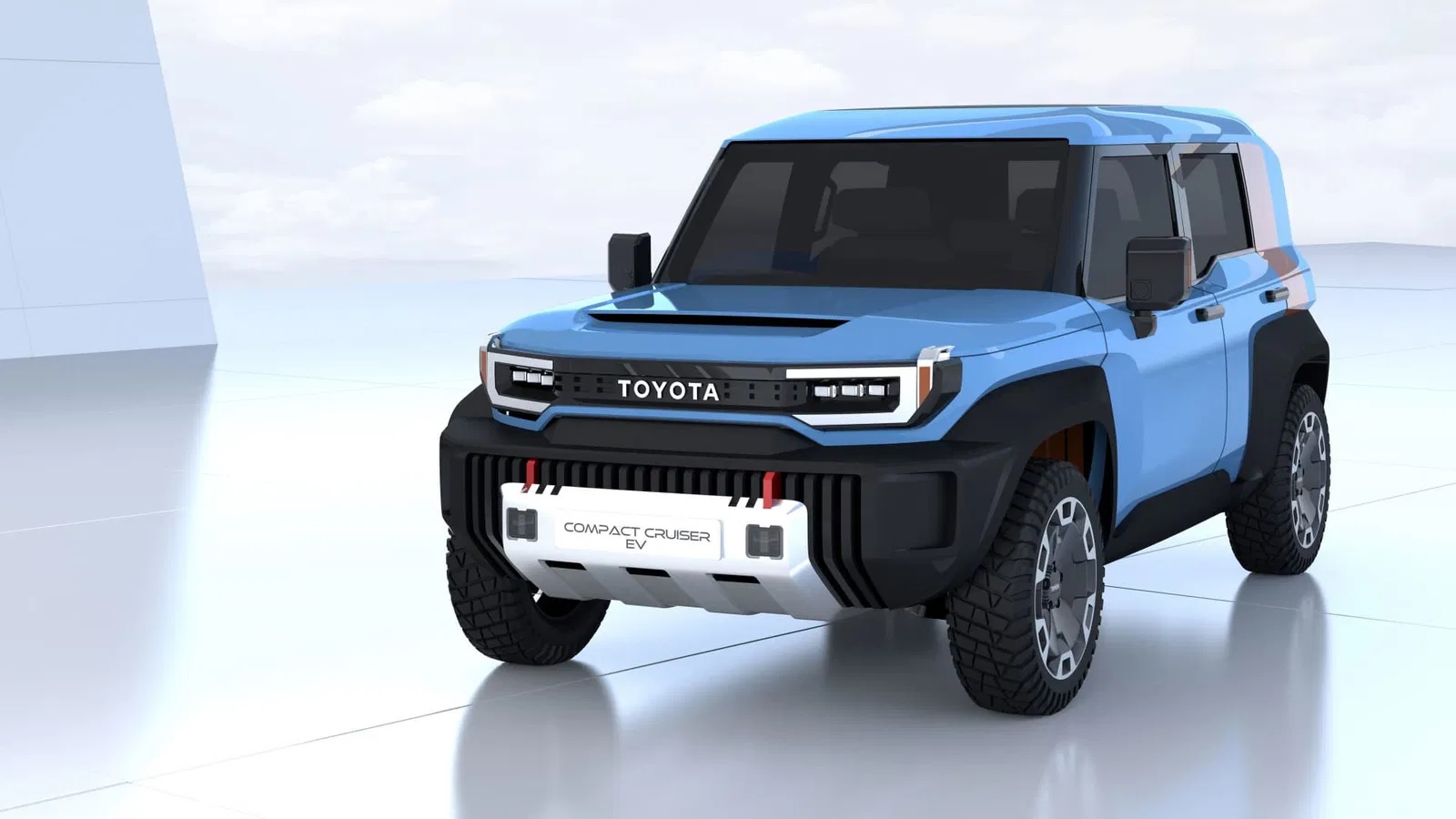
Toyota is exploring methods so that the high-capacity batteries in its future electrified vehicles do not affect one of the main advantages of an off-road vehicle: the ability of its chassis to adapt to very irregular surfaces. The Japanese company has developed a new mounting structure intended precisely to isolate the battery from part of these movements.
The proposal, which is registered in various patents related to independent frame vehicles, suggests a modification in the way the battery is supported on the structure of the vehicle. The main objective of this development is to ensure the stability of the battery pack during off-road driving, even when the two side members of the vehicle are subjected to different degrees of twisting.
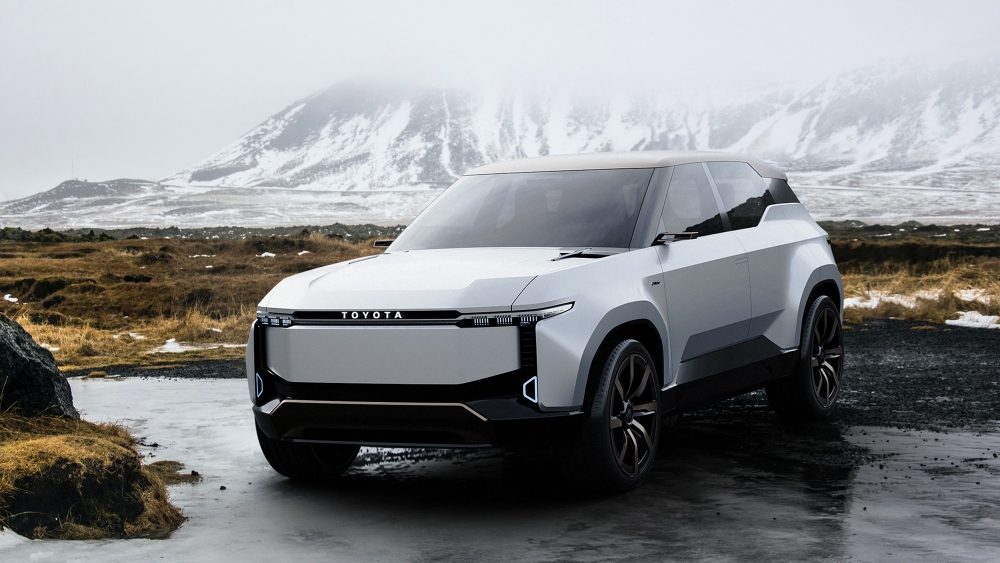
The problem is not in the chassis, but in everything that is attached to it.
Off-road vehicles and pickup trucks built with a frame rail frame are designed to withstand acceptable levels of deformation. When one wheel is raised over an obstacle and another is held in a lower position, the structure may experience a slight twist, allowing the suspension to maintain contact with the terrain. This behavior is an expected aspect in this type of vehicles.
The presence of a battery weighing hundreds of kilos significantly modifies the environment. In contrast to a fuel tank, the accumulator requires a much larger surface area, is rigid and must be protected against mechanical stress. Toyota has identified in its patents that too direct a connection to the side members can result in some of the torque being transferred to the package itself.
The proposed solution consists of concentrating the battery support in areas of the frame where the displacement caused by torsion is significantly lower. One of the patented configurations incorporates a subframe located in the central part of the vehicle, strategically designed to support the accumulator from a lower position, which significantly reduces the movement that affects the accumulator when the vehicle travels over challenging terrain. Toyota maintains that this design would preserve both driving stability and battery protection.
The company has developed a second patent that addresses the same issue, by dividing the assembly into multiple modules held together by transversal elements and elastic connections. In this way, each section can adopt small inclinations independently when the stringers are twisted, rather than forcing the entire package to simultaneously assume the same deformation.
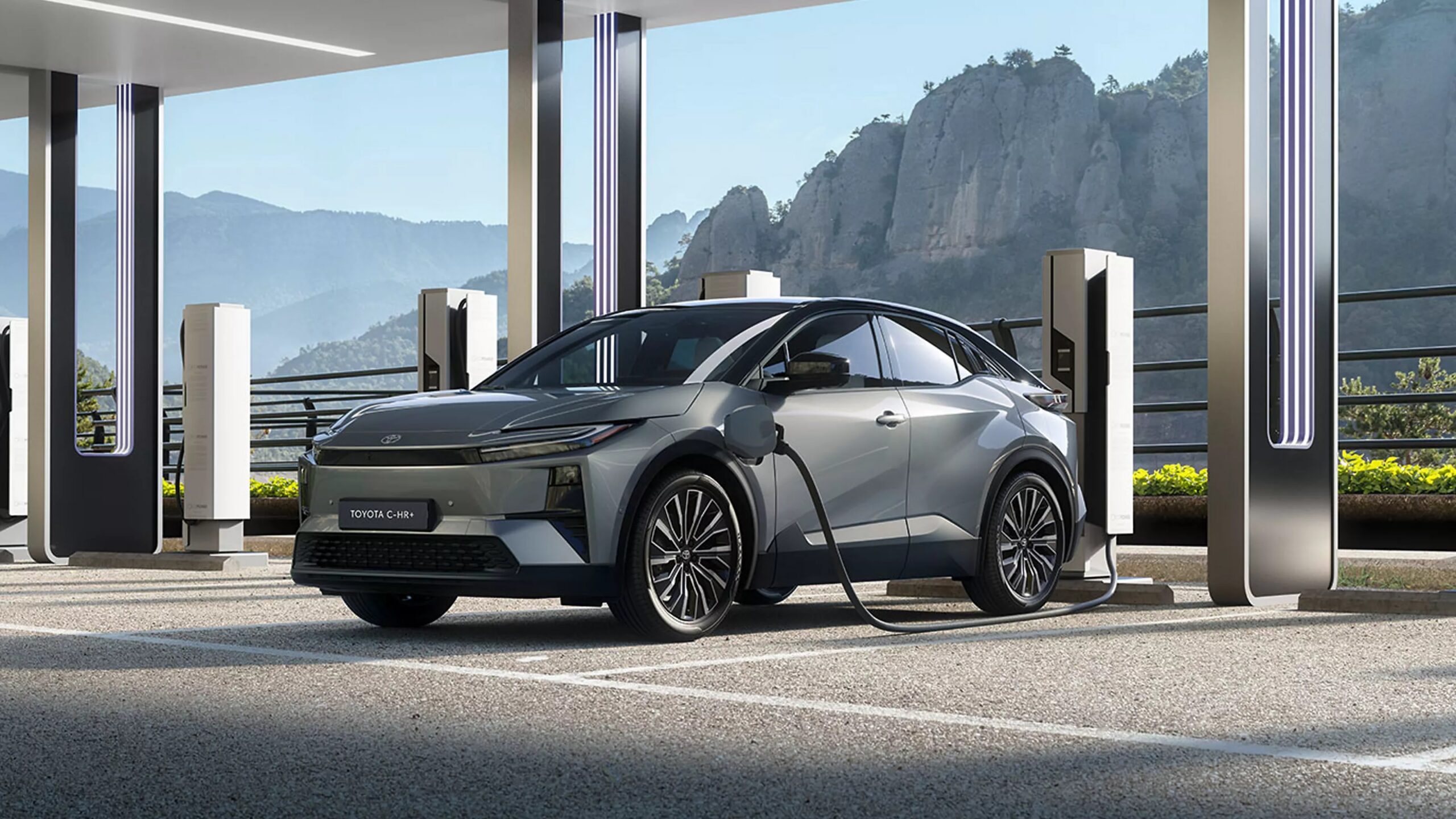
Increasing battery capacity without turning the battery itself into a rigid structural component.
Such solutions could prove particularly relevant for electrified pickup trucks, off-roaders, and commercial vehicles, where there is a desire to boost battery capacity without sacrificing ground clearance or completely redesigning platforms originally built around a separate frame.
Toyota is currently investigating other systems designed to protect the battery pack from impacts. A patent published in January 2026, for instance, proposes rearranging the battery and surrounding energy-absorbing elements so that the latter bear the brunt of the load during a side-impact collision. The primary goal is to prevent structural forces from being transmitted directly to the battery.
At this stage, these are patented developments, and Toyota has not confirmed their use in any specific model. Nevertheless, there is a clear line of development regarding body-on-frame electrified vehicles, aimed at ensuring the structure retains the necessary off-road capabilities without an increasingly large battery becoming a limiting factor for vehicle movement.