
Spain is testing a technology that detects how much a car pollutes in a matter of seconds
In the future, simply passing a device placed on the side of the road could be enough to determine if a vehicle is polluting excessively. There's no need to stop the vehicle, connect it to any machine, or carry out a conventional inspection: the measurement is taken while the vehicle is moving and only takes a few moments.
Spain is emerging as a leading example in this field, demonstrating an exemplary commitment to implementing innovative practices. In recent years, tests have been carried out with remote emissions detection systems, and since February 2026, there has also been a specific standard that defines how this equipment works. The main objective is to identify vehicles with high levels of pollution by evaluating their actual emissions, rather than simply considering their age or environmental rating.
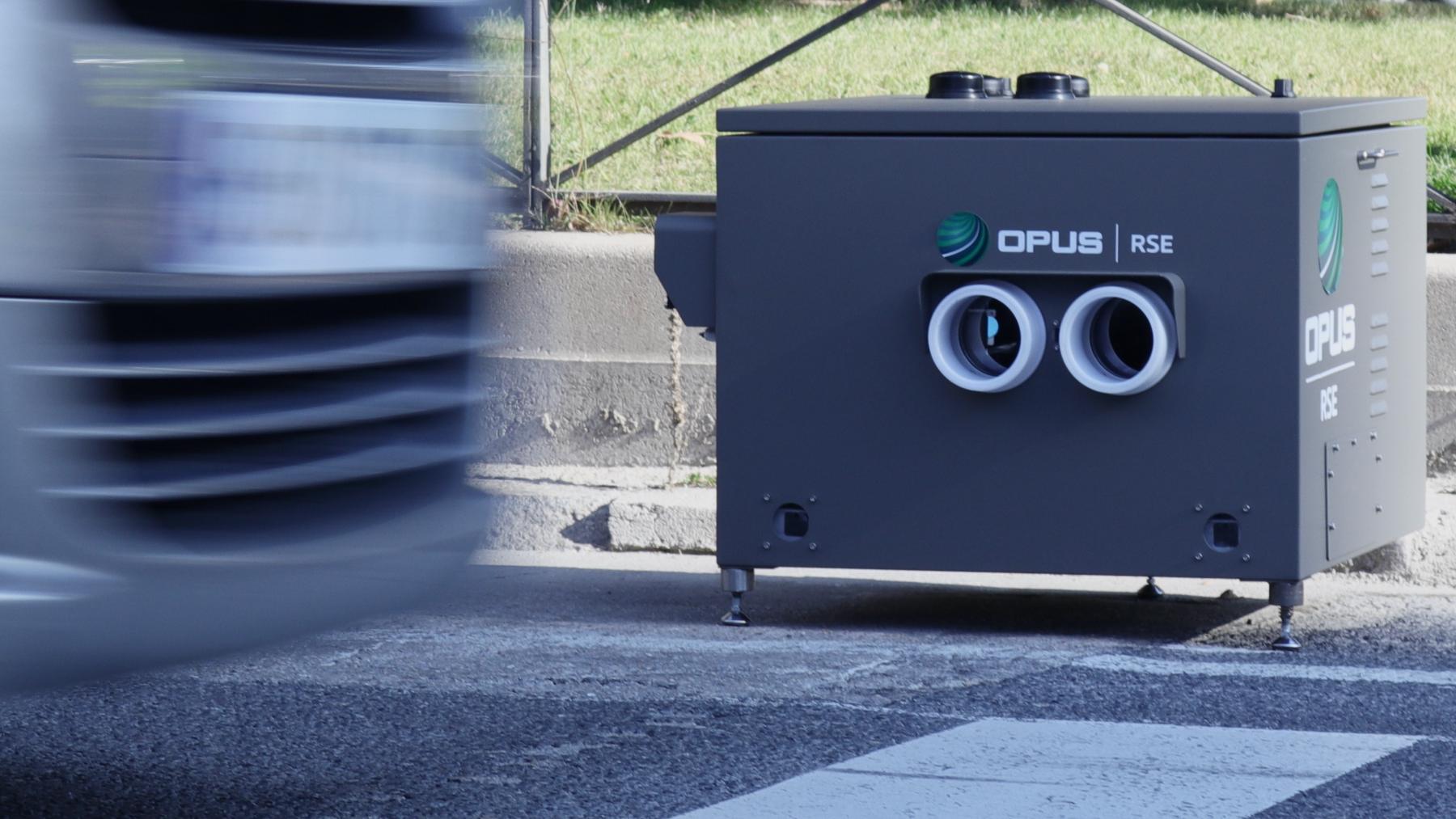
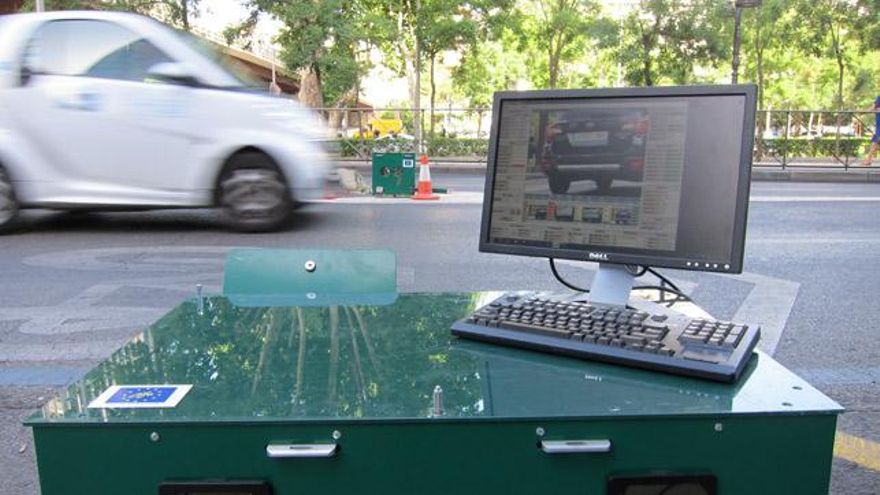
A sensor next to the road can analyze the exhaust fumes as the car passes.
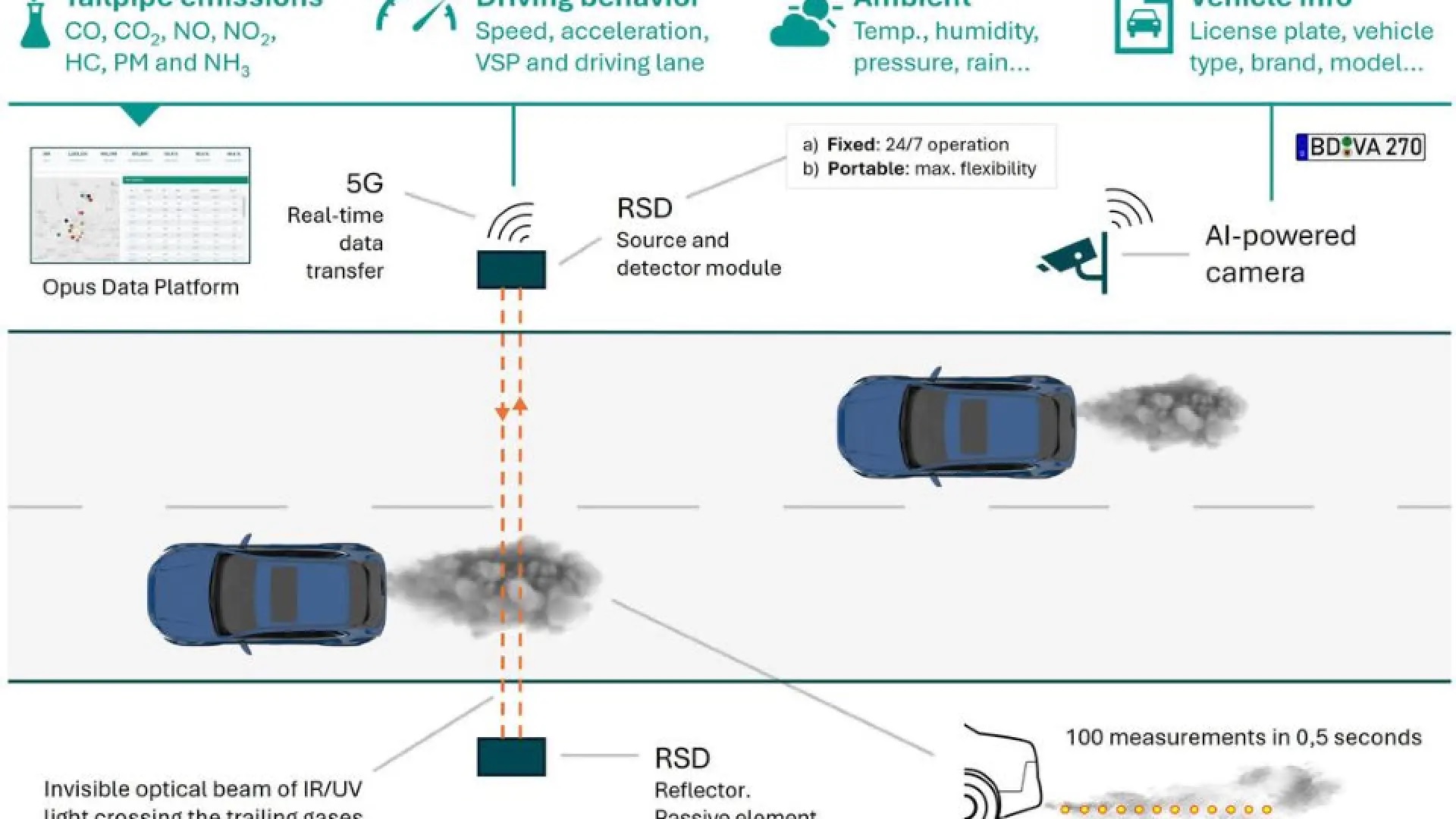
These devices, called remote vehicle emissions measurement instruments (RVEMs), can be placed near a road and analyze the gases emitted by passing vehicles. Opus RSE is one of the companies working with this technology in Spain, and its systems use infrared and ultraviolet light beams to study the composition of the exhaust plume.
This makes it possible to gather information about pollutants such as nitrogen oxides and carbon monoxide without disrupting traffic. Furthermore, the measurement can be combined with license plate recognition cameras, allowing the results to be linked to the vehicle's technical specifications and detecting anomalous behavior within equivalent models.
A significant advancement in Spain occurred on February 25, 2026, with the entry into force of the UNE 82509:2026 standard. The Spanish Metrology Centre confirms that this is the first national standard that establishes metrological requirements and specific testing procedures for these devices, allowing their voluntary certification according to common technical criteria.
Europe wants to use this technology to find the most polluting cars.
The European Commission has integrated remote sensing into the revision of its vehicle inspection regulations. The proposal currently under consideration stipulates that member states must analyze, using these systems, a minimum of 30% of the vehicles registered in their territory each year.
However, it is important to note that a high reading does not necessarily result in an immediate penalty or a failed MOT inspection. The European text specifies that a single remote measurement is not sufficient to determine compliance or non-compliance with the requirements. According to the established procedure, further verification is required when at least three measurements within a six-month period indicate abnormally high emissions compared to other vehicles of the same category and technology.
The fundamental difference between this system and the one currently implemented in many low-emission zones lies in the reference data used. Low Emission Zones primarily classify vehicles using their environmental badge and type approval characteristics. These devices allow for the accurate determination of a vehicle's actual pollution levels while in circulation. This makes it possible to identify vehicles with mechanical problems, modified emissions control systems, or emissions levels exceeding expected limits, regardless of the sticker on the windshield.