

Regulation of Level 3 and 4 Autonomous Driving Systems
Manufacturers will be required to refrain from claiming that their vehicles are capable of driving without human intervention. The most advanced systems will have to demonstrate, through documentation, simulations, and real-world testing, that their operation offers, at a minimum, the same level of safety as that of a competent and attentive driver.
This new criterion establishes a concrete benchmark for evaluating technologies that were previously presented with capabilities and limitations that were difficult to compare. Furthermore, manufacturers will be required to assume responsibility for the system's safety throughout the vehicle's entire lifespan, from its initial design phases to post-market updates.
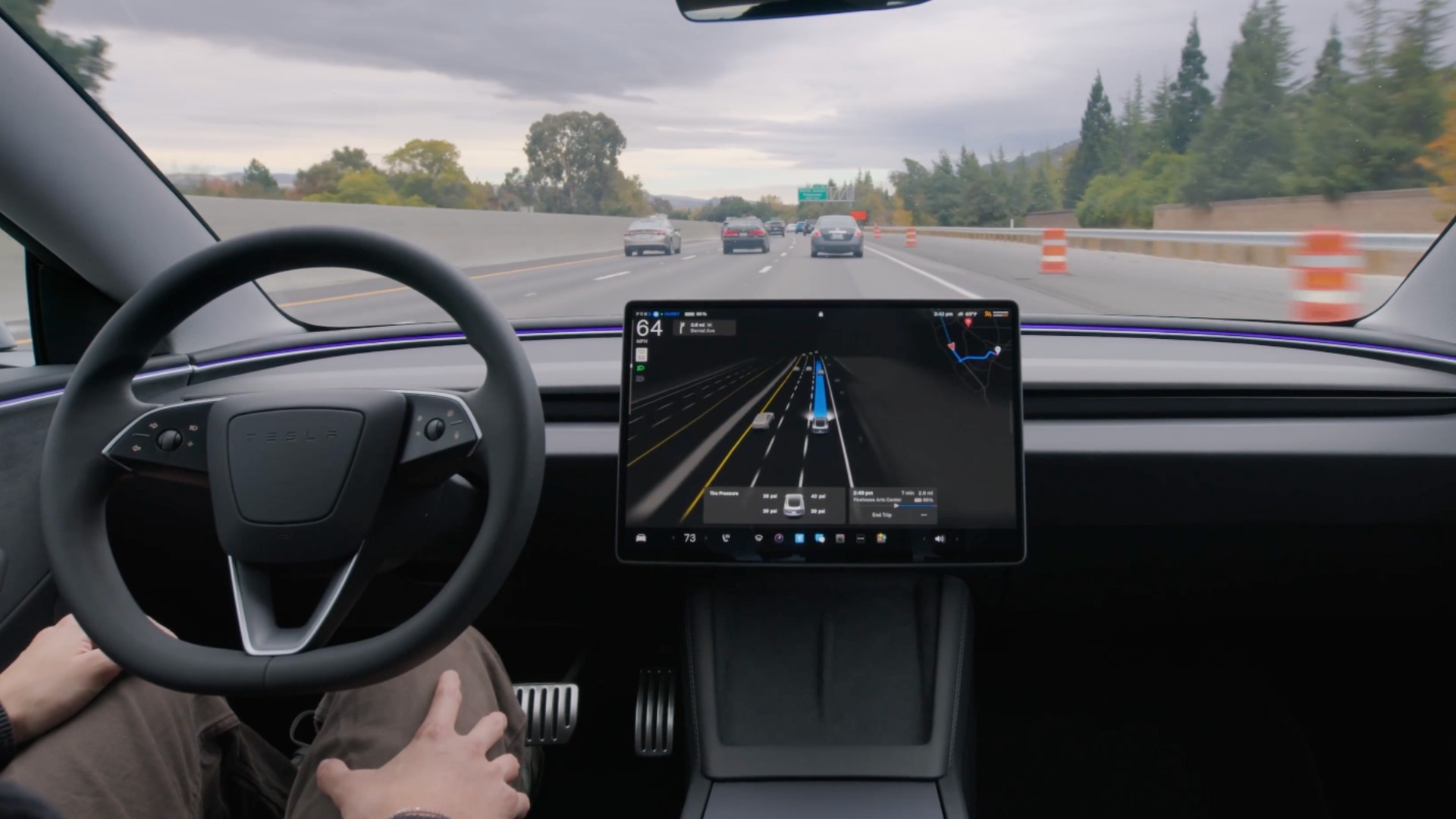
Autonomous vehicles will be compared to a human driver.
This requirement is part of the mandatory standard GB 44721-2026, approved in China for M and N category vehicles equipped with Level 3 and Level 4 automated driving systems. Its implementation is scheduled for July 1, 2027, and will not include automatic parking functions, which will be regulated separately.
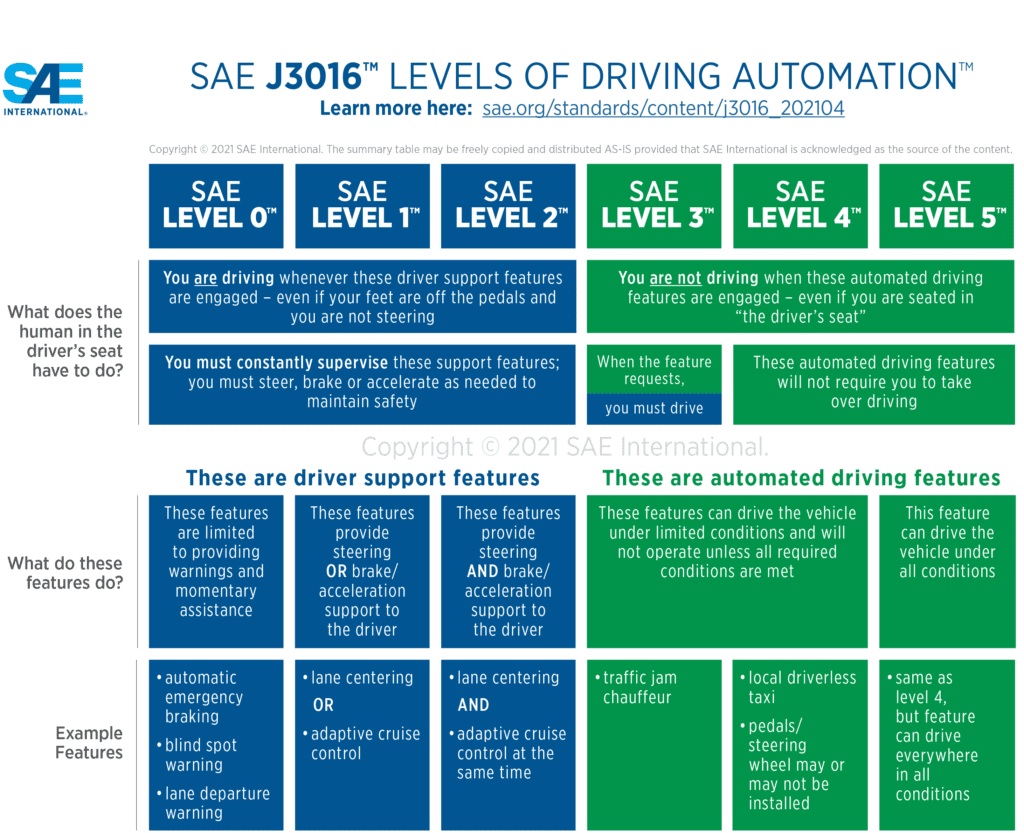
At Level 3, the vehicle is capable of taking over driving under predetermined conditions, provided it can return control to the driver. Consequently, vehicles must verify that the driver is available to intervene, clearly notify them, and safely manage both the activation and deactivation of the system.
To achieve this, manufacturers must validate these functions through a combination of simulations, closed-track tests, and open-road trials. The process will be carried out in collaboration with external organizations, which will perform additional checks and review each vehicle's safety record.

Manufacturers will have to explain what the car is actually capable of.
Another key objective is to reduce the misuse of these technologies. Manufacturers must specify the roads, speeds, and conditions under which each system can operate, its limitations, and the driver's continued responsibilities. This information will be displayed in the owner's manual, on the manufacturer's official website, and directly on the vehicle's screens. The regulation will require each company to have mechanisms in place to detect risks, investigate potential failures, and improve the system after its launch. Consequently, initial type approval will no longer be the sole control, and safety will have to be monitored during production and while the vehicles are in operation.
In 2025, China began drafting this standard, framing it within a broader context aimed at regulating the rapid development of connected vehicles. This initiative aligns with the expected adoption, in June 2026, of the first United Nations global framework for automated driving systems. This framework establishes common requirements to facilitate the deployment of vehicles capable of operating without constant supervision.