

Because today's cars are less reliable
Don't you get the feeling that the world is moving faster and faster? It's worth noting that this isn't a reference to the Earth's rotation, but rather to all technological advancements. Currently, the release cycle for new mobile phone models has shortened significantly, with only a year between generations. This pace of innovation is even more accelerated in the automotive sector, where the constant evolution of technology is generating a number of releases that challenges the media's capacity for analysis and coverage.
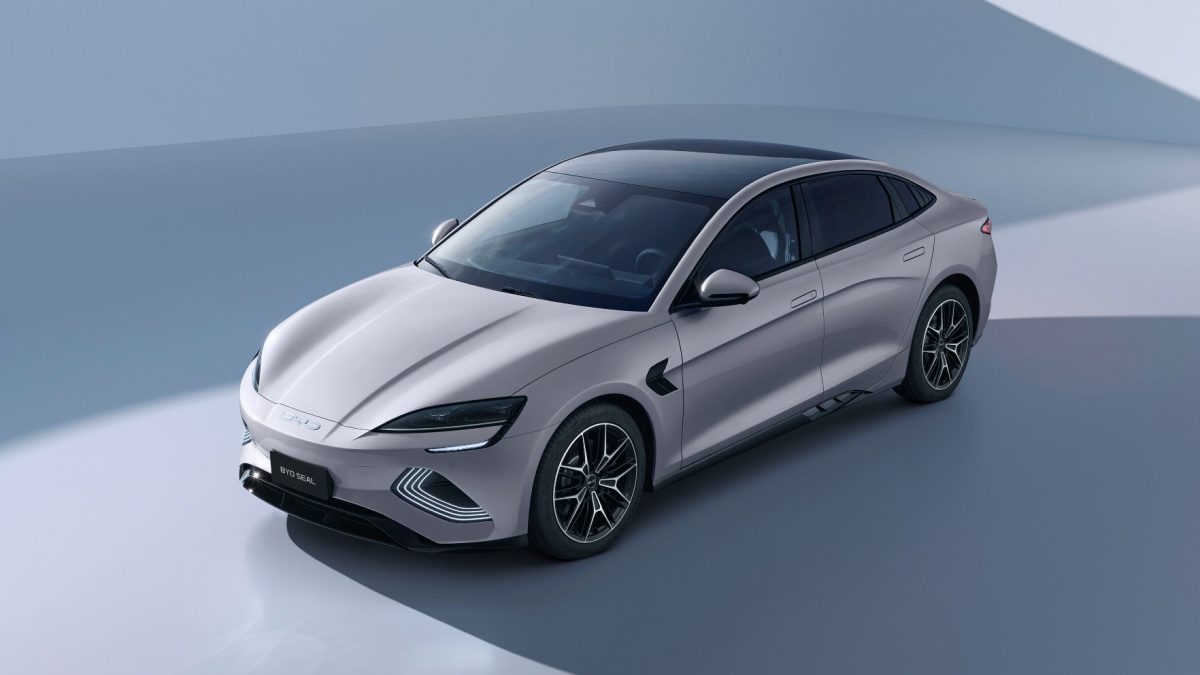
The rapid obsolescence of vehicle generations has been attributed by some to the dynamics of other industries. Others, however, point to Chinese brands as the main drivers of this phenomenon, arguing that they have expanded their reach beyond their local market to achieve a global presence, which has raised concerns about their impact on the global automotive industry. The question is whether the current pace of development is beneficial for the end consumer or whether, on the contrary, it is leading to a progressive decline in vehicle quality.
A considerable number of manufacturers are recalling certain models that have developed defects once on the road. The errors appear to originate from various parts of the vehicle itself. However, software-related problems are gaining significant traction and becoming a source of concern. It has been concluded that engineers are being required to solve increasingly complex tasks in less time.
It should be noted that, despite the accelerated pace that characterizes the sector, some manufacturers are extending the lifespan of several model generations longer than usual. It's worth noting that, generally, a car remains on the market for a period of six to seven years, with the midpoint of this cycle being the ideal time for a facelift.
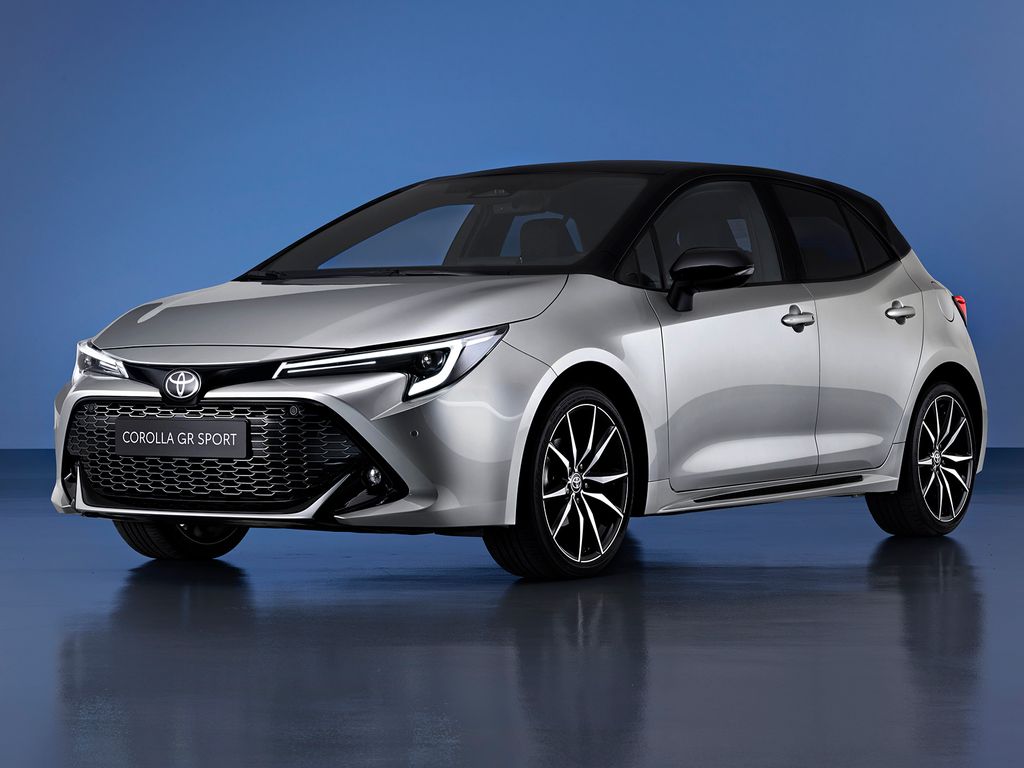
Among the brands implementing this strategy are several from the Volkswagen Group, such as the Polo, Ibiza, and Fabia models. This measure is being adopted to extend the commercial lifespan of vehicles in the face of weak demand for electric cars. Toyota, with its Corolla model as a prime example, represents a notable exception in the automotive market. Despite its market leadership since 2018, a specific launch date for its next generation has yet to be set.
It is clear that if all manufacturers implemented this approach, they would have more time to develop new models and resolve any potential problems that may arise during the development process, before these vehicles reach the market and generate frequent visits to service centers.
One of the potential advantages of extending vehicle lifespans would be reduced costs, resulting in greater economies of scale. Purchasing larger volumes leads to a lower cost per unit, improved component reliability, and benefits for the end consumer, as prices could be reduced—a growing complaint. This is certainly a situation that could prove beneficial for all parties involved. However, we must bear in mind that, based on the available evidence, this is highly unlikely.
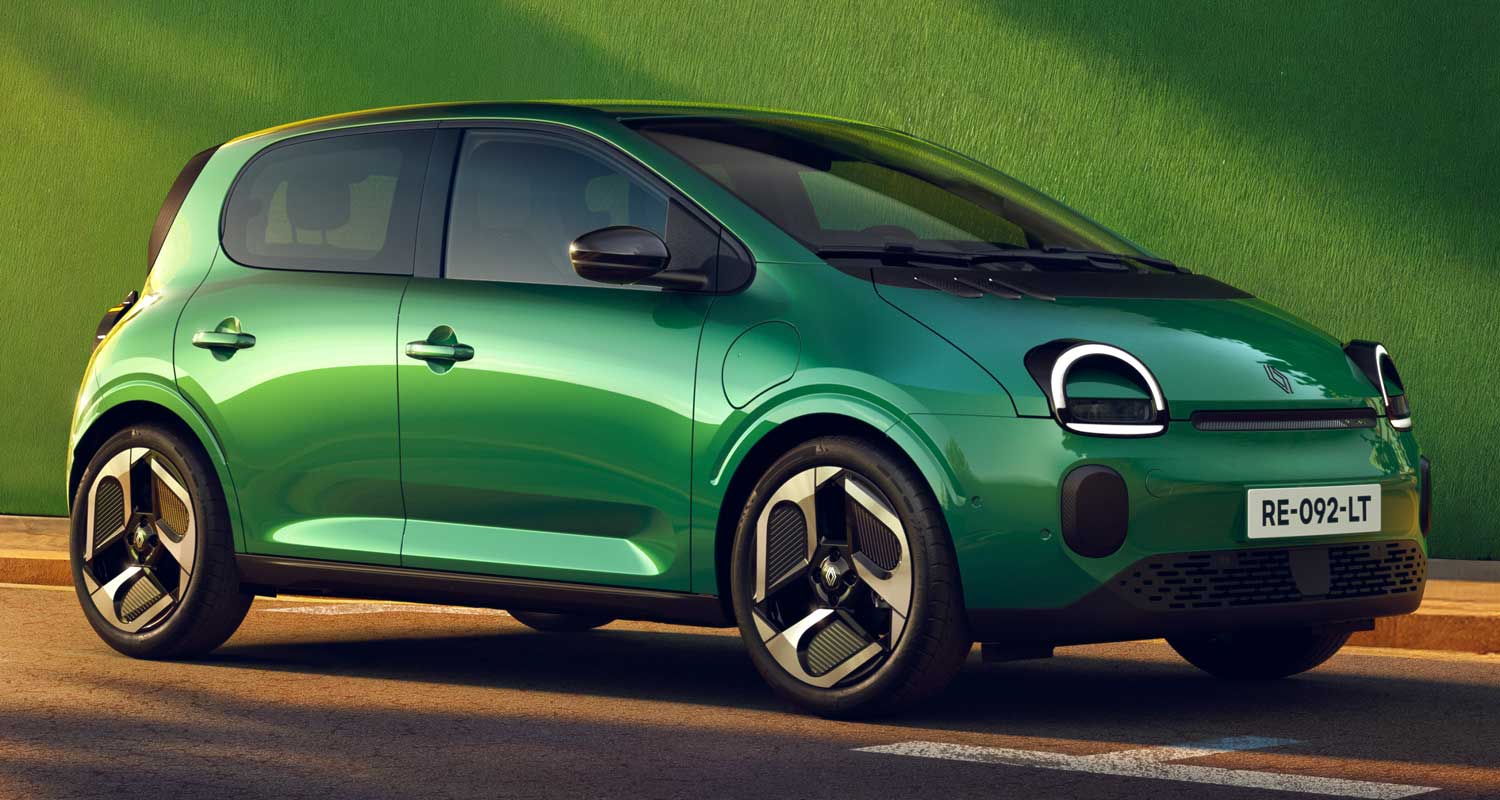
Ultimately, traditional manufacturers, both European and Asian, who already had an established market presence, will be forced to adapt to the rapid agility that characterizes Chinese companies. This means they will have to develop vehicles in a significantly shorter timeframe, as evidenced by Renault's announcement regarding its new Twingo. Consequently, product lifecycles will be significantly reduced, which could be perceived as unfavorable news for consumers.