
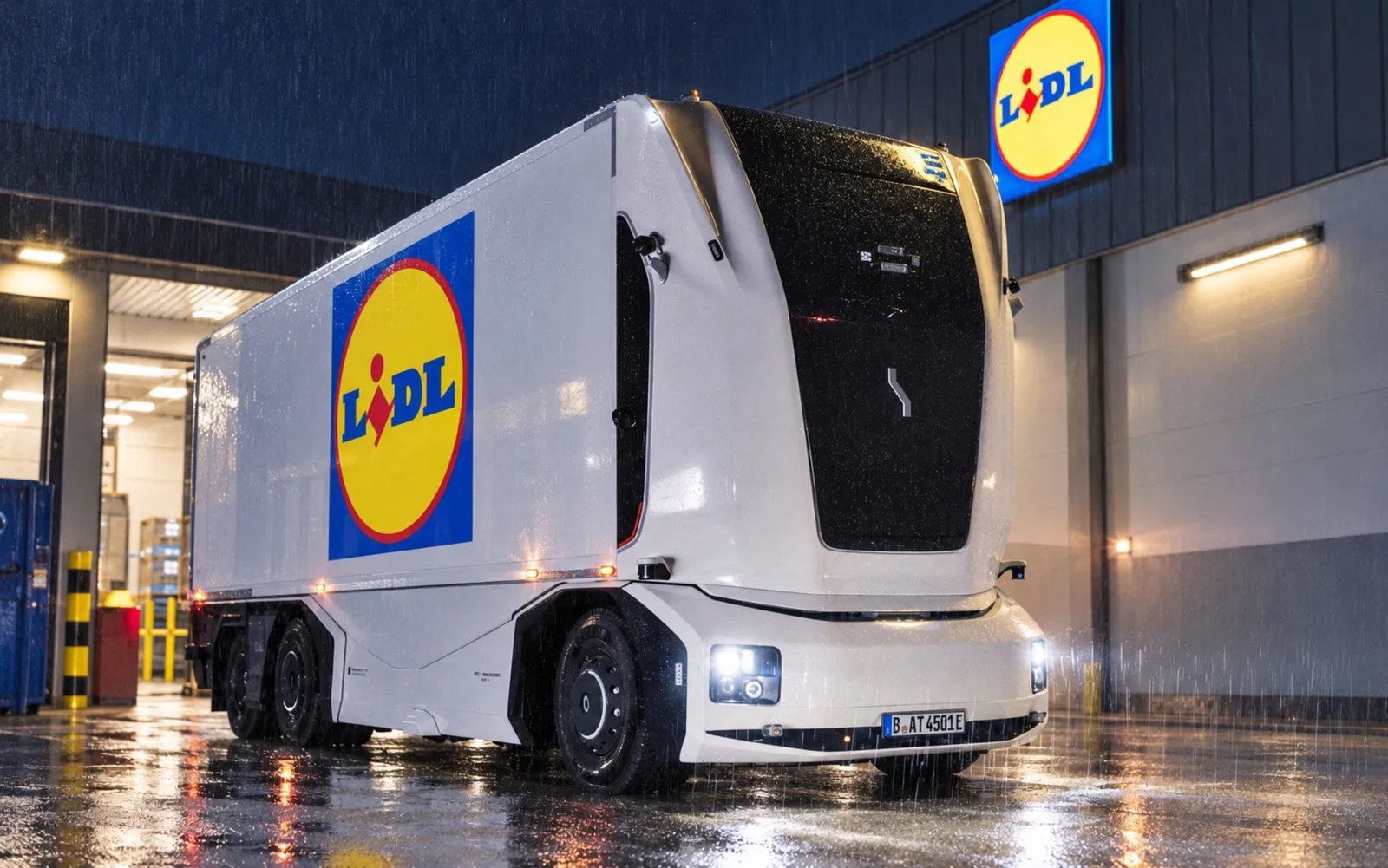
The autonomous, cab-less electric truck already working for Lidl
The automation of heavy transport is making significant strides in Europe. Until now, most projects involving autonomous trucks had taken place in private settings or on highly controlled test tracks. However, Lidl has begun integrating one of these vehicles into its regular supply chain, including operation on public roads.
The project was launched in Germany, where the retail chain is collaborating with the Swedish company Einride and has received authorization from the *Kraftfahrt-Bundesamt* (KBA). The vehicle is fully electric, features no driver's cab, and operates using an SAE Level 4 automated driving system; it is capable of driving without a human on board, provided it remains within the authorized operating conditions and area.
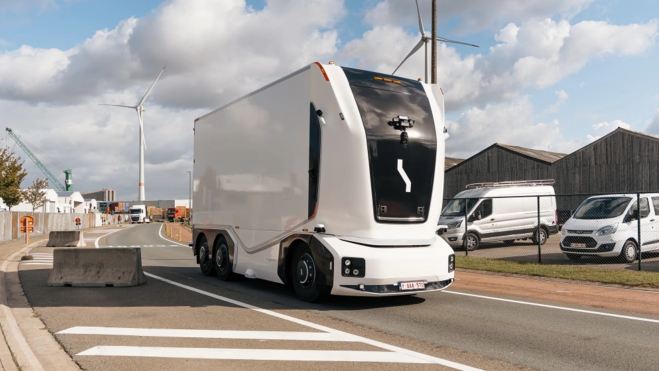
Lidl is already using it to supply one of its stores.
The initial commercial operation is taking place in Edermünde, near Kassel, running between a Lidl distribution center and an adjacent store. The truck has a capacity of 15 Euro-pallets and is equipped to make up to three trips per day. Through this logistical deployment, the company aims to ensure an uninterrupted supply of dry goods along the route for the duration of the four-month project.
It is worth noting that the goal goes beyond merely demonstrating the vehicle's ability to drive autonomously. Lidl has integrated this technology into a tangible logistics operation, transporting goods destined for a store while other distribution processes function around the truck. The company estimates that it will be able to transport over 3,000 pallets during this initial phase.
Currently, the scope is limited. The system operates within a pre-defined zone, and the group's objective is to gather data on its integration before expanding the project. The next steps under consideration include adding more delivery points and evolving toward multi-stop routes, rather than maintaining only the shuttle run between the warehouse and a single store.
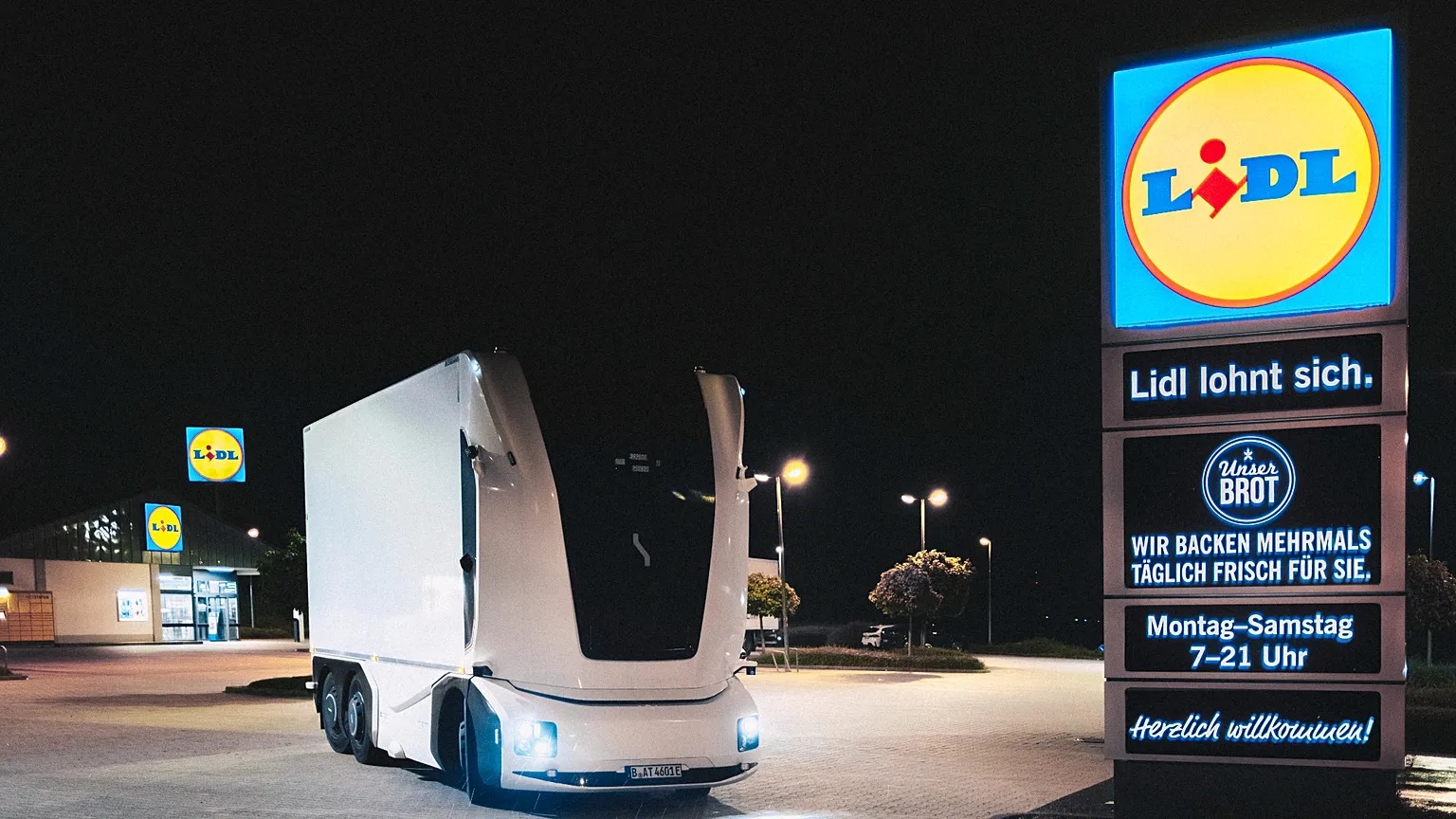
Europe already has regulations for autonomous vehicles.
The German experiment is taking place at a time when the European Union already has a specific framework in place for fully automated vehicles. Implementing Regulation (EU) 2022/1426 established common procedures and technical requirements for the type-approval of their automated driving systems. Subsequently, an amendment was approved in March 2026 that updated these rules and expanded the European framework applicable to this technology.
European regulations specifically cover transport applications within defined areas and along pre-established logistics routes, making this type of operation one of the most immediate scenarios for the expansion of autonomous driving. Lidl and Schwarz Group will thoroughly evaluate the results of the German project in collaboration with Einride before making decisions regarding further rollouts, considering the possibility of implementing the system on other routes within their extensive European logistics network.