
Geely's Ultra-Fast Charging Without Battery Degradation.
With the viability of electric vehicles now proven, offering a range that allows for long-distance travel without problems, the industry is currently focused on developing the charging infrastructure. We are currently at a stage of technological development that allows us to approach charging times similar to or shorter than those of a combustion engine car. However, it is important to consider the safety aspects and the advantages and disadvantages of ultra-fast charging. It is crucial to keep in mind that exceeding one megawatt of peak power can cause significant battery deterioration if fundamental aspects, such as cell temperature, are not properly managed. Recently, Geely has demonstrated the feasibility of charging at more than 1 MW without causing damage.
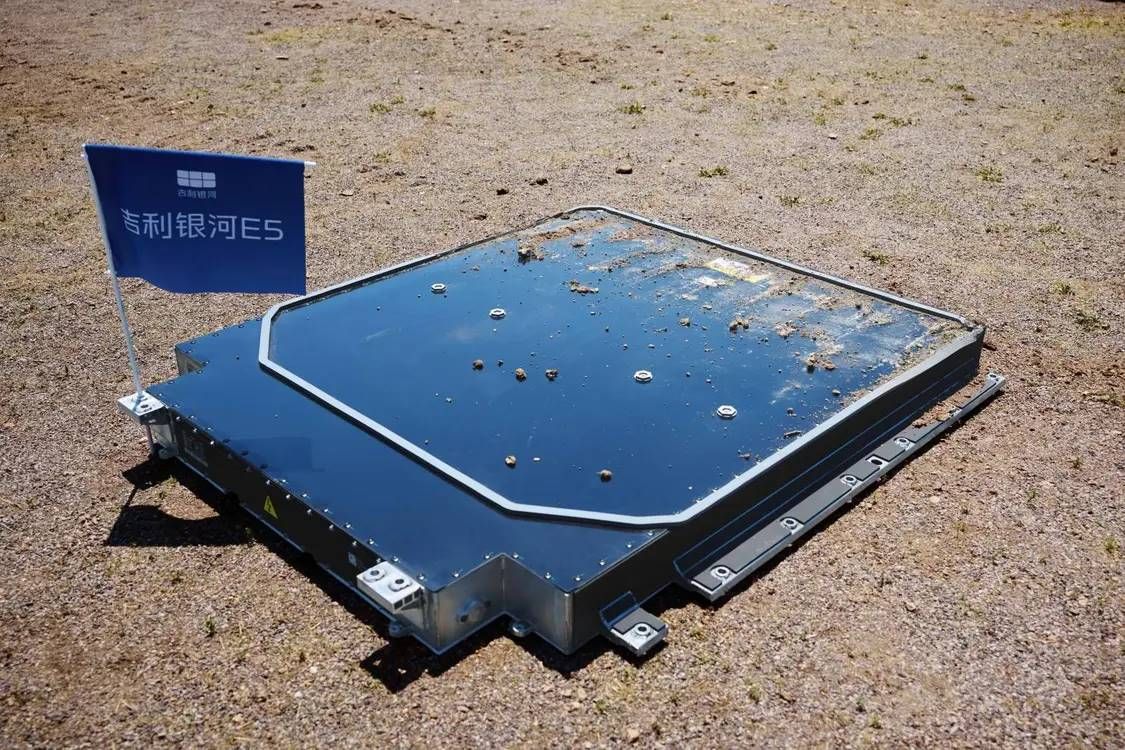
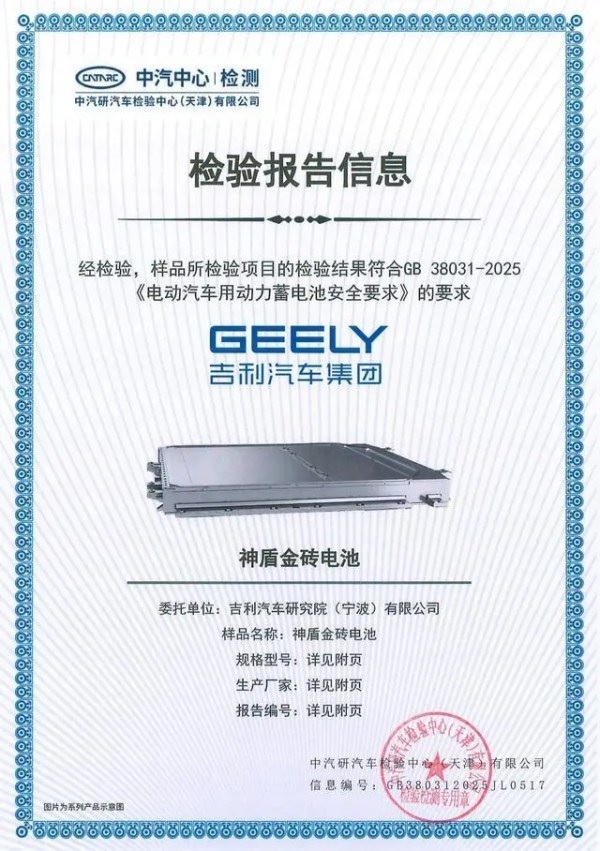
The China Automotive Technology and Research Center (CATARC) has certified an unprecedented milestone in the field of electric vehicle charging. During official validation testing, Geely's 95 kWh Aegis Gold Brick battery pack achieved a peak in-vehicle power output of 1,093 kW, demonstrating its exceptional capacity and performance. In addition to delivering remarkable recuperation performance, Geely successfully maintained compliance with the stringent thermal standards set by regulatory authorities. Its main competitor, BYD, struggled to meet the same test under real-world conditions, with peak temperatures reaching up to 76°C in the battery's internal components.
Extreme thermal management below the regulatory limit.
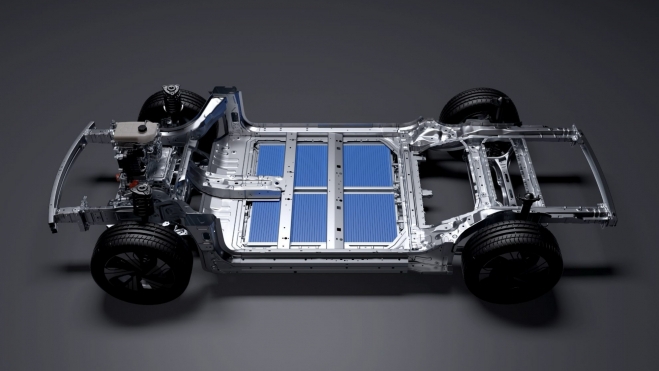
This advancement focuses on the battery's energy receiving capacity, rather than being limited to the power of external chargers. The secret to this performance lies in a 900-volt architecture with optimized heat dissipation paths to limit cell degradation during power peaks. Subjecting a battery pack to excessively high charging rates generates a considerable amount of heat, which, in turn, ends up destroying the module prematurely compared to the results obtained with low-power charging.
State regulations establish a maximum limit of 65°C to prevent cell degradation and avoid the risk of thermal runaway. During the maximum power test, the Geely battery registered a peak temperature of 64°C. Keeping the temperature one degree below the regulatory threshold is essential to prevent the formation of corrosive acids and premature deterioration of the internal chemical layers. Geely's system incorporates a dual-sided 3D liquid cooling system that directly surrounds the cell clusters with coolant.
Cooling Architecture and Software Control.
The thermal circuit design represents a substantial improvement over conventional systems. It has been determined that the surface area dedicated to heat exchange needs to be increased by 100%. This device is capable of reducing the thermal conduction path by 50%. Furthermore, it features integrated software that allows it to scan localized telemetry multiple times per second. This real-time control enables the system to actively adjust the coolant flow before hot spots expand throughout the battery pack structure, thus ensuring optimal performance and a longer battery lifespan.
In contrast to competitors, such as BYD, which employ a fast-charging infrastructure based on 1,500 kW terminals, Geely's strategy focuses on optimizing the vehicle's own charging rate. This measure is implemented to avoid subjecting the cells to excessive external thermal loads without compromising their performance. Geely's chemical formulation guarantees operational durability of up to 4,500 full charge cycles. This durability guarantees a lifespan exceeding one million kilometers. Additionally, Geely has released 12 structural patents related to underbody protection, with the aim of facilitating compatibility within the industry.
Charging Performance in the Lynk & Co 10 Series.
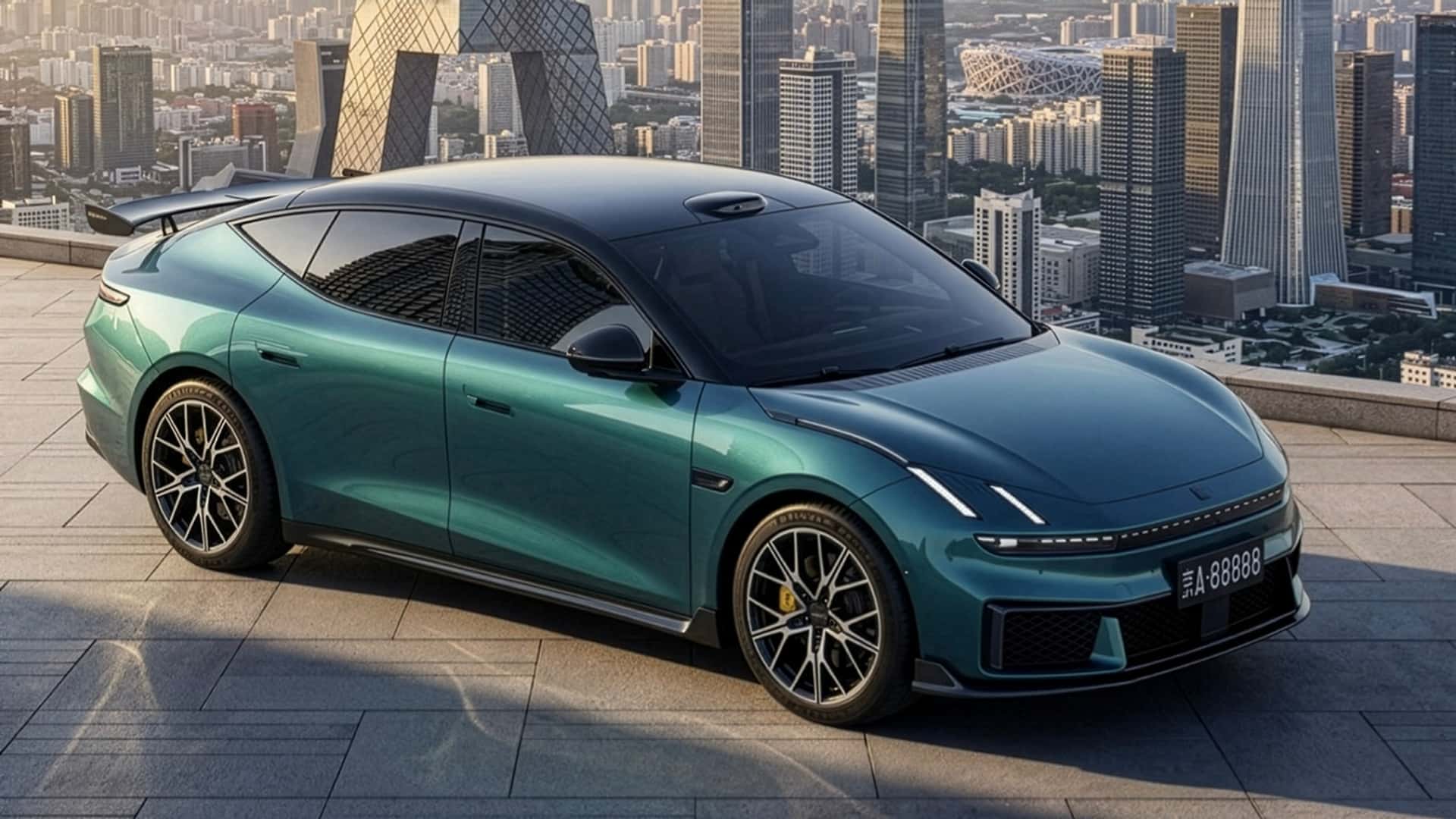
The Lynk & Co 10 series will be the pioneer of this new production line. This product range will represent Geely's first to incorporate the new ultra-fast charging systems. During certified tests, the electric sedan recovered between 10% and 70% of its capacity in 4 minutes and 22 seconds, far exceeding previous estimates that predicted a 9-minute cycle. A full charge from 10% to 97% was completed in 8 minutes and 42 seconds, which equates to adding approximately 2 kilometers of range for every second of charging. Currently, the Lynk & Co 10 is only available in the Chinese market, where it is sold at a starting price of 169,900 yuan, which is approximately €22,000 at the current exchange rate.