
Emergencies are the biggest problem for autonomous cars.
Autonomous driving, presented as the definitive solution to eliminate human error on the road, has been the subject of promises for years. Millions of kilometers and hours of testing have been accumulated with the aim of perfecting systems that aspire to do away with the driver. However, despite the considerable investment and the advances made in real-time data processing, there is a critical scenario that these systems still cannot manage efficiently and safely: interaction with emergency vehicles and services.
This gap in the programming of automated vehicles has gone from being a minor technical problem to a top-priority safety concern. Tests have shown that an autonomous vehicle that is not equipped to react to real emergency situations represents a direct risk to the public.
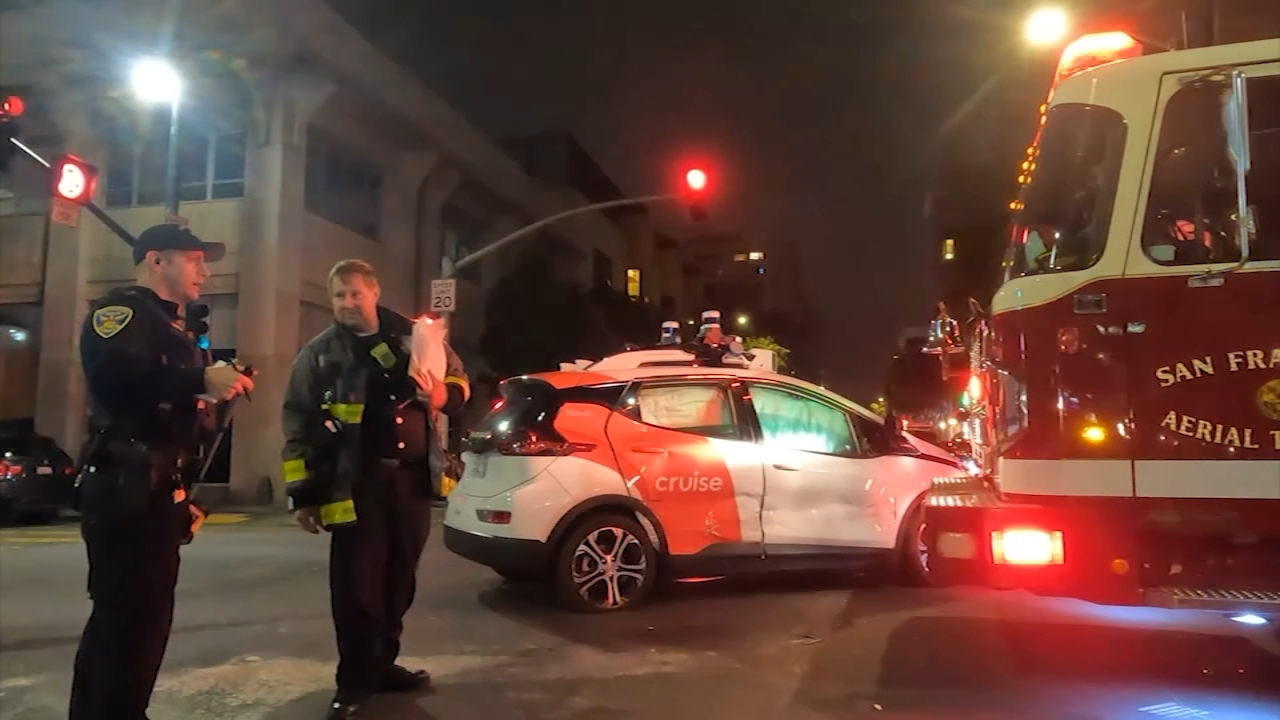
Unable to coexist with sirens and flashing lights.
The main problem lies in the complexity for sensors and algorithms to interpret an emergency scenario. Upon hearing a distant siren or seeing the lights of an ambulance, police car, or fire truck, the human brain immediately processes a series of complex decisions: slowing down, pulling over to the side of the road, or stopping completely, even if this means slightly deviating from the solid line to yield.
In the case of an autonomous vehicle, this process can lead to chaos. Currently, development platforms face challenges in identifying and prioritizing the audible and visual signals of sirens. The NHTSA, the agency responsible for highway safety in the United States, has documented numerous incidents in which autonomous cars have blocked ambulances or fire trucks responding to emergency calls. Instead of facilitating driving, the presence of multiple conflicting visual and auditory stimuli can overwhelm the vehicle's logic, causing it to stop in the middle of the road and obstruct the passage of emergency medical or fire services.
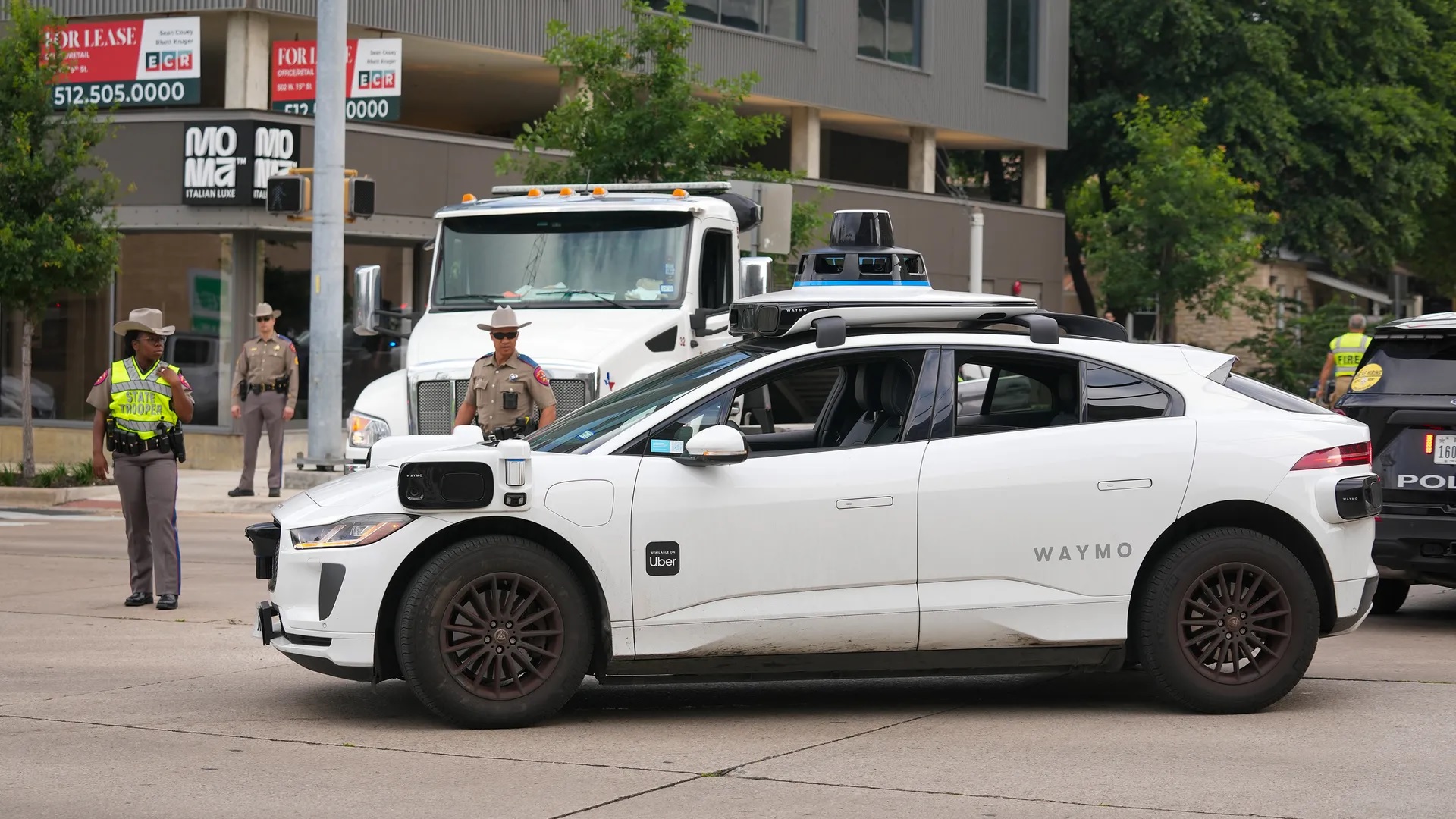
Serious problems in construction zones or accident scenes.
The incident is not limited to the moment an emergency vehicle attempts to overtake. The most frequent errors occur when the autonomous vehicle encounters the accident scene. Automatic guidance systems, designed with clearly defined lane logic, are not always effective in traffic environments that undergo unforeseen changes.
According to official reports, recurring cases have been documented in which these vehicles have entered safety perimeters cordoned off by the relevant authorities. It is important to note that the logic sensors do not always correctly interpret temporary road signage elements, such as orange traffic cones, emergency flares, the presence of dense smoke, or instructions from a police officer on the ground. Failing to recognize these barriers as insurmountable limits, the autonomous cars continue on their way, interfering with rescue efforts and endangering the safety of workers and accident victims.
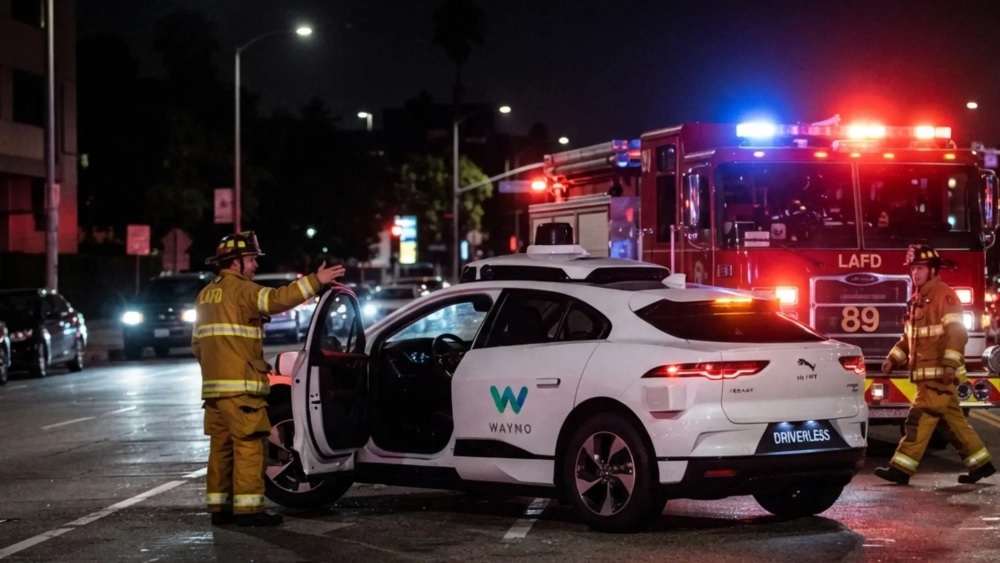
A clear warning to the industry.
Given the seriousness and frequency of these incidents, the US regulatory body has decided to take action and has sent an open letter to all developers and operators of autonomous driving technology. The warning demands that priority be given to addressing this technological gap, and that resources be allocated accordingly. The relevant authorities emphasize that the validity of an autonomous system is not measured solely by its ability to stay within its lane under ideal conditions, but also by its capacity to efficiently manage unexpected traffic situations.
Although no specific names are mentioned, it is clear that the industry is under close scrutiny. In states like Texas and California, traffic jams have been caused by fleets of robotaxis that were unable to react to the arrival of firefighters responding to blazes. These incidents add to other ongoing investigations by safety agencies into incidents that have resulted in injuries of varying severity, further increasing public concern about the technology's capacity for large-scale deployment.
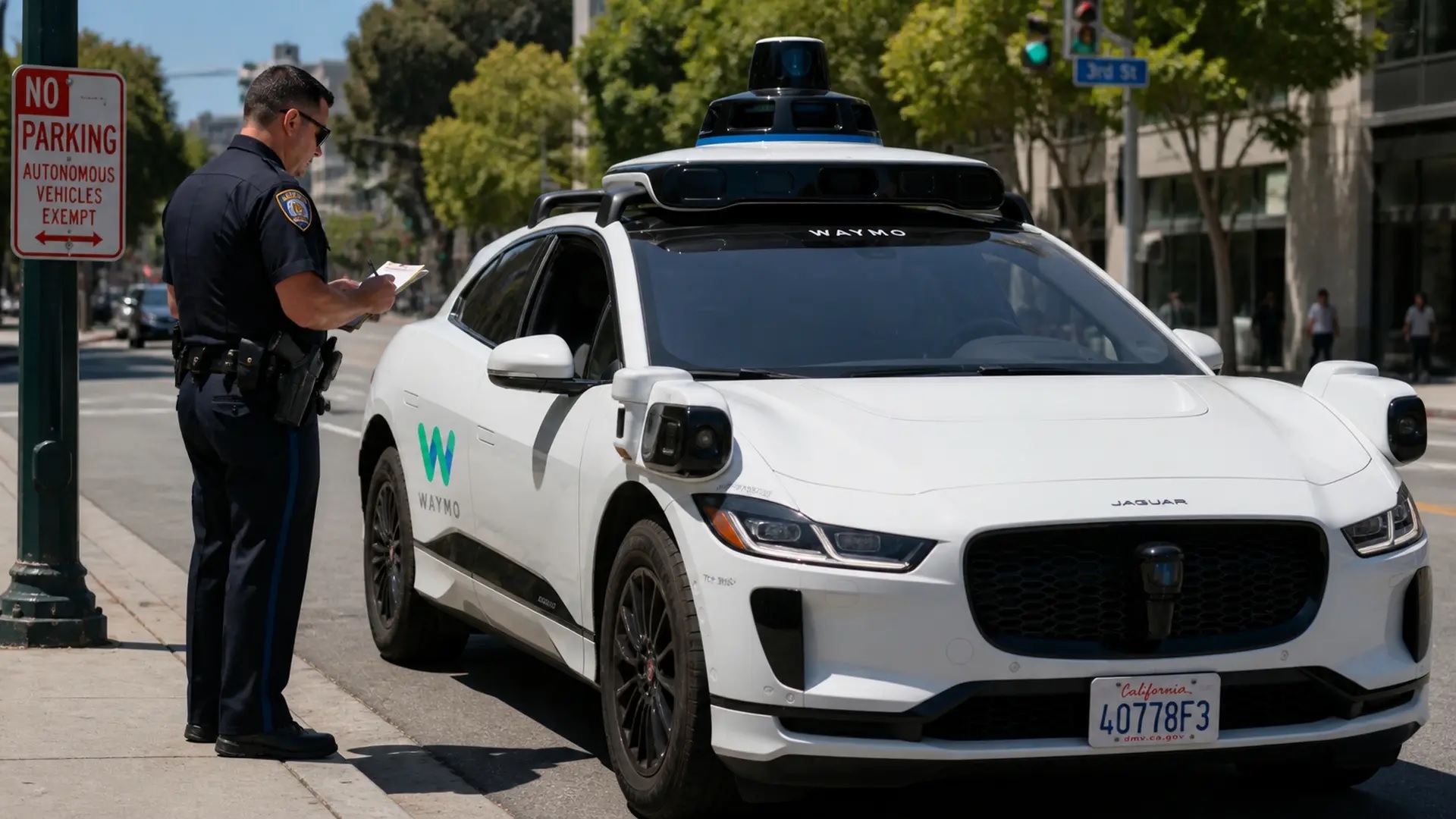
A logical explanation for the doubts in Europe.
This issue is one of the factors motivating manufacturers and European regulations to proceed more cautiously with the deployment of autonomous vehicles. In certain regions of the United States, the use of driverless vehicles for commercial journeys has been authorized, acting as testing grounds in real-world conditions. In contrast, Europe prioritizes thorough verification before authorizing high levels of automation on public roads.
The complexity of programming road empathy—the human ability to interpret that a police car blocking the road requires an immediate stop or an alternative route, disregarding standard traffic rules—remains a significant challenge for artificial intelligence applied to the automotive industry. Until engineers figure out how to teach intelligent cars to interact with emergency vehicles naturally and safely, true full autonomy will remain a distant goal.