
Finland Launches Driverless Electric Autonomous Buses.
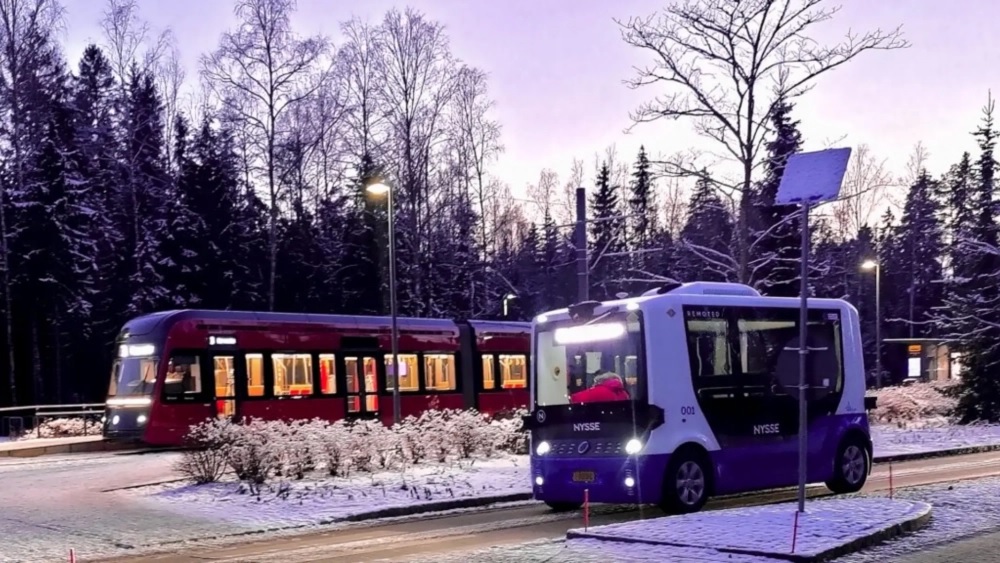
Urban mobility in Europe is undergoing a profound transition, accelerated by both electrification and the gradual automation of public transit vehicles. The most recent milestone in this transformation is taking place in Northern Europe, a region that has historically established itself as a leading testing ground for zero-emission technologies in challenging climatic conditions.
The implementation of autonomous driving solutions in real-world environments represents a major step toward full decarbonization and the optimization of urban transportation’s operating costs.
Tampere Eliminates the Safety Driver in Real-World Traffic Conditions.
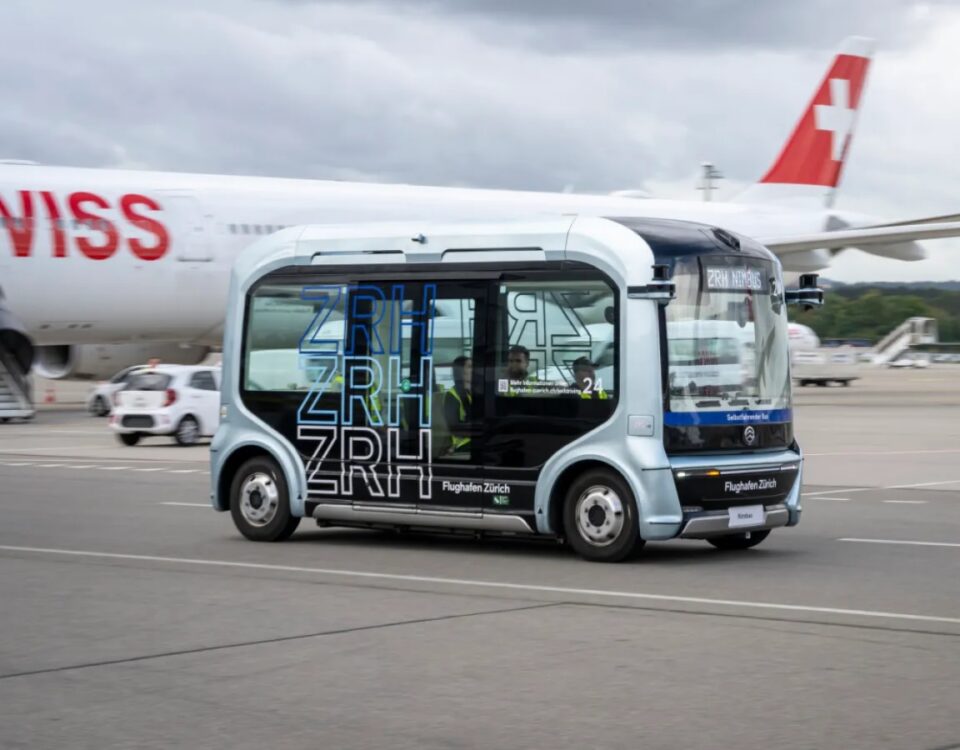
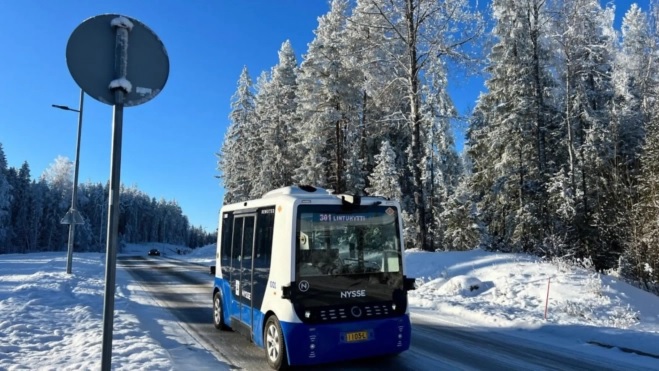
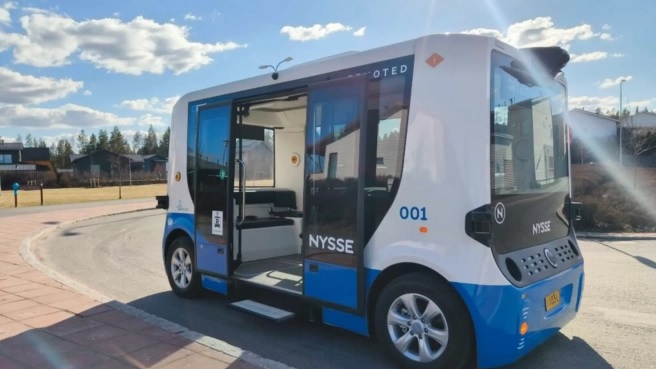
The Finnish city of Tampere has entered a decisive phase in the deployment of automated transportation by putting an autonomous electric bus into regular service without a driver. This vehicle has officially begun service on Line 301 of the local public transit system. To date, most autonomous driving pilot projects on the continent have required the physical presence of a technician in the driver’s seat, whose sole role was to intervene in the event of any unforeseen circumstances. By eliminating this role, the transit infrastructure demonstrates an unprecedented level of technical maturity within the European regulatory framework.
The operation and viability of this bus are supported by Metaccaze, an EU project for the standardization and validation of large-scale automated transportation. The absence of a physical operator in the driver’s compartment is offset by constant remote monitoring, which ensures redundancy in road safety without compromising the smooth flow of service.
Remote monitoring and centralized control rooms.
The absence of a human driver on the bus does not mean that the vehicle operates in isolation. From central control rooms, a single operator can monitor multiple vehicles simultaneously in real time and intervene remotely if the onboard systems encounter a situation that exceeds the capabilities of the guidance algorithms.
This approach addresses one of the major challenges of fleet management: optimizing human resources in a sector suffering from a shortage of qualified personnel. By centralizing monitoring, operational efficiency increases. Furthermore, the technology partners of the Metaccaze project have already confirmed that the initial deployment on Line 301 is just the starting point of a more ambitious strategy, as current plans call for the immediate expansion of the fleet with the addition of three new autonomous vehicles with similar specifications.
The success of this development in Finland sets a clear precedent for the rest of the European Union, which is observing how the combination of electric architectures and Level 4 autonomous driving platforms is beginning to emerge as a viable alternative for feeder transport networks and urban shuttle routes. The fact that it has demonstrated its viability by operating in real traffic—managing intersections and interacting with pedestrians and other vehicles without direct human assistance—provides a valuable amount of data essential for refining future certification standards.