

Descarga el audio
Slide 1. Introduction.
The class develops why the ABS warning light illuminates, the causes, how to resolve it, and the implications for fleet management.
Slide 2. ABS warning light illuminated.
- What is the ABS system and how does it work?.
The ABS system-Anti-lock Braking System, also known as the Anti-lock Braking System, is a vital technology for driving safety. If the ABS warning light illuminates while driving, it indicates a malfunction of the system.
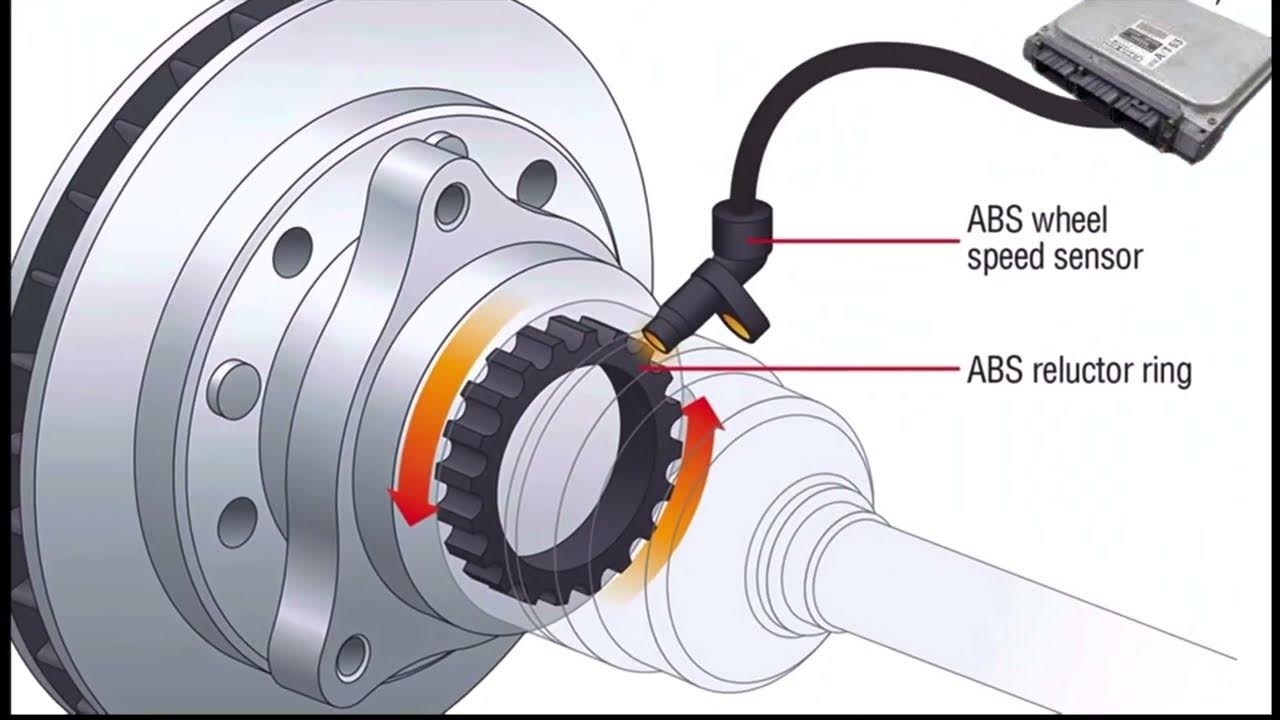
The ABS is equipped with sensors that monitor the rotational speed of each wheel. If a potential wheel lockup is detected during braking, the system will automatically and repeatedly adjust the braking pressure several times per second to prevent the wheel from locking up.
The main objectives of ABS are.
- To prevent wheel lockup.
- To maintain steering control during braking.
- To reduce the risk of skidding.
- Improve vehicle stability.
- Optimize braking distance under certain conditions.
- What happens if I drive with the ABS warning light on?.
- Increased risk of wheel lockup.
- Loss of control during emergency braking.
- Malfunctioning of ESP and traction control.
- Longer braking distance on slippery surfaces.
- Failed vehicle inspection (MOT/ITV) due to a safety system failure.
- Even if the car continues to brake, vehicle safety is significantly reduced.
- Symptoms of ABS failure.
The symptoms of an ABS malfunction are as follows:
- ABS warning light.
This is the most common symptom. When the warning light remains on continuously, it indicates that the system has detected a problem and deactivated the anti-lock braking system.
Although the braking system is working correctly, the ABS does not intervene during emergency braking.
- Wheel lockup.
Another symptom to watch out for is the locking and skidding of the front wheels when braking hard. This condition can be easily noticed when the windows are down, although it often goes unnoticed inside the vehicle. The vehicle will experience a feeling of loss of traction, which can compromise the driver's control.
- Reduced braking power when braking hard.
If the ABS pump fails, braking power may be compromised when the system activates, a situation that often goes unnoticed until intervention is required.
- Abnormal vibrations in the pedal.
During normal braking, excessive vibrations should not occur. If the pedal vibrates constantly or the operation is irregular, there may be a problem with the hydraulic unit or one of the sensors.
- Failure of other electronic systems.
In many modern vehicles, an ABS malfunction also affects other safety systems.
It is common for warnings to appear related to:
- Electronic Stability Program (ESP).
- Traction Control (ASR).
- Hill Start Assist.
- Hill Descent Control.
All these systems share information with the ABS control unit.
- What is the ABS warning light?.
The ABS warning light is a visual warning system located on the vehicle's dashboard. When the vehicle is started, it illuminates briefly to confirm the system is functioning. However, if the system remains illuminated while driving, this indicates a problem with the system and requires immediate attention.
- Causes of the ABS warning light coming on.
The ABS warning light can come on for several reasons.
- Defective wheel speed sensor.
Each wheel is equipped with a sensor that monitors its rotation speed. If one of the elements shows signs of dirt, wear or deterioration, the ABS system will not be able to receive accurate data, which will activate the warning light.
Over time it can fail due to:
- Hits.
- Accumulated dirt.
- Humidity.
- Wiring wear.
When one of these sensors stops sending information, the control unit deactivates the ABS.
- Problems with the crown or reluctance ring.
The ABS system crowns generate electrical signals that are used by speed sensors to accurately record each wheel turn. If the sensors become corroded or in poor condition, the system will not measure accurately each time the tire completes a revolution.
If you present:
- Breaks.
- Oxidation.
- Dirt.
- Deformations.
The data sent to the ABS is no longer accurate.
- ABS control module failure.
The control module acts as the central control unit for the ABS braking system, processing data and adjusting braking pressure as needed. Any malfunction in this component could result in the complete shutdown of the system.
The electronic unit can fail due to:
- Electrical surges.
- Humidity.
- Vibrations.
- Internal defects.
In some cases, it can be repaired; in others, it will require replacement and subsequent reprogramming.
- Control valve failures.
If these fail, the ABS system may activate when it is not needed.
- Hydraulic pump failures.
The hydraulic pump plays a fundamental role in regulating and maintaining pressure within the ABS braking system. If the system malfunctions, the ABS warning light will illuminate.
- Electrical system problems.
The ABS system relies on a network of wires and fuses. If any of these components show signs of deterioration or wear, the system will not receive the necessary power for optimal operation.
The following malfunctions may be caused by:
- Blown fuses.
- Sulfated connectors.
- Damaged wiring.
- Low battery voltage.
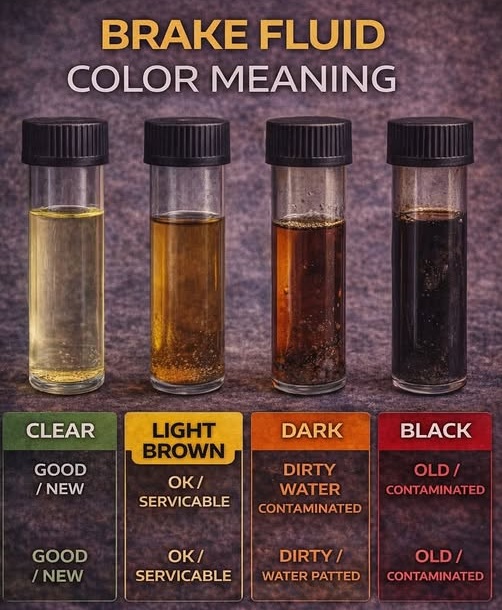
- Low brake fluid level or contaminated brake fluid.
Insufficient brake fluid or contaminated brake fluid affects the pressure required for the ABS system to function, which could activate the warning light.
- Air bubbles in the system.
Unlike brake fluid, the air inside the ABS system is compressible. Therefore, if air bubbles are observed inside the system, it will not function properly. In this case, the appropriate solution is to bleed the brake system.
- Bent or deformed brake lines.
Among the possible causes of ABS system failures, tampering with the circuit's hoses is noteworthy, as they can become bent or deformed as a result of an impact. Similarly, the presence of damaged, rigid hoses can compromise the proper flow of the fluid, which could also cause problems in the system. In such cases, the system will detect faults and issue a fault message.
- Brake caliper piston failures.
It is vitally important to change the brake fluid at the intervals recommended by the manufacturer. Otherwise, a large amount of dirt and rust can accumulate in the brake caliper pistons, a condition known as seized pistons. This can lead to impaired brake caliper function.
In addition to potential dirt buildup, a fluid leak may occur in the pistons. You will know this is happening because you will notice a loss of pressure when you press the brake pedal.
- Erroneous fault indication.
Sometimes, ABS brakes display a continuous error message, even when braking lightly, although the vehicle's response appears correct. This can be due to a simple fault in the ABS switch. Fortunately, this component is relatively inexpensive and easy to replace.
- Conventional brake system.
To ensure optimal ABS braking, it is essential that the rest of the braking system is in good working order. The most common faults that can affect ABS performance include: a faulty master cylinder, old or insufficient brake fluid, excessively worn brake pads and discs, or seized brake calipers, among others.
- What to do if the ABS warning light comes on.
Although the standard brakes will continue to operate properly, the absence of the ABS system increases the risk of wheel lockup in emergency situations. To address this, follow these steps:
- It is recommended to consult the vehicle's manual to check for any specific recommendations from the vehicle manufacturer.
- Check the brake fluid level and ensure it is at the correct level and shows no signs of contamination.
- Take your vehicle to a specialized workshop so a professional can diagnose whether the problem lies with the sensors, the electrical system, the hydraulic pump, or the control module.
The workshop will carry out the necessary repairs, such as replacing sensors, purging the system, or repairing damaged components.
- ABS system prevention and maintenance.
- Preventive maintenance.
It is recommended to perform regular inspections of the braking system, as well as check the brake fluid level and clean the speed sensors.
-
- Timely repairs.
If any type of anomaly is detected or the ABS warning light illuminates, it is recommended to act immediately to prevent more serious consequences.
The ABS warning light is a warning system designed to prevent serious problems in the anti-lock braking system. It is imperative not to ignore this situation, as it could compromise safety while driving.
It is essential to act promptly and maintain the ABS system in optimal condition to ensure safe and smooth driving. If the warning light illuminates, it is recommended to seek professional assistance for diagnosis and a solution to the problem. It is important to remember that road safety is a shared responsibility.
- Fleet management implications.
The main consequence of an ABS malfunction is that, during braking, the wheels may lock up, causing loss of vehicle control and an accident.
The following measures are recommended:
1. ABS maintenance.
ABS maintenance must be performed according to the vehicle manufacturer's instructions and within the specified timeframe.
The brake fluid must be changed as recommended by the vehicle manufacturer.
2. Driver training.
Drivers must be trained on how to brake using ABS and what the symptoms are when ABS is malfunctioning so they can recognize it.
If the ABS warning light illuminates on the dashboard or the driver detects any ABS malfunction, the driver must inform our workshop manager or fleet manager, and the vehicle must not be used until it has been repaired.
3. Remote diagnostics.
Using remote diagnostics, we can know in real time if the ABS is faulty.
4. Vehicle inspection-MOT.
If the ABS warning light is on, the vehicle will not pass the MOT inspection.
5. Premium spare parts.
ABS is a fundamental safety system. Always use original spare parts or premium brands. Never use low-quality or second-hand parts.
6. Vehicle purchase.
In the European Union and the United States, ABS is mandatory. If ABS is optional in your country, it is always recommended to purchase it with the vehicle.
Slide 3. Thank you for your time.
The class has developed why the ABS warning light illuminates, the causes, how to resolve it, and the implications for fleet management, see you soon.