

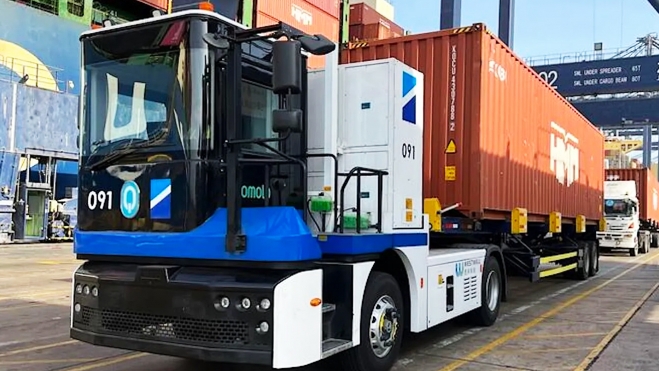
Electric Trucks at the Port of Karachi
An electric truck with a range of 150 kilometers might be considered insufficient for competitive long-distance road travel. However, in a port setting, this range can be more than enough. Hutchison Ports Pakistan has decided to invest $76 million in electrifying its container terminal in Karachi, after a year of testing the first electric vehicles to perform this type of work.
The plan includes the addition of more than 70 new electric terminal tractors. The first 20 are expected to be deployed in October, with the remaining 50 to be operational by the end of 2027.
This decision is not based solely on a pilot program. To illustrate the capabilities of the first electric units introduced by the company, it's worth noting that they have collectively covered more than 450,000 kilometers in the past year. This data provides valuable insights into the units' performance in a particularly demanding environment.
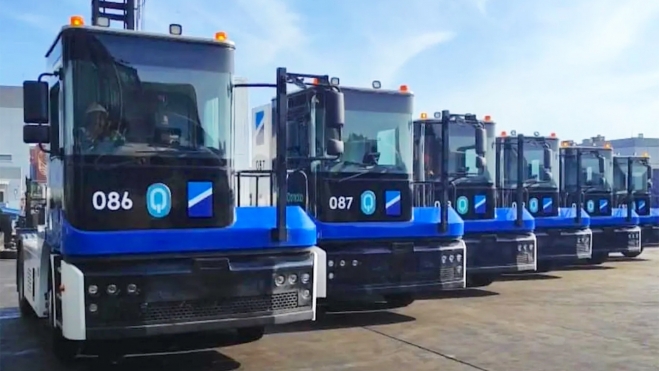
Ports are a perfect testing ground for electric trucks.
Vehicles designed to move containers within a terminal have significantly different requirements than a truck traveling 800 kilometers on the highway.
Their professional activity takes place in a specific environment, they constantly carry out short, repetitive journeys, and they regularly return to the same facilities. This innovation addresses one of the main challenges of heavy electric transport by facilitating charging infrastructure along long routes. The new vehicles will be the Westwell E-Truck S1, terminal tractors manufactured in China with a load capacity of up to 75 tons.
The vehicle is equipped with a 282 kWh LFP battery, offering a range of approximately 150 kilometers on a single charge. The vehicle's electric motor achieves a maximum torque of 3,800 Nm, making it particularly suitable for continuous starts with heavy loads.
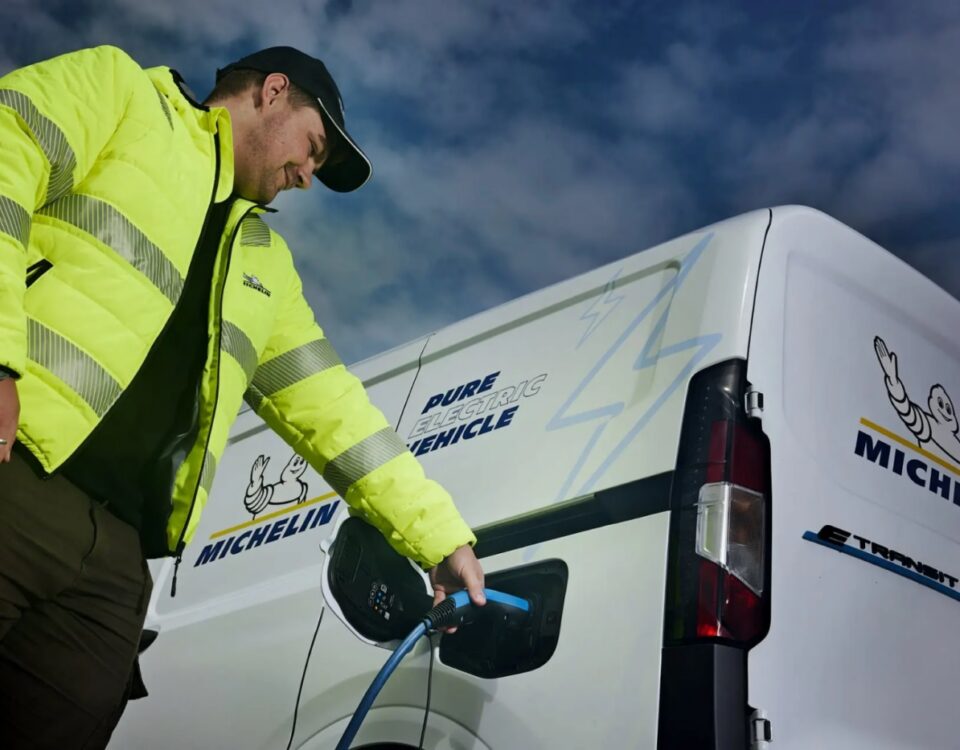
Charge in 40 minutes or swap the entire battery in five.
The limited range of this vehicle is significantly mitigated by its ability to recover energy within the facility. The battery can go from 10% to 80% charge using fast charging in approximately 40 minutes. However, there is a second, highly attractive solution: replacing the depleted battery with a pre-charged one.
The swapping process takes approximately five minutes, allowing the vehicle to be returned to work without having to wait for a conventional recharge. Indeed, the combination of known routes, centralized infrastructure, and predictable times means that ports, warehouses, and logistics centers can be electrified sooner than certain segments of long-distance transport.
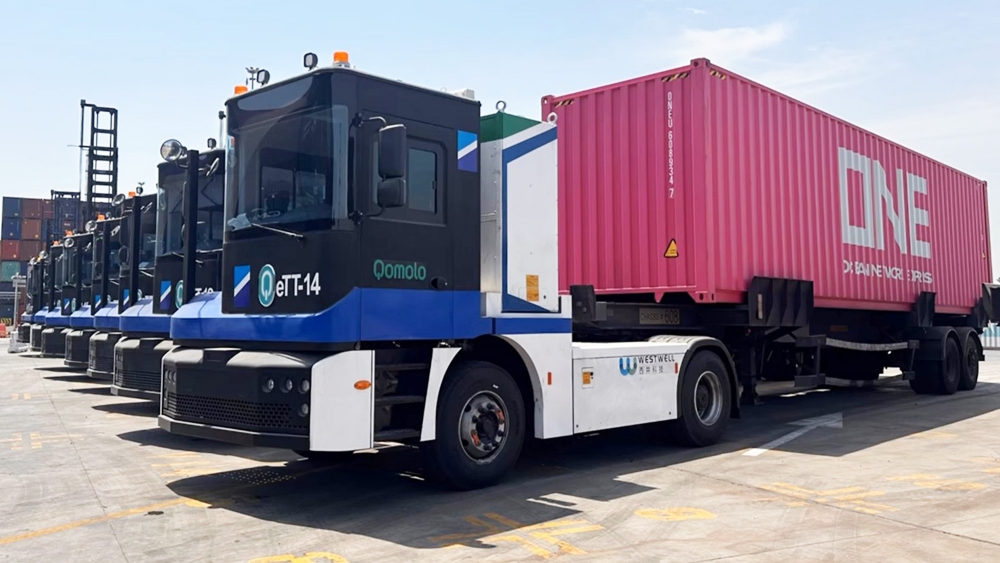
The investment goes far beyond electric trucks.
It should be noted that the $76 million will not be allocated exclusively to the acquisition of electric trucks. Hutchison Ports Pakistan plans to introduce electric material handling equipment, including two remotely controlled electric quay cranes and 17 electric RTG cranes, used for moving and stacking containers within the terminal. Additionally, the project anticipates the addition of 40 electric trailers equipped with their own drive axles and batteries.
The Karachi project demonstrates that the viability of electric vehicles does not depend on solving all the problems of diesel trucks to be considered useful. A 600-kilometer range is not necessary, as the vehicle remains within the same area most of the time, and the charger is always just a few minutes away.
For this reason, ports have the potential to be pioneers in the large-scale adoption of heavy transport electrification. Predictable routes, extended vehicle operating time, and significant fuel savings make every electric kilometer a highly advantageous option.