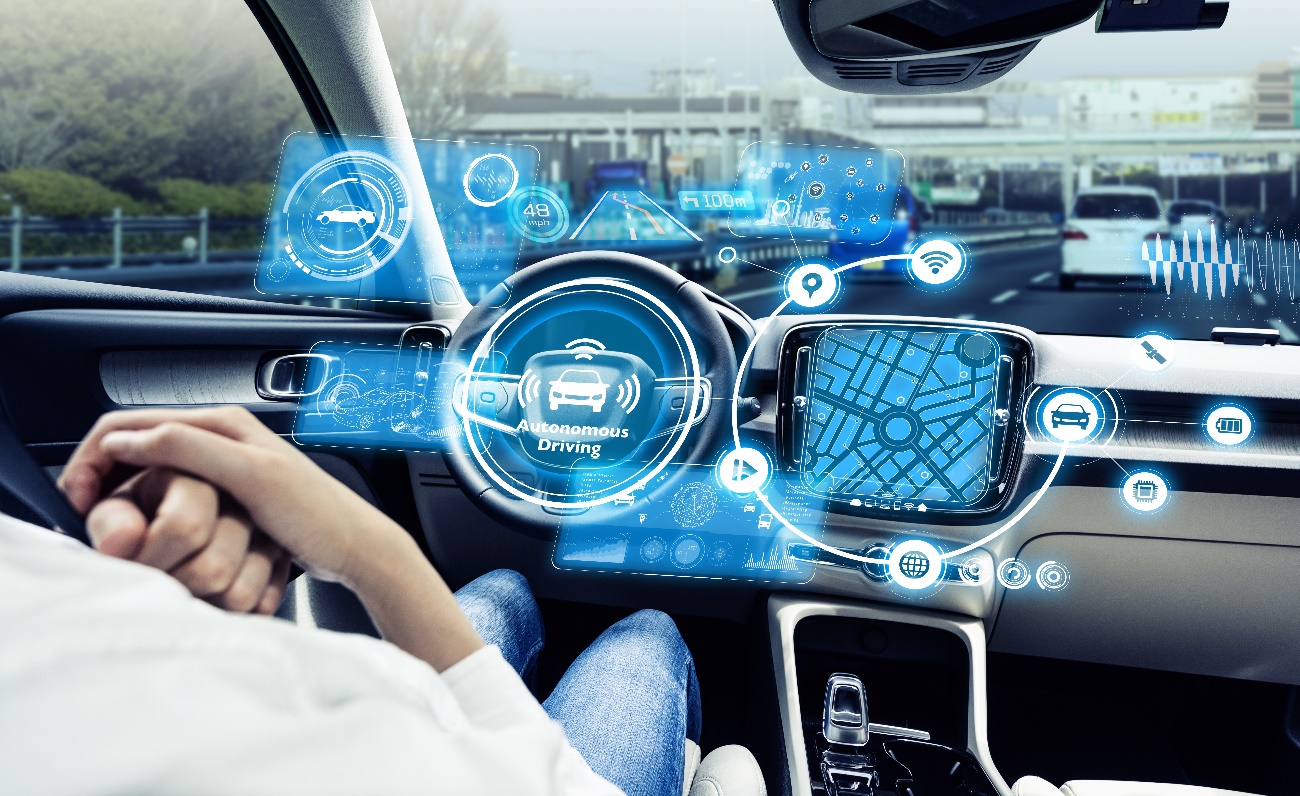
Who Pays the Fine in Autonomous Driving?
If a vehicle is driving autonomously and its software commits an infraction, who is responsible for the fine? The government of the People's Republic of China has begun to provide a legal answer to a question that, until very recently, belonged almost exclusively to the realm of science fiction. The country has presented a reform to its Road Safety Law that, for the first time, includes a specific chapter on autonomous vehicles and establishes a fundamental difference: when the system is actually driving, the responsibility may no longer fall on the person occupying the vehicle.
The draft of the bill was presented this Tuesday to the Standing Committee of the National People's Congress for its first review. The reform, comprised of nine chapters and 170 articles, addresses not only the conditions for driving on public roads, but also the handling of infractions and the insurance regime applicable to autonomous vehicles.
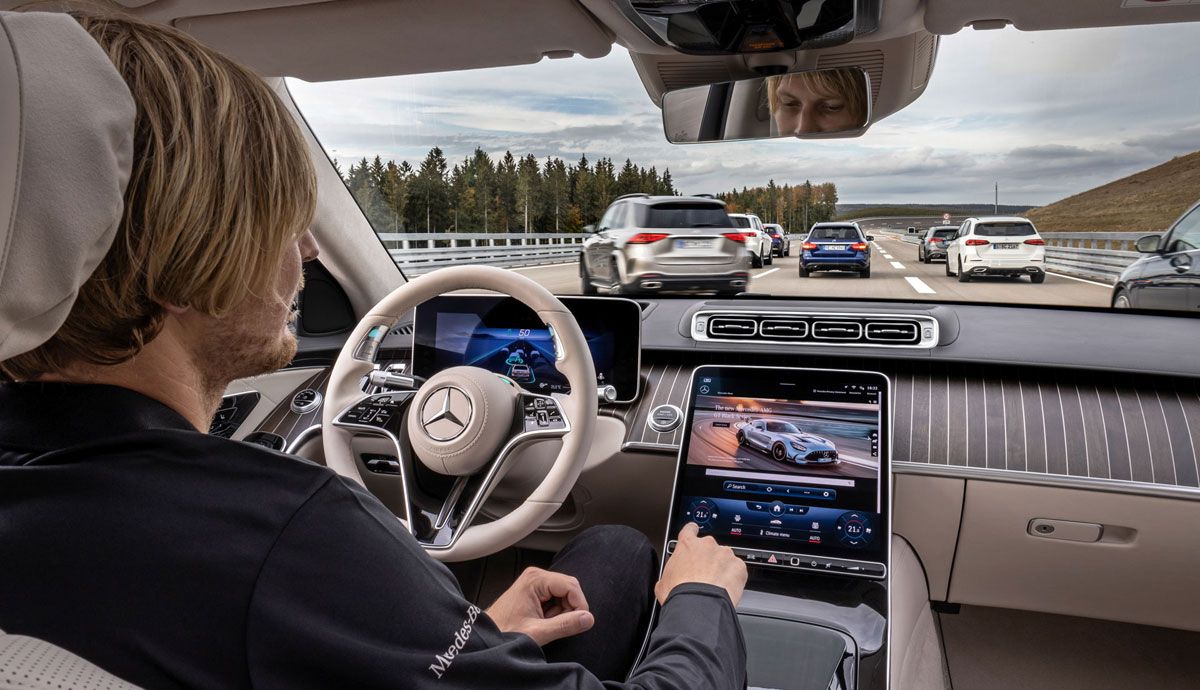
If the vehicle is driving, the manufacturer becomes involved.
The most significant aspect of this situation lies precisely in the financial penalties imposed. According to the proposal, if a legally recognized autonomous vehicle is operating with its autonomous driving function activated and commits a traffic violation, the manufacturer or importer will be held liable before the authorities for said violation.
This change represents a significant innovation in the automotive sector, introducing a completely new logic compared to conventional cars. Until now, disobeying a traffic signal, violating a traffic law, or performing a prohibited maneuver has led to penalties for drivers. In the case of a certified algorithm, China believes that the same distribution of responsibility cannot be applied exactly. However, it is crucial to establish a clear distinction.
It is important to note that a vehicle equipped with ADAS (Advanced Driver Assistance Systems) is not automatically considered autonomous. If the autonomous function is not activated or the vehicle only has driver assistance systems, the conventional regulations will apply, and the driver will remain responsible.
Having a car that “drives itself” will not be the same as using an ADAS.
This distinction is particularly relevant in a market where a growing proportion of vehicles are equipped with advanced driving systems.
In December 2025, China granted the first market access authorizations for passenger vehicles with Level 3 automated driving. Meanwhile, Level 2 combined driver assistance systems are much more widespread. According to available data, their penetration in the Chinese automotive market is estimated to have reached 70.5% of passenger cars by 2026.
This is precisely why it is necessary to define where driver assistance ends and where autonomous driving legally begins.
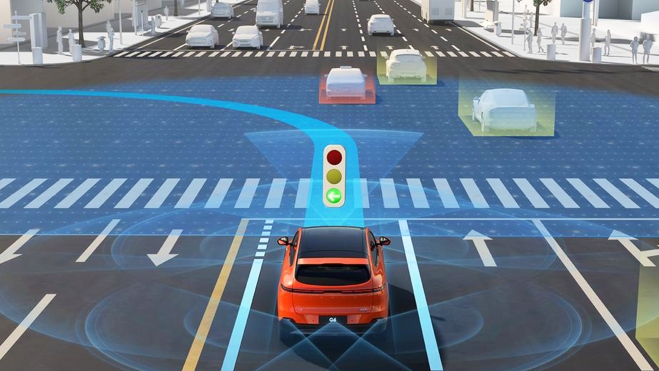
Fines are just the beginning.
The reform also mentions insurance, foreshadowing an even bigger debate about what happens when it's not a fine, but an accident with property damage or personal injury. According to the available information on the draft, it's not possible to conclude that all civil liability for accidents will be automatically transferred to the manufacturer. For now, the known text focuses primarily on handling infractions when autonomous mode is active.
This situation gives the Chinese proposal a relevance that transcends the realm of new traffic regulations. Autonomous driving is undergoing a shift in focus, moving away from dependence on devices such as cameras, radar, lidar, chips, and artificial intelligence. For the effective operation of driverless autonomous vehicles, the implementation of an insurance system, liability provisions, and a traffic code is required to determine who will be responsible if the original driver is unable to control the vehicle. We have had the opportunity to experience firsthand in China the most advanced autonomous driving currently available, represented by BYD's autonomous driving system.
The government of the People's Republic of China has begun drafting the relevant regulations. Ultimately, Europe will be forced to answer this question: when driving, should the human driver bear the responsibility for their mistakes?.