
5 Myths About Electric Vehicle Charging
Despite the progress in electric vehicle adoption, some misunderstandings about the charging process persist. These false beliefs not only create doubts among users exploring this technology for the first time, but can also lead to unnecessary expenses or reduced equipment performance.
It is necessary to accurately understand the reality and limitations of cables, integrated chargers, and battery chemistry to fully utilize this technology. To address this, it is necessary to debunk the most common myths.
1. All Type 2 cables are the same.
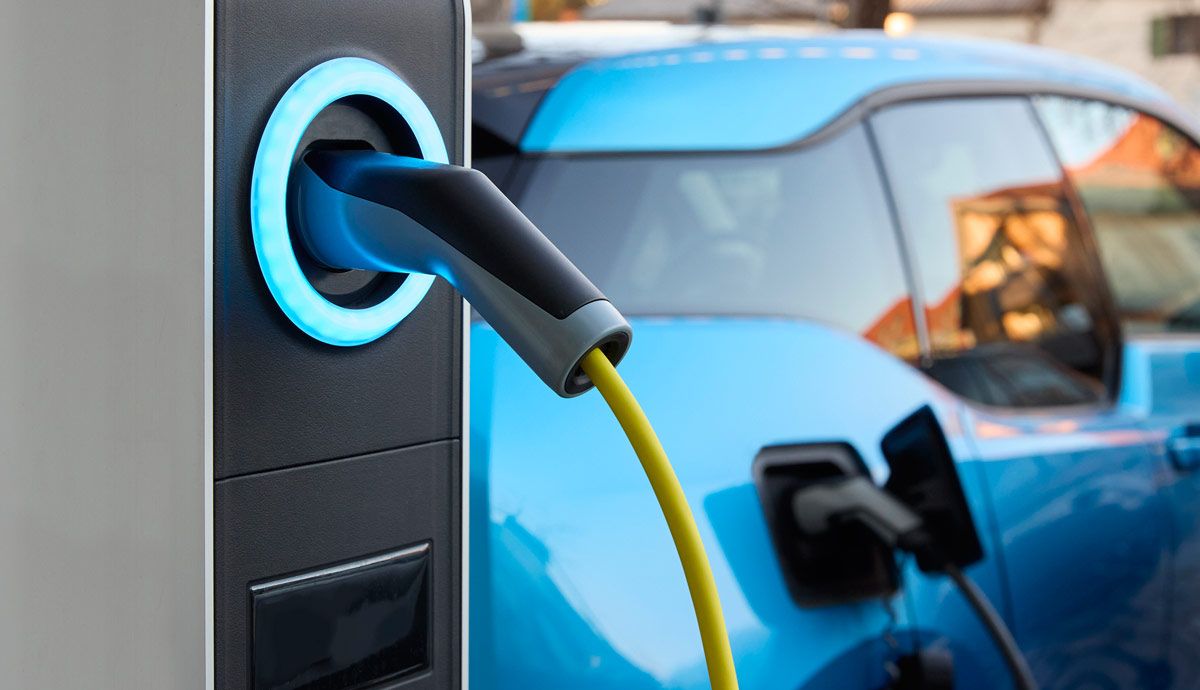
At first glance, most charging cables with a Type 2 connector, the European Mennekes standard, may appear identical. However, their internal design significantly influences the product's performance and durability. It should be noted that the thickness of the copper conductor, the quality of the thermal insulation, the resistance of the plug connections, and the capacity to withstand continuous charging vary considerably between different manufacturers. A cable designed for single-phase charging at 3.7 kW or 7.4 kW shows significant differences compared to a three-phase cable designed to support 22 kW, even if they share the same connector type.
It is important to note that using an unsuitable cable can limit the power reaching the vehicle or cause premature failures in demanding environments. Cable length is crucial, as the distance traveled directly affects voltage drop. If the copper conductor diameter is insufficient, this can compromise the system's energy efficiency. Likewise, the level of protection against water and dust, as well as its resistance to sub-zero temperatures, ensures a secure connection in adverse weather conditions, protecting both the contact terminals and the vehicle's charging port.
2. The 22 kW indicated on the charging station is the charging capacity for any vehicle.
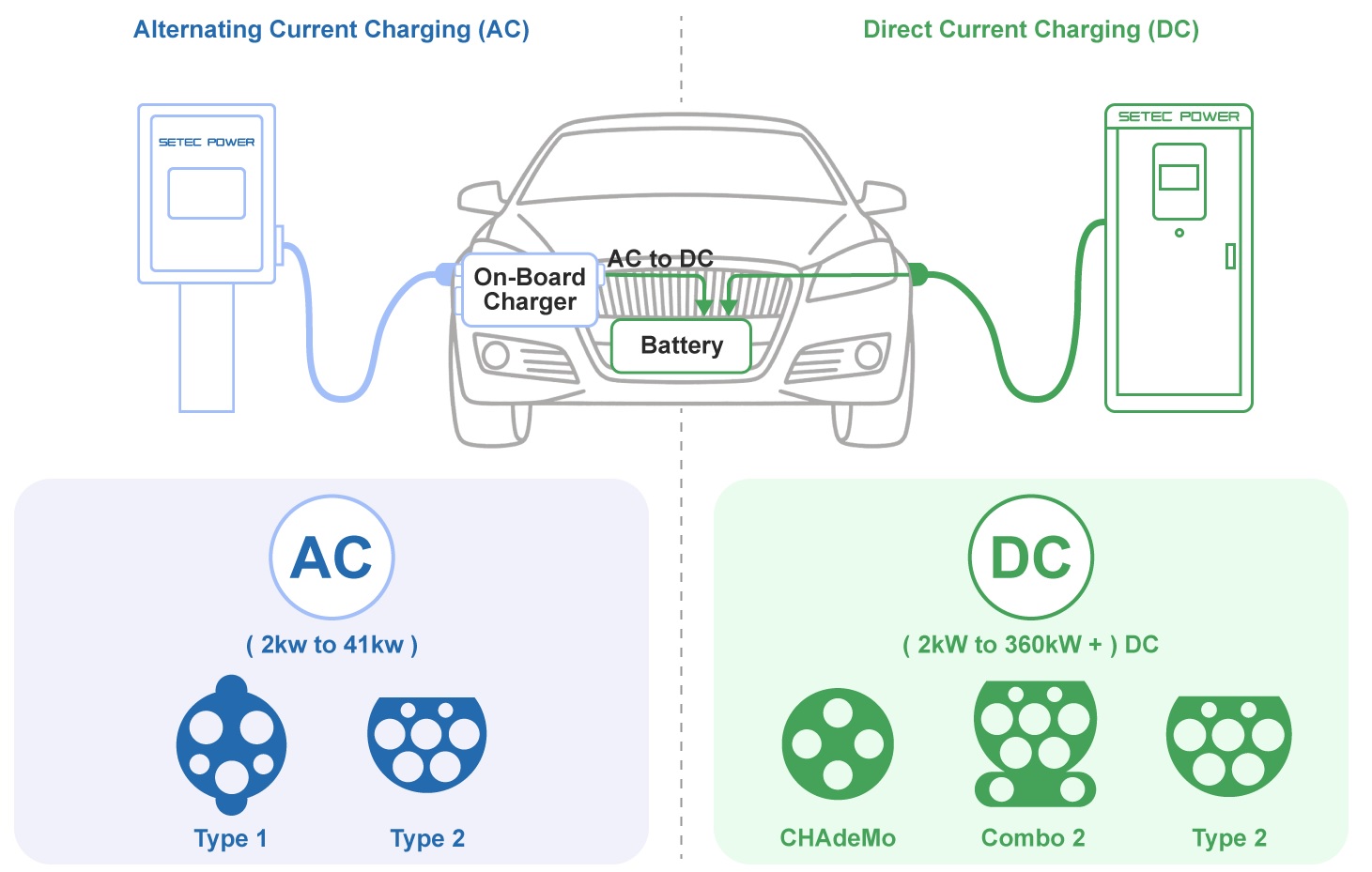
It is common to assume that the maximum power labeled on an AC charging point, such as a 22 kW wallbox, will determine the charging time. However, with AC charging, the charging station acts as a reliable power source, while the actual conversion of mains current to the battery is performed by the vehicle's onboard charger. The power output of this component is a limit that cannot be modified through software updates.
Most electric vehicles on the market are equipped with onboard chargers limited to 11 kW on three-phase power. Some urban models are even limited to 7.4 kW on single-phase power. If a vehicle with a 7.4 kW capacity is connected to a 22 kW charging point, the energy transfer rate will be 7.4 kW. Furthermore, to utilize the full 22 kW of a charging station's theoretical capacity, the electrical connection must have a three-phase configuration with the appropriate amperage. Without a precise balance between the charging point's capacity, the infrastructure, and the vehicle's charger, the charging rate promised by the station cannot be achieved.
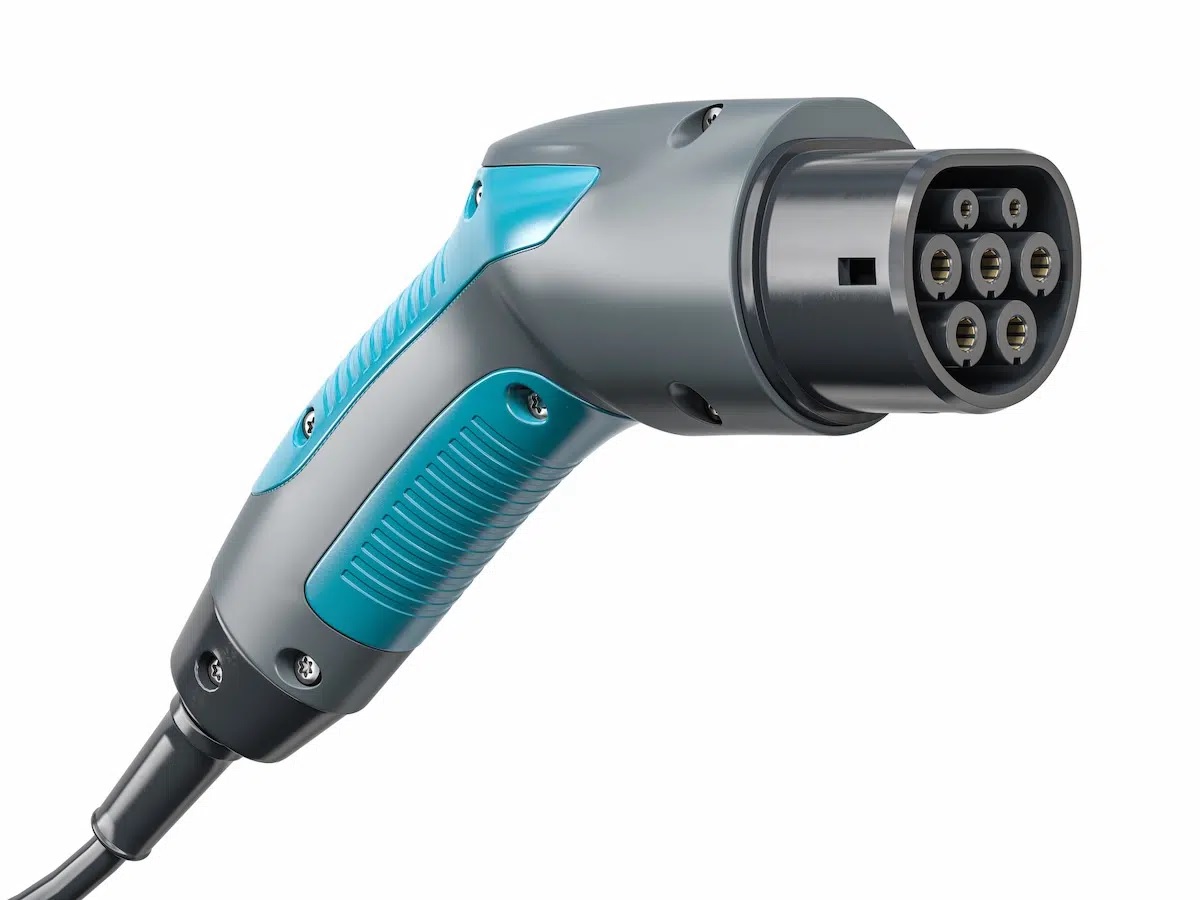
3. Ultra-fast continuous charging is ideal.
Charging the battery using direct current (DC) at high-power charging stations is ideal for long-distance travel. However, it's important to note that relying exclusively on fast charging as the primary method in daily routines presents several drawbacks. First, it's important to highlight that fast charging at public charging stations is usually more expensive than the standard domestic nighttime electricity rate. This, in turn, increases the cost per kilometer.
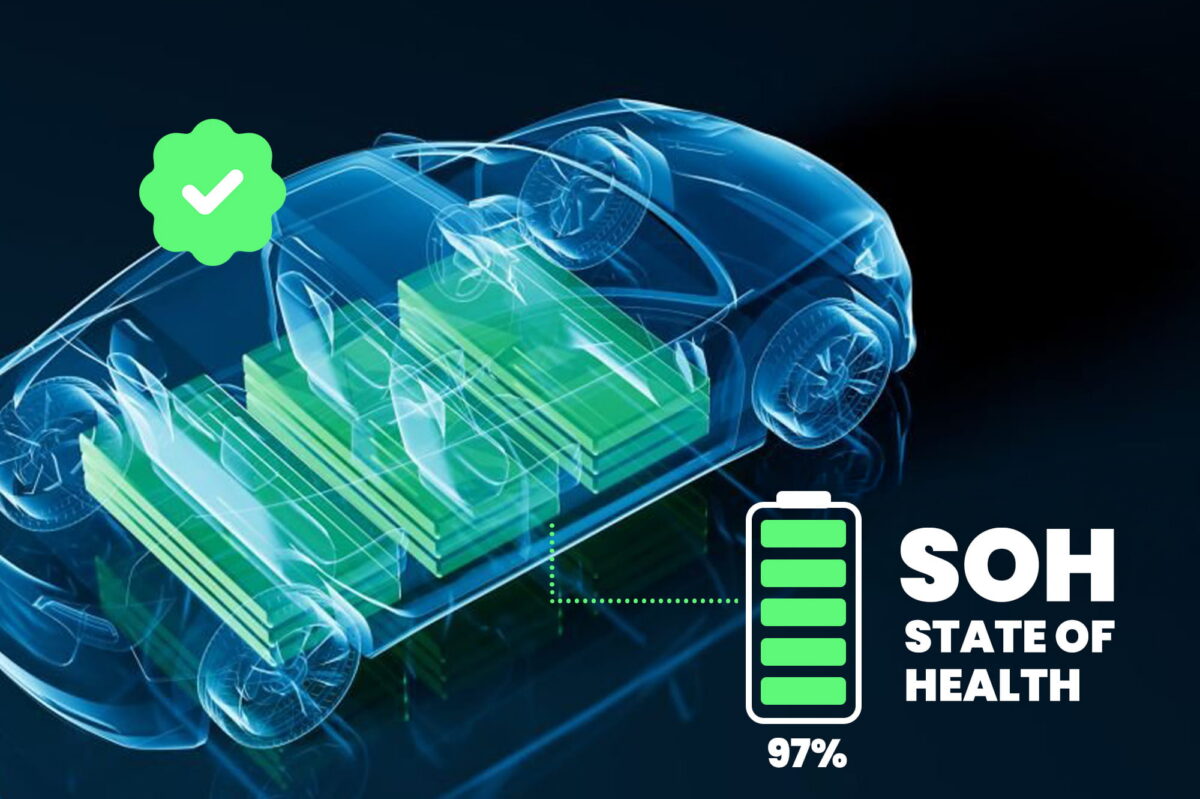
From a technical standpoint, the massive injection of direct current generates greater thermal and chemical stress on lithium-ion battery cells compared to moderate AC charging. Battery degradation accelerates significantly if it is constantly exposed to high temperatures and currents without proper preparation.
For daily commutes and typical urban journeys, slow or semi-fast overnight charging at home or work preserves the battery's chemical integrity and is more economical. DC charging should be considered a travel strategy, not a daily usage pattern.
4. Cheap Cables Work Just as Well.
The market offers Type 2 charging cables at reduced prices on e-commerce platforms. However, it's important to keep in mind that purchasing these products can carry certain risks associated with a lack of strict manufacturing standards. A low-quality cable, made with insufficient conductor cross-sections, offers higher electrical resistance. This resistance dissipates some of the energy as heat, resulting in measurable charging losses that increase your electricity bill without providing any additional range.
In addition to the loss of efficiency, overheating under continuous loads degrades the insulating materials and connectors. The absence of anti-corrosion treatments on the contact pins causes an increase in resistance levels over time, which can lead to overheating or unexpected interruption of the charging process. Furthermore, the lack of CE marking or non-compliance with the international safety standard IEC 62196 poses a risk in the event of any electrical installation issue, turning the initial savings into a larger expense in the long run.
5. A more powerful AC charging station charges faster.
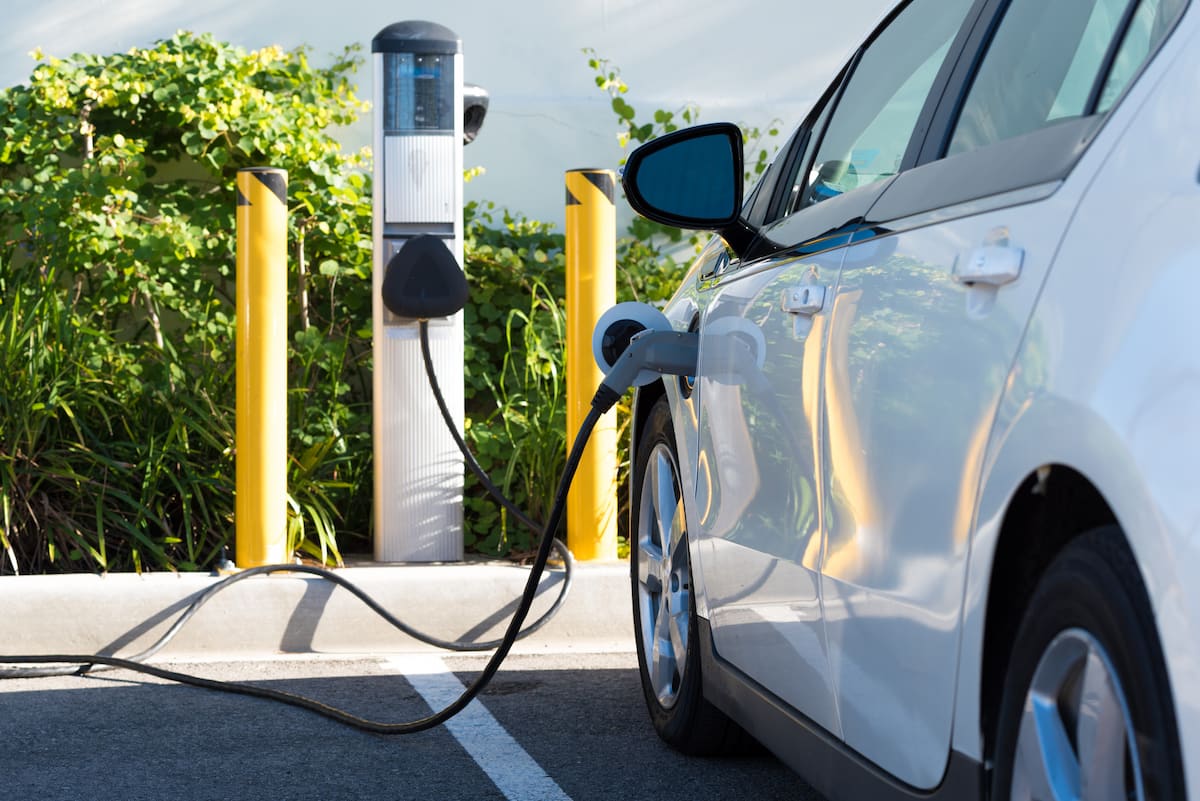
There's a common misconception that installing a more powerful charging station in your garage will make your vehicle charge faster. Since it operates on alternating current (AC), the charging station communicates the available current from the local grid to the vehicle. As mentioned earlier in myth 1, it's the car's built-in charger that manages the demand and converts the AC to direct current (DC) to power the battery pack.
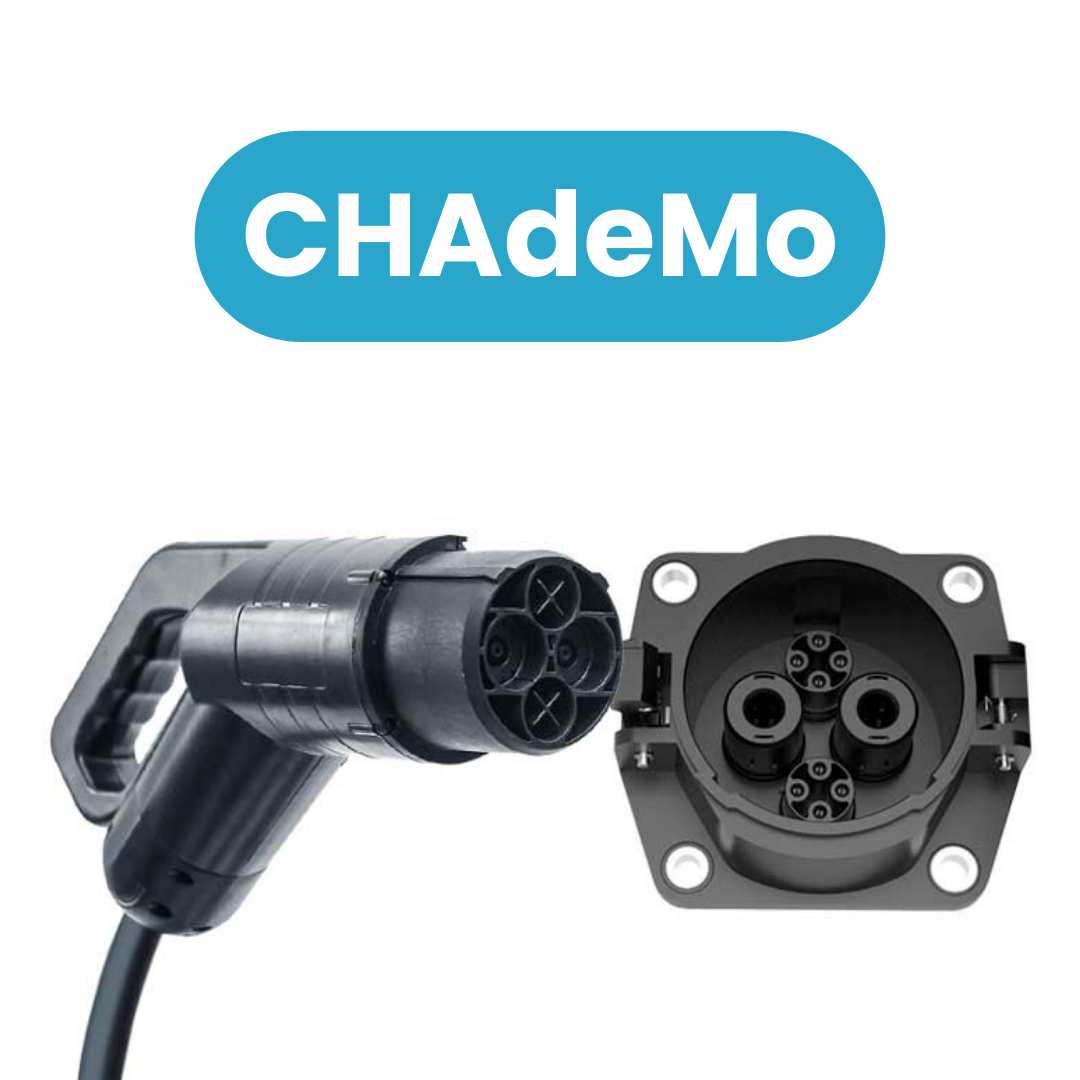
Therefore, it's important to note that replacing an 11 kW station with a 22 kW station won't necessarily result in shorter charging times unless the vehicle has the appropriate power electronics to handle the increased current flow. This limitation is eliminated by using DC fast chargers with CCS Combo or CHAdeMO connectors, where the external charging point doesn't require a transformer from the car and injects energy directly into the battery. This process is always managed by the vehicle's battery management system protocols. Understanding this limitation is crucial to avoid unnecessary investments in home charging infrastructure that the vehicle won't be able to utilize.