
The possibility of using an electric vehicle as an external battery.
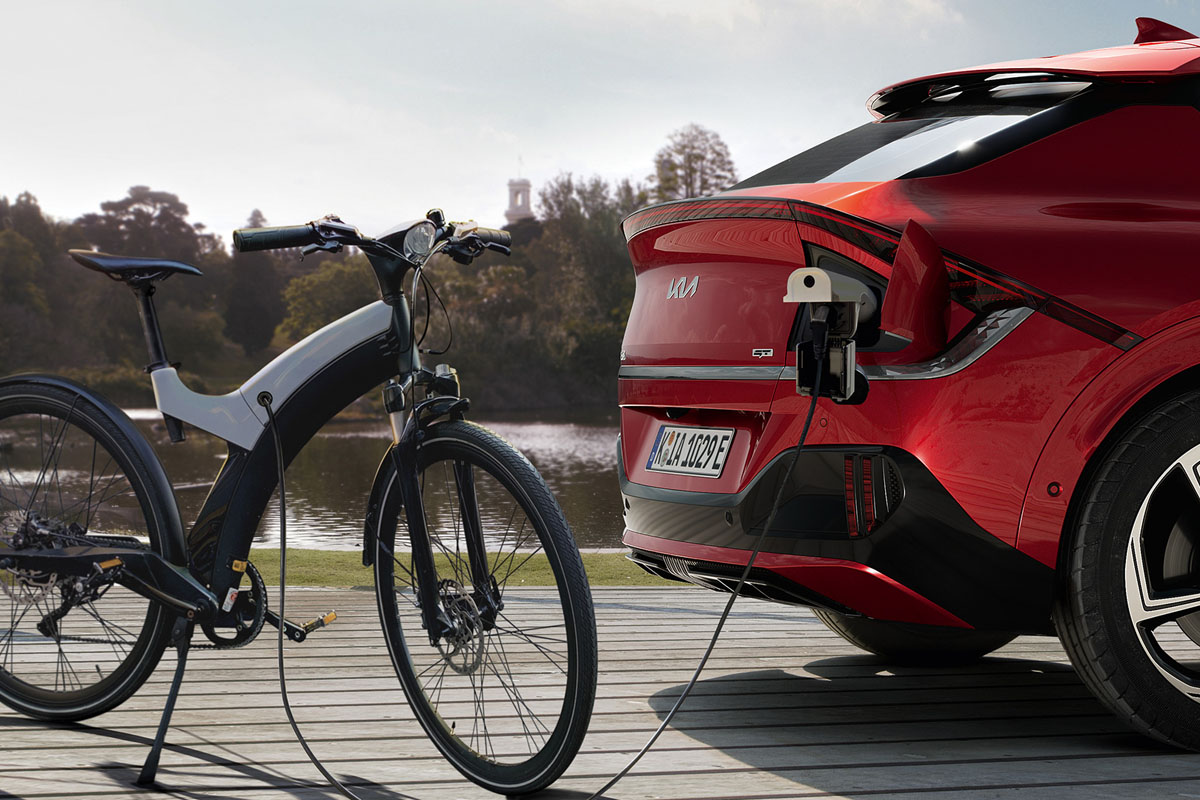
Electric mobility is advancing steadily and continuously, giving rise to technologies that have the potential to transform our relationship with energy. One of the innovations that has generated the most interest is bidirectional charging—that is, the ability to turn an electric vehicle into a portable external battery.
The ADAC, Germany’s leading automobile club and the counterpart to Spain’s RACE, has conducted exhaustive analyses of the feasibility of this technology, shedding light on V2L and V2G applications. The conclusions drawn from this analysis are based on an optimistic outlook, complemented by certain relevant caveats.
Safety Assurance for External Power Supply Systems.
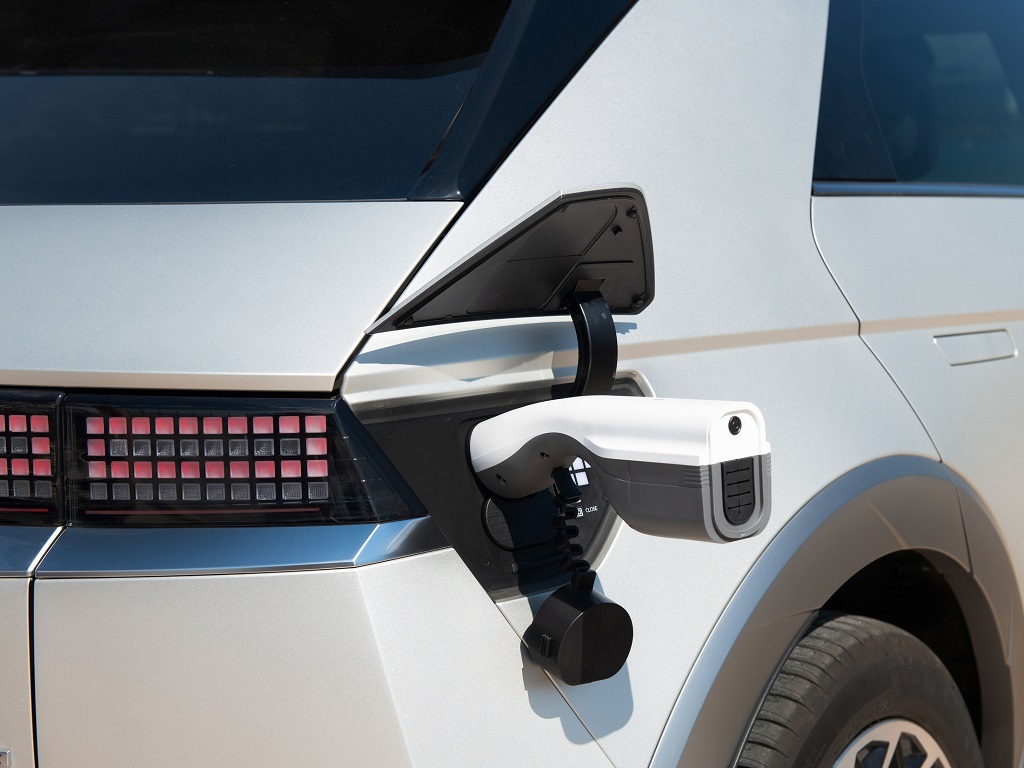
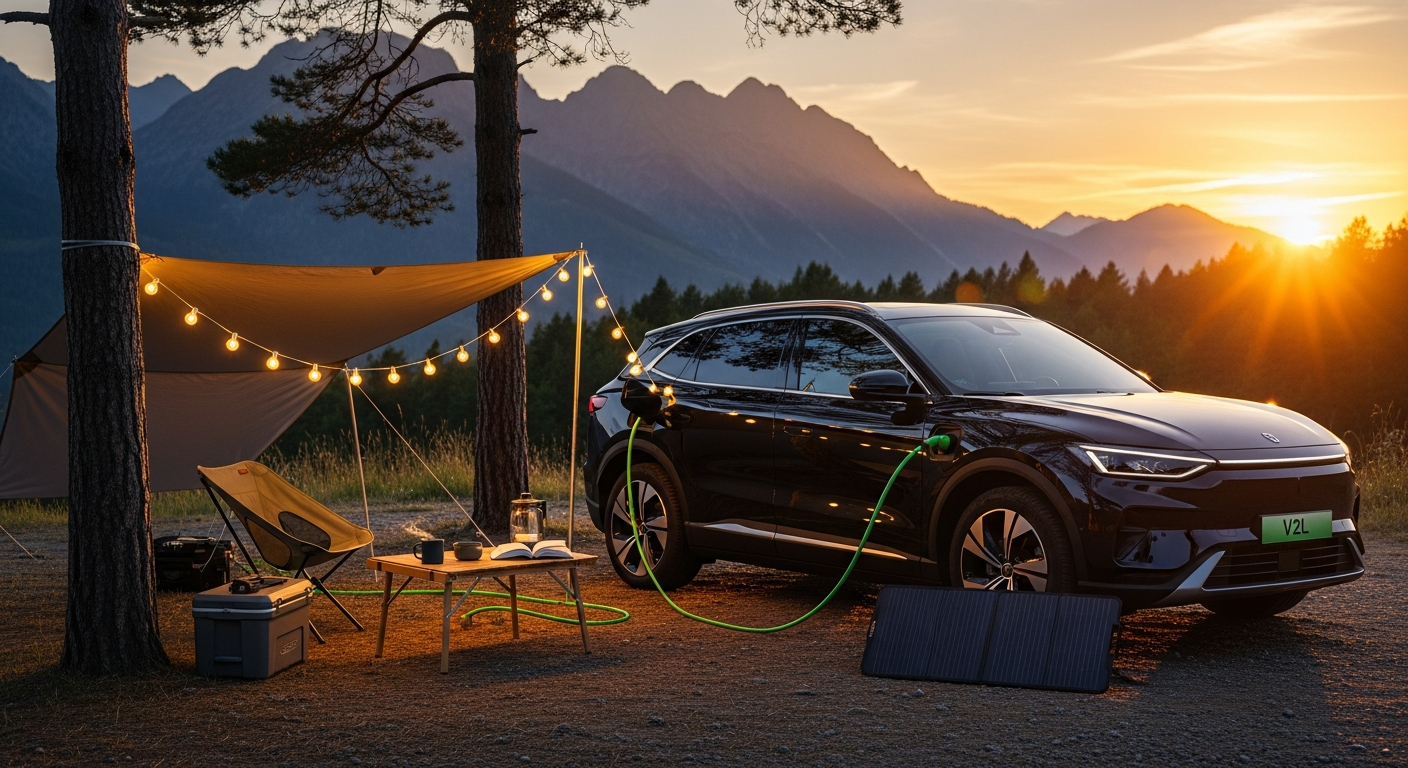
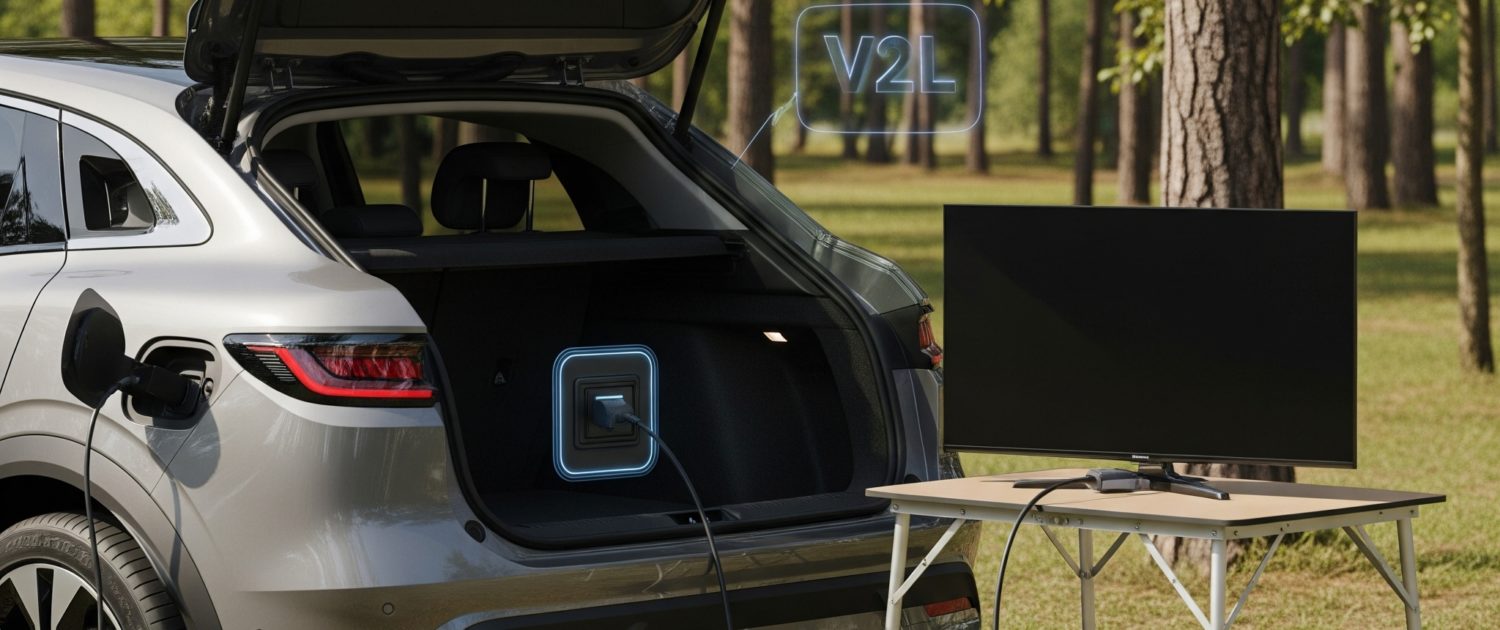
When considering the possibility of using the energy stored in an electric vehicle’s batteries to power an external device, the primary concern is the safety of the process. In this regard, the results of tests conducted by the German club provide a reassuring answer. When testing the Vehicle-to-Load (V2L) functionality—which allows conventional household appliances, tools, or camping equipment to be connected to a power outlet integrated into the vehicle via an adapter—the response to emergencies proved satisfactory.
During simulations of severe faults—particularly sudden short circuits in the external power supply line—the vehicles’ energy management systems immediately cut off the current flow. This interruption eliminates any risk of electrical hazard or overheating, both for the user and for the vehicle’s own electronics. The analysis demonstrates that, from the perspective of active protection, the technology has reached a level of maturity that ensures a reliable operating environment for everyday use.
The drawbacks: technical barriers and lack of compatibility.
Despite the excellent safety demonstrated in test bench trials, the ADAC’s analysis identifies significant obstacles before this technology can be widely adopted. The main obstacle lies in the lack of universal compatibility. Currently, closed proprietary solutions predominate, meaning that a vehicle from a specific brand is only compatible with a particular model of bidirectional charging station and under a specific energy contract. If a decision is made in the future to switch vehicles, there is a possibility that the home installation will not be compatible, requiring additional expenses.
Added to this are high initial investment costs. A direct current (DC) bidirectional charging station ranges in price from 2,000 euros to as much as 10,000 euros, not including the costs associated with professional installation and any necessary upgrades to the home’s electrical panel. Although the implementation of international communication standards, such as ISO 15118-20, aims to unify criteria so that the European CCS connector becomes the standard for bidirectional charging, the range of vehicles that natively support this technology remains limited to specific models and certain manufacturers’ lineups.
The impact on battery degradation and manufacturer warranties.
Another important factor to consider is battery wear. Each additional charge and discharge cycle resulting from home charging contributes to the deterioration of the lithium-ion cells. The extent of premature aging of the vehicle’s software will be determined by the temperature management performed by the computer system and by the permitted depth of discharge.
To safeguard the user’s mobility, manufacturers implement strict software-based restrictions, preventing the vehicle by default from discharging below 20% of its remaining capacity, thereby ensuring a minimum emergency range. However, it should be noted that manufacturers’ warranty policies regarding bidirectional use are still in the process of being legally defined, constituting a legal gray area. Certain automakers impose restrictions on the use of bidirectional storage, setting a maximum limit of 10,000 kWh distributed or a specific number of operating hours. For a heavy user of solar self-consumption, it is possible to reach this limit in just over two years, which would void the battery’s official warranty before the mileage-based deadline.
For all these reasons, the report concludes that, while the technology is viable and safe, its widespread adoption still depends on a reduction in the cost of home equipment and greater clarity regarding maintenance conditions from manufacturers.