The pilot project that will demonstrate the performance of 100% renewable gasoline.
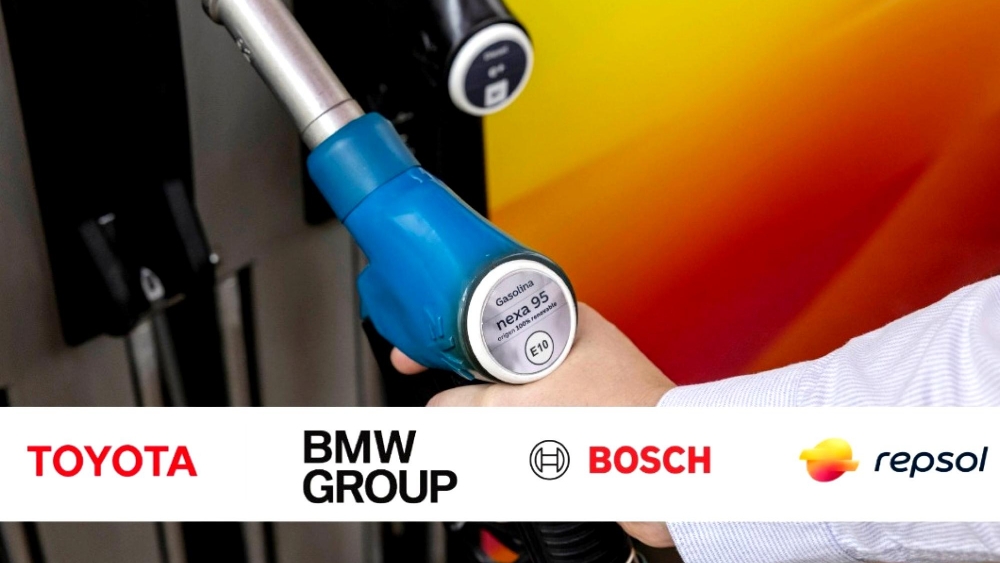
Repsol, Bosch, Toyota Motor Europe, and BMW Group have launched a pilot project in Spain to demonstrate, under real-world driving conditions, the viability of using 100% renewable gasoline in existing combustion engine vehicles. The six-month study will evaluate the performance of this fuel and the capacity of digital technologies to certify its use throughout the supply chain.
The project began at the start of the month and will use a fleet of approximately twenty Toyota and BMW vehicles that will run exclusively on Nexa 95, the 100% renewable gasoline developed by Repsol. The initiative also incorporates Bosch's Digital Fuel Twin system, a digital traceability technology that will record and verify the use of the renewable fuel from refueling to consumption.
The current viability of renewable fuel.
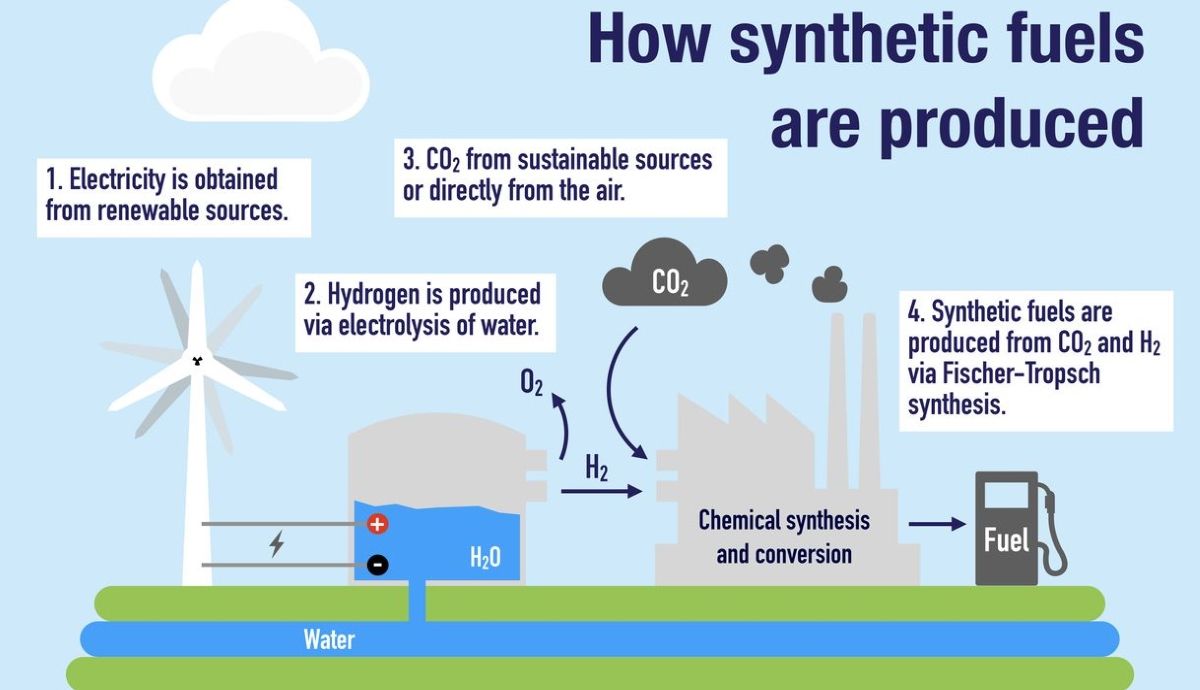
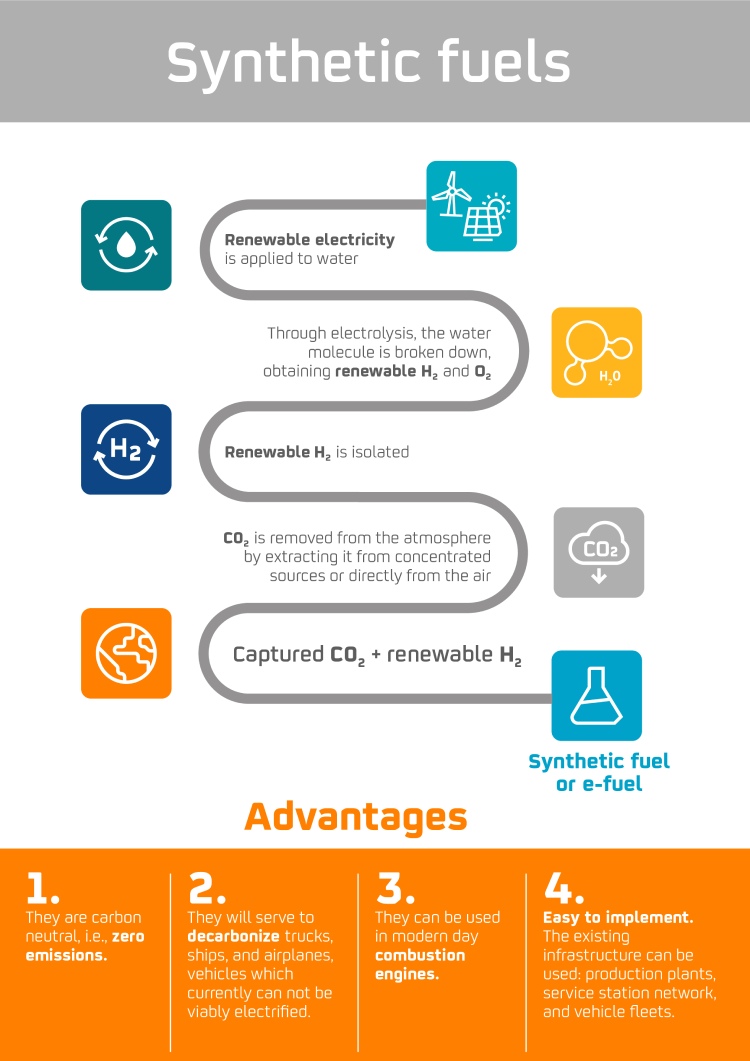
The main objective of this program is to gather relevant information on the feasibility of large-scale implementation of renewable fuels, leveraging both existing combustion engine vehicles and the existing refueling infrastructure. The project aims to demonstrate the viability of this alternative for decarbonizing mobility by using current engines without modifications, thus avoiding the need for changes at service stations. This measure would contribute to extending the lifespan of combustion engine vehicles beyond 2035.
The project focuses on three main areas. The first involves evaluating the commercial availability of renewable gasoline through Repsol's supply network, which is currently the only operator offering 100% renewable gasoline at public service stations in Spain. The second aims to validate the digital tracking and certification technologies developed by Bosch to guarantee fuel traceability. The third aims to demonstrate the operation of vehicle fleets powered exclusively by renewable fuels.
Digital Fuel Twin.
Another key element of the project is Digital Fuel Twin technology, a system that collects and validates information from various sources, including the vehicles themselves, service stations, and fuel card transactions. Based on the collected data, the platform can transparently document the origin and use of renewable fuel, generating a verifiable record throughout its entire lifecycle.
This solution digitally links each physical fuel delivery to a virtual record that stores information about its characteristics and corresponding carbon footprint.
This analysis will also be used to evaluate the concept of Vehicles Running Exclusively on Eligible Fuels (VEEF), meaning vehicles designed to run exclusively on fuels deemed suitable according to the established criteria for this type of technology. The aim is to demonstrate the feasibility of monitoring the use of renewable fuels, an alternative that numerous brands and companies have requested be considered as an exception to the ban on the sale of combustion engine vehicles starting in 2035.
Dr. Marko Babic, Head of Product Area at Bosch and responsible for the Digital Fuel Twin system, stated: “With our Digital Fuel Twin, Bosch is bringing complete digital transparency to the entire fuel value chain to reliably track and verify renewable fuels from the moment they reach the market to the end consumer. By accurately monitoring the fuel consumption of each vehicle in real time, we are laying the foundation for the trust and regulatory compliance necessary for greater acceptance of renewable fuels in the mobility and transport sectors.”