
NIO Launches a Solar-Powered Battery-Swapping Station
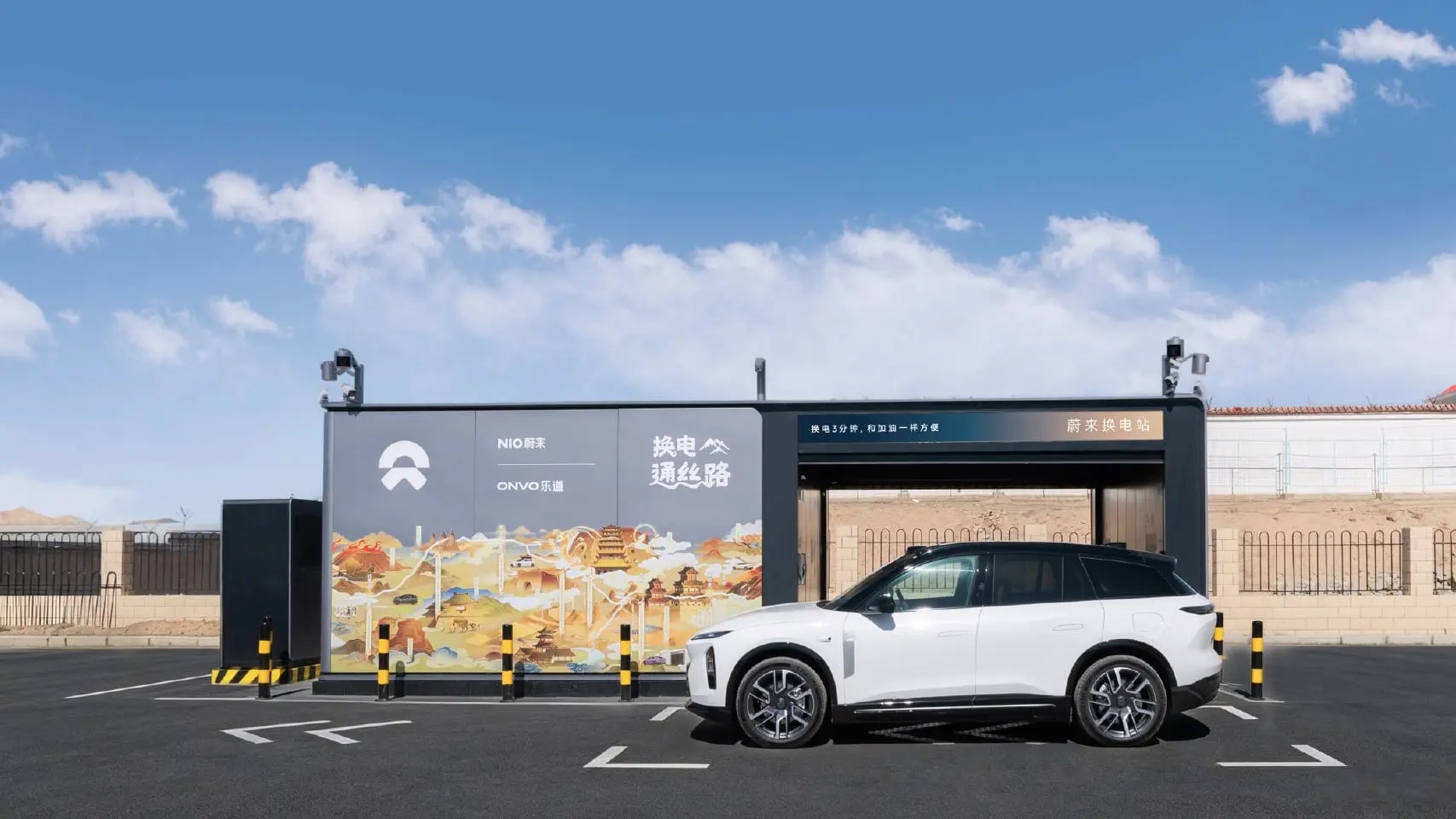
NIO has deployed a battery-swapping station in China that stands out from the rest of its network; it operates entirely off-grid, drawing energy exclusively from solar panels and stationary storage systems. The station is located at the Xingxingxia service area in the Xinjiang region. This project marks the Chinese manufacturer's first initiative of this kind and was specifically designed to address a critical challenge in expanding charging infrastructure to remote areas: securing a sufficient power supply to keep vehicles operational.
The station is situated near the G30 Lianyungang-Horgos Expressway—a major gateway to Xinjiang—right in the middle of the Gobi Desert. This location presents unique challenges for energy infrastructure installation, characterized by Force 8 winds (or stronger) on more than 100 days a year, as well as ground temperatures that can exceed 70°C in summer and drop to minus 30°C in winter.
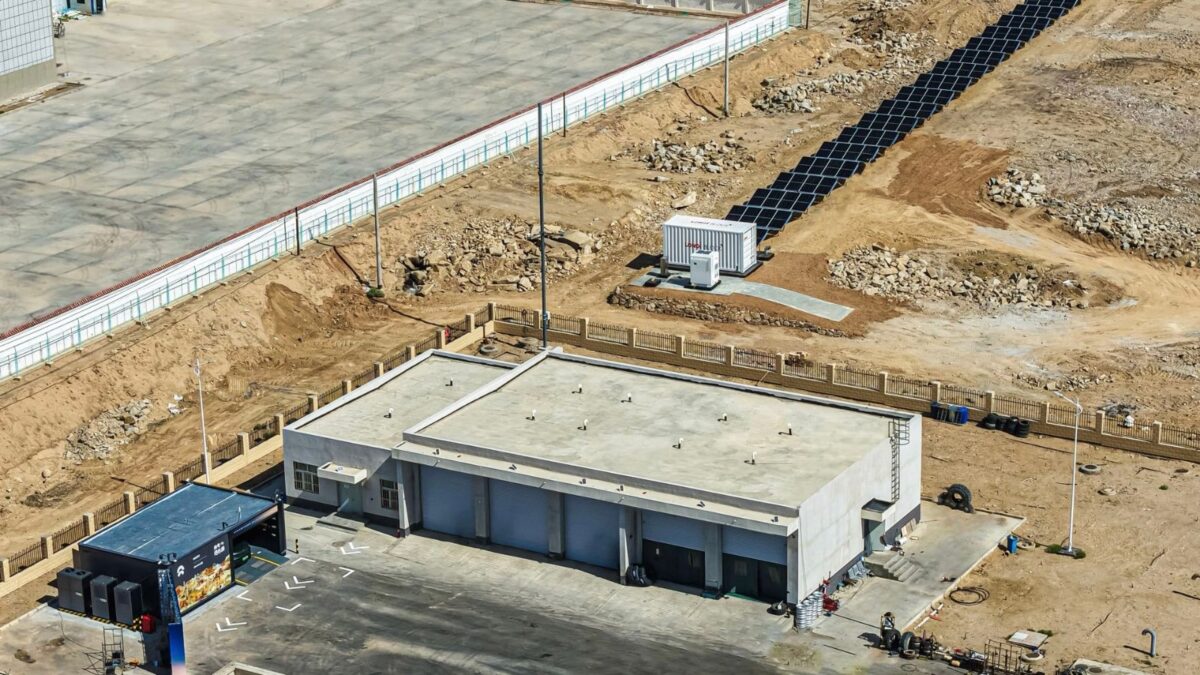
A Self-Sufficient System.
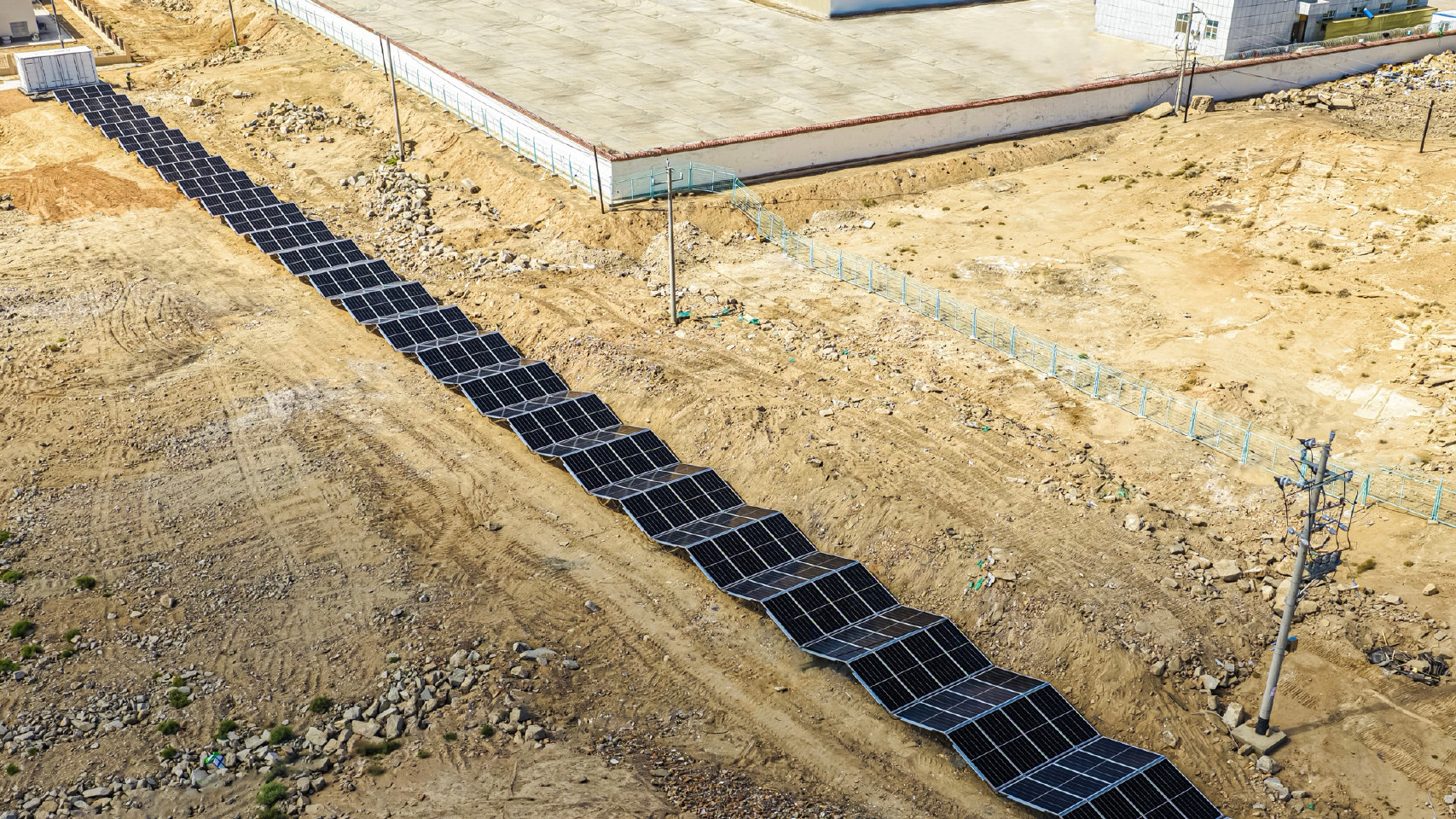
The system integrates the "Longi Block" mobile energy station—supplied by Chinese solar panel manufacturer Longi—with the company's own H2D storage system. Energy management is automated, adjusting based on sunlight availability and the facility's specific needs.
During the day, solar energy directly powers battery-swapping operations, while any surplus is stored. At night, the stationary batteries provide the power supply. During prolonged periods of cloud cover, the system can switch to an emergency mode that reserves electricity for essential equipment.
It is worth noting that this project is of paramount importance, as it addresses a major structural challenge. Battery-swapping stations require a stable, high-capacity power supply—a requirement that can be difficult and costly to meet in locations far removed from major power grids. Constructing new transmission lines across hundreds of kilometers of sparsely populated terrain entails significant investment and long lead times. However, this challenge can be overcome by integrating solar power generation and standalone energy storage systems.
A rapidly expanding network.
Despite its innovative design, the Xingxingxia station is not viewed as an isolated facility within NIO’s strategy. It is part of the "Silk Road" battery-swapping route—a 3,605-kilometer corridor comprising 33 stations, with full connectivity scheduled for completion on September 26. Once the project is finished, NIO states that users will be able to travel from any of the company’s swapping stations in China to any of the country’s provincial-level administrative regions, relying on this system for battery swaps.
The company has been integrating solar energy into its network for several years; it began developing photovoltaic installations for its second-generation stations in 2021 and partnered with Longi in 2024 to promote solar power generation across its charging and swapping infrastructure. The Xinjiang station represents a significant evolution, as the facility relies entirely on solar power and local energy storage.
The opening of this new facility comes at a pivotal moment for NIO’s network in China, which is currently experiencing rapid growth and expansion. The network currently comprises 4,109 battery-swapping stations—1,060 of which are strategically located along highways—along with 5,301 charging stations.