Battery Swapping for Electric Trucks
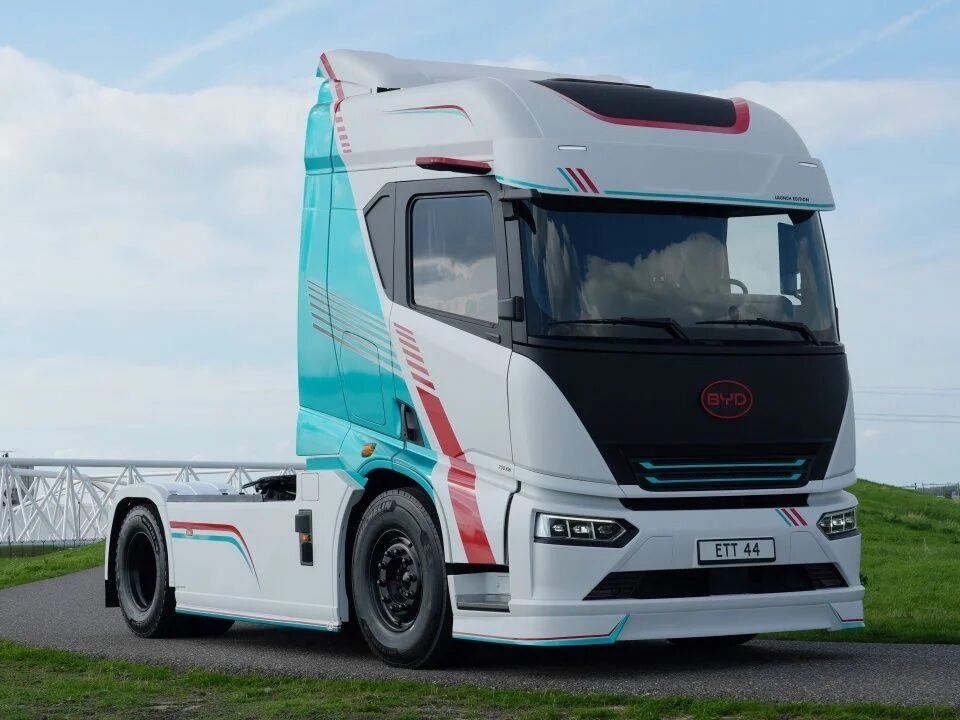
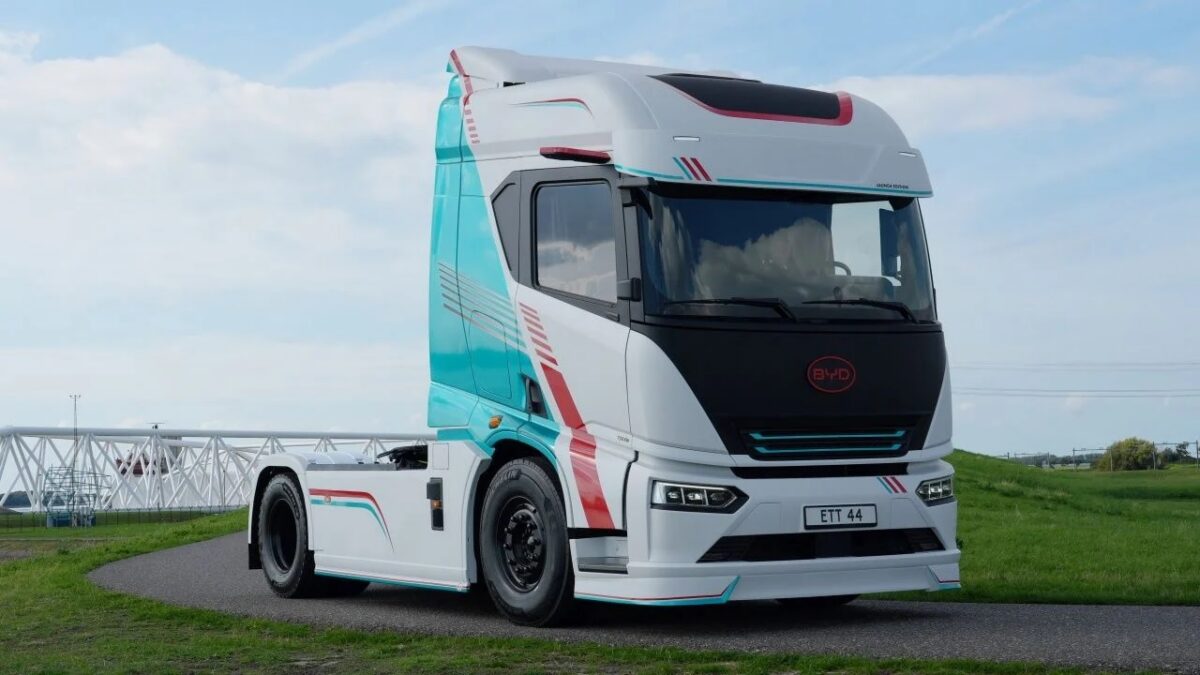
In the passenger vehicle sector, the rollout of fast-charging infrastructure has led to a significant reduction in waiting times. However, the road logistics sector faces significant constraints due to heavy payloads and demanding service requirements. To address these challenges, Gotion High-tech—an automotive technology specialist—has introduced a comprehensive system in Europe, in collaboration with Chery subsidiary C&C Trucks, designed to accelerate the transition to zero-emission heavy-duty transport fleets. This system combines automated battery swapping with mobile charging stations.
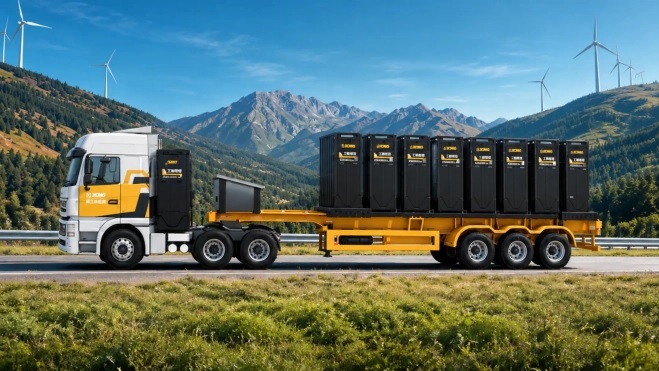
The system, known as DIANLL, is a battery-swapping method for heavy-duty trucks. Unlike conventional fixed systems, this mobile unit offers greater flexibility and adaptability to the specific needs of each client. The solution was unveiled at the IAA Transportation 2026 trade fair in Hanover.
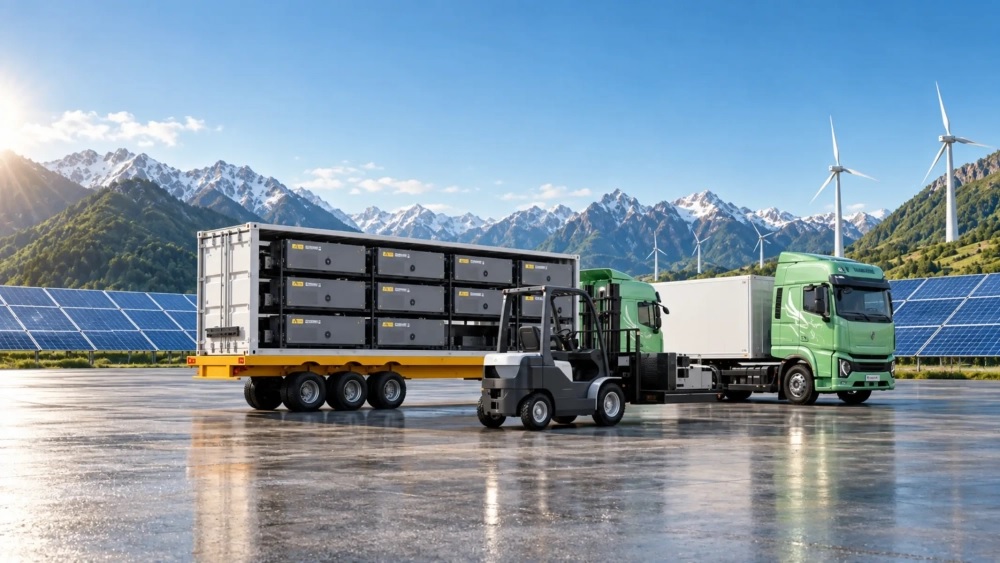
A New Paradigm for Heavy-Duty Logistics.
The viability of electric trucks on long-haul routes depends not only on battery pack energy density but also on the costs associated with vehicle downtime during charging. The system proposed by Gotion aims to resolve this operational issue, ensuring turnaround times comparable to conventional refueling.
The proposal relies on a battery-swapping system designed for implementation on both rigid trucks and electric tractor units. This infrastructure allows a depleted battery pack to be replaced with a fully charged one in a matter of minutes, eliminating downtime at logistics hubs and along transport corridors. Automating the process ensures the vehicle returns to service without requiring manual driver intervention or complex coupling maneuvers.
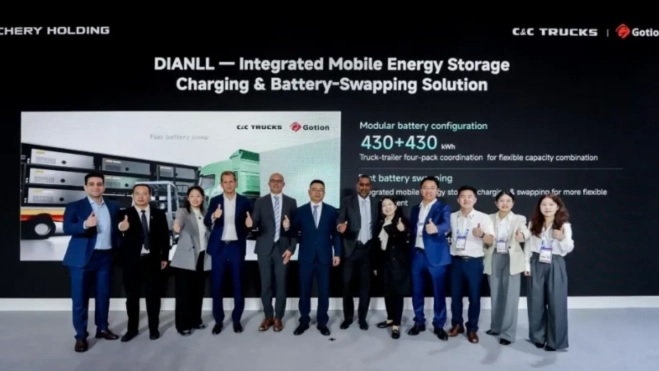
Energy Flexibility Beyond the Grid.
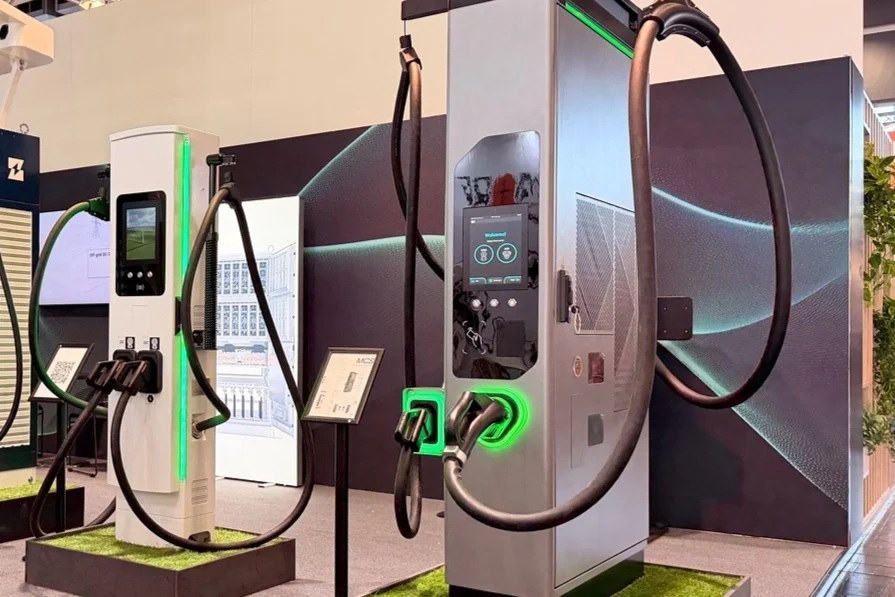
Alongside the swapping infrastructure, the company has integrated a mobile charging solution based on high-capacity mobile stations. These devices operate as independent energy storage units capable of providing backup in areas with high heavy-vehicle traffic and at sites facing significant grid constraints.
This modular architecture helps mitigate the demand spikes the grid would otherwise experience if multiple heavy-duty trucks were to undergo ultra-fast charging simultaneously. Acting as a buffer between the main grid and the vehicle, these mobile stations store energy during off-peak hours to supply it later via high-power charging or by serving as a reservoir for swappable batteries.
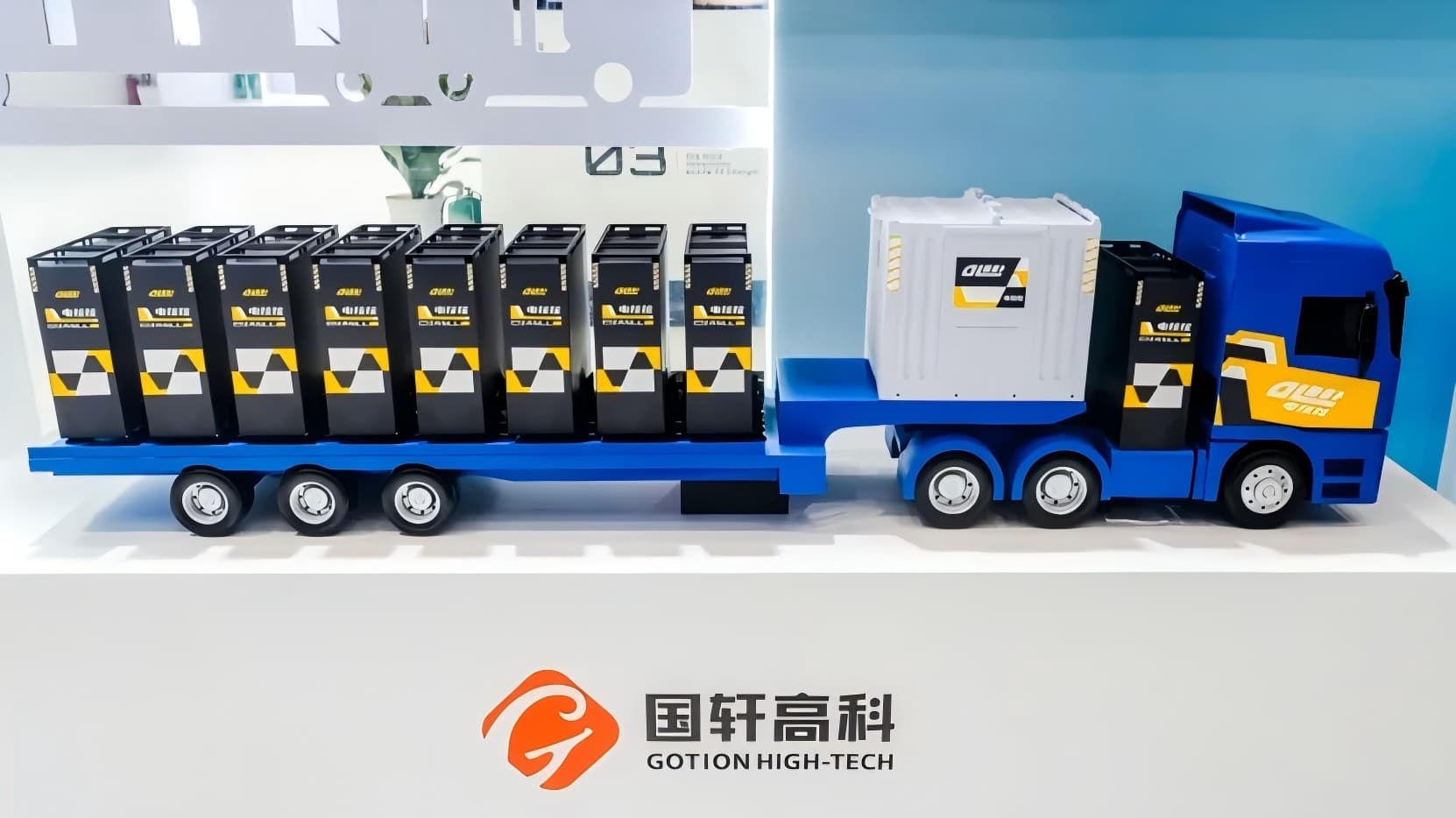
Supporting the decarbonization of transport in Europe.
The deployment of this technology across the continent responds to strict EU regulations regarding emissions reductions for heavy-duty vehicles. These regulations mandate a progressive reduction in the carbon footprint of manufacturers and fleets. Electrifying long-haul trucks requires solutions that optimize the total cost of ownership—a factor heavily influenced by battery degradation and vehicle downtime.
By decoupling battery ownership from the vehicle itself and entrusting battery management to a centralized swapping and assisted-charging system, transport companies can lower their initial acquisition costs. At the same time, controlled charging protocols within the stations maximize battery lifespan, protecting cell chemistry from the thermal stress associated with continuous rapid charging on the road. Through this strategic move, Gotion solidifies its position as a robust, viable technical solution for Europe’s future freight transport infrastructure, thereby helping to create green corridors that foster sustainability and efficiency in the continent's logistics sector.