

Copper Theft from Fast-Charging Stations
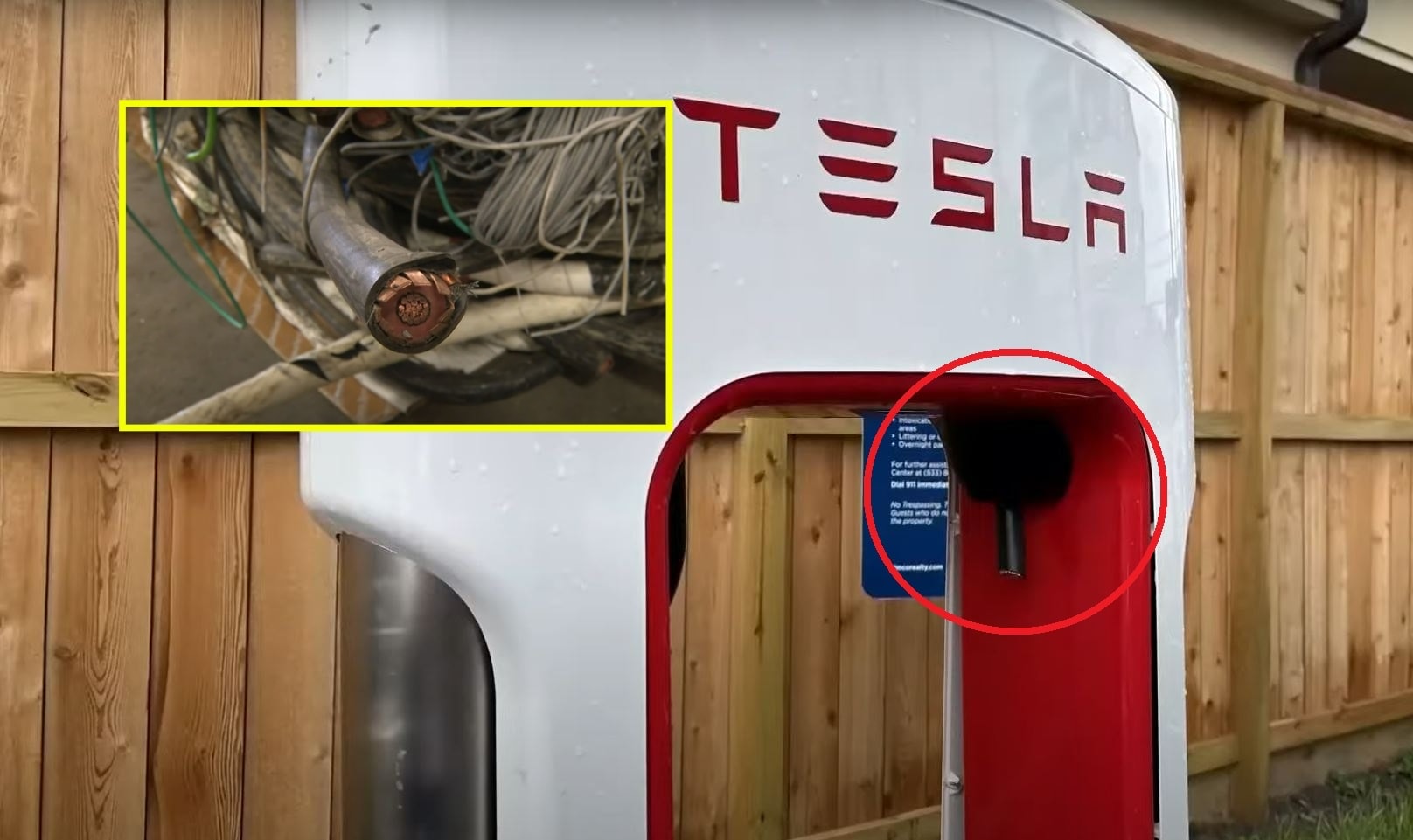
The rollout of electric vehicles is creating a new landscape for mobility in Spain. However, this shift brings not only opportunities for innovation and sustainable development but also significant security challenges. For years, railway infrastructure has been a primary target for criminal gangs specializing in copper theft; however, the expansion of electric vehicle charging stations has opened up a new avenue: targeting the cables of high-power chargers. Their copper content, combined with their lack of protection, makes them highly attractive targets.
The problem caused by this activity extends well beyond the economic value of the stolen material—which is already substantial—and poses a direct threat to the deployment and operational viability of the charging network across Spain.
The figures illustrate the scale of the phenomenon.
In Catalonia, for instance, the situation has manifested in several notable incidents. According to reports from the newspaper *La Vanguardia*, Endesa recorded 33 acts of vandalism at charging stations in the region during the month of September alone. These incidents account for approximately one-third of the total cases recorded by the company nationwide, with the highest concentration occurring in the cities of Barcelona and Tarragona.
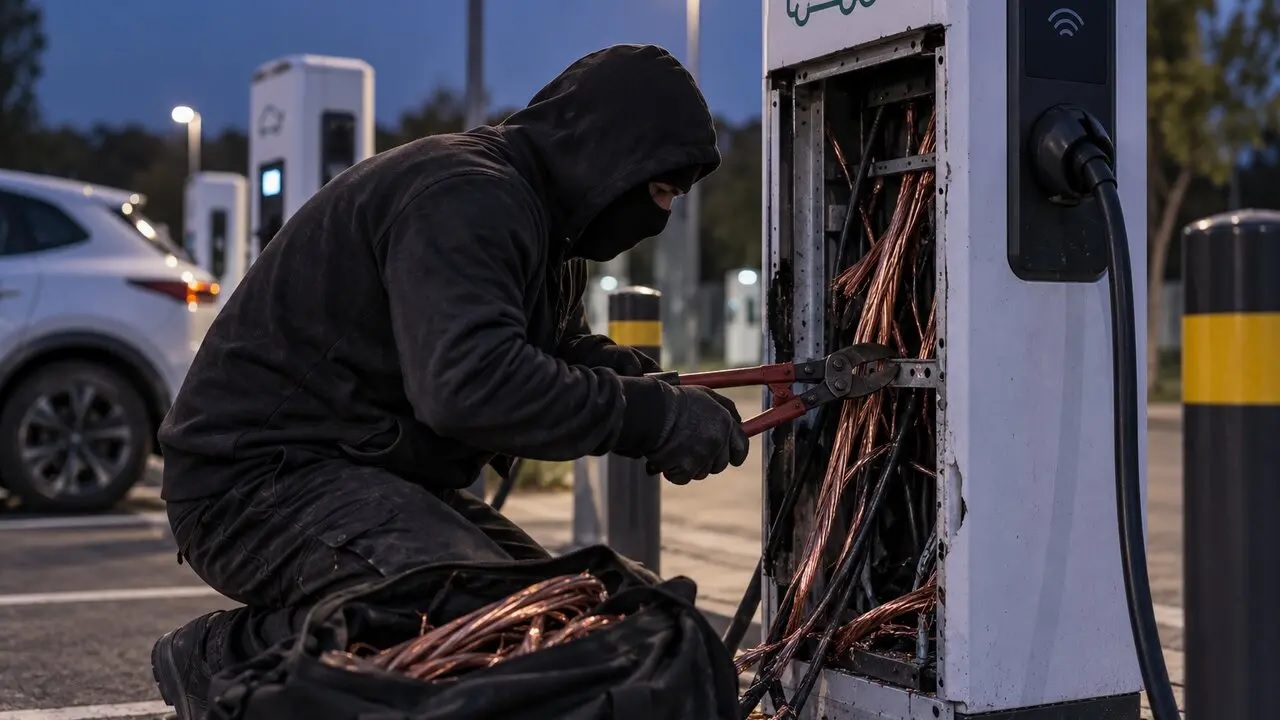
The *modus operandi* is generally consistent across these cases. Perpetrators typically target stations operated by various providers, often in isolated locations such as commercial parks or highway service areas. At these sites, they cut through the connectors and cables—a process that is both quick and relatively easy, even when the charging stations have been reinforced. Such operations can be completed in about a minute and typically involve two or three individuals, making detection on-site extremely difficult. Furthermore, criminals often strike an entire area in a single spree, causing significant damage to multiple charging stations and leaving a substantial gap in that part of the charging infrastructure.
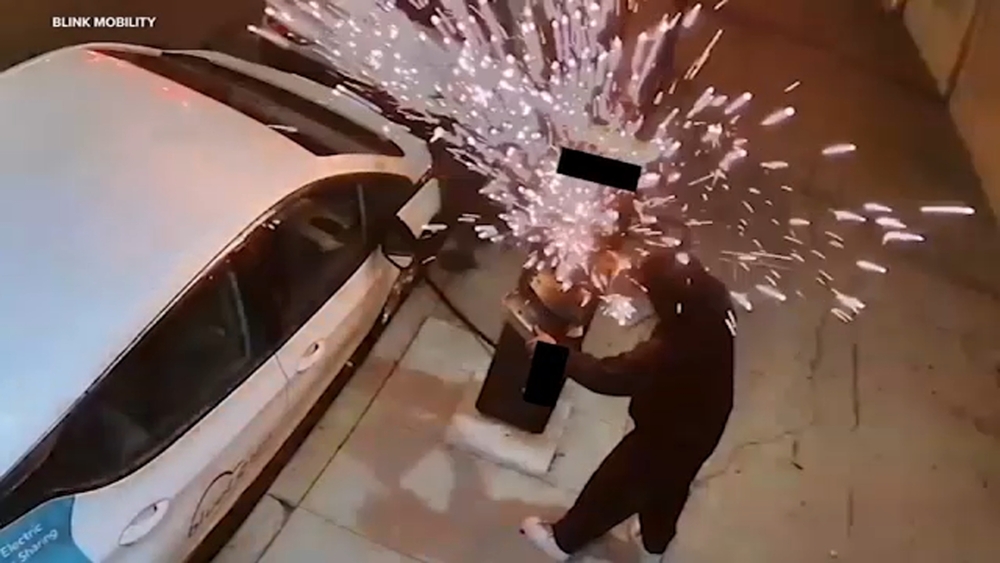
Quick profit at an exorbitant cost.
The appeal of these chargers to criminals stems from the fact that the cables for fast and ultra-fast chargers contain more copper, which is why thieves tend to target high-power installations. A cable—typically three to four meters long—can be sold on the black market for between 50 and 90 euros. Replacing such a cable, however, can cost around 600 euros, not including the expense of other damages or the deployment of technical staff.
Consequently, the total cost of each incident can range from 5,000 to 8,000 euros, potentially exceeding 10,000 or even 20,000 euros in the most severe cases. Beyond the financial impact, one must also consider the time required to restore service. A vandalized station may remain out of operation for anywhere from a week to two weeks, depending on the availability of spare parts and the complexity of the necessary repairs. This leads to a loss of revenue and, for drivers, results in a less reliable charging infrastructure.
In response, companies are implementing new protective measures, such as cut-resistant sleeves for cables, GPS tracking systems, and forensic marking to help identify recovered materials. For now, however, these measures do not appear sufficient to bring the problem under control.