
Technology Redefining Road Safety
Road safety is a top priority in the development of the automotive sector. Over time, technological advancements have revolutionized the way we drive, introducing tools that help prevent accidents and protect vehicle occupants. Artificial intelligence, driver-assistance systems, and connectivity are becoming increasingly significant in modern vehicles. While these innovations do not eliminate all risks, they offer new ways to enhance safety and improve responses to hazardous situations.
Advanced Driver-Assistance Systems (ADAS).
One of the most significant breakthroughs in road safety is the implementation of Advanced Driver-Assistance Systems, commonly known as ADAS. Increasingly common in new vehicles, these technologies include features such as automatic emergency braking, pedestrian detection, lane-keeping assistance, and adaptive cruise control. Their primary goal is to assist drivers in identifying potential hazards and reducing the risk of accidents caused by human error.
The integration of cameras, sensors, and radar enables the detection of obstacles and the assessment of environmental conditions. For instance, some automatic braking systems can intervene if they detect a collision risk and the driver fails to react in time. Similarly, lane-keeping assistants can warn the driver of an unintentional lane departure or make minor steering adjustments. However, their effectiveness depends on driving conditions and does not replace the need for driver attentiveness.

Artificial Intelligence and Connectivity: The Future of Accident Prevention.
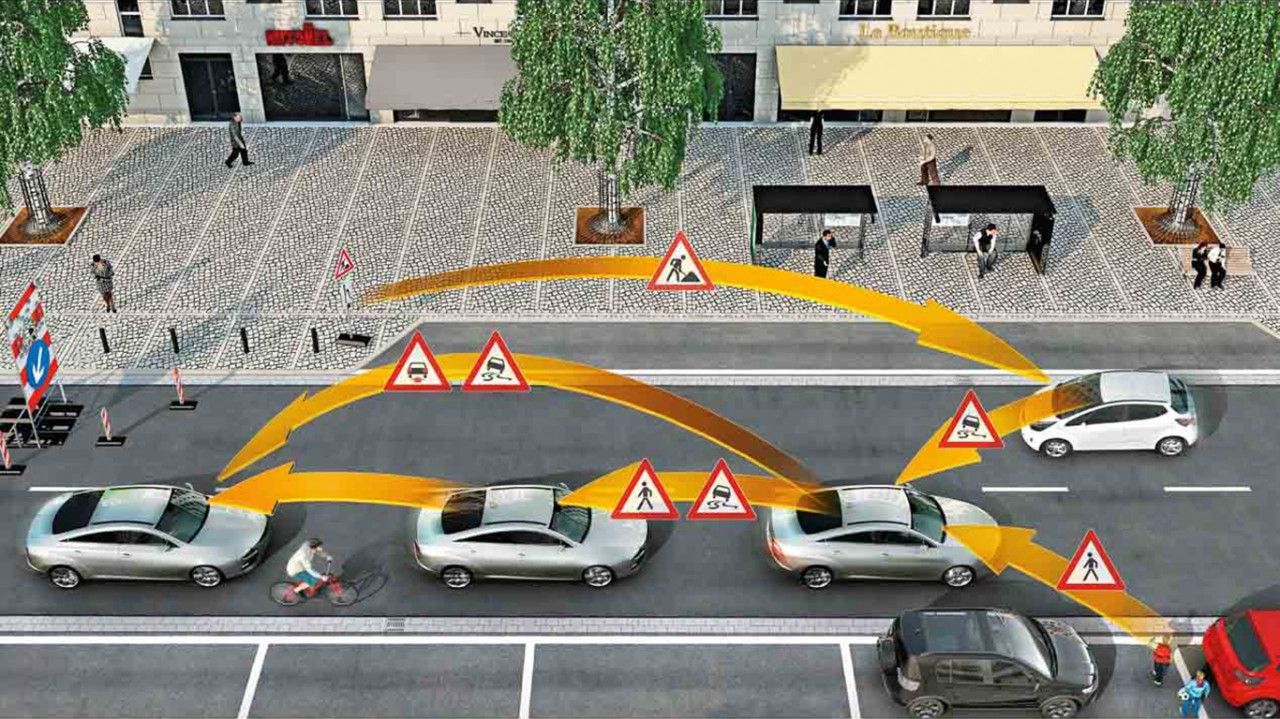
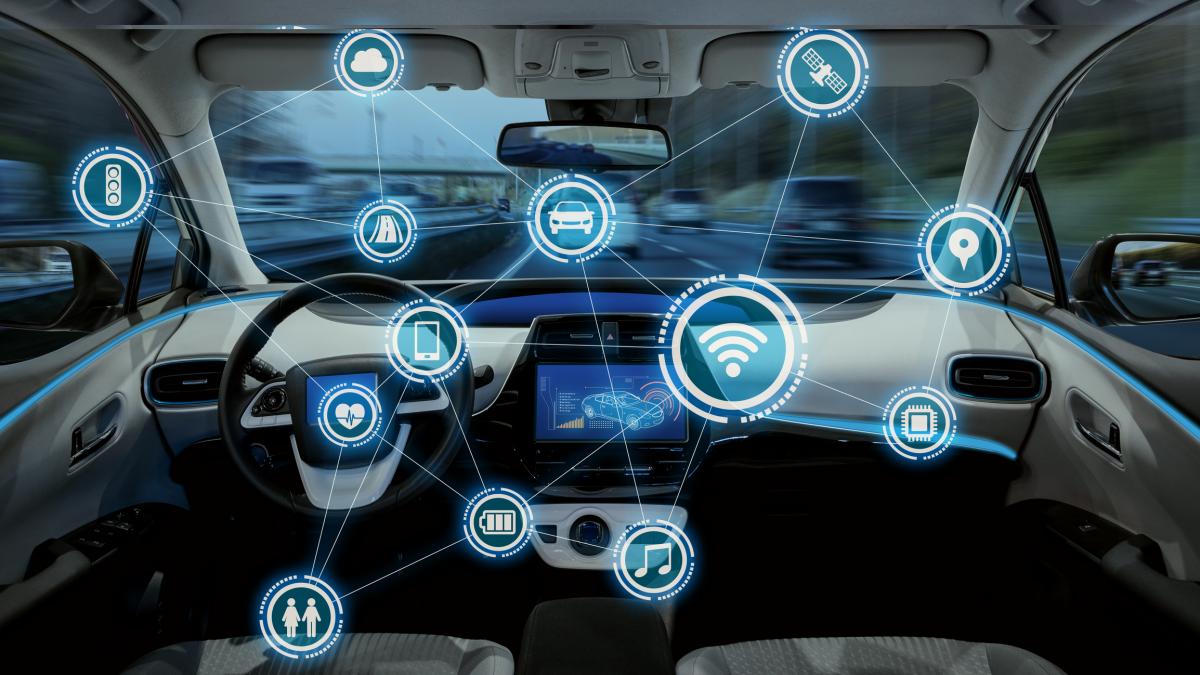
Artificial intelligence is expanding the capabilities of automotive safety systems. Some vehicles now feature technologies that can analyze signs of driver fatigue, detect distractions, or adapt specific assistance functions to current driving conditions. Furthermore, the development of vehicle-to-vehicle (V2V) and vehicle-to-infrastructure (V2I) communication could facilitate the exchange of information regarding hazards and traffic conditions.
This connectivity brings new challenges regarding the protection of digital systems. Cybersecurity has emerged as a critical component across various sectors—ranging from financial services to entertainment platforms that offer gambling, such as slot games, where there is a potential risk of financial loss. In the case of connected vehicles, technological protection takes on an added dimension, as a digital vulnerability could affect driving-related functions. It is therefore crucial that manufacturers pay as much attention to the security of new features as they do to their development.
Exchanging information about accidents, obstacles, or weather conditions could help in anticipating certain high-risk situations. While many of these solutions are still in the development phase or only implemented to a limited extent, they represent a significant avenue of innovation for the future of mobility.
Innovations in vehicle materials and design.
Automotive safety does not rely solely on electronic systems. The evolution of materials and structural design has been a key factor in improving occupant protection. The use of high-strength steel and other advanced materials allows for the creation of structures designed to withstand specific loads, while crumple zones (programmed deformation zones) help absorb a portion of the energy during a collision.
Interior design has undergone a significant evolution, incorporating passive safety elements such as airbags and restraint systems tailored to different occupants. The placement of these components and the structural integrity of the passenger compartment are critical factors in providing protection during an accident. Integrating both active and passive safety measures is essential for mitigating potential risks and minimizing the consequences of any collisions.
Real-time monitoring technology and remote assistance.
Monitoring systems make it possible to detect vehicle anomalies early, before they escalate into serious problems. Tire pressure sensors, engine-related alerts, and various diagnostic systems provide valuable information for identifying potential faults. While these tools assist drivers in taking preventive action, they do not eliminate the need for regular vehicle inspections.
Connectivity also facilitates assistance in emergency situations. Systems such as eCall can automatically dial the 112 emergency number in the event of certain serious accidents, transmitting essential information, including the vehicle's location. This technology has the potential to expedite the response of emergency services and complement traditional road safety measures.