
Renault and John Cockerill Unveil an Autonomous Electric Military Vehicle
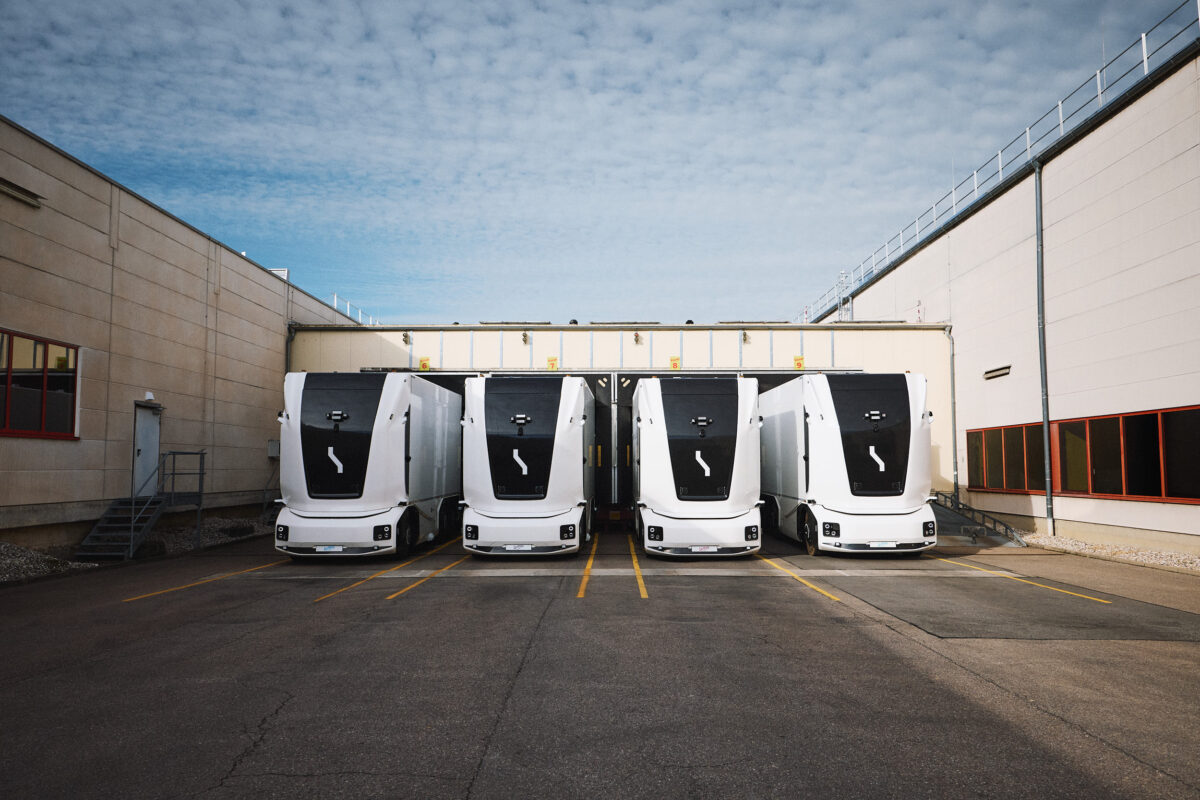
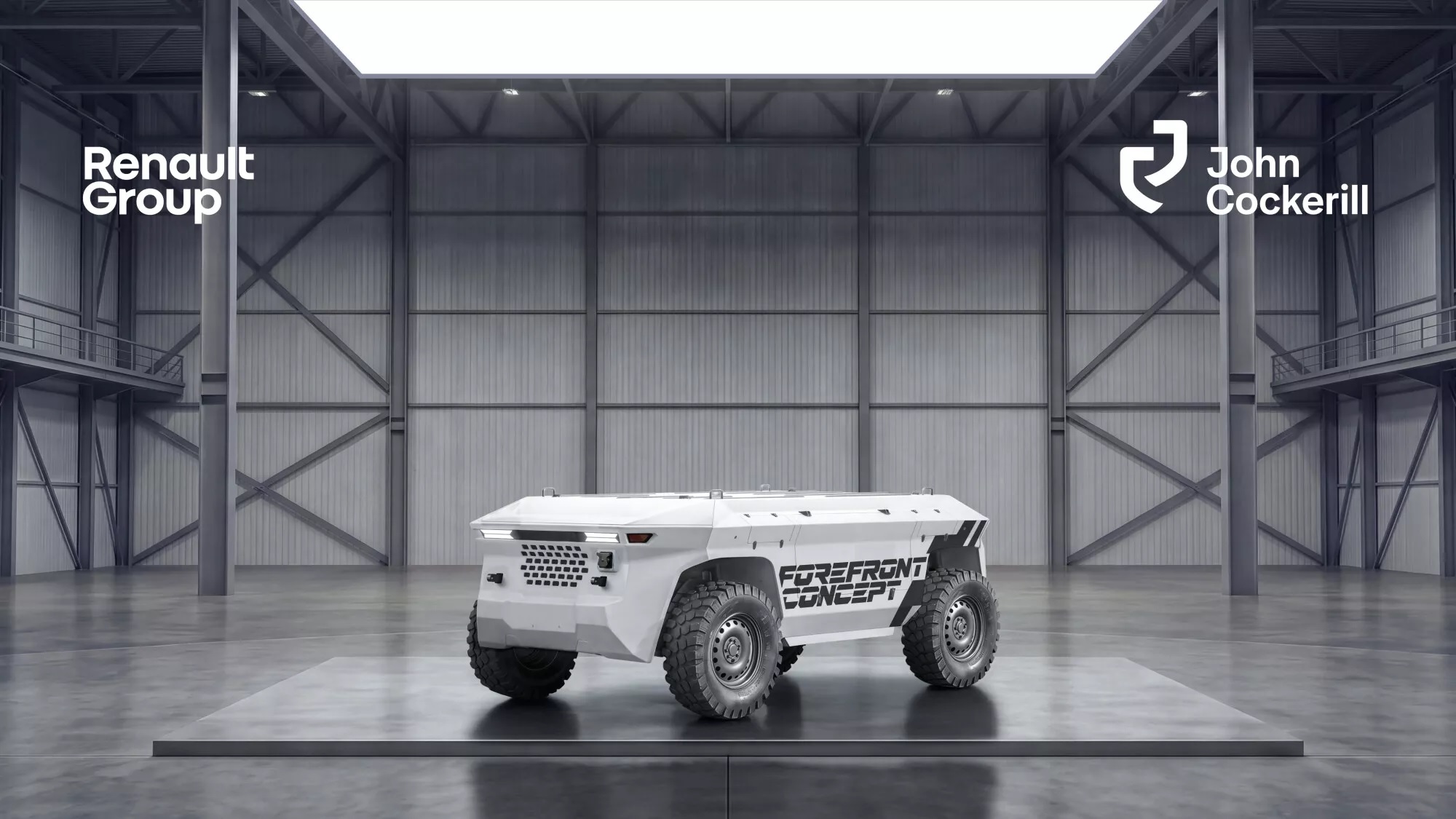
Renault has unveiled one of its most notable electric projects to date. This fully electric military vehicle—capable of operating without a driver, moving silently, and carrying up to a ton of cargo—is neither a passenger car, an SUV, nor a van. Known as the "Forefront Concept," the system was developed in collaboration with John Cockerill, a defense technology firm that, among other activities, supplies vehicles to the French Army.
This unique vehicle is designed for use in high-risk zones, challenging terrain, and environments where the presence of human personnel could be dangerous. It has an estimated range of approximately 400 kilometers, with the option to add a range extender to increase its operational reach. Renault confirms that the project utilizes pre-tested automotive components—a strategic choice intended to minimize development costs and facilitate future large-scale production.
Dual electric motors, all-wheel drive, and the ability to climb 60% gradients.
The Forefront Concept features a body design that departs significantly from conventional vehicle layouts. Its modular structure lacks a traditional cabin and can be fitted with various types of equipment, allowing it to adapt to the specific requirements of any given mission. The system can be operated remotely by a human operator and is designed to evolve toward fully autonomous operation.
The vehicle’s propulsion system consists of two electric motors, all-wheel drive, and all-wheel steering. The latter feature facilitates maneuvering in tight spaces, while its off-road configuration enables it to navigate sandy surfaces, mountainous terrain, and hard-to-reach areas. According to the manufacturer, the vehicle can climb gradients of up to 60%, underscoring its robust off-road capabilities.
While the manufacturer has announced an estimated range of approximately 400 kilometers, it has not disclosed specific details regarding battery capacity or motor power. Furthermore, the specifications for the planned range extender have not been disclosed. One of its key operational advantages is its ability to move silently, a feature of particular interest for military missions.
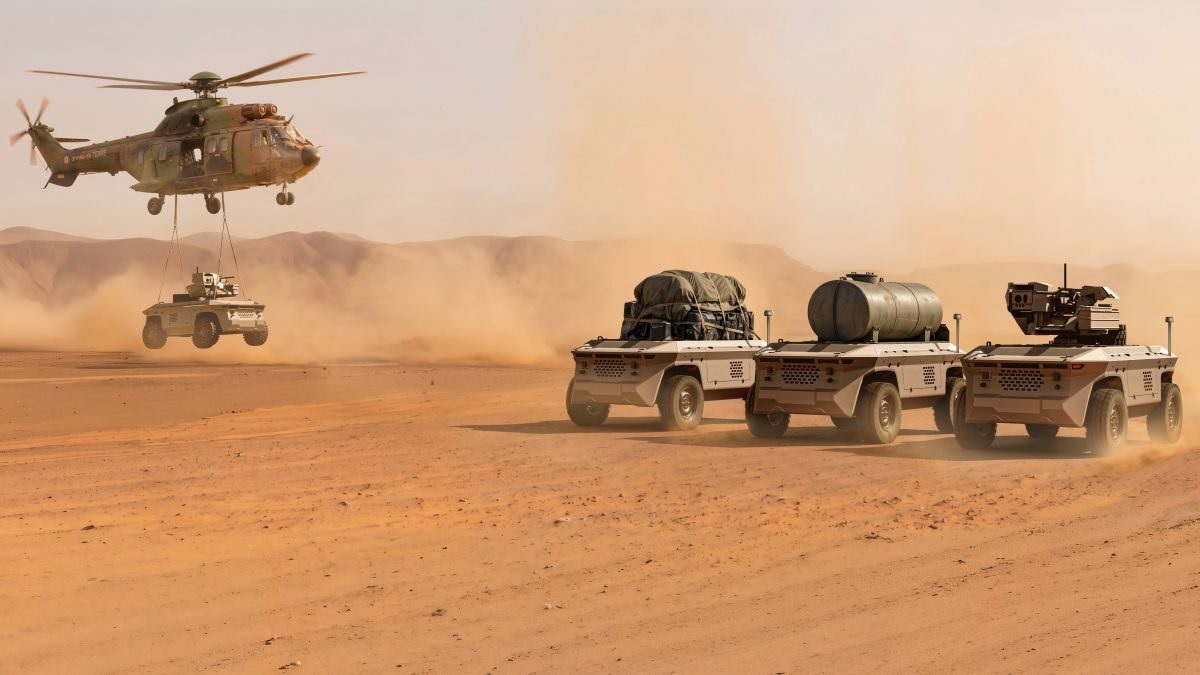
Up to 1,000 kg payload capacity for transporting supplies or evacuating the wounded.
Payload capacity is a critical factor that must be precisely evaluated. The Forefront Concept model is designed to carry up to 1,000 kilograms, allowing the vehicle to be adapted to a variety of needs. Its potential military applications include transporting supplies, conducting reconnaissance, carrying out counter-drone operations, providing fire support, and performing medical evacuations.
Its remote-operation capability would facilitate access to areas where deploying troops would pose a significant risk. Jean-Luc Maurange, CEO of John Cockerill, explains that the project aims to combine mobility, autonomy, and tactical communications to enhance operational capabilities while reducing the exposure of military personnel to danger.
However, Renault emphasizes that its use will not be limited to the military sector. The platform could also be employed for civil protection tasks, the surveillance of critical infrastructure, the transport of materials, or interventions at hazardous sites. Its modular architecture allows the vehicle to be adapted for different functions without the need to develop an entirely new platform for every specific application.
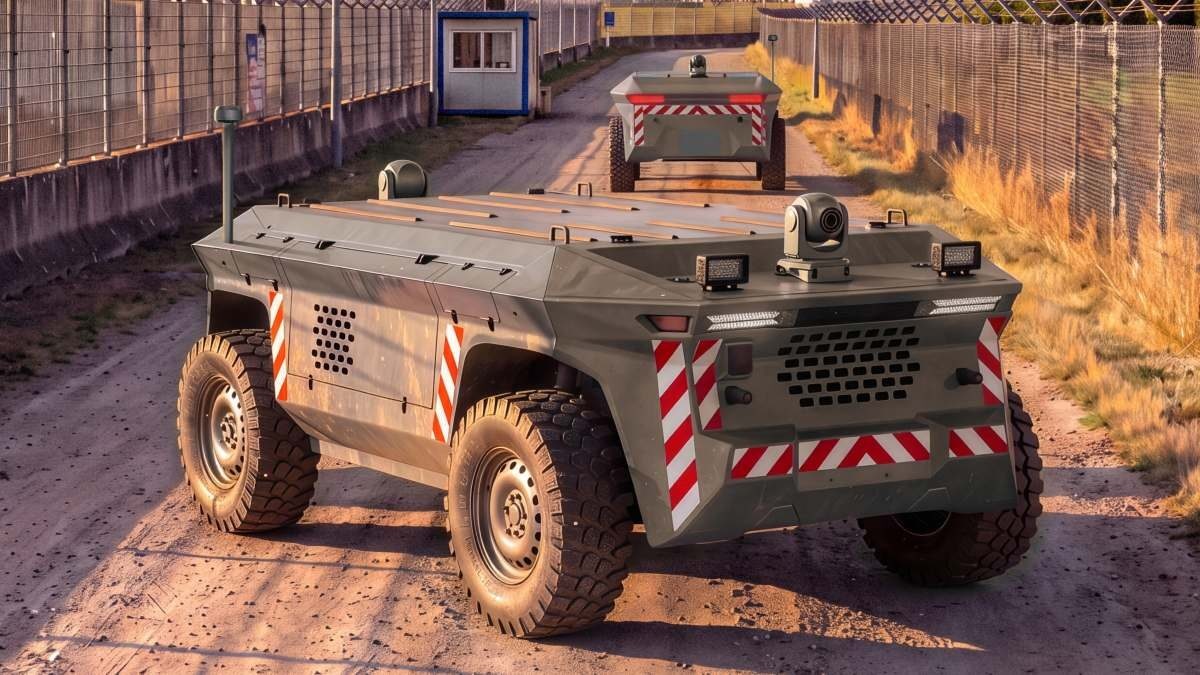
Renault aims for rapid production with controlled costs.
The project is also notable for its industrial approach. Renault developed the platform in just a few months, leveraging components and expertise from its automotive operations. John Cockerill, meanwhile, has been responsible for remote-driving functions, autonomy, and adapting the vehicle to military requirements.
François Provost, CEO of the Renault Group, believes that the Forefront Concept demonstrates how the manufacturer’s industrial and technological experience can contribute to a strategic sector such as unmanned ground vehicles. He specifically highlights Renault’s ability to develop and produce reliable technology quickly, at scale, and at competitive costs.
For now, the Forefront Concept remains a prototype, and no pricing or production dates have been announced. Over the coming weeks, it will undergo various exercises and field tests with the French Armed Forces, which will allow for the evaluation of its capabilities and the implementation of modifications based on the results obtained. Renault has also clarified that it does not intend to become an arms manufacturer. Its involvement is in response to a request from the French authorities and is limited to contributing its industrial and technological expertise.