60 Autonomous Haul Trucks at the Zhibula Copper Mine
Electrified haul trucks have been operating at this mine in Tibet since September 2025. Initially, the vehicles were operated by human drivers while Eacon Mining validated its autonomous driving technology on-site. According to the company, the need for safety drivers was eliminated just two weeks later.
Subsequently, autonomous operations were gradually expanded. By March 2026, 52 vehicles were routinely operating without drivers, and by the end of September, all 60 battery-electric haul trucks had achieved fully autonomous, standard operation across the entire mine. Eacon describes the project as the largest autonomous fleet at a single metal mine in China, and the world’s first fully autonomous operation of electric mining vehicles at an altitude exceeding 5,000 meters.
High altitude presents unique challenges for both people and technology. In addition to low atmospheric pressure and low oxygen levels, Eacon points to intense ultraviolet radiation, snow, and recurring freeze-thaw cycles. Adverse weather conditions—such as wet or icy roads—and glare from the snow can significantly complicate environmental perception and vehicle control. The rugged topography of the haul roads and the complex traffic patterns within the mine add further layers of difficulty. To address this, Eacon relies on methods including the fusion of data from various sensors and adaptive vehicle control.
Furthermore, high altitude serves as a compelling argument for autonomous driving, as it allows employees to spend less time in an oxygen-depleted environment. According to Eacon, the project has succeeded in reducing the need for drivers by approximately 80%, while daily effective operating time has increased by 16%. However, the company has not disclosed detailed operational information.
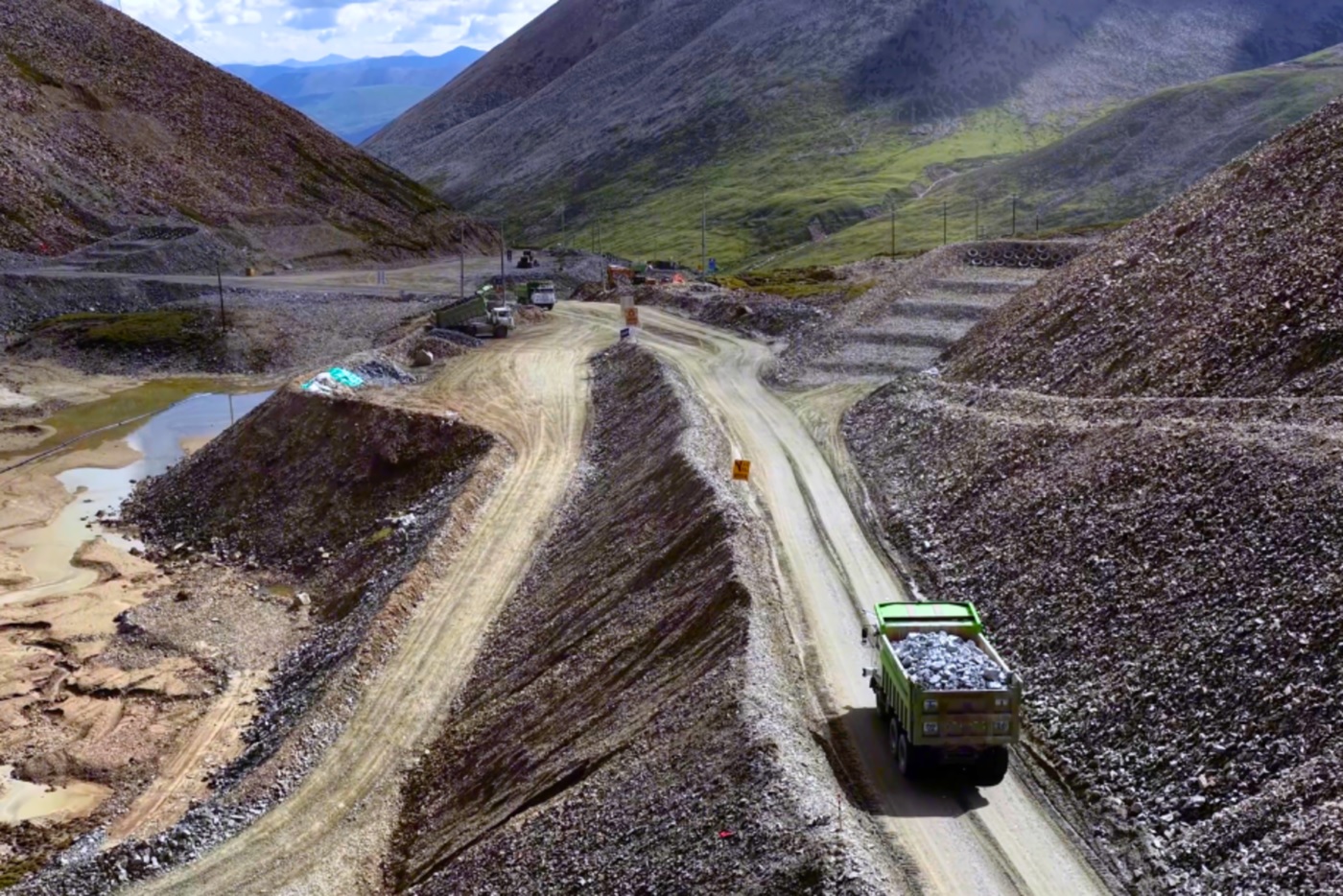
Combining automation with battery-electric propulsion systems.
Furthermore, the combination of battery-electric propulsion and automation is expected to contribute significantly to emission reductions. Eacon estimates that the 60 vehicles will result in an annual reduction of approximately 12,000 tonnes of carbon dioxide (CO₂). Nevertheless, the company’s statement did not provide specific details regarding battery capacity, charging power, or the energy consumption of the vehicles.
The Zhibula mine is part of Julong Copper, a subsidiary of the Chinese mining group Zijin Mining. The group has gained extensive practical experience with heavy-duty electric vehicles in Tibet. At a neighboring Julong Copper mine, operated by Zijin Longking, battery-electric haul trucks with a payload capacity of 140 tonnes are currently in operation. According to the company, these vehicles transport over 2,000 tonnes of material daily and demonstrate 17% lower energy consumption compared to similar conventional vehicles.
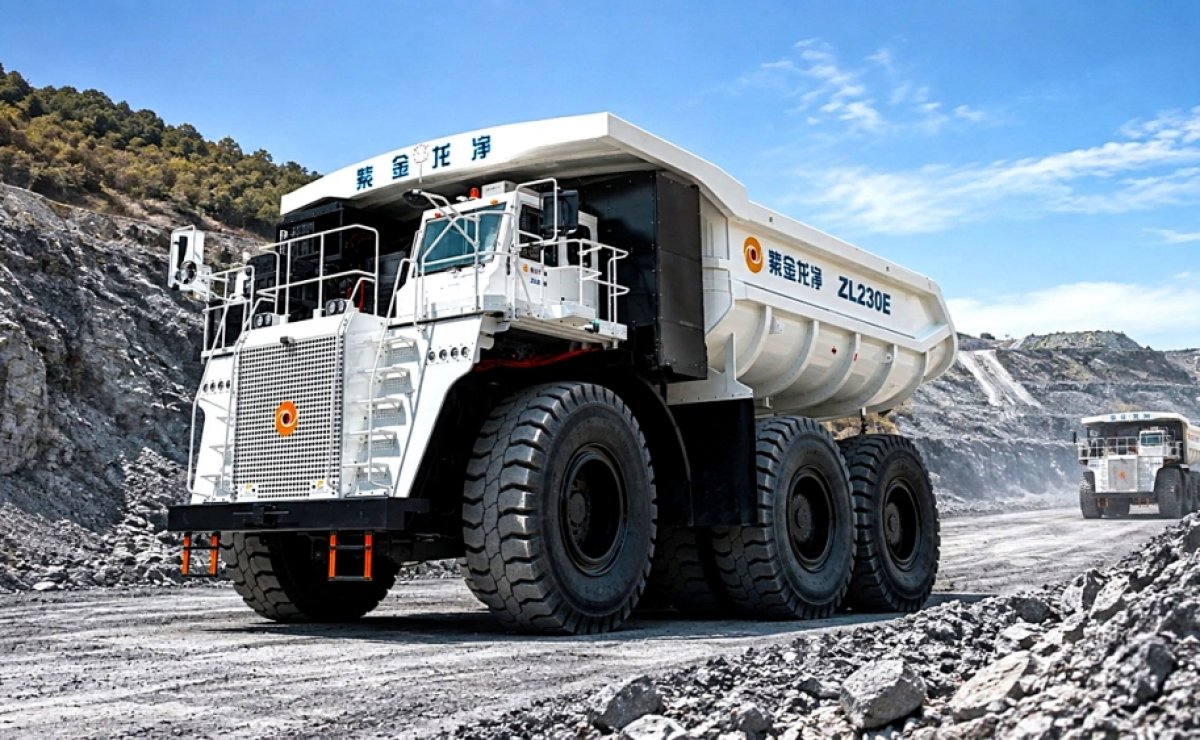
Meanwhile, Zijin continues to advance the electrification of its mining fleet. In August, Zijin Longking unveiled the ZL230E—a battery-electric mining haul truck with a 230-tonne payload capacity, a battery capacity of approximately 1,400 kWh, and a traction power of 1.6 MW. The group’s primary objective is to replace conventional mining trucks with electric models within three years.
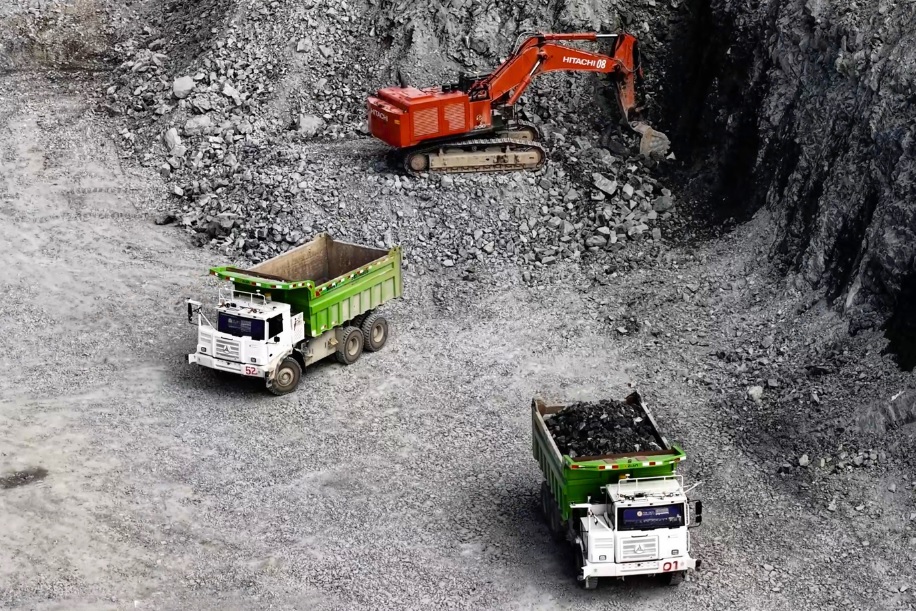
Concurrently with the Zhibula project, Eacon is equipping 18 conventional NTE240 haul trucks with autonomous technology at the nearby Julong copper mine. These rigid-frame haul trucks, which have a 220-ton capacity, are undergoing validation testing for driverless operation. Part of the fleet is already operating autonomously. Consequently, Eacon is implementing two different approaches simultaneously.
At Zhibula, the battery-electric vehicles are also autonomous, while the existing diesel-powered haul trucks at the neighboring mine are being retrofitted. According to the company, the control architecture has been designed to operate independently of the vehicle manufacturer.
In the mining sector, this combination is particularly significant. Electric powertrains have the potential to reduce local emissions, while autonomous systems can decrease the need for personnel in challenging work environments. In Tibet, both types of equipment must operate under conditions that are extreme, even for heavy mining machinery.