
How repair shops have erased the lower maintenance cost advantage of electric vehicles
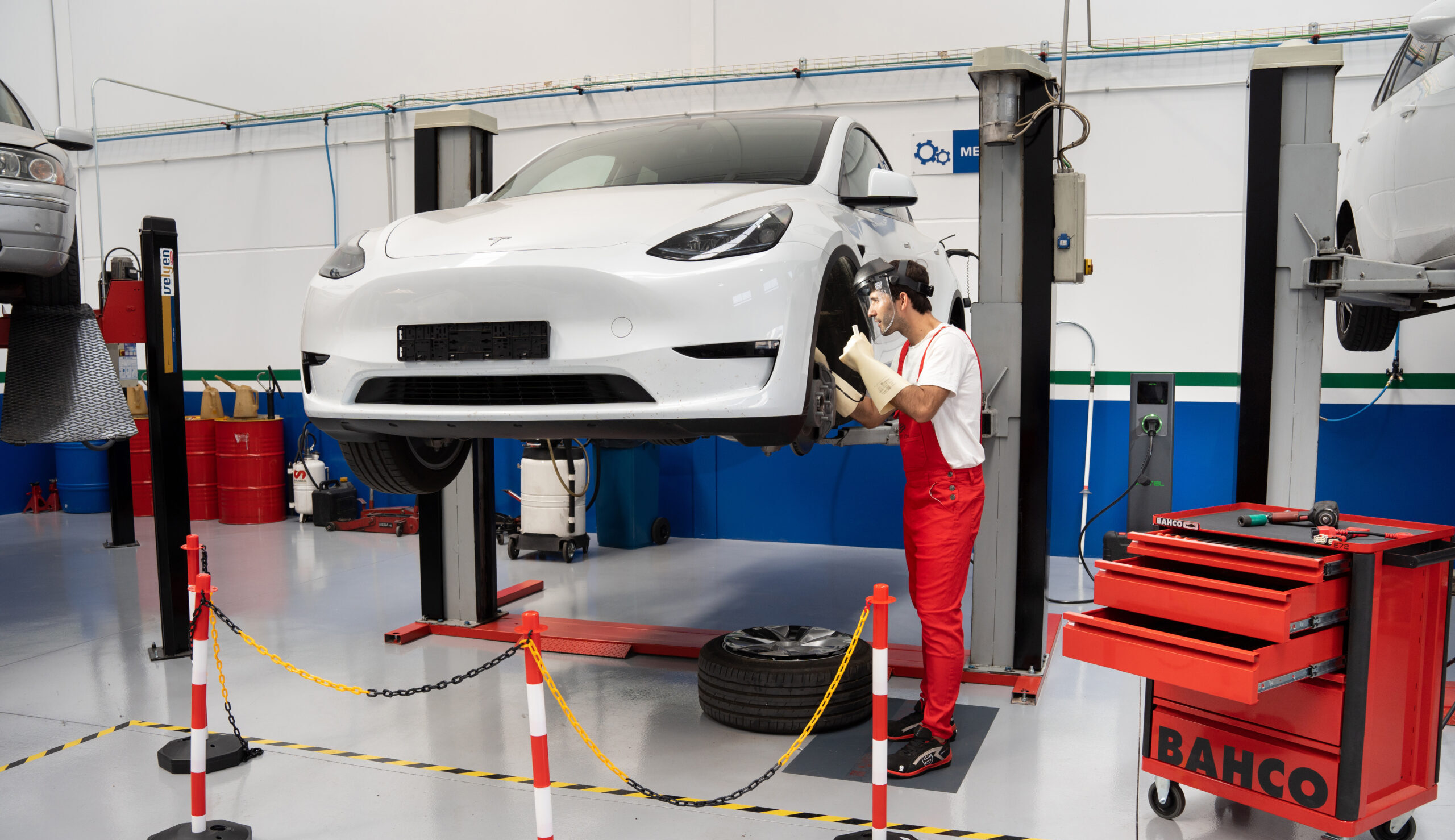
Labor costs in Spanish repair shops are trending upward, and the arrival of electrified vehicles is creating new disparities between official dealership service centers and independent repair shops. According to the latest study by the National Association of Vehicle Sellers and Repairers (Ganvam), official networks charge an average of over 75 euros per hour for work on plug-in models. Meanwhile, independent repair shops that service these vehicles charge rates closer to 47 euros.
This trend mirrors a controversy that has emerged in Germany, where it has been observed that some dealerships are charging more to repair an electric vehicle than a gasoline or diesel one. The complexity of the work is not always the deciding factor, as some networks apply surcharges even for tasks like painting. This phenomenon has prompted concern among motorists' associations and industry representatives, who have expressed reservations regarding certain price increases.
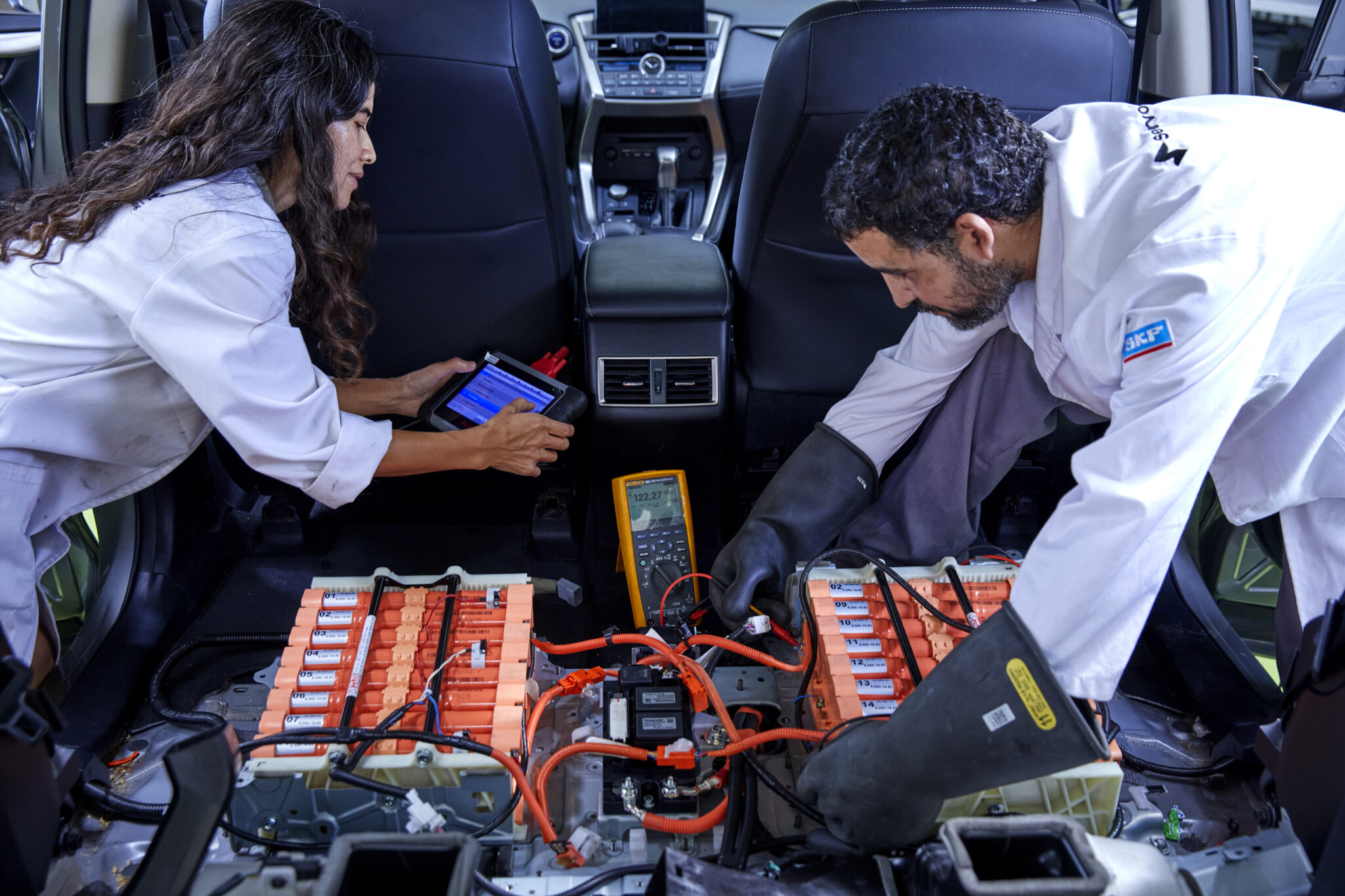
Spanish repair shops are now charging over 75 euros per hour for work on electrified vehicles.
According to the fourth edition of the report *Diagnosis of the Aftersales Sector in Spain*—prepared by GiPA for Ganvam and presented in June 2026—80% of official service centers handle electrified vehicles. The average hourly rate for these models has risen by 16% since 2024, even though they currently account for only 4% of their clientele. Among independent repair shops—those not affiliated with official networks—only 17% work on plug-in vehicles, representing about 1% of their customer base.
These price increases are a direct consequence of the sector's transformation. Carrying out this type of work requires specialized personnel, tools adapted for high-voltage systems, and specific protective equipment. However, electrification leads to a reduction in the routine maintenance tasks associated with internal combustion engines—such as oil changes, filter replacements, or work on exhaust system components—which results in a significant shift in conventional maintenance practices.
Germany identifies surcharges of up to 30%, and an investigation confirms discrepancies in service rates.
The German magazine *Edison* has published a report regarding a Volkswagen Group dealership that charges an hourly rate of €212.90 for electric vehicles, compared to €159 for internal combustion models. At the same facility, paint-related services also showed price differences: €305.83 for electric vehicles versus €279.65 for combustion-engine vehicles. The publication notes that attempts to obtain an explanation from the business manager went unanswered.
These discrepancies are not limited to a single location. According to a study published in February 2026 by the German Automobile Club (ADAC)—based on 94 price quotes from authorized service centers representing five different manufacturers—nearly half of the centers that provided a detailed breakdown charged higher hourly rates for electric vehicles. The average surcharge was approximately 17%, even though inspections for these vehicles generally remained less expensive due to their lower maintenance requirements.
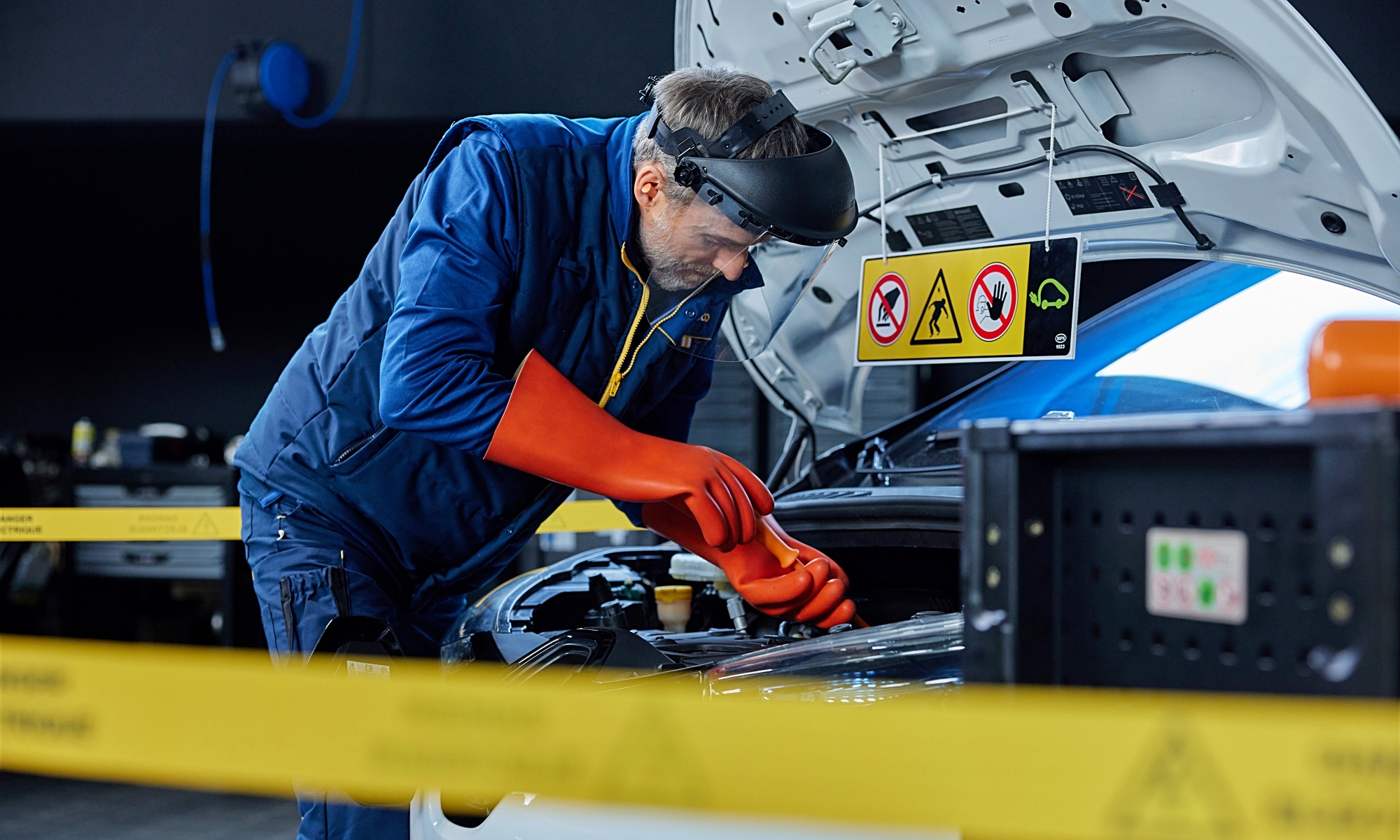
This controversy has drawn critical reactions from within the industry. Wolf Warncke, manager of a Volkswagen Group dealership specializing in electric vehicles, suggests that some service centers may be attempting to recoup—through labor charges—the revenue they previously generated from services like oil changes. Kia Germany has expressed concern that higher service costs could negatively impact electric vehicle sales. Meanwhile, the German automotive trade association ZDK argues that investments in staff training and specialized equipment could justify the implementation of differentiated service rates.
Despite these increases, the available data do not support the conclusion that maintaining an electric vehicle is more expensive than maintaining one with an internal combustion engine. The ADAC has found that, for most of the brands analyzed, servicing costs for electric vehicles are significantly lower. In the Spanish context, the Ganvam report does not clarify what portion of these price increases is attributable to technical investments versus those linked to the decline in revenue from traditional after-sales services. The primary difference lies in the hourly labor rate and the total cost of the operations required for each type of vehicle.