
Google Maps Incorporates Artificial Intelligence for Voice-Only Control
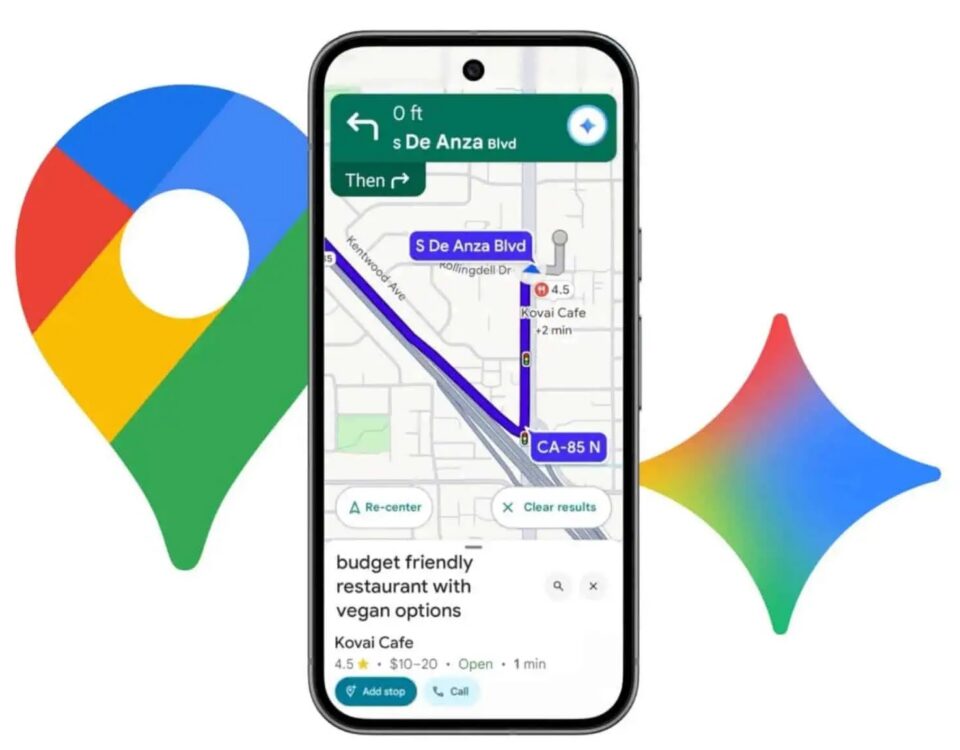
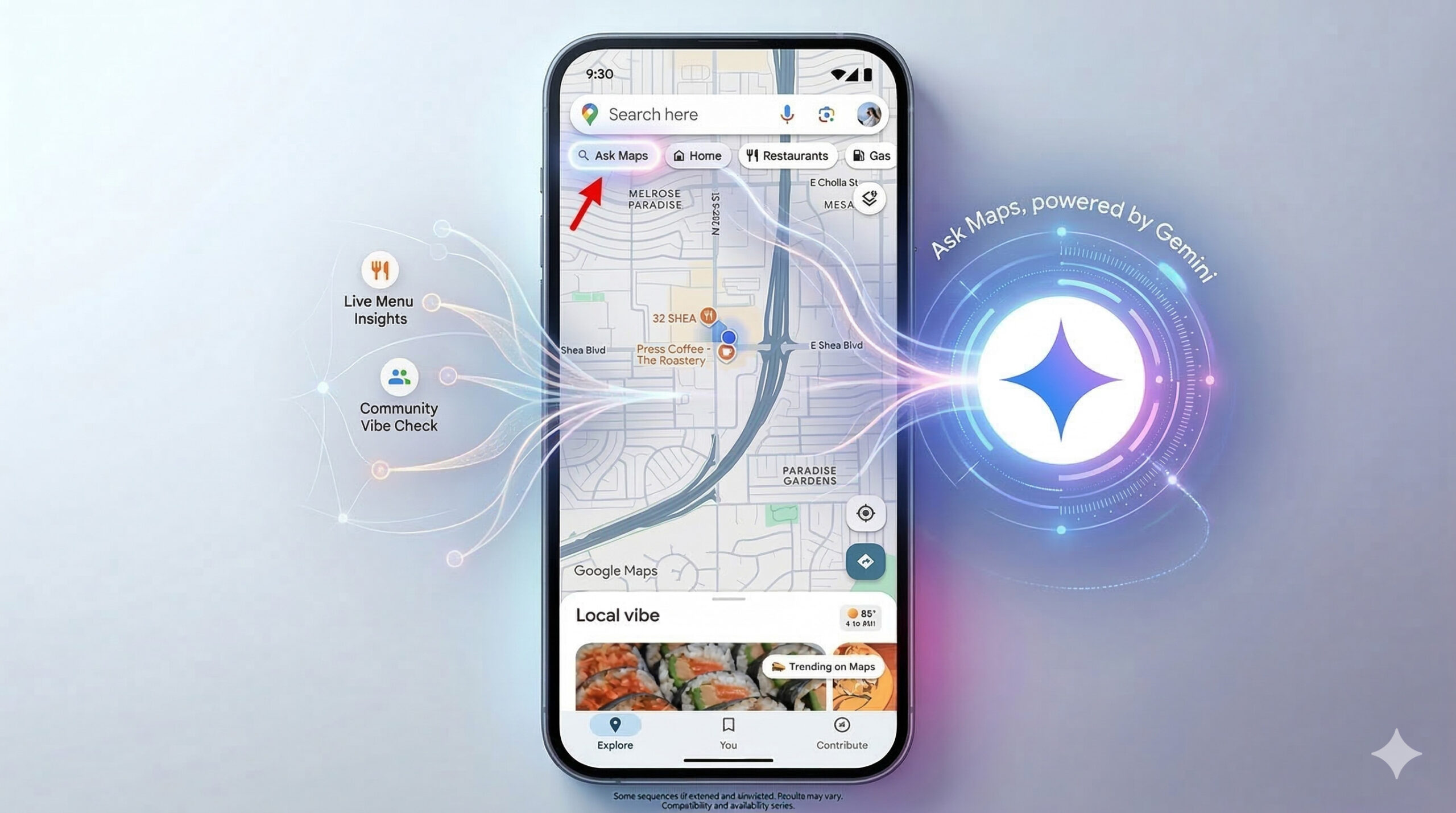
Google Maps continues to evolve into an intelligent navigation application, with artificial intelligence—specifically Google’s AI, Gemini—playing a crucial role. The assistant has gained new features that facilitate interaction with maps via voice commands, allowing users to perform searches, check traffic information, and modify routes without needing to type on their phone screen.
The company’s goal is to transform the app into a virtual assistant capable of addressing various needs while on the move, all while allowing the driver to remain focused on the road. This represents a significant shift; previously, users had to manually enter addresses, search for businesses, or select navigation options. With these new AI-powered tools, users can ask questions using everyday language and engage in a conversation with the assistant to get information relevant to their journey.
For instance, a driver can ask the assistant to find a nearby gas station, locate a place to eat along the route, or suggest an alternative path to avoid a traffic jam.
A Technology That Isn’t Entirely New.
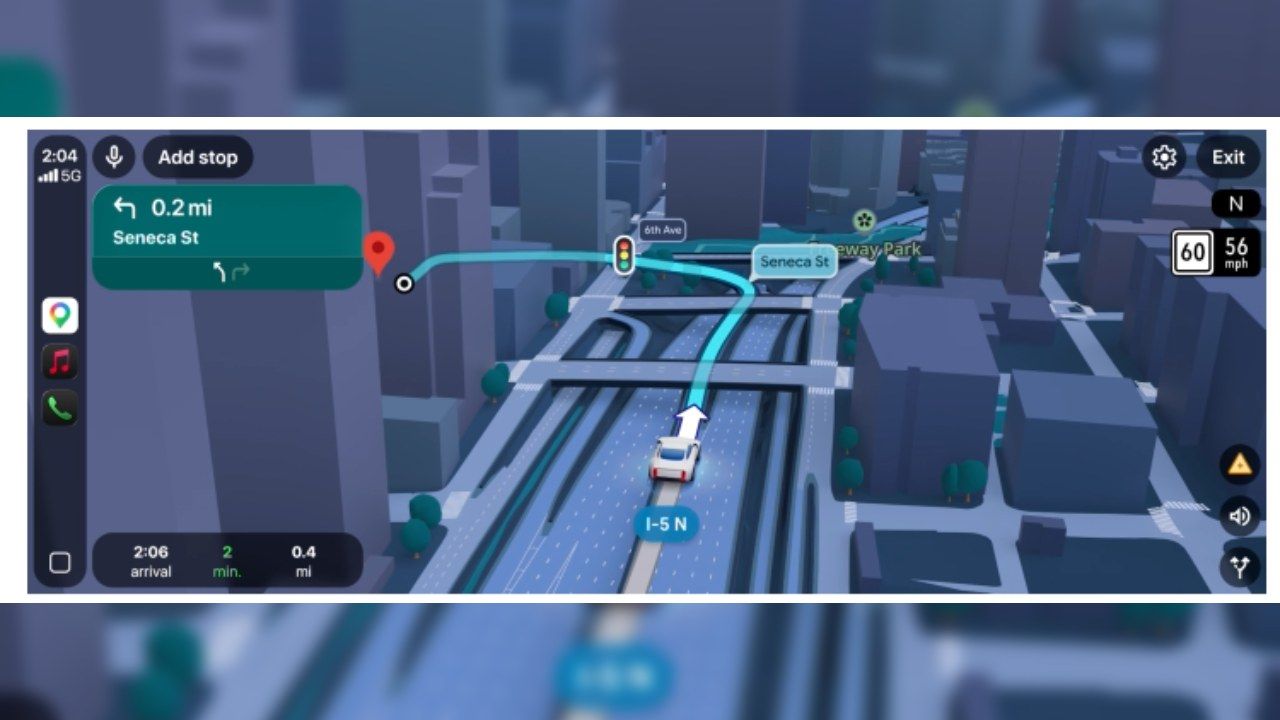
Google announced the integration of Gemini into Maps in November 2025. Later, in March of this year, the company unveiled a major update to the application, introducing two key features: "Ask Maps" and "Immersive Navigation." The former allows for complex queries about places and activities, while the latter enhances the visual representation of routes through three-dimensional maps and more detailed guidance.
These tools work alongside other functions that enable Gemini to act as a co-pilot while driving. Throughout the summer, the integration of artificial intelligence into Google Maps has been rolled out gradually. This integration allows users to make inquiries using natural language—either by tapping the Gemini icon or by using the voice command "Hey Google." For instance, a driver can request information about traffic conditions on a specific route, check for congestion along their path, or locate service areas that are less crowded. The assistant is capable of analyzing available data and presenting options for continuing the journey in real time.
However, it is worth noting that the capabilities extend beyond these examples; Gemini allows users to request changes to their travel plans, search for establishments near their route, and find services tailored to specific needs. Instead of having to pause to type a new search, a user can simply ask for things like the location of a service station with a café, a supermarket along their route home, or an alternative route that avoids toll roads. The primary goal of this project is to reduce manual tasks, minimize distractions, and make information more easily accessible while driving.
Ask Maps and Immersive Navigation.
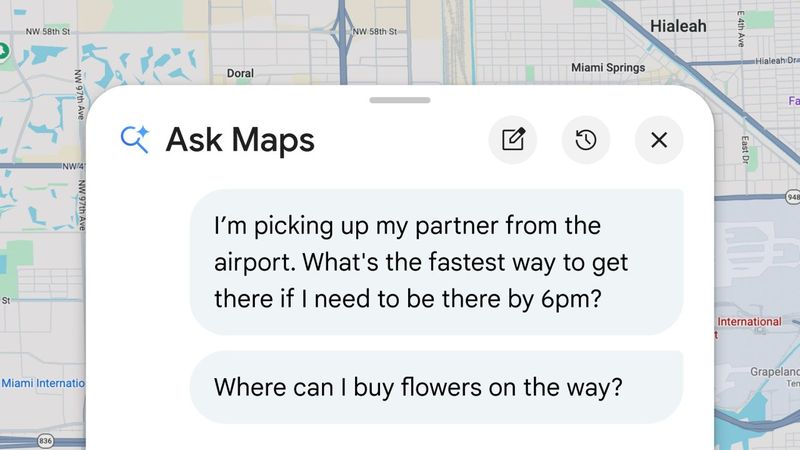
Another notable innovation is "Ask Maps," a conversational feature that makes it easier to perform more complex and detailed queries within the map. For example, users can ask for a restaurant with specific characteristics, discover points of interest for a getaway, or plan an itinerary with multiple stops. According to Google, the tool draws on information from over 300 million locations and contributions from a community of more than 500 million users. Furthermore, it can provide personalized recommendations based on places the user has previously searched for or saved.
Meanwhile, Immersive Navigation provides a three-dimensional representation of the surroundings, helping drivers anticipate complex maneuvers, identify lanes, see traffic lights, and gain a better awareness of elements on the road. Gemini helps provide more natural and contextualized directions, moving away from the highly automated commands typical of navigation systems and making the experience feel more like traveling with another person.