

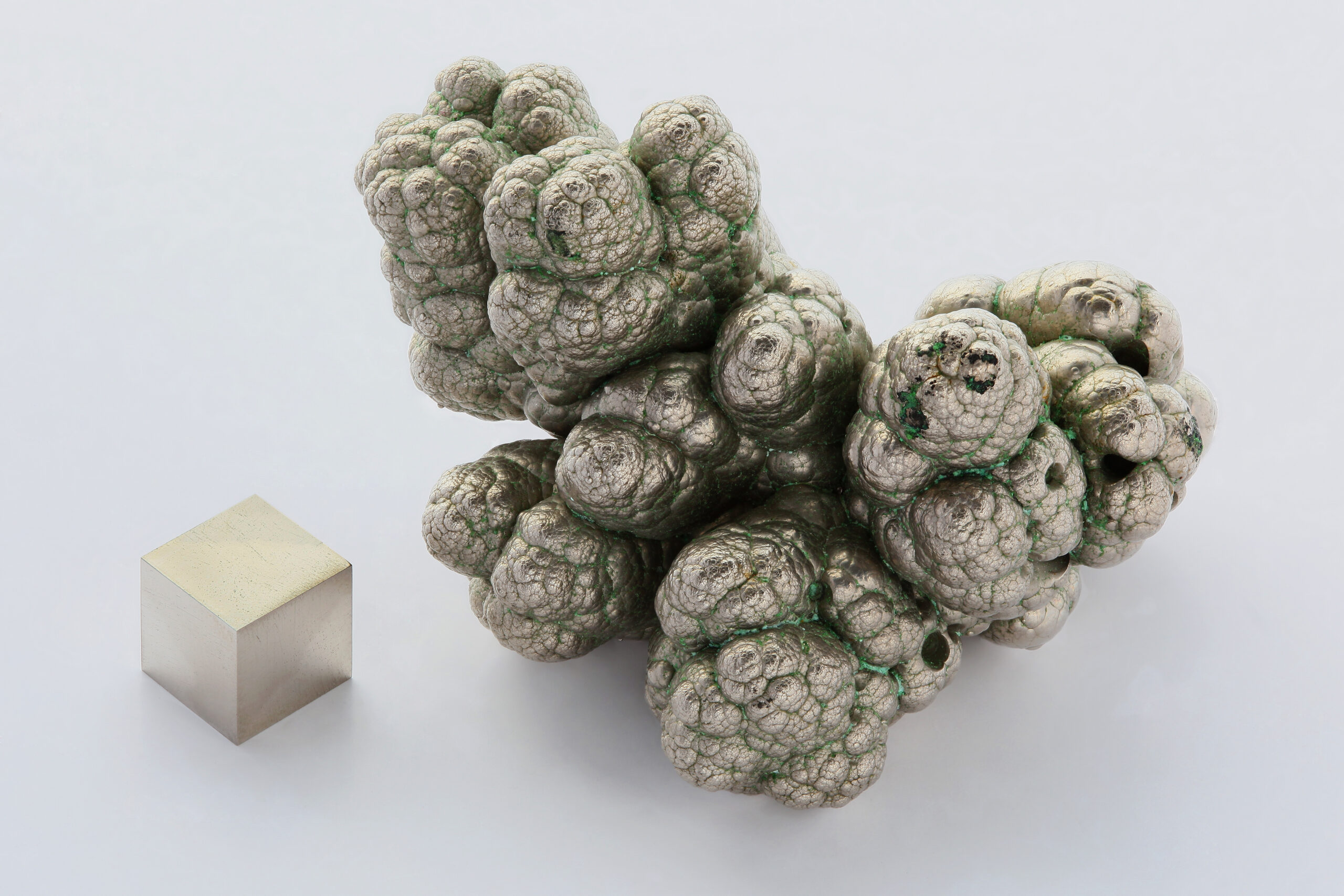
Nickel for electric vehicle batteries may come from forests destroyed in Indonesia
An exhaustive, two-year international investigation has traced the commercial path of the nickel used in batteries, establishing a link to mining operations in Indonesia that have caused significant loss of primary forest.
Electric vehicles eliminate tailpipe emissions and, over their entire lifespan, can significantly reduce climate impact compared to internal combustion vehicles. However, the manufacturing of these batteries requires large quantities of critical minerals, posing a major challenge for the energy transition: the need to precisely determine the origin of these materials.
According to an investigation published by *The Guardian* in collaboration with Voxeurop and other European media outlets, researchers have managed to reconstruct part of this supply chain. This was achieved by analyzing trade data, reviewing corporate documentation, and utilizing satellite analysis technology. The study concludes that nickel sourced from mines on the Indonesian island of Sulawesi may be used in batteries for some of the world’s leading automakers.
While researchers could not definitively confirm that a specific shipment of ore ended up in the battery of a particular vehicle—as public records do not allow for tracking the entire journey with that level of precision—they have made significant efforts to map the connections between various entities in the automotive value chain. This includes mines, refineries, manufacturers of cathode materials, battery producers, and assembly plants in Europe and the United States.
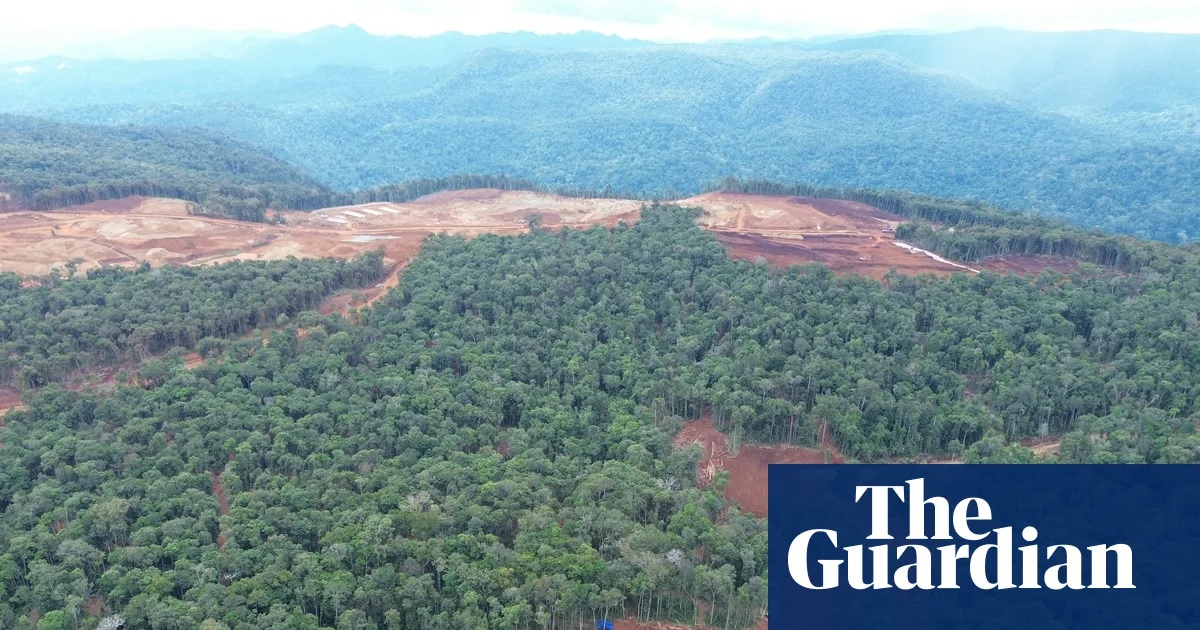
From an Indonesian mine to the batteries of an electric car.
The starting point lies at the Cahaya and Hengjaya mines on the island of Sulawesi—a region notable both for its abundant nickel deposits and its vast tropical forests. The ore extracted from both mining operations is sent to an industrial complex in Morowali, where a local subsidiary of Zhejiang Huayou Cobalt transforms limonite into a mixed hydroxide precipitate—known as MHP—a key raw material for producing certain cathode materials.
From this point, the material begins a journey spanning thousands of kilometers. In 2024, the Morelli plant exported $606 million worth of MHP products to China, while shipments in 2025 reached $470 million. The processed material was subsequently transported to Huayou’s facilities in Quzhou and Yulin, where it underwent further transformation for use in batteries.
Huayou has also confirmed that it supplies materials to CATL, currently one of the world’s largest battery manufacturers. Furthermore, another of its subsidiaries has acknowledged delivering large quantities to the Chinese company. Investigators also identified another trade route connecting Huayou to LG via Poland. Both companies supply battery-related products to numerous international automakers.
The challenge in establishing a strictly direct link arises at this final stage. Public documents do not specify the exact volumes or dates for individual sales from Huayou to CATL; therefore, it cannot be definitively stated that nickel from a specific batch originating from Cahaya or Hengjaya ended up in any particular battery. For this reason, the investigation refers to materials that may be present within these supply chains, rather than claiming absolute physical traceability to a specific vehicle.
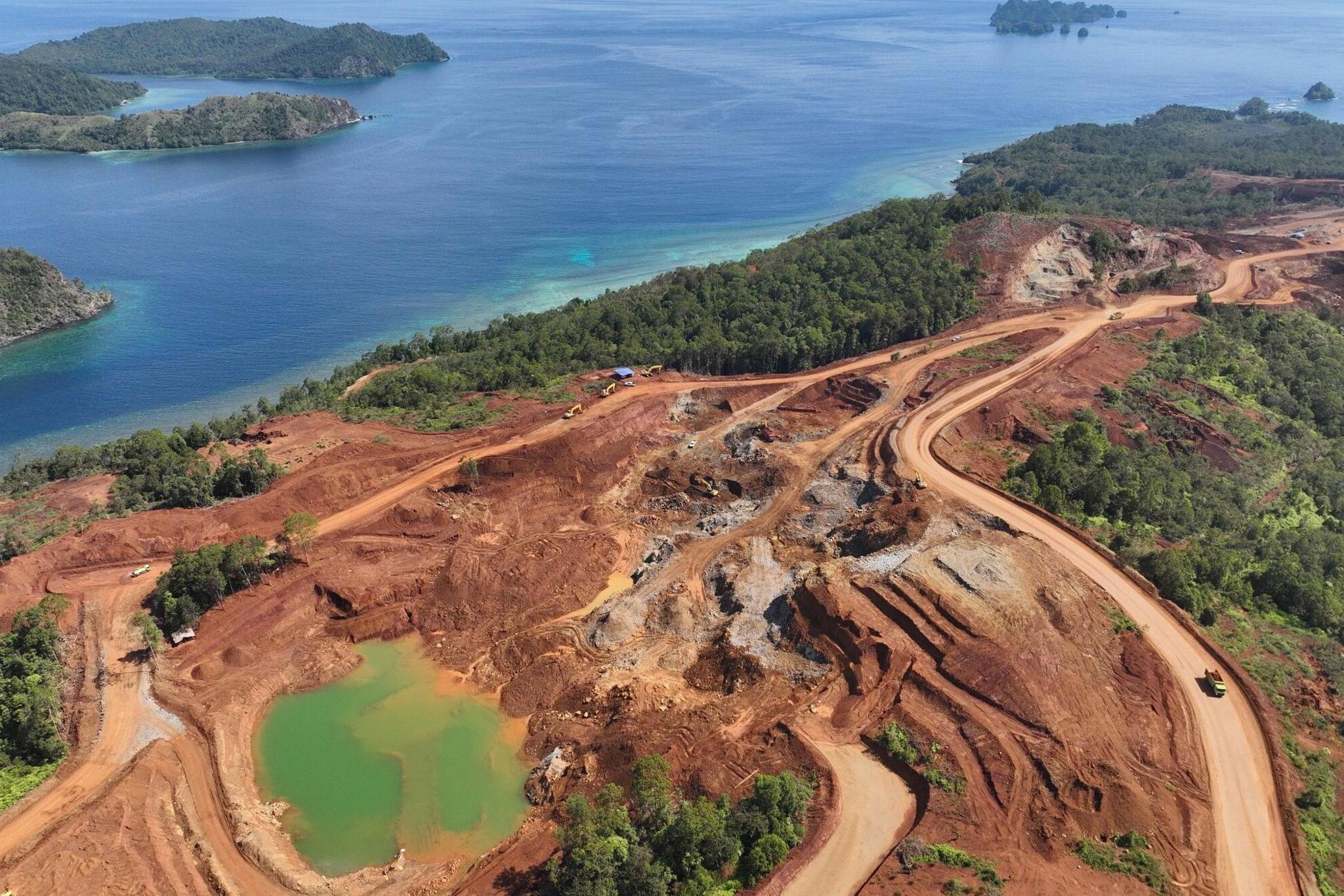
Deforestation occurs at the very beginning of the supply chain.
The commercial journey, while intricate, has a more tangible impact on the ground. Satellite analyses used in the investigation reveal a significant loss of primary forest in areas where mines operate—territories inhabited by the indigenous Tolaki people.
According to a spatial analysis by the specialized firm The TreeMap, nickel mining activity may be linked to approximately two-thirds of the forest loss recorded since 2001 within the area covered by the Cahaya concession. In the case of Hengjaya, that proportion exceeds half of the total forest loss recorded over the same period.
Furthermore, the Indonesian organization Auriga estimates that Sulawesi Cahaya Mineral—the operator of the Cahaya mine—was responsible for the clearing of an additional 330 hectares of forest in 2024. That year, the company supplied approximately 11 million tons of limonite ore to the Huayou complex, accounting for virtually its entire output. In 2025, shipments increased to 12.5 million tons.
The company has faced administrative sanctions on two occasions for illegal logging across more than 450 hectares of forest—an area that exceeds its authorized limits. Sulawesi Cahaya Mineral is part of the Merdeka Battery Materials corporate group, which is itself integrated into a larger conglomerate that includes Huayou and CATL as shareholders.
The mining facilities are located on land classified as "production forest"—areas primarily designated for forestry. However, according to the investigation, successive Indonesian governments have introduced exceptions that allow for mining operations as global demand for nickel continues to rise.
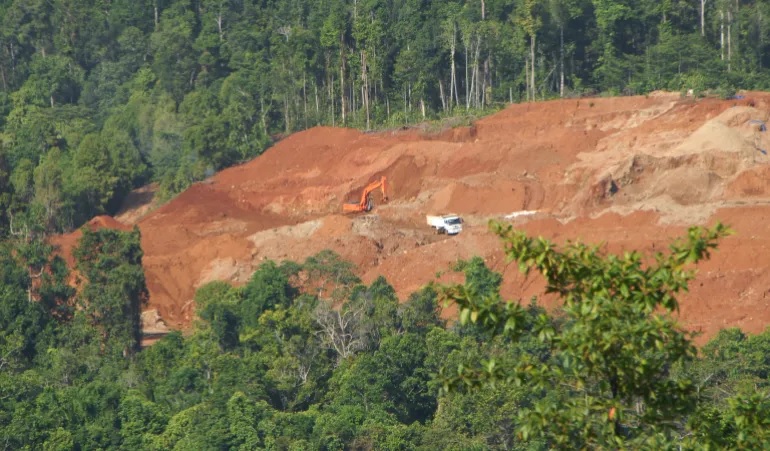
Global demand for nickel will continue to grow.
It should be noted that this issue could become even more significant in the coming years. Nickel is widely used in certain battery chemistries because it increases energy density, allowing for greater range without causing an excessive increase in the size of the battery pack.
According to the International Energy Agency, global demand for this metal is expected to nearly double, reaching approximately 5.5 million tonnes by 2040. A significant portion of this production is projected to come from Indonesia, while China will continue to play a major role in industrial processing.
Furthermore, deforestation can significantly alter the true environmental footprint of the mineral. As cited by *The Guardian*, a study published in *Nature Communications* concluded that, at mining sites with high levels of forest loss, the carbon footprint associated with nickel production could be hundreds of times greater than traditional estimates—estimates that fail to fully account for such land-use changes.
It is important to clarify that the points raised above do not imply that electric vehicles are, *per se*, more polluting than internal combustion engine vehicles when viewed in a global context. The research in question highlights that electric vehicles have a lower environmental impact than cars powered by fossil fuels, particularly during their operational phase. The challenge lies in effectively mitigating the environmental impact associated with extracting the materials required to manufacture their batteries.
Manufacturers consulted by *The Guardian* acknowledge the risks within the nickel supply chain, though they note that they do not source the mineral directly from mines and that they require their suppliers to adhere to specific environmental and social standards.
The report concludes that while nickel extracted from mines is not necessarily earmarked for any specific vehicle, it does reveal a commercial network that links mining operations—associated with significant deforestation—to leading suppliers in the battery sector, who are, in turn, connected to the automotive industry. The traceability of raw materials emerges as a significant challenge in the context of electrification.